
Samson and Delilah — History & Facts
Few biblical tales have inspired as many artists as the dramatic downfall of Samson, but Alexandre Cabanel’s Samson and Delilah stands out for its focus on the fatal intimacy of betrayal. The painting’s precise date and circumstances remain uncertain, but Cabanel—one of the leading lights of 19th-century French academic painting—returned often to scenes of myth and scripture, drawn by their psychological tension. This subject, the moment when Delilah robs Samson of his strength, was a favorite in the salons of Europe, where the tension between sensuality and ruin fascinated both artists and viewers. Cabanel chooses the instant just after Delilah has cut Samson’s hair, the source of his legendary strength, as he lies powerless in her lap.
The composition is charged with contrast: Delilah’s poised, almost serene expression, her hand still holding the shears, and Samson’s vulnerable, sleeping form. Rich fabrics and soft light heighten the sense of luxury and danger, while the discarded locks of hair signal the irreversible act. Unlike Rubens’s energetic and crowded version of the same scene, Cabanel’s interpretation is intimate, the betrayal unfolding in silence, the threat of the Philistine soldiers hovering just beyond the frame. The painting’s early history is obscure; no commission or patron has been definitively linked to it, and its first public appearance remains undocumented.
What is clear is that Samson and Delilah fits squarely within Cabanel’s mature period, when he was celebrated for his polished technique and ability to blend sensuality with moral drama. Today, the work is recognized as a fine example of French academic history painting, and although its whereabouts are not widely publicized, it continues to attract scholarly attention for its psychological depth and refined execution.
More Artworks by Alexandre Cabanel
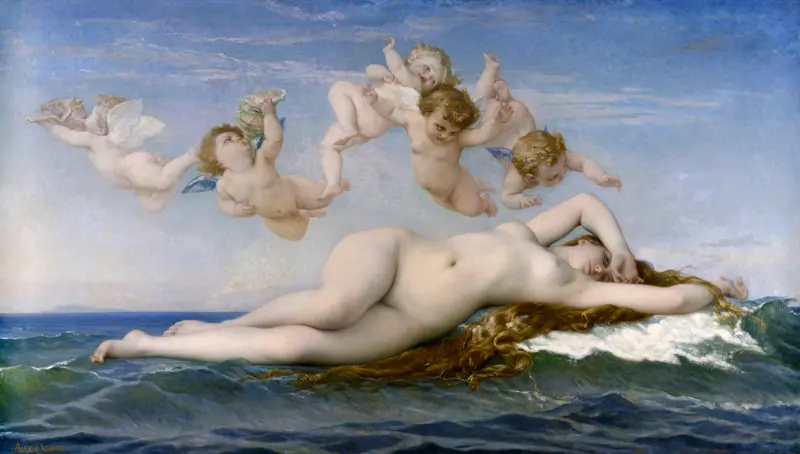
The Birth of Venus
Alexandre Cabanel
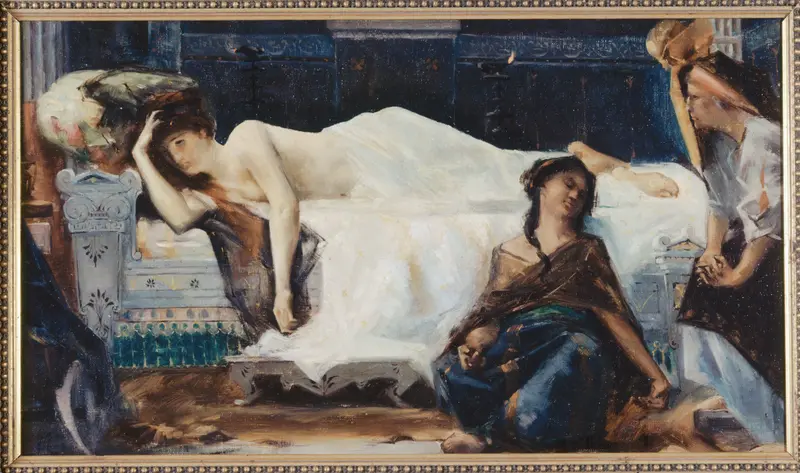
Phèdre
Alexandre Cabanel
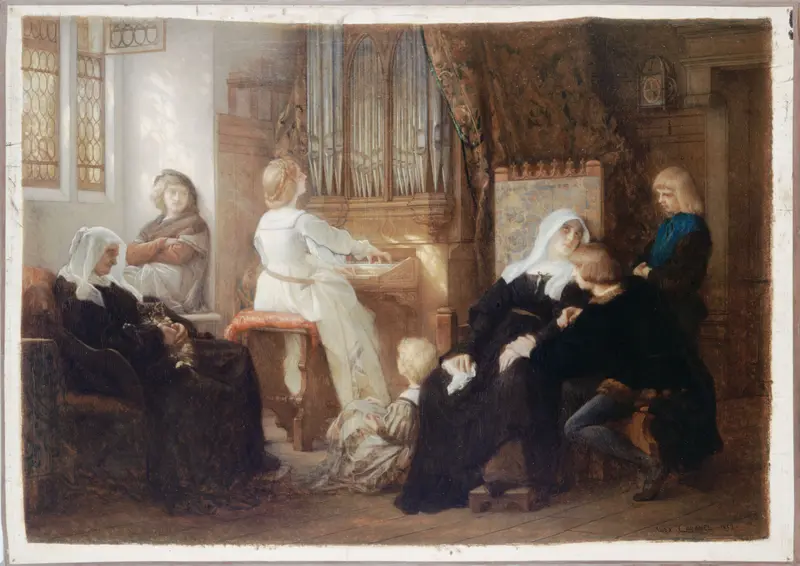
La veuve du maître de chapelle
Alexandre Cabanel
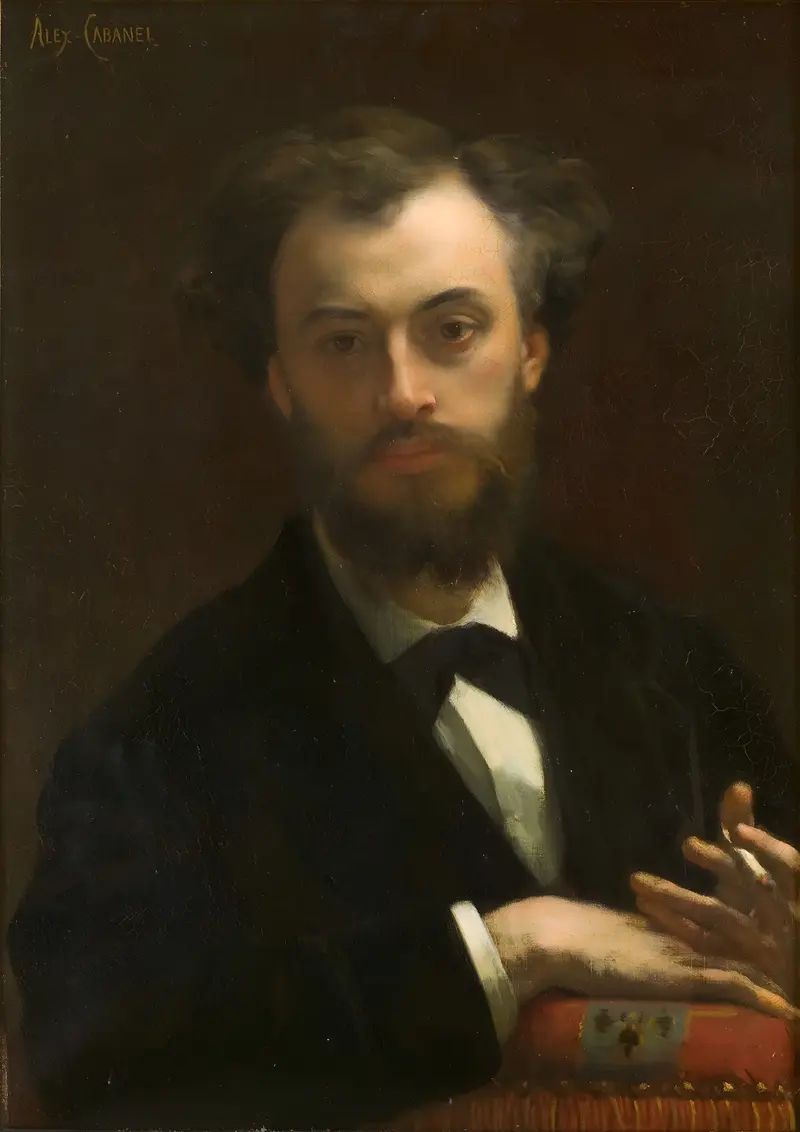
Portrait de M. Pierre Cabanel
Alexandre Cabanel
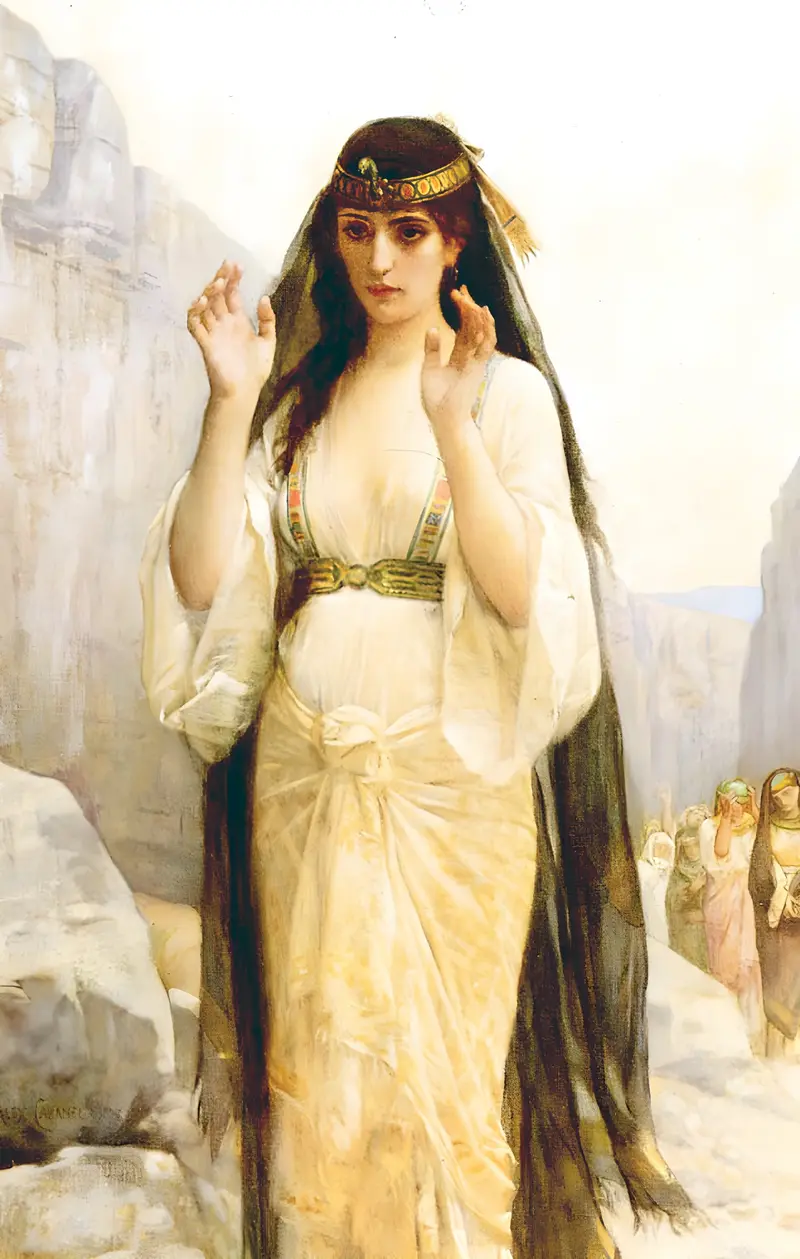
The Daughter of Jephthah
Alexandre Cabanel
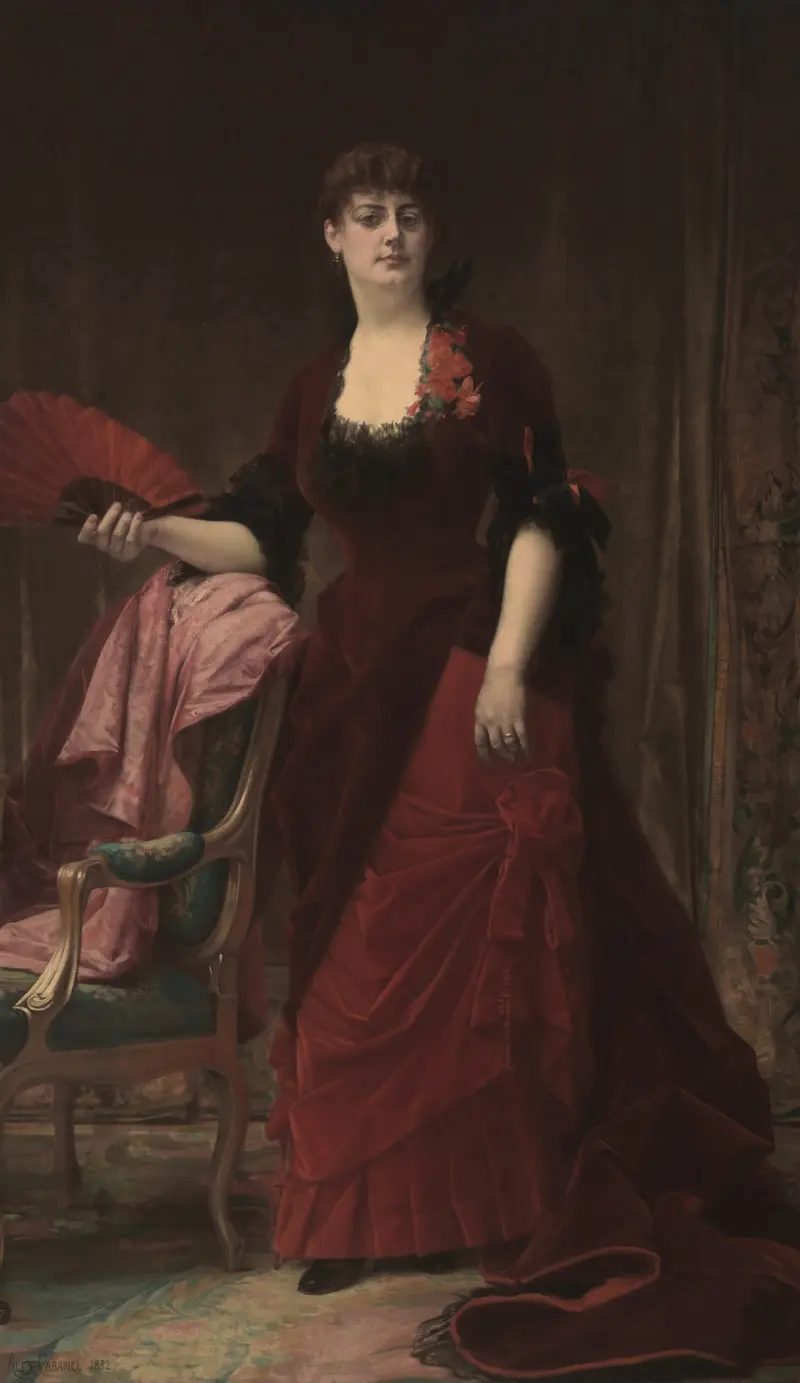
Portrait of Arabella Worsham (later Arabella Huntington)
Alexandre Cabanel
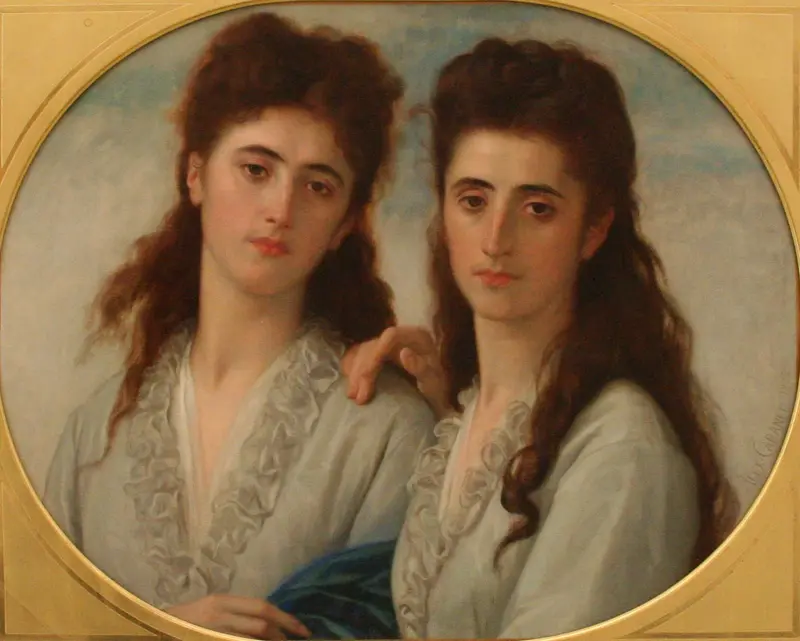
Portrait de mesdemoiselles Sophie et Berthe Cabanel
Alexandre Cabanel
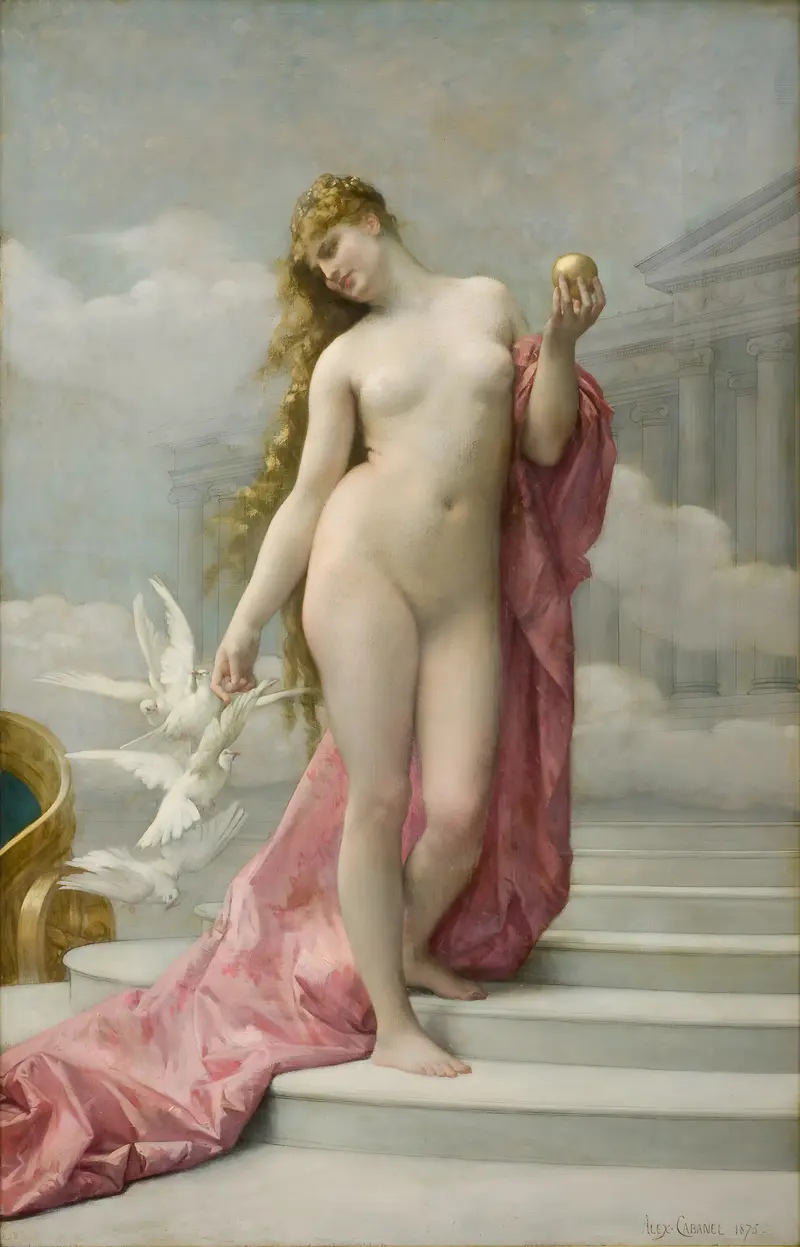
Vénus victorieuse
Alexandre Cabanel
Judith
Alexandre Cabanel
Catharine Lorillard Wolfe (1828–1887)
Alexandre Cabanel





