
Self-Portrait as the Allegory of Painting — History & Facts
No woman before had dared to paint herself as the very embodiment of Painting. In Self-Portrait as the Allegory of Painting, created around 1630, Artemisia Gentileschi did what her male contemporaries could only imagine: she merged her own likeness with the allegorical figure described in Cesare Ripa’s Iconologia, claiming her place not just as an artist, but as the living personification of her art. The painting’s authorship was never in doubt, for only a woman could serve as the model for this allegory, which Ripa prescribed as a beautiful woman with disheveled hair, gold chain, and brush in hand. The canvas captures Artemisia in the act of painting, her arm raised, brush poised, eyes intent on the unseen canvas before her.
She wears a loose, olive-toned dress, its sleeve slipping to reveal the strong muscles of her forearm—an image of both intellect and physical labor. Around her neck hangs a gold chain with a mask-shaped pendant, symbolizing imitation, a key concept in art theory of the time. The light falls dramatically across her face and arm, a technique reminiscent of Caravaggio, but here the drama is personal: the artist as creator and muse in one.
Unlike Rembrandt’s many self-portraits, which probe the psyche, Artemisia’s image is a declaration of professional identity and ambition. The exact commission for this work remains uncertain, though it likely dates from her years in England at the court of Charles I. The painting’s medium is debated—some believe it to be oil on canvas, but no definitive record survives. Today, Self-Portrait as the Allegory of Painting is housed in the Royal Collection, a testament to Artemisia’s international reputation.
It stands as a bold statement in her career, asserting her authority in a male-dominated field and offering a rare glimpse of a woman artist’s self-fashioning in the Baroque era.
More Artworks by Artemisia Gentileschi

Judith Beheading Holofernes
Artemisia Gentileschi
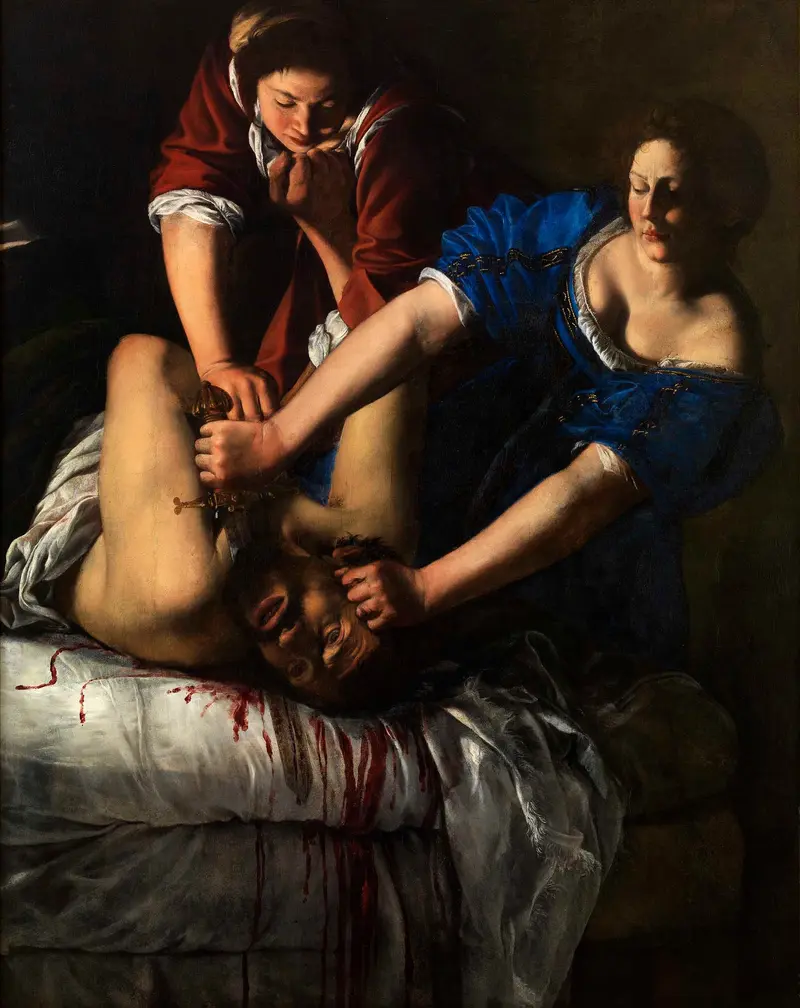
Judith Slaying Holofernes
Artemisia Gentileschi
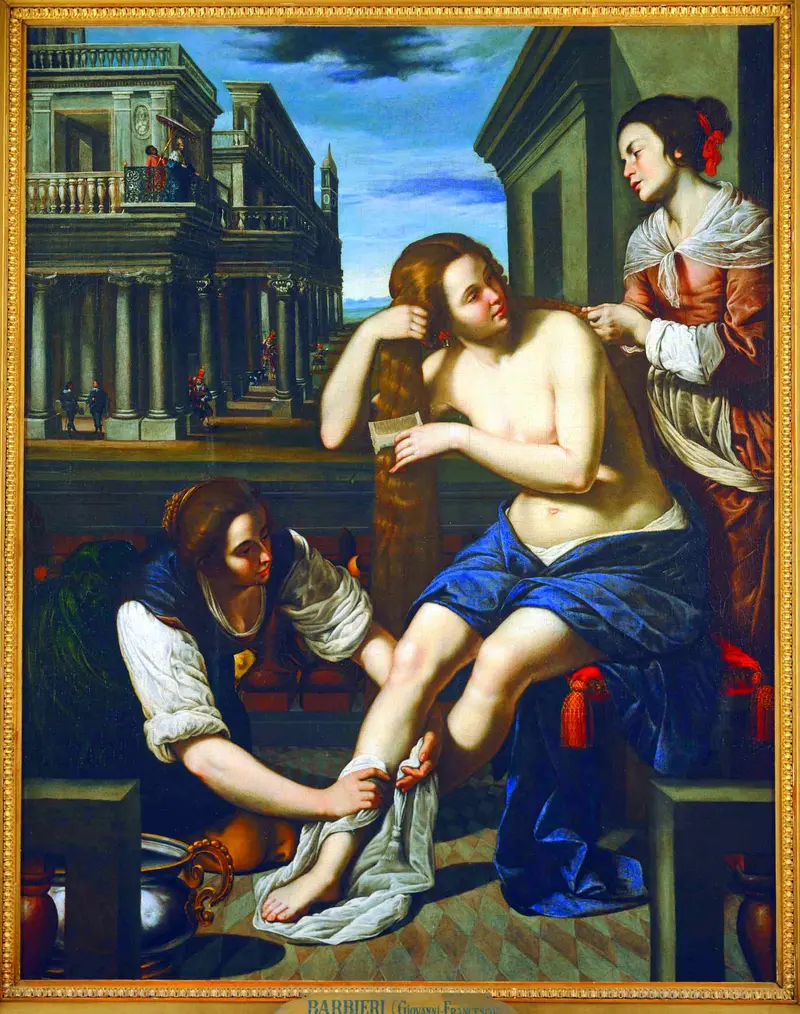
Bathsheba at Her Bath
Artemisia Gentileschi
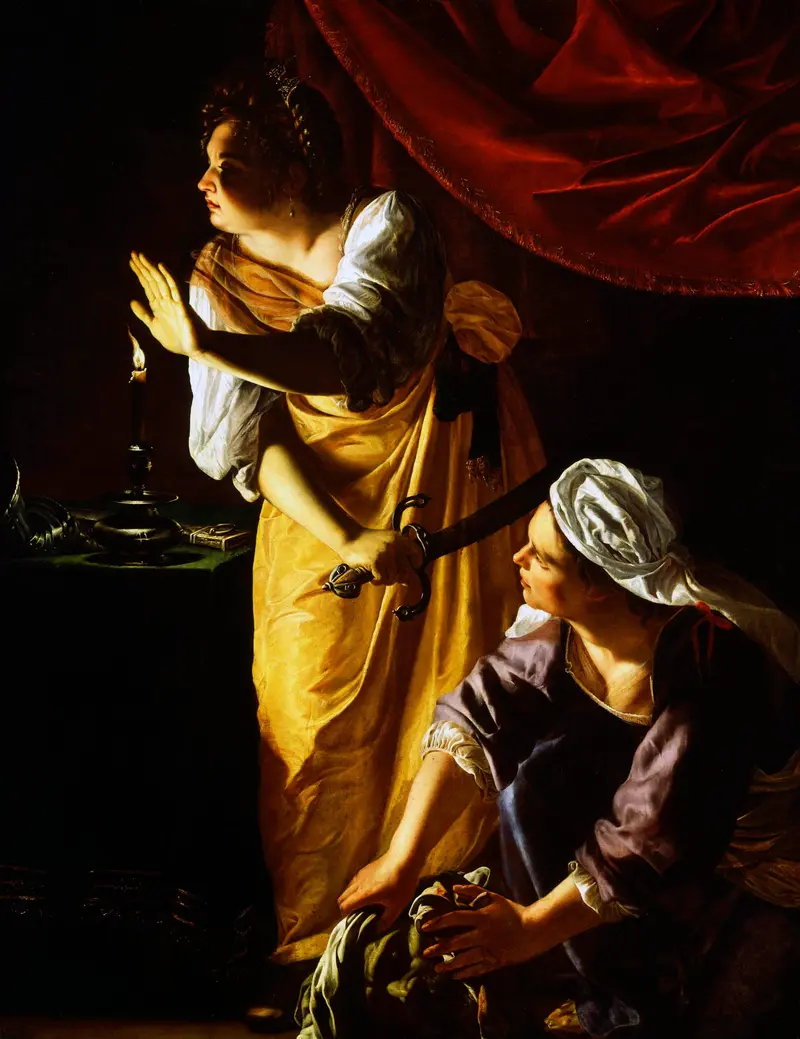
Judith and Maidservant with Head of Holofernes
Artemisia Gentileschi
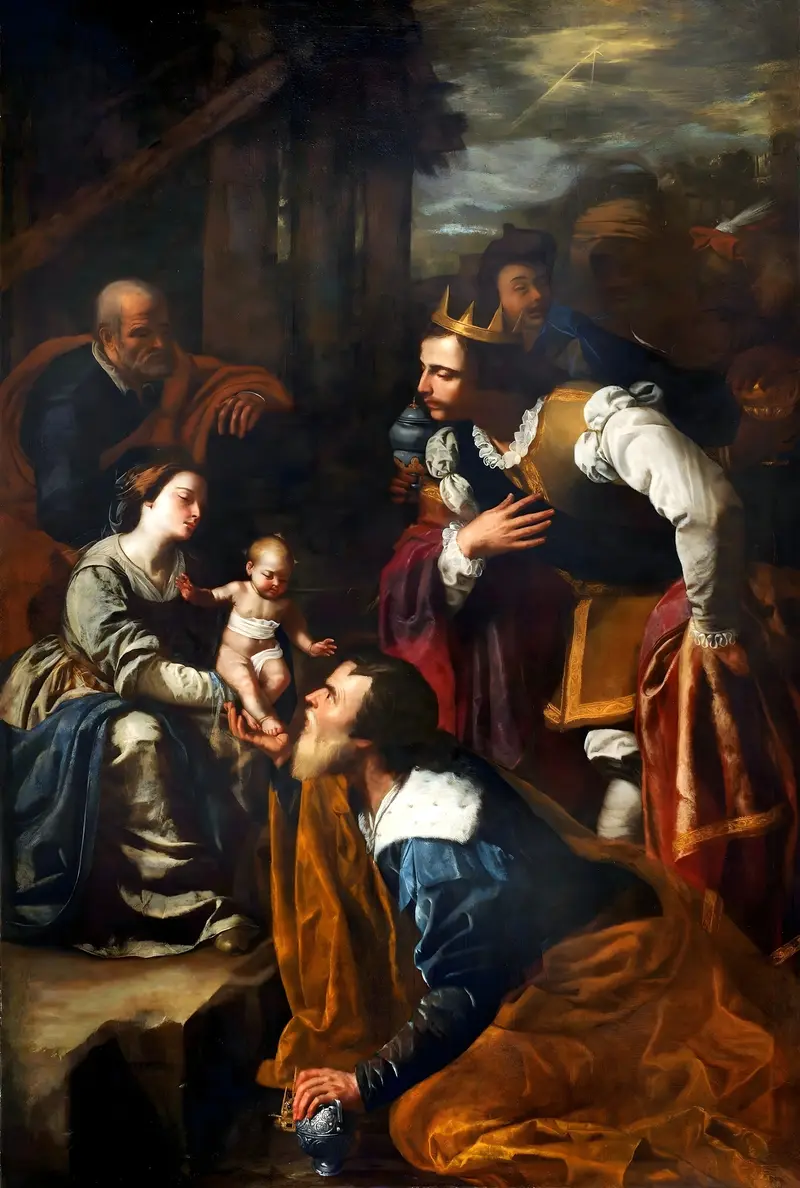
Adoration of the Magi
Artemisia Gentileschi
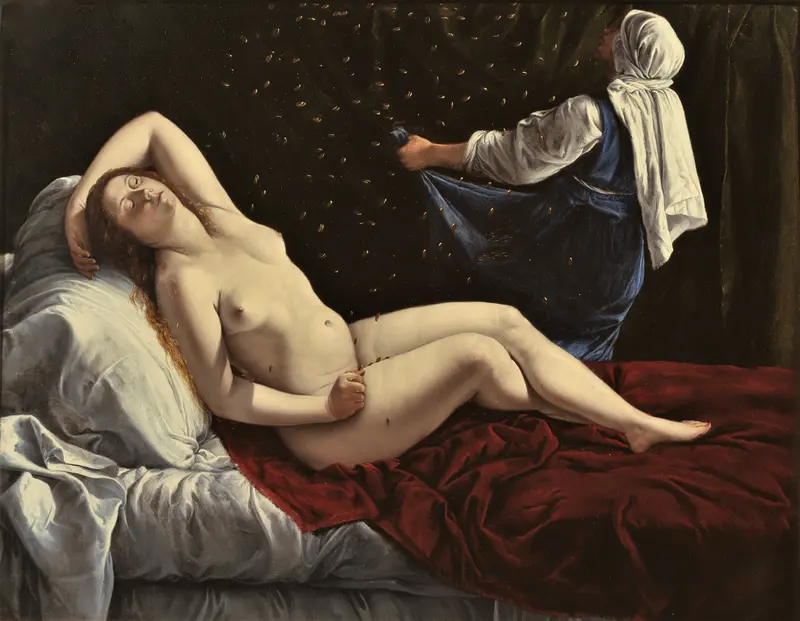
Danaë
Artemisia Gentileschi
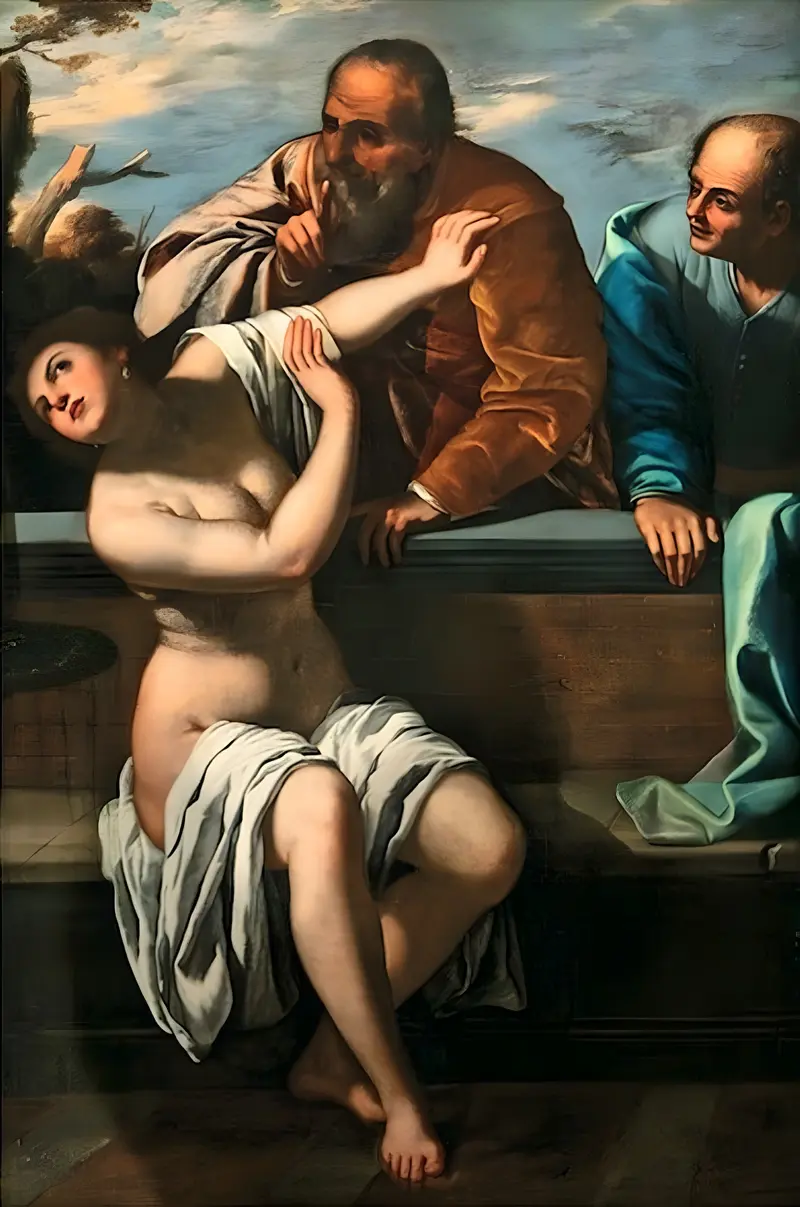
Susannah and the Elders
Artemisia Gentileschi

Judith and her Servant with the Head of Holofernes
Artemisia Gentileschi
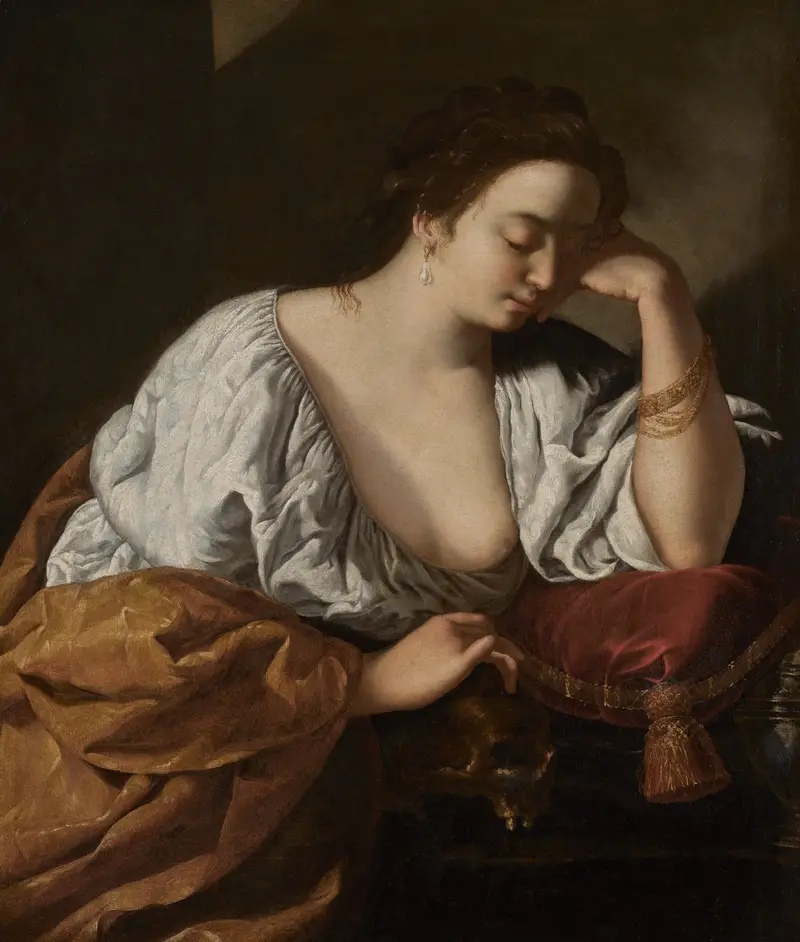
Madeleine pénitente, par
Artemisia Gentileschi
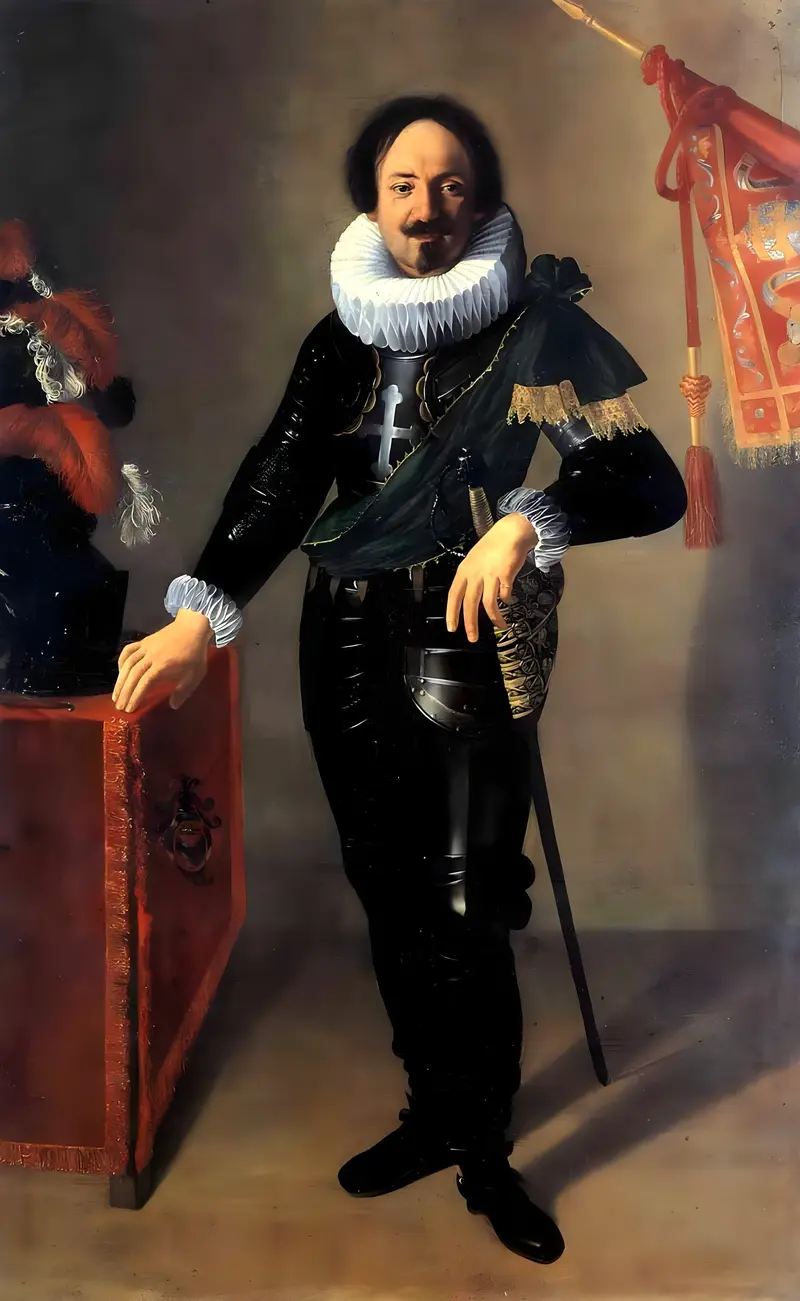
Portrait of a Gonfaloniere
Artemisia Gentileschi





