
Self-Portrait seen from behind — History & Facts
In Self-Portrait seen from behind, the viewer sees the back of the artist, creating a sense of mystery. The color palette is muted, dominated by soft grays and warm browns. The setting appears to be an intimate interior space, perhaps his studio.
This choice of perspective invites the viewer to reflect on the nature of self-identity. The painting is characterized by its careful attention to light and shadow, typical of Vilhelm Hammershøi's style. The brushwork is smooth, contributing to the overall calm atmosphere of the piece. The artist's choice to depict himself from behind is a notable departure from traditional self-portraits.
This technique emphasizes introspection and solitude. Vilhelm Hammershøi was known for his unique approach to interior scenes and portraits. This work, created around the turn of the 20th century, reflects his interest in the psychological aspects of self-representation. An interesting fact about this painting is that it challenges the viewer's expectations of a self-portrait, focusing instead on the absence of the artist's face.
Hammershøi's work continues to resonate with contemporary audiences for its quiet, contemplative nature.
More Artworks by Vilhelm Hammershøi

Moonlight, Strandgade 30
Vilhelm Hammershøi

Interior. The Music Room, Strandgade 30
Vilhelm Hammershøi
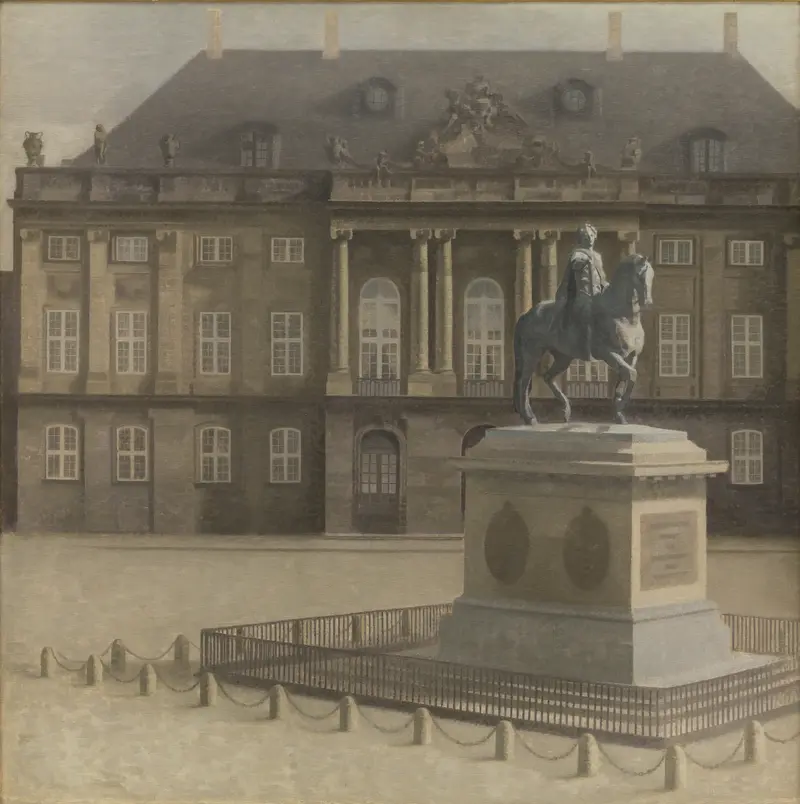
Amalienborg Square, Copenhagen
Vilhelm Hammershøi
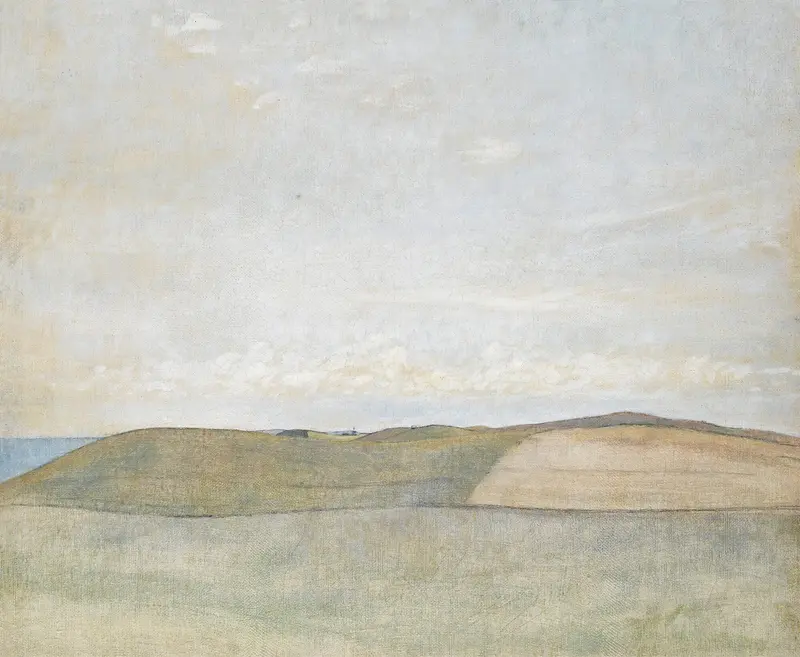
From Refsnæs
Vilhelm Hammershøi
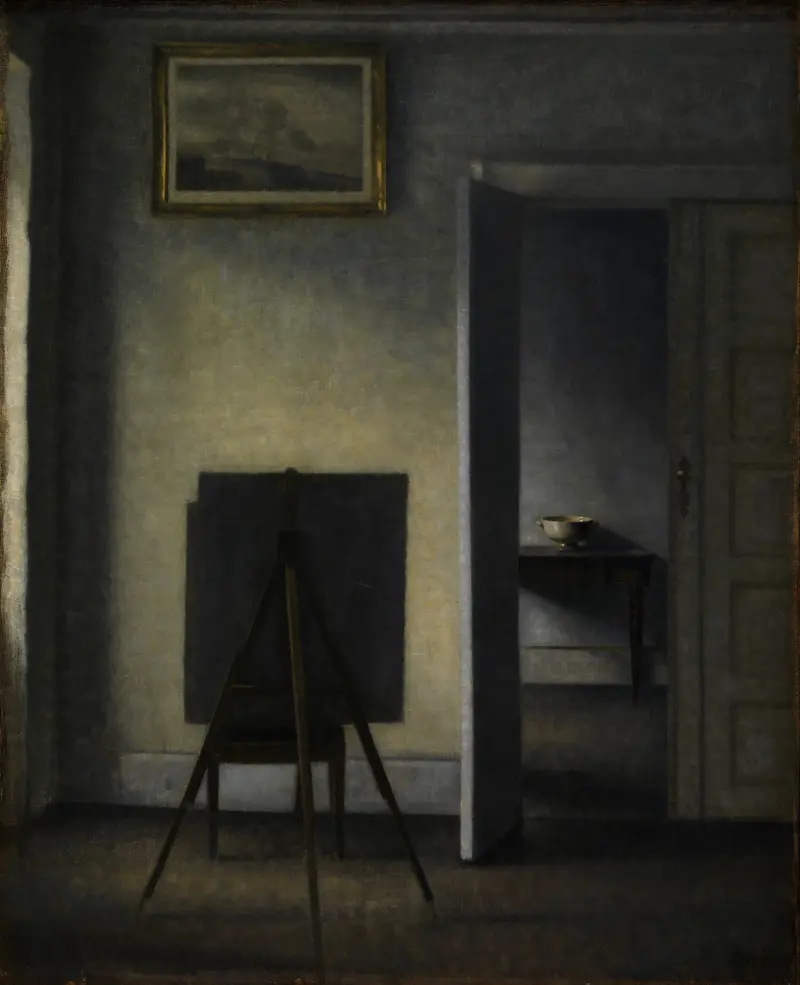
Interior with the Artist’s Easel
Vilhelm Hammershøi

Interior of Courtyard, Strandgade 30
Vilhelm Hammershøi
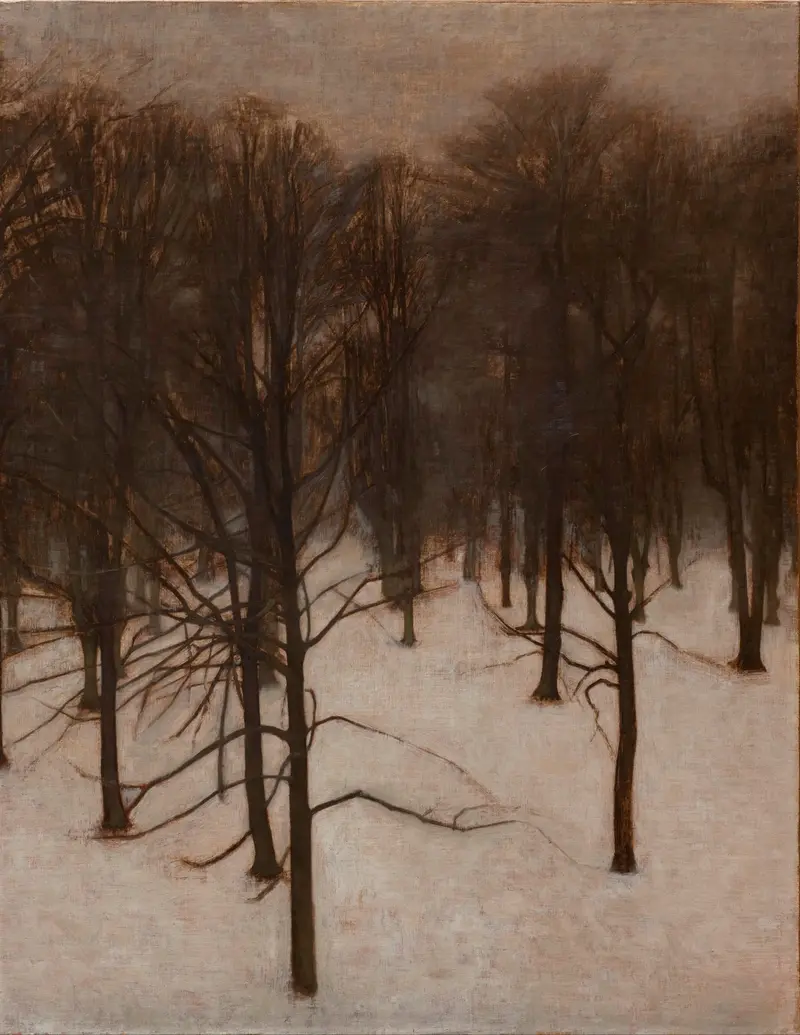
Søndermarken Park in winter
Vilhelm Hammershøi

From Christianshavn’s Canal, Copenhagen
Vilhelm Hammershøi
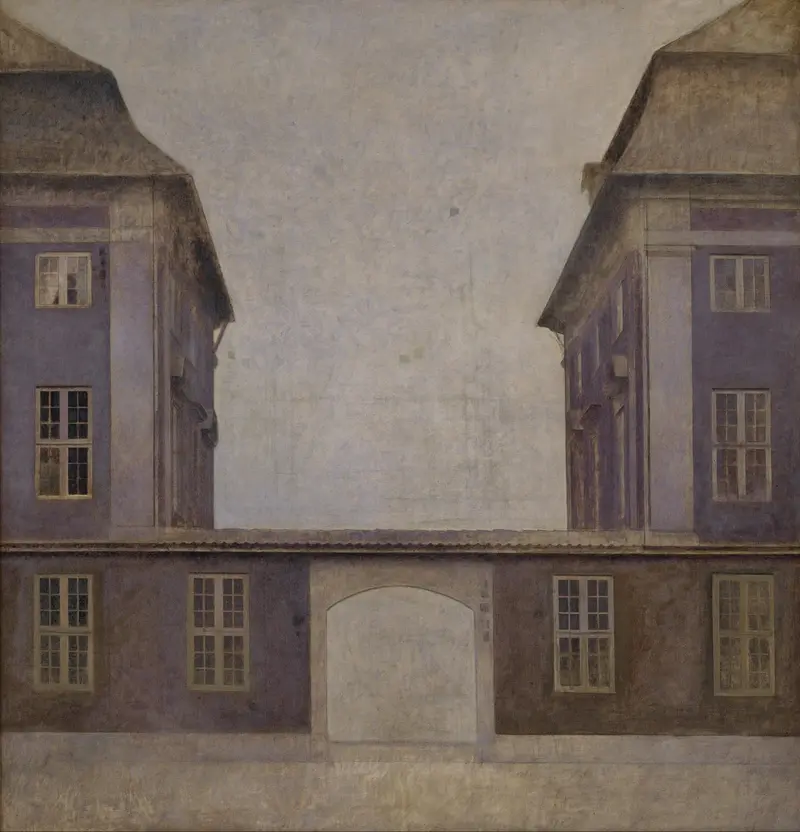
The Buildings of the Asiatic Company, seen from St. Annæ Street
Vilhelm Hammershøi
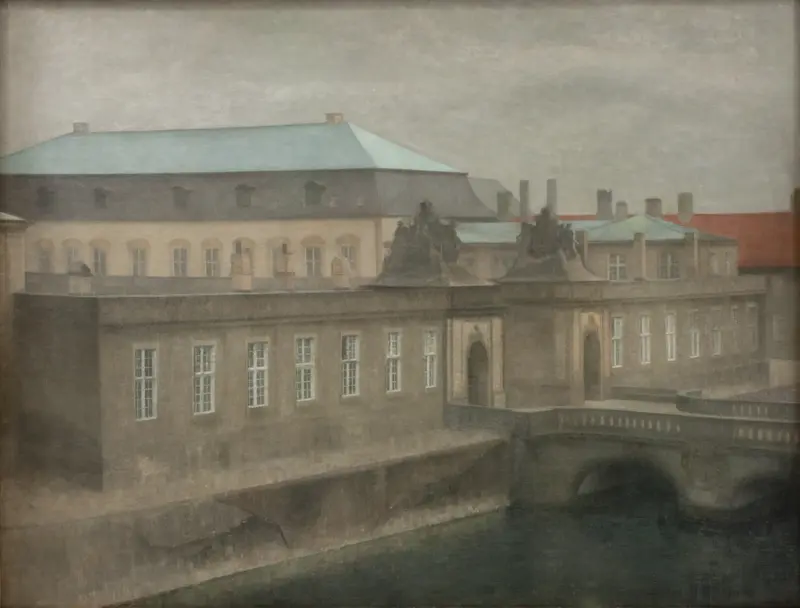
View of Christiansborg Palace. Late Autumn
Vilhelm Hammershøi





