
Sleepy Thomas Sucking His Thumb — History & Facts
When Mary Cassatt exhibited Sleepy Thomas Sucking His Thumb in 1893, she was already renowned for her intimate portrayals of children, but this work stands out as one of the few in which she painted a boy—her nephew, Thomas H. Cassatt, during a visit to her family in France. The painting drew immediate attention among critics for its candid depiction of childhood vulnerability, a subject rarely treated with such honesty in late nineteenth-century art.
At the time, American and French audiences were accustomed to more formal or idealized images of children, making Cassatt’s choice to show a drowsy, thumb-sucking toddler both bold and quietly radical. The work was likely created in the same period as her celebrated mother-and-child series, but here the maternal figure is absent, focusing all attention on the child’s private world. The scene captures young Thomas moments before sleep overtakes him, his small body curled in a chair, thumb tucked in his mouth, eyelids heavy. Cassatt’s brushwork is loose yet precise, describing the soft folds of the child’s clothing and the gentle droop of his head.
The palette is subdued, with warm earth tones and gentle light falling across Thomas’s face, emphasizing the quiet intimacy of the moment. Unlike the idealized cherubs of Berthe Morisot or the formal child portraits of John Singer Sargent, Cassatt presents a scene observed, not staged—a fleeting glimpse into the everyday life of her family. The painting’s lack of sentimentality and its focus on the child’s inner world mark it as a turning point in the depiction of childhood. The exact medium of Sleepy Thomas Sucking His Thumb remains uncertain, as does its early provenance; it was likely kept within the Cassatt family for many years, as was common with her more personal works.
While some of Cassatt’s paintings traveled widely in exhibitions and changed hands at auction, this piece was rarely seen in public until the mid-twentieth century, when renewed interest in her oeuvre brought it to light. Today, it is held in a private collection, occasionally loaned for retrospectives celebrating Impressionism and women artists. The painting occupies an important place in Cassatt’s career, exemplifying her commitment to truthful observation and her pioneering role in bringing the realities of childhood into the realm of fine art.
More Artworks by Mary Cassatt

The Child's Bath
Mary Cassatt
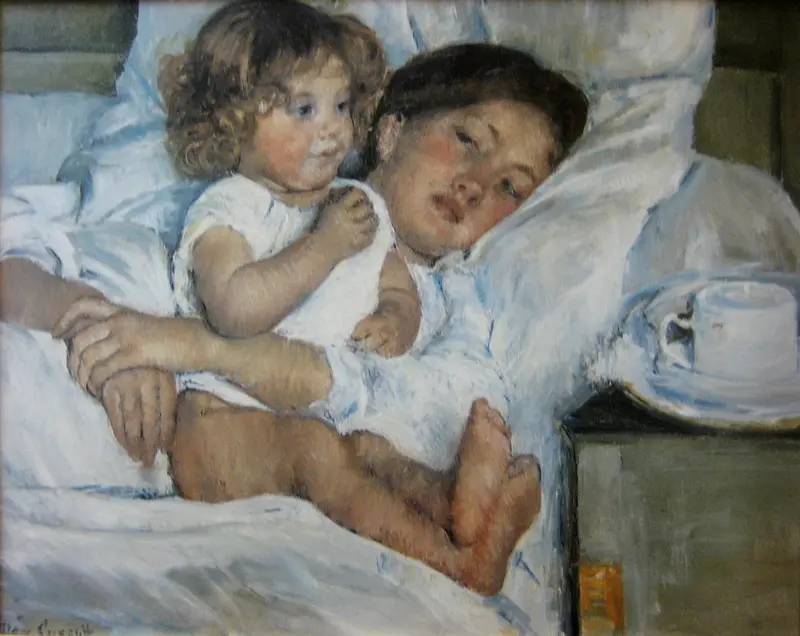
Breakfast in Bed
Mary Cassatt

Mother and Child (Baby Getting Up from His Nap)
Mary Cassatt
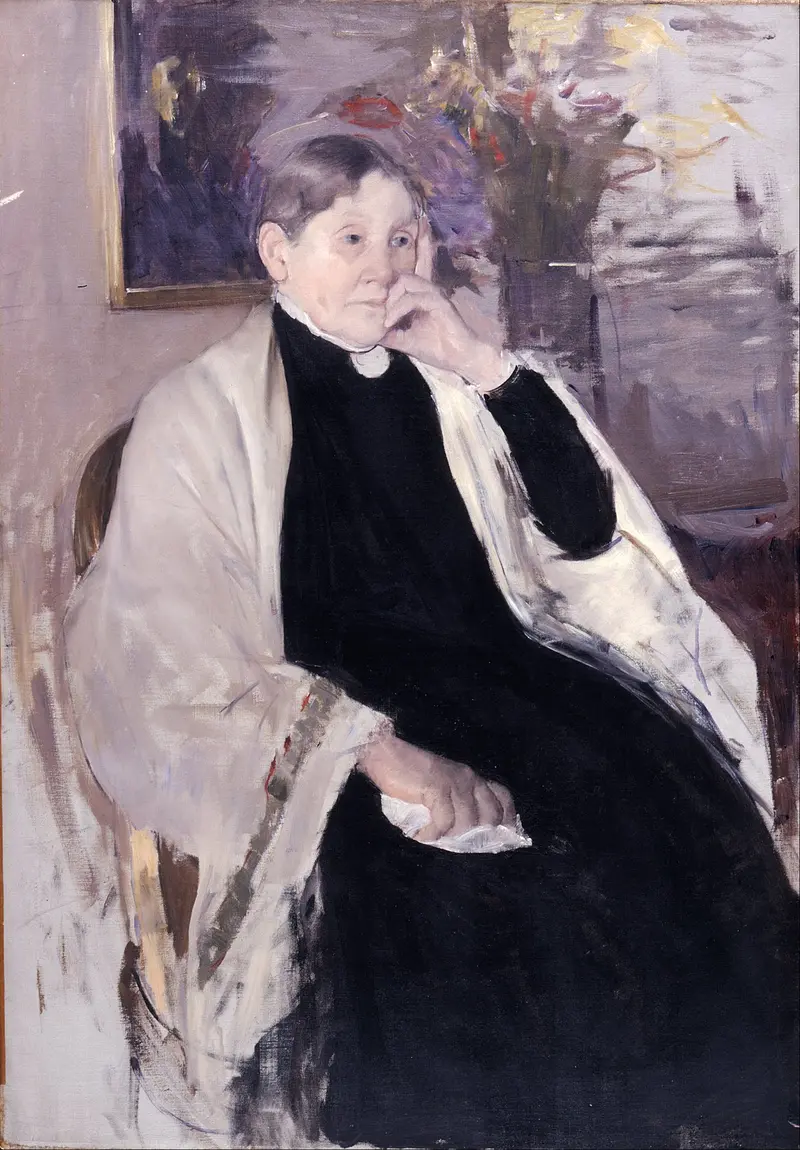
Mrs. Robert S. Cassatt, the Artist's Mother
Mary Cassatt
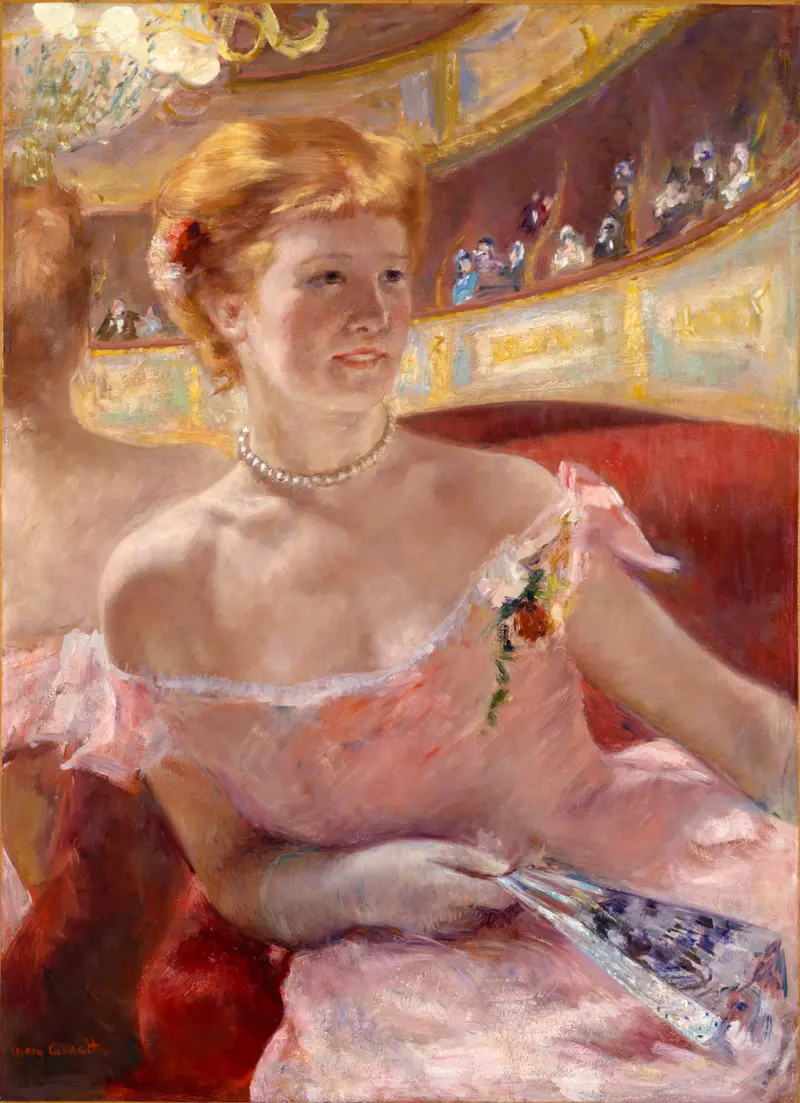
Woman with a Pearl Necklace in a Loge
Mary Cassatt
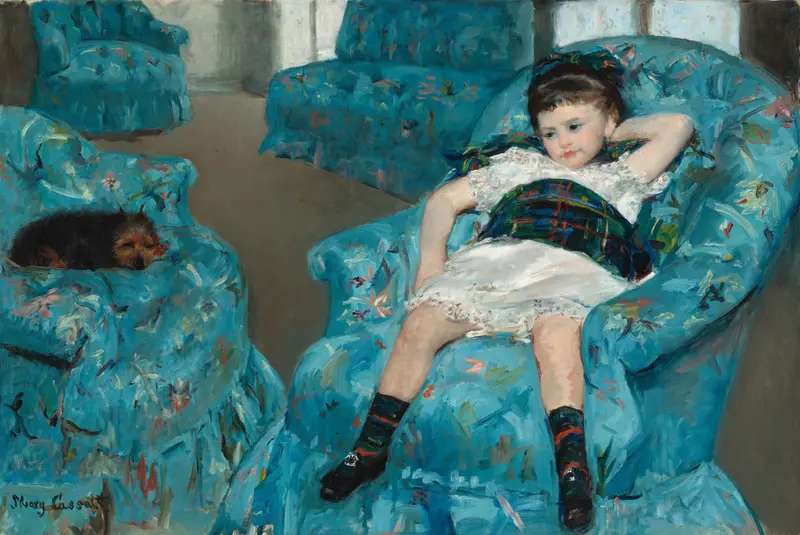
Little Girl in a Blue Armchair
Mary Cassatt
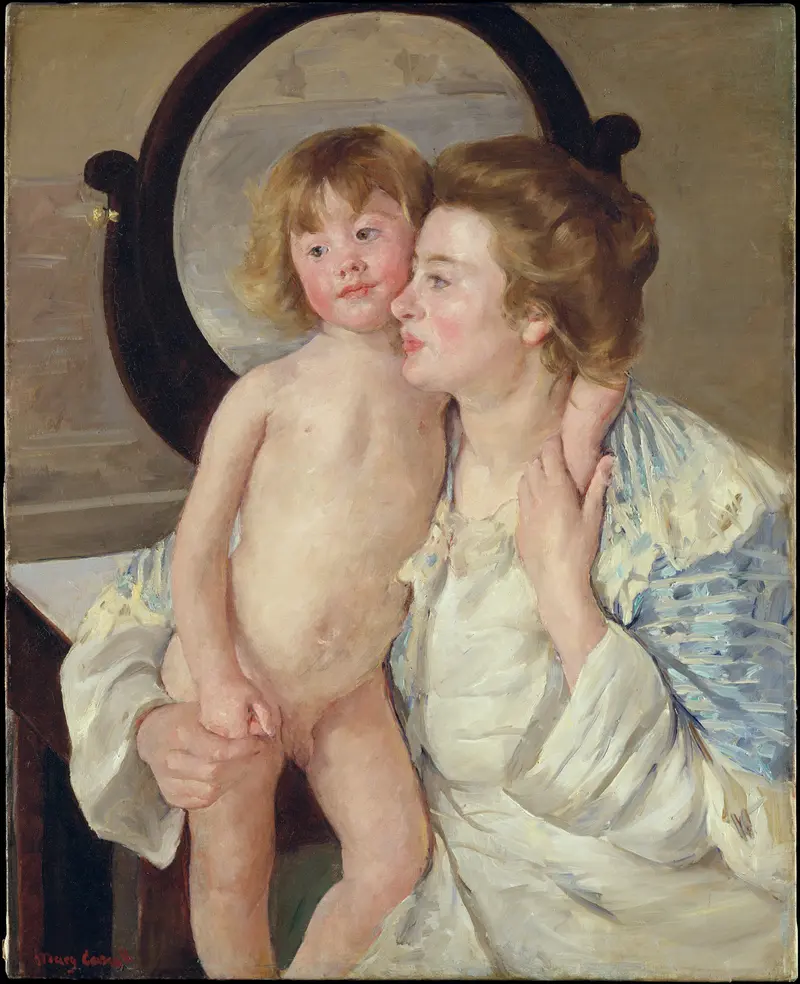
Mother and Child (The Oval Mirror)
Mary Cassatt
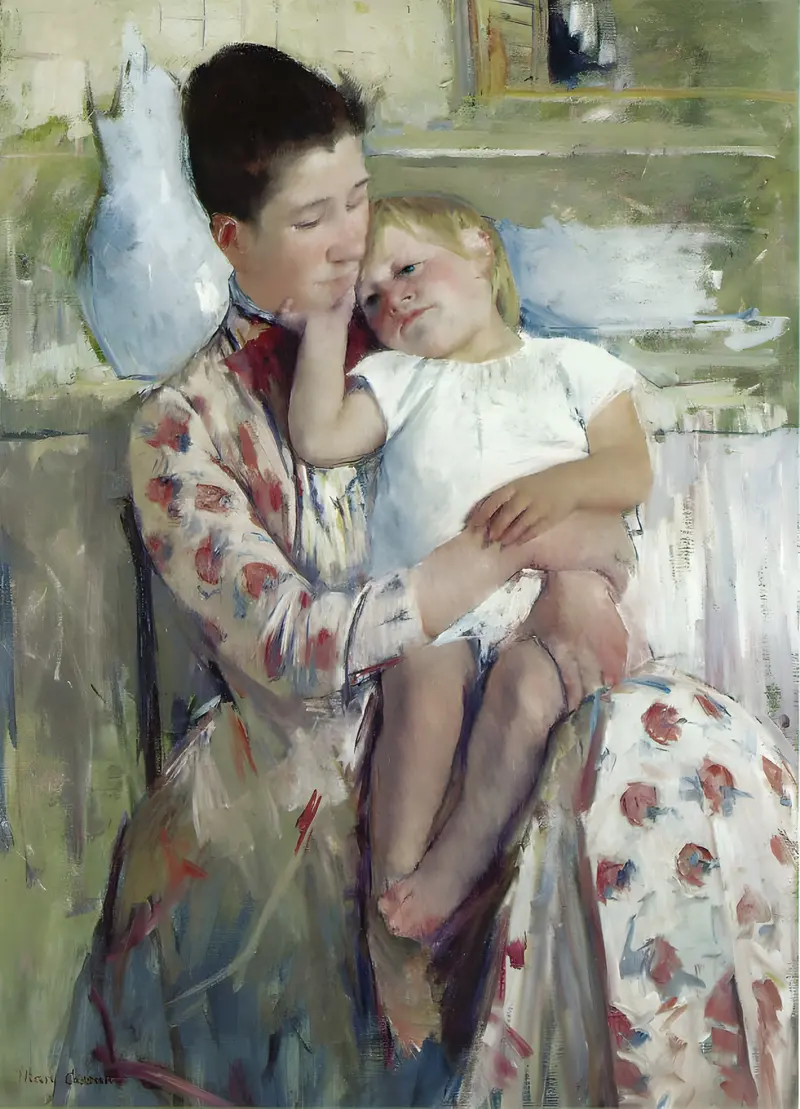
Mother and Child
Mary Cassatt
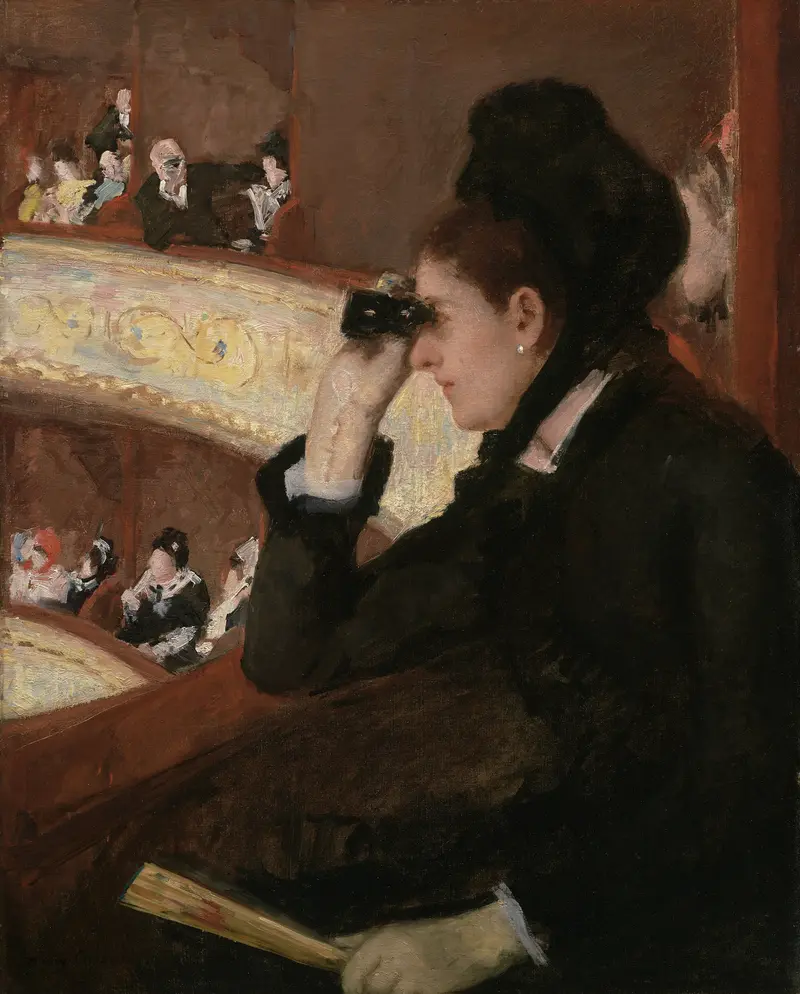
In The Loge
Mary Cassatt
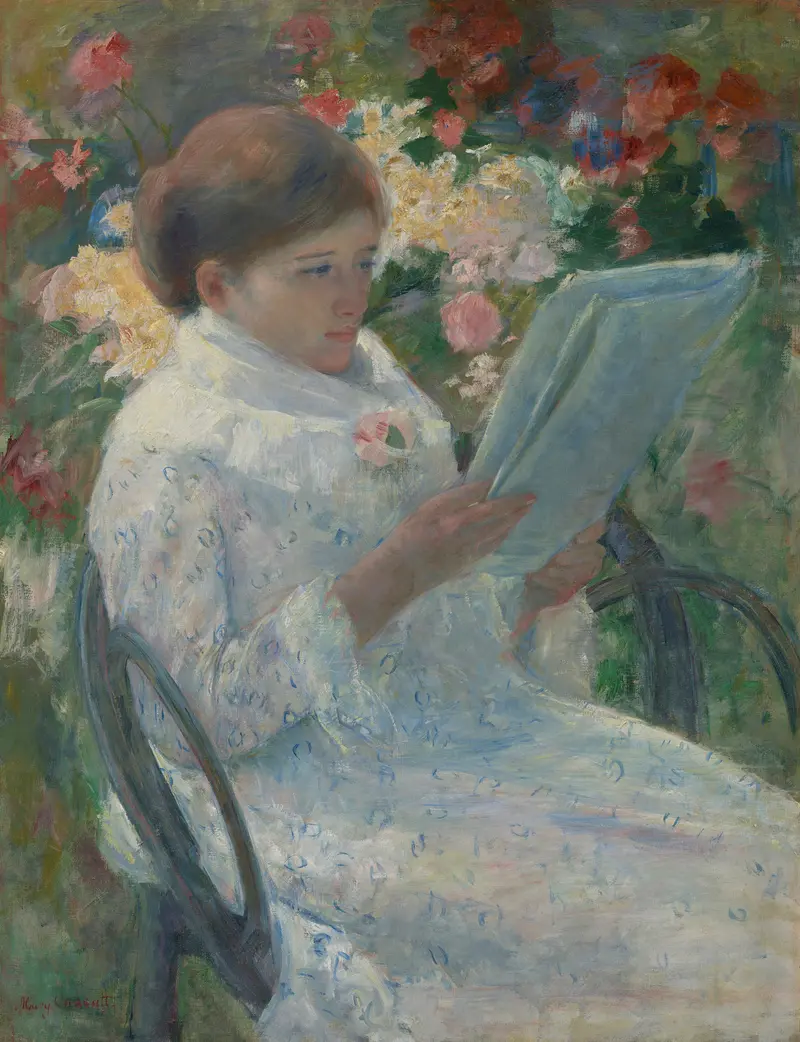
On a Balcony
Mary Cassatt
More Genre Scene Art

Banquet of the Officers of the St George Civic Guard
Frans Hals

Rembrandt and Saskia in the Scene of the Prodigal Son
Rembrandt van Rijn

Bal du moulin de la Galette
Pierre-Auguste Renoir

Quadrille at the Moulin Rouge
Henri de Toulouse-Lautrec

A Burial at Ornans
Gustave Courbet

When Will You Marry?
Paul Gauguin