
Sultana on an Ottoman — History & Facts
In 1774, at the height of Jean-Honoré Fragonard’s fame, a wave of fascination with the “Orient” swept through Parisian salons, inspiring artists and patrons alike to imagine the luxuries and intrigues of distant courts. Sultana on an Ottoman is a product of this vogue for turquerie—a style that blended fantasy and fashion, and which Fragonard’s contemporaries delighted in for its exotic costumes and playful sensuality. The sitter’s true identity remains a mystery: was she a Parisian model dressed for a masquerade, or a portrait of a real figure from the Ottoman world? The ambiguity only heightened the painting’s allure for its original viewers, who relished the air of secrecy and fantasy. Fragonard chooses a moment of languid repose, the sultana reclining amid a riot of patterned textiles, her gaze both inviting and inscrutable.
Her jeweled headdress and flowing silks are inventions as much as observations, drawing more on Parisian fantasies than Ottoman reality. The ottoman itself—a low, cushioned seat—was a recent import into French interiors, and here it becomes a symbol of indulgence and ease. The play of light across her bare arm and the shimmer of gold thread in her gown speak to Fragonard’s celebrated touch, recalling the tactile delights of his The Swing.
Unlike Ingres’s later Grande Odalisque, which would push the theme to cool abstraction, Fragonard’s sultana remains grounded in flesh and fabric, her world intimate and immediate. The painting’s early history is obscure, typical of many works in the genre of turquerie, which were often created for private enjoyment rather than public display. It is not known for certain who first commissioned or owned Sultana on an Ottoman, and the medium itself is debated—some catalogues list it as oil on canvas, others as gouache. Over the centuries, the painting has passed quietly through collections, rarely appearing in public exhibitions.
Today, it stands as a testament to Fragonard’s playful engagement with the fantasies of his age, and to the enduring allure of the imagined East in the European imagination of the late eighteenth century.
More Artworks by Jean-Honoré Fragonard
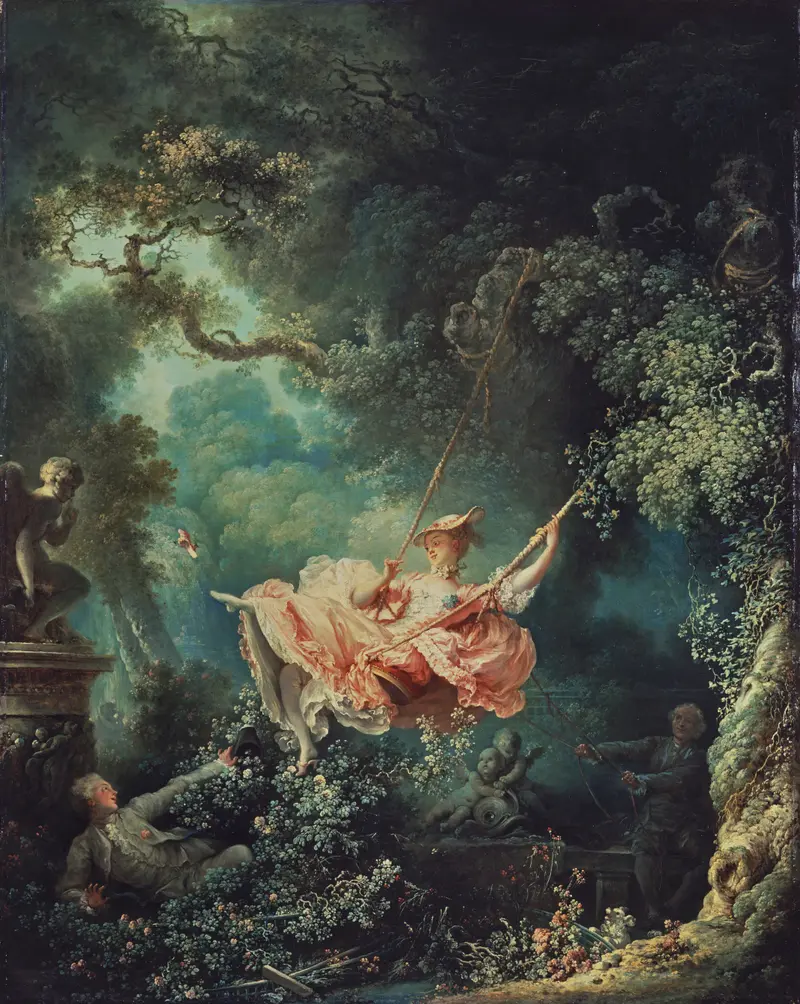
The Swing
Jean-Honoré Fragonard

The Swing
Jean-Honoré Fragonard
A Young Girl Reading
Jean-Honoré Fragonard
The Lock
Jean-Honoré Fragonard
The Triumph of Venus
Jean-Honoré Fragonard
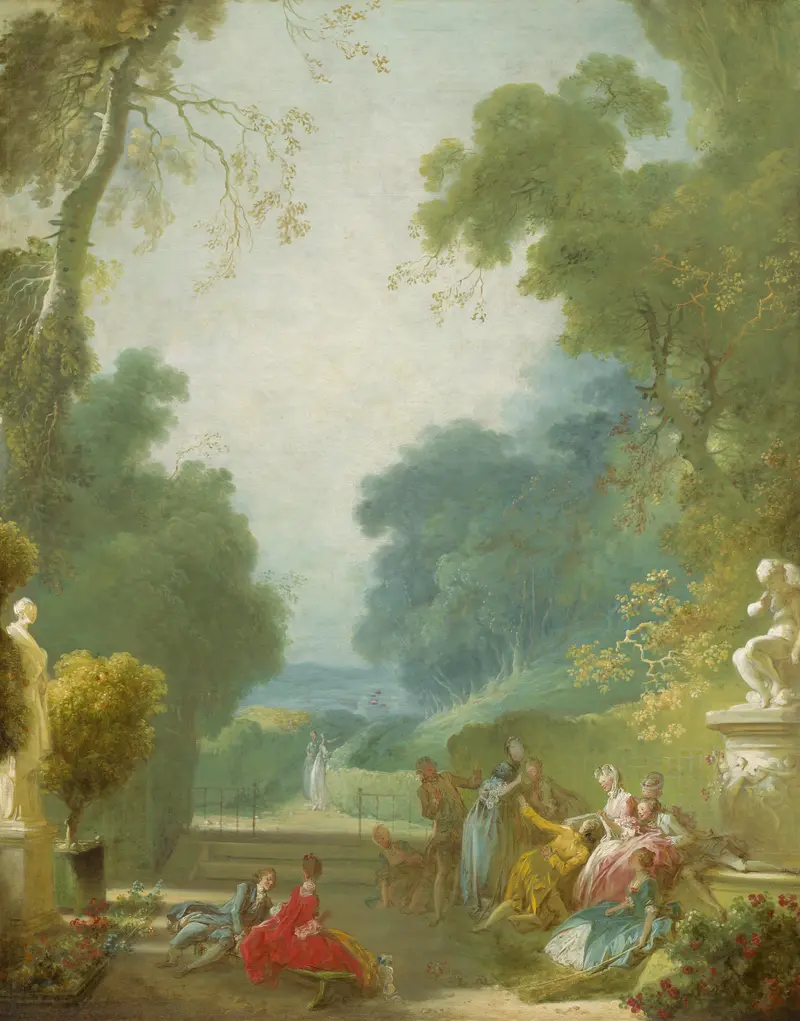
A Game of Hot Cockles
Jean-Honoré Fragonard
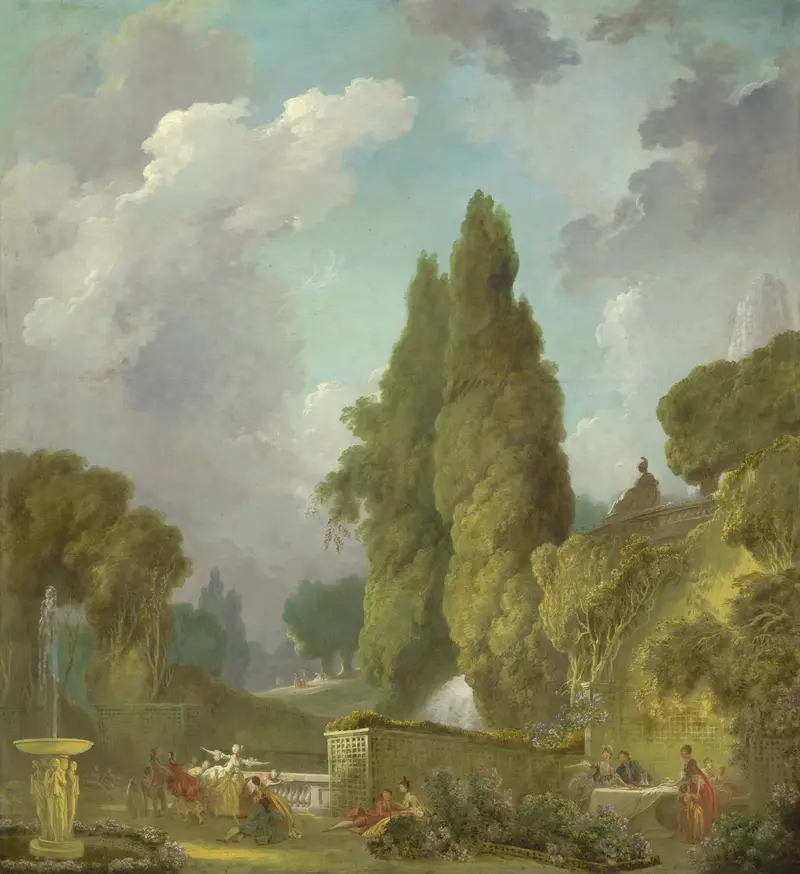
Blindman’s Buff
Jean-Honoré Fragonard
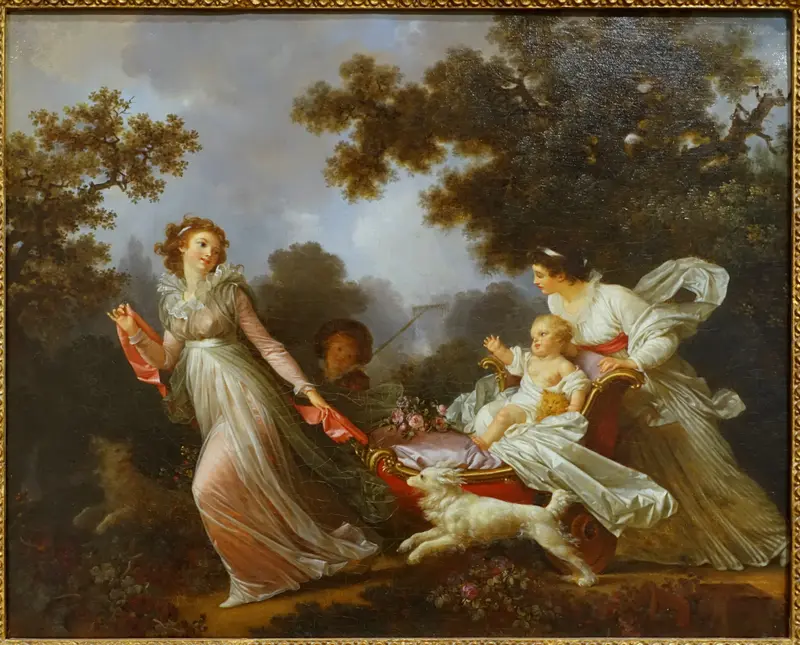
The Beloved Child
Jean-Honoré Fragonard
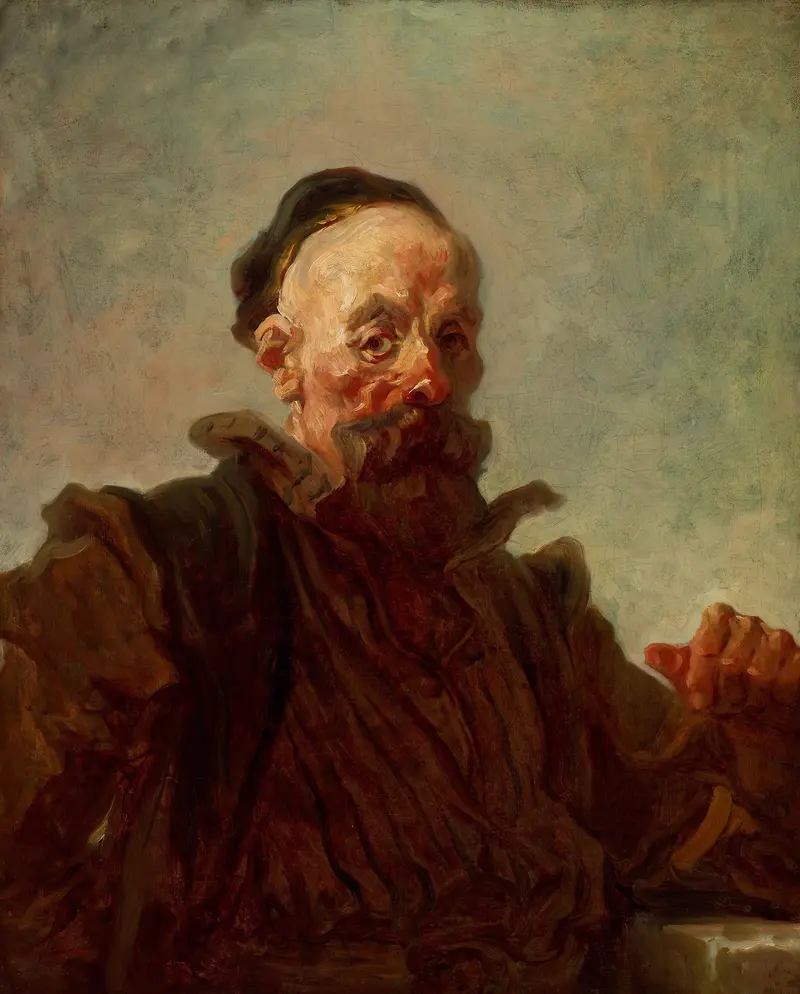
Portrait of a Man in Costume
Jean-Honoré Fragonard
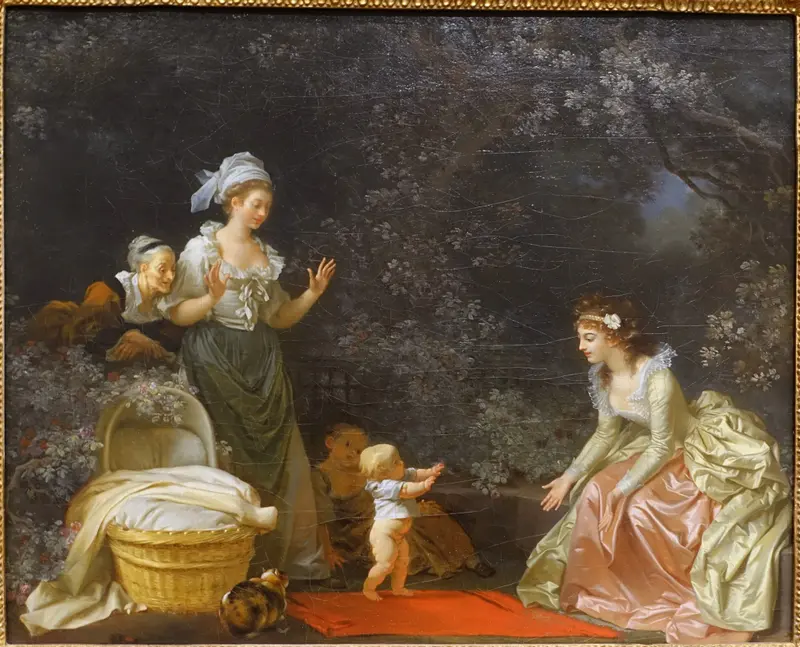
The First Steps
Jean-Honoré Fragonard





