
Sunset, Tombs Near Cairo — History & Facts
What first draws the eye in Sunset, Tombs Near Cairo is the way light clings to the ruined stone, as if the day’s last warmth is reluctant to leave these ancient blocks. The figures, scattered along the tombs and beneath the tall, wind-bent trees, are not the main actors but rather witnesses to the vast, open silence that stretches behind them. The painter’s brushwork is thick and urgent, especially in the sky and the sunlit surfaces, blurring the edges of forms and letting the landscape’s mood bleed into every corner.
The horizon is set low, giving the sky a commanding presence, while the figures—small, almost spectral—suggest a fleeting human presence in a world shaped by older, larger forces. This painting belongs to the 19th-century fascination with the “Orient”—a genre that drew European artists to North Africa and the Middle East in search of dramatic light, ancient ruins, and scenes that promised both history and mystery. Such works were often collected by travelers or those eager to display a sense of worldliness and taste for the exotic. Here, the documented reversal of composition from an earlier Decamps painting, along with the thick impasto and ambiguous forms, has led scholars to suspect this is not an original but a clever forgery—one of several known to have circulated in the artist’s wake.
The painting’s uncertain authorship only adds to its intrigue, inviting viewers to linger over every brushstroke and wonder at the hands, both real and imagined, that shaped this vision of Cairo at sunset.
More Artworks by Alexandre-Gabriel Decamps

Still Life with Herring, Bread, and Cheese
Alexandre-Gabriel Decamps
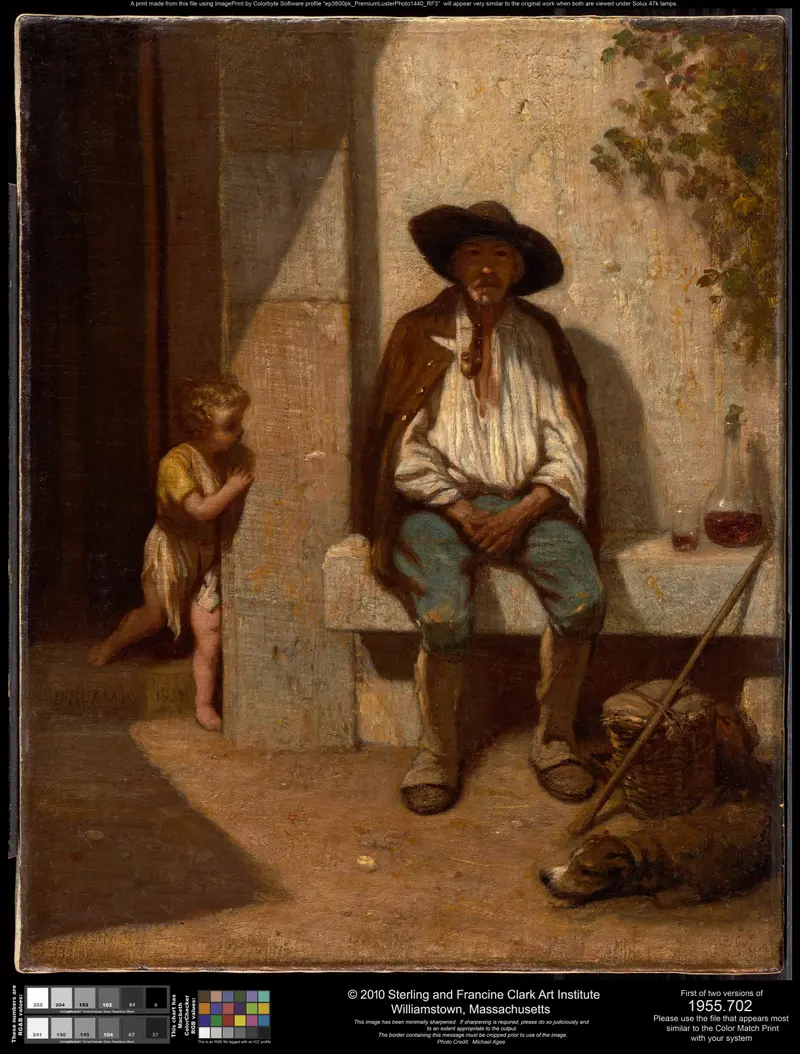
Italian Peasant
Alexandre-Gabriel Decamps
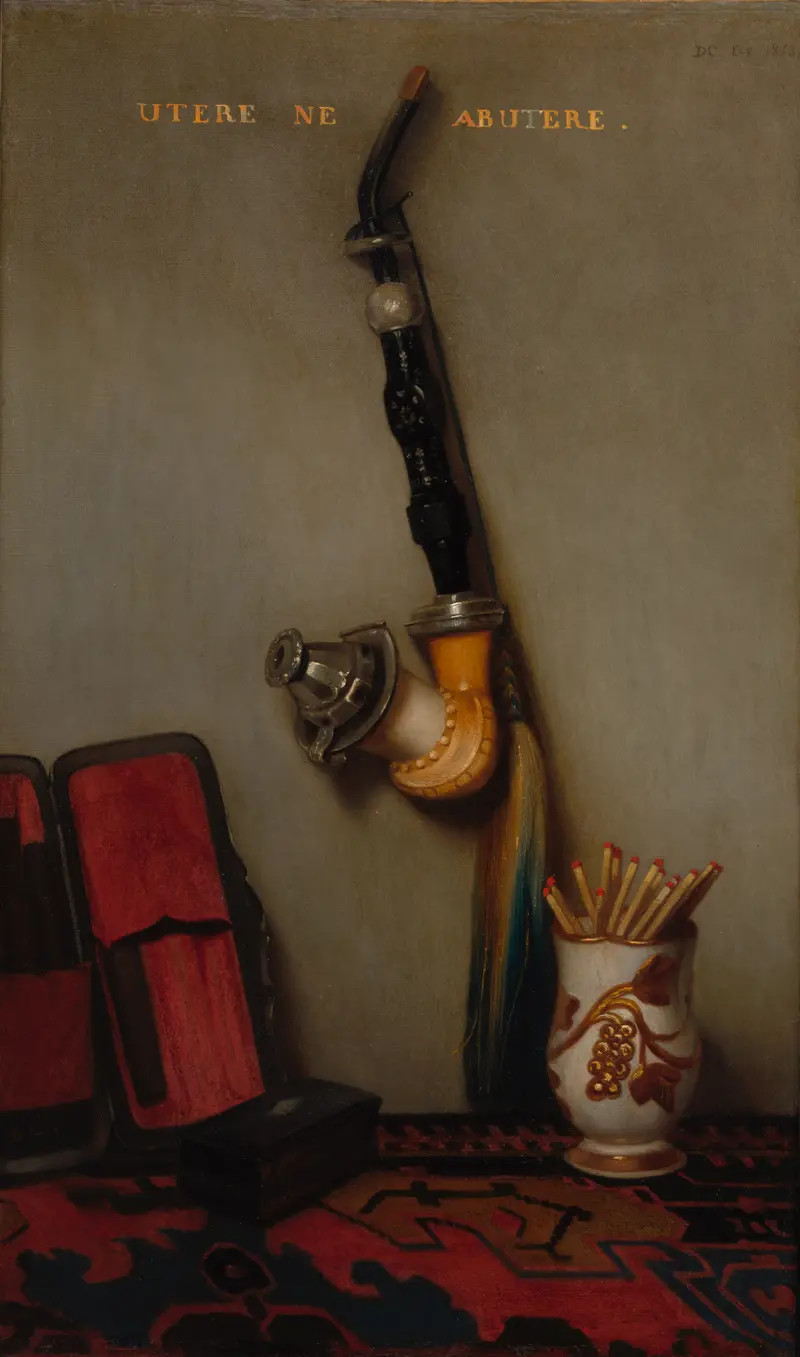
Still Life with Pipe and Matches
Alexandre-Gabriel Decamps
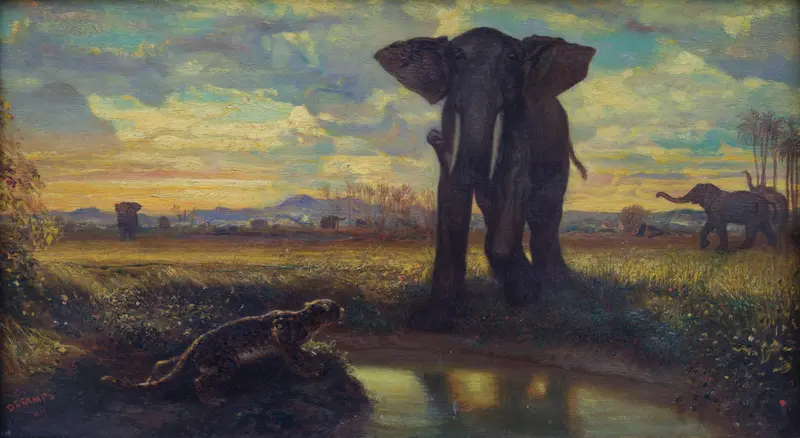
Tigre et éléphant à la source Musée du Louvre Peintures RF
Alexandre-Gabriel Decamps
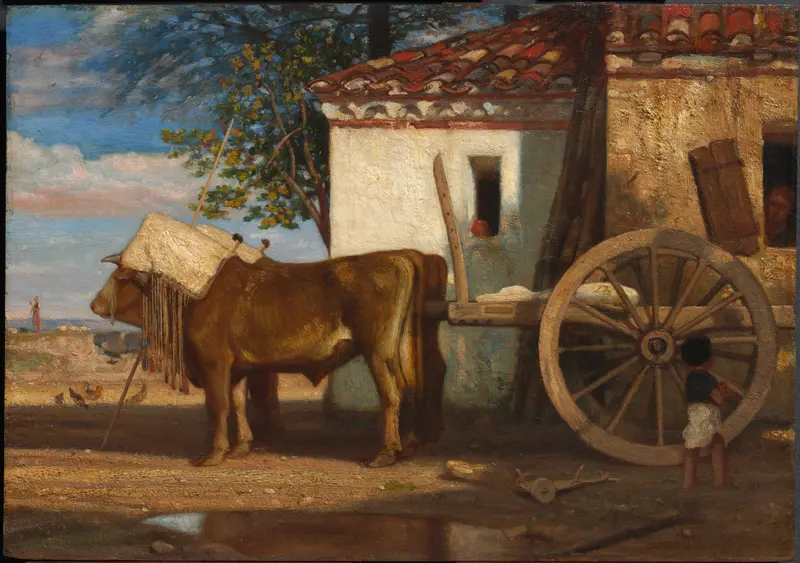
Oxen before a Farmhouse at Le Verrier
Alexandre-Gabriel Decamps
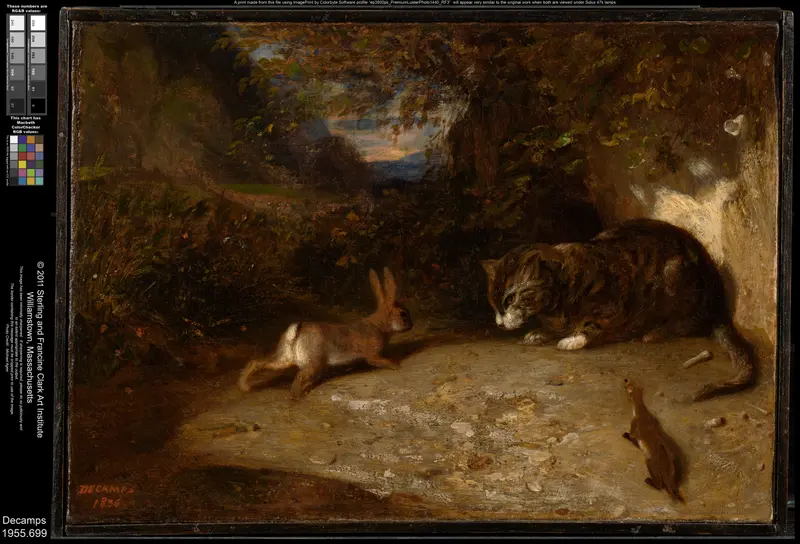
Cat, Weasel, and Rabbit
Alexandre-Gabriel Decamps
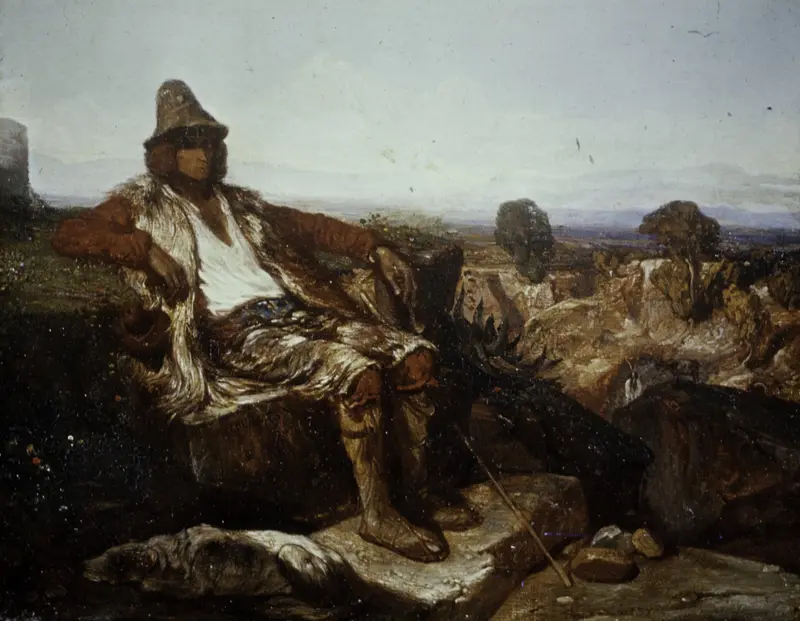
Goatherd of the Abruzzi
Alexandre-Gabriel Decamps
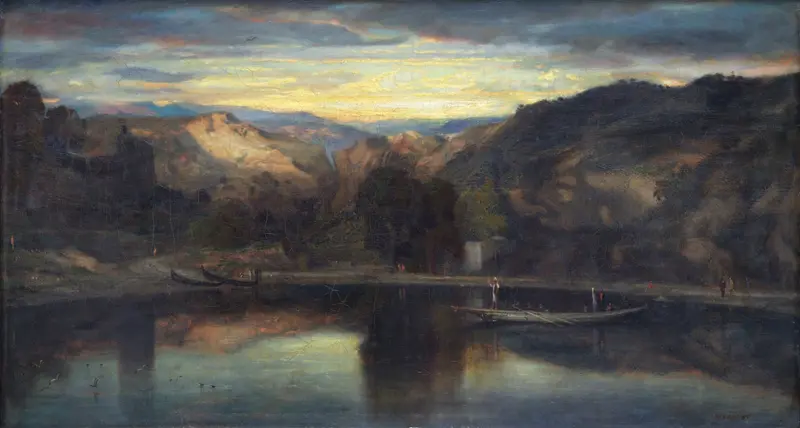
Jésus sur le lac de Génésareth Musée du Louvre Peintures RF
Alexandre-Gabriel Decamps

Espagnols jouant aux cartes Musée du Louvre Peintures RF
Alexandre-Gabriel Decamps
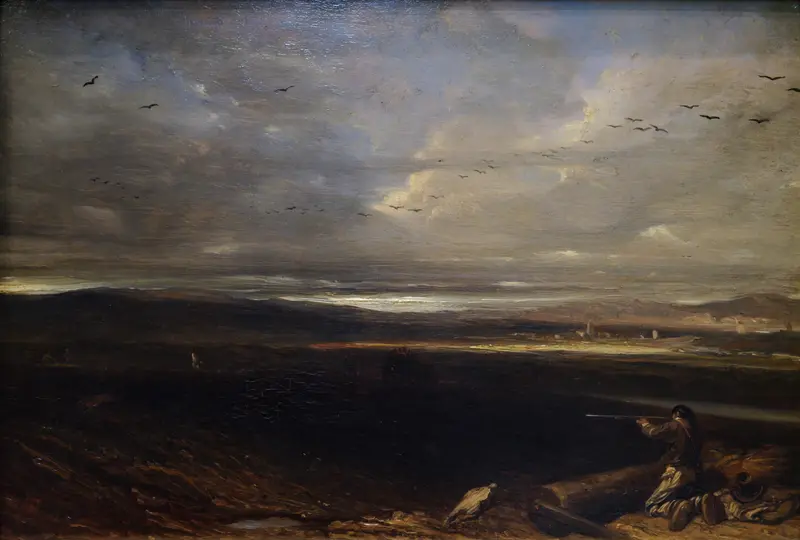
La battue en plaine Musée du Louvre Peintures RF
Alexandre-Gabriel Decamps
More Landscape Art

The Starry Night
Vincent van Gogh

View of Delft
Johannes Vermeer

Water Lilies
Claude Monet

The Grand Canal, Venice, looking north-west from the Ca' Corner to the Ca' Contarini degli Scrigni, with the campanile of Santa Maria della Carità
Canaletto

Windsor Castle
Canaletto

The Grand Canal looking North-East from the Palazzo Dolfin-Manin to the Rialto Bridge
Canaletto