
Tavola Doria — History & Facts
No painting by Leonardo da Vinci has provoked more mystery than the Tavola Doria. For centuries, scholars have debated whether this battered panel is a surviving fragment of Leonardo’s lost mural, the Battle of Anghiari, once hailed as “the school of the world” by Giorgio Vasari. The original mural, commissioned in 1503 for Florence’s Palazzo Vecchio, vanished without a trace, leaving behind only copies, studies, and this enigmatic panel, whose authorship and purpose remain fiercely contested. The scene bursts with the chaos of war: armored riders clash in a tangle of rearing horses and straining bodies, their faces twisted in the heat of battle.
Leonardo has chosen the most violent instant of the Battle of Anghiari (29 June 1440), when Florentine and Milanese forces fought for control of a standard. The central horsemen grapple for the banner, their gestures tense and urgent, while the swirling manes and flaring nostrils of the horses echo the fury of the fight. Unlike Rubens’ later copy, which smooths the violence into grand spectacle, the Tavola Doria is raw and immediate—every muscle and vein rendered with Leonardo’s obsessive study of anatomy. The Tavola Doria’s own journey has been nearly as dramatic as the battle it depicts.
Its early history is murky; some believe it was painted by Leonardo himself as a preparatory panel, others see the hand of a close follower. The work surfaced in the Doria family collections in Genoa, disappeared during the Napoleonic era, and only reemerged in the 20th century, sparking renewed debates about its origins. Today, it is held by the Uffizi Gallery, a rare and battered survivor of a lost masterpiece, and a testament to the enduring fascination with Leonardo’s restless invention.
More Artworks by Leonardo da Vinci

Sheet of Studies
Leonardo da Vinci
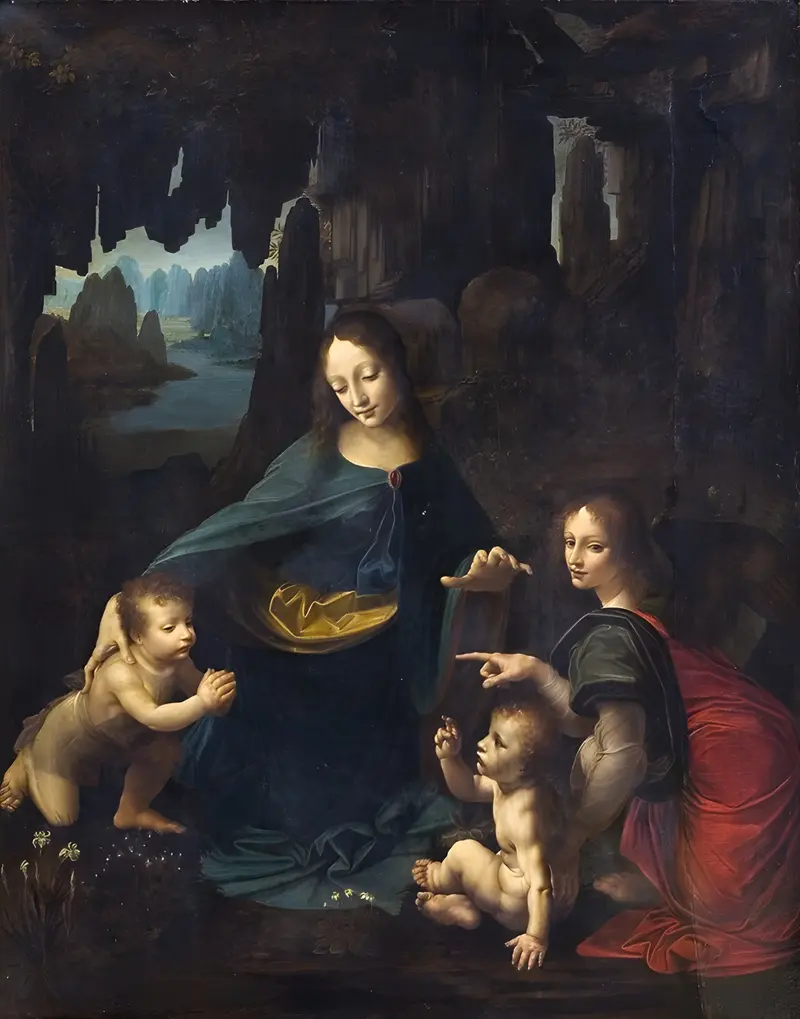
The Virgin of the Rocks
Leonardo da Vinci
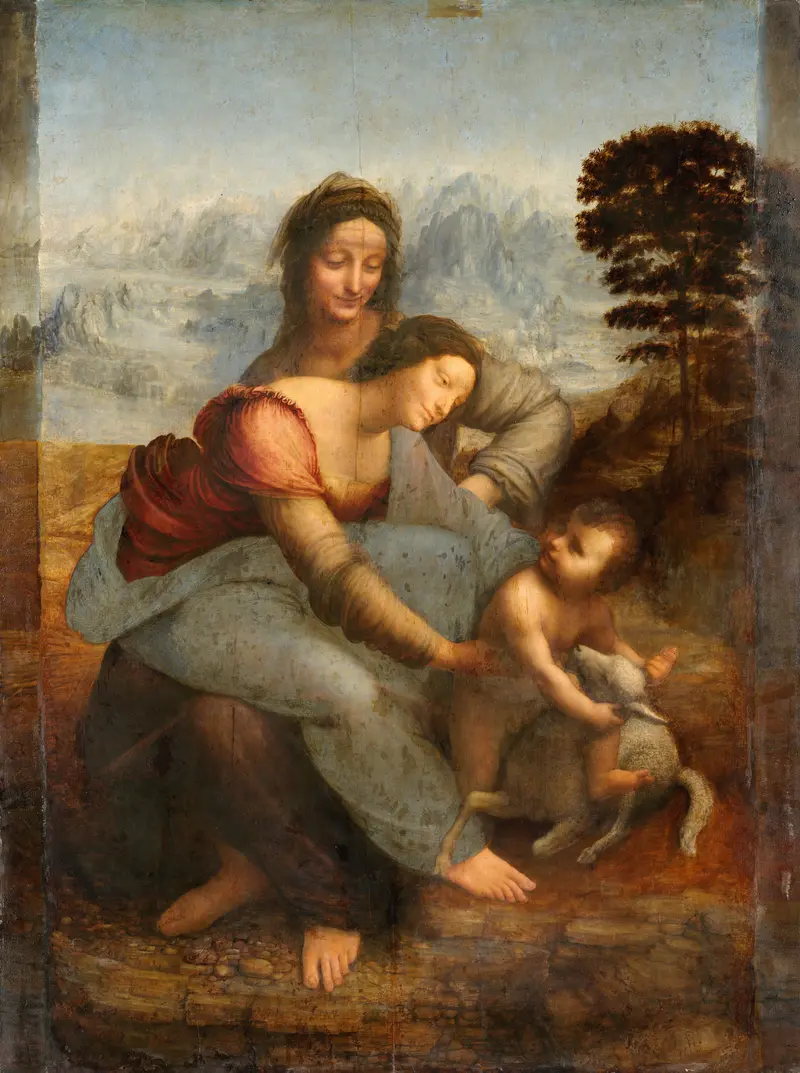
The Virgin and Child with St. Anne
Leonardo da Vinci
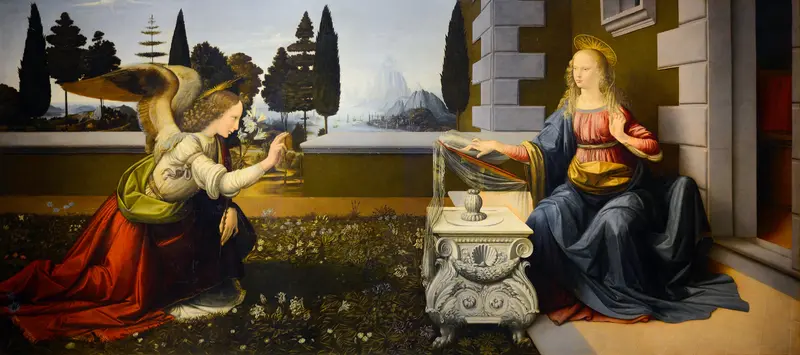
Annunciation
Leonardo da Vinci
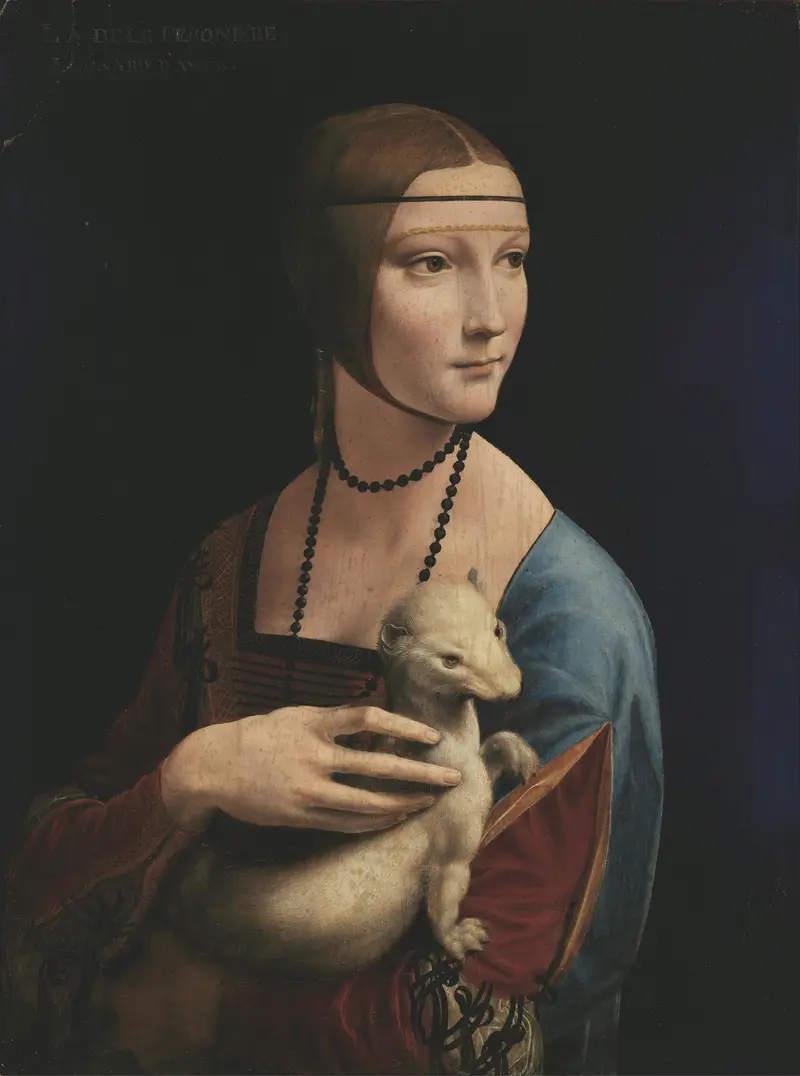
Lady with an Ermine
Leonardo da Vinci
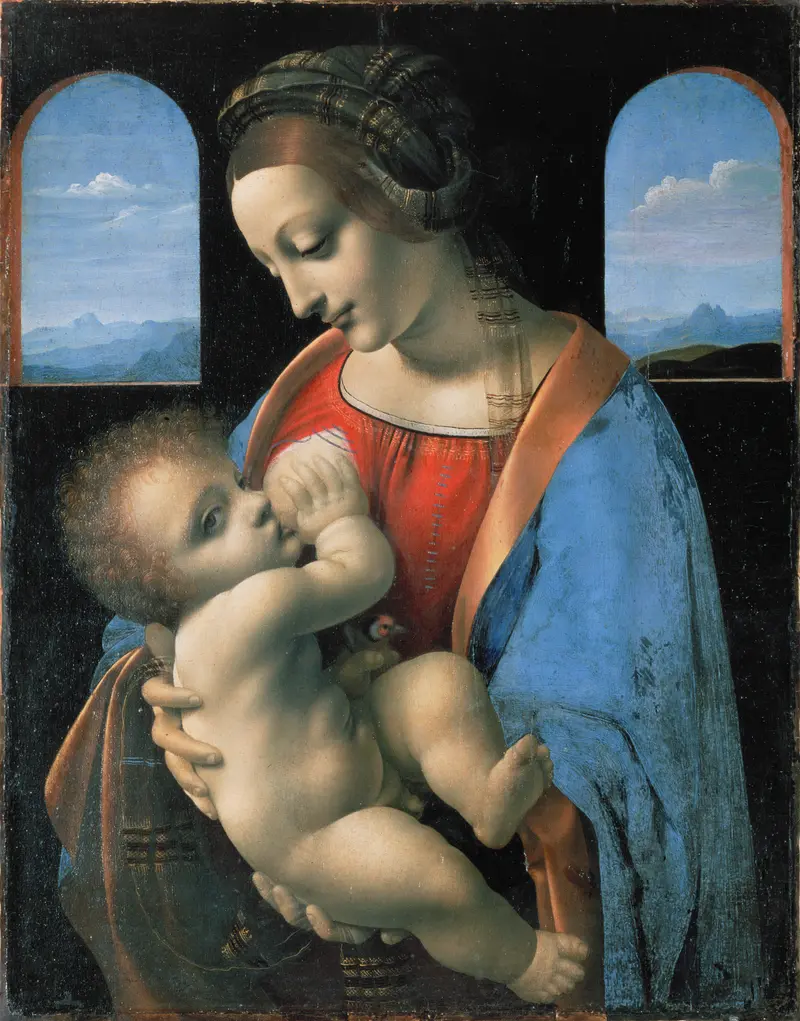
Madonna Litta
Leonardo da Vinci
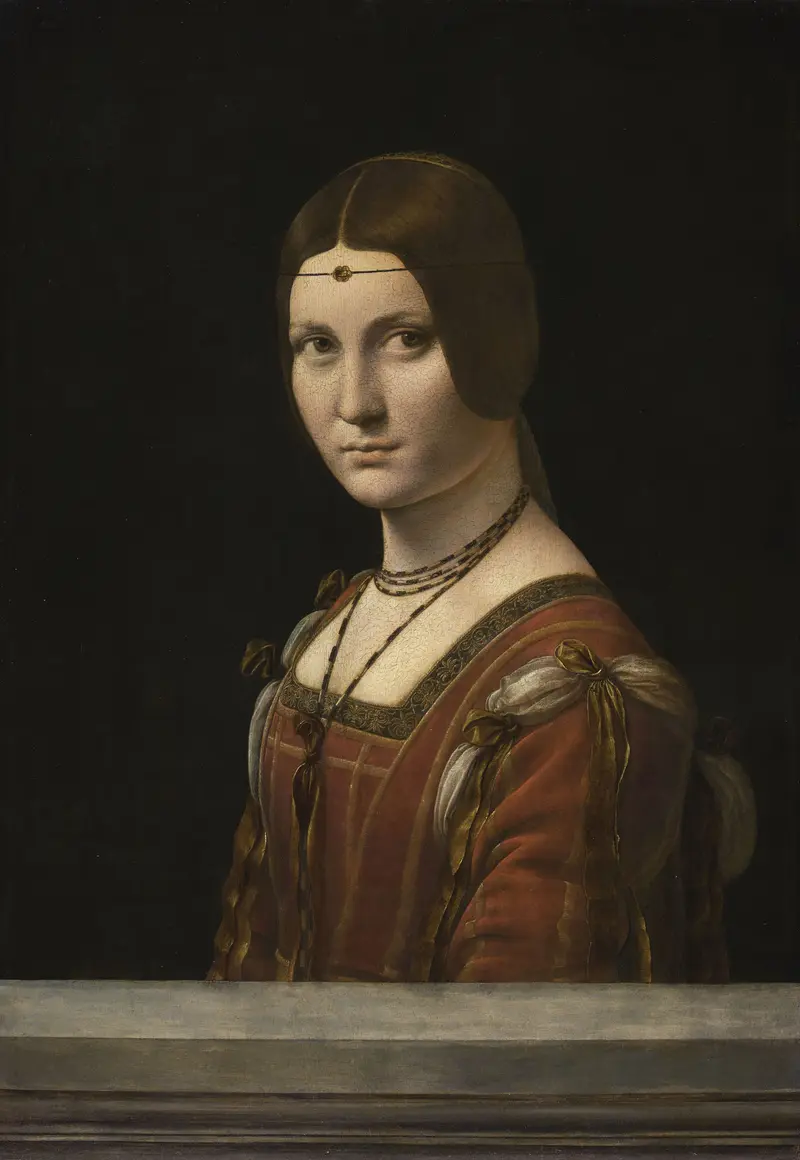
La Belle Ferronnière
Leonardo da Vinci
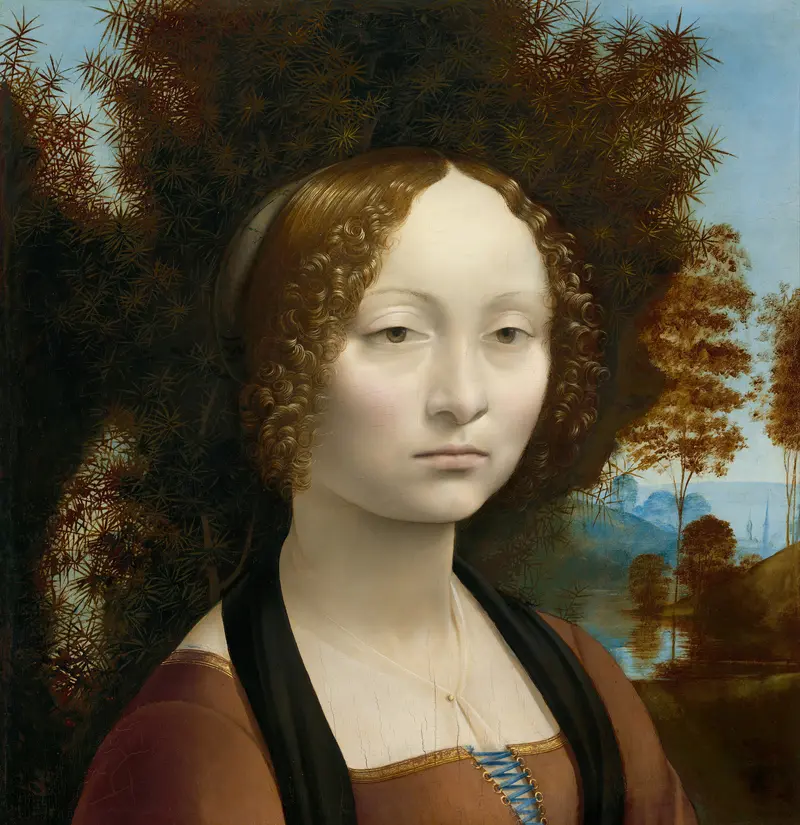
Ginevra de' Benci
Leonardo da Vinci
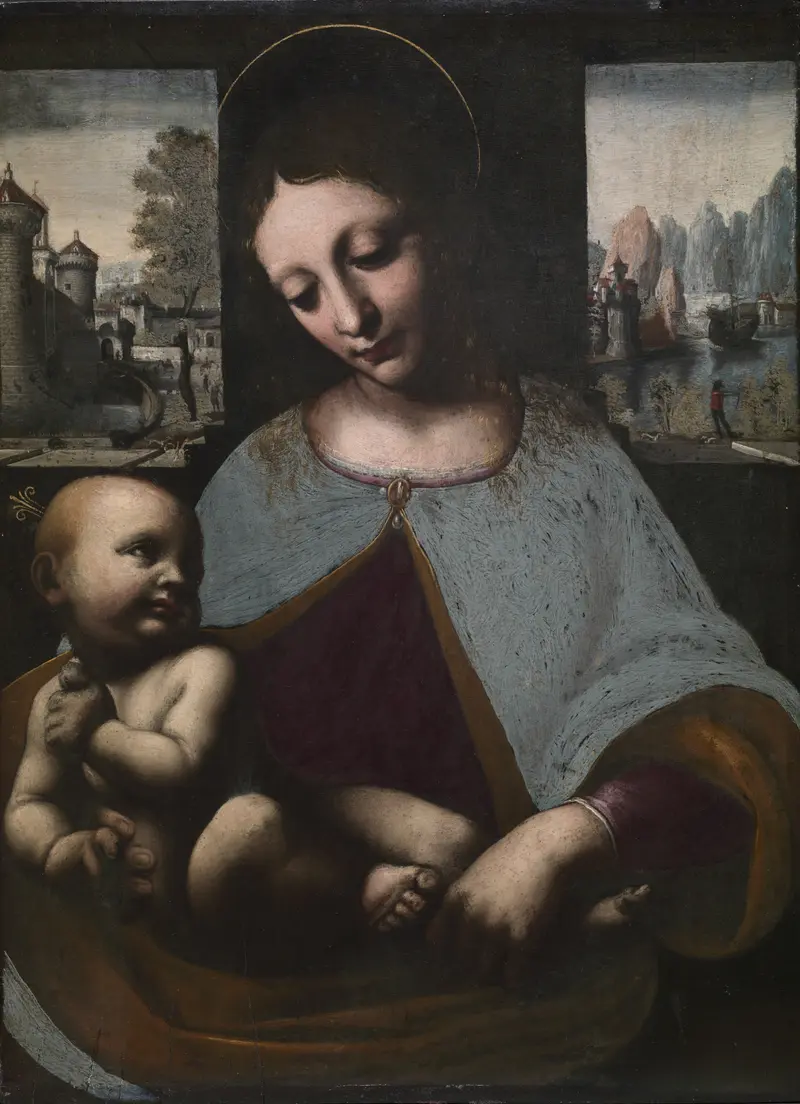
Virgin and Child
Leonardo da Vinci

Head of an Old Man, and Studies of Machinery
Leonardo da Vinci





