
The Abduction of Ganymede — History & Facts
No fewer than four versions of the story of Ganymede’s abduction are known to have been painted by Correggio, but none has stirred as much debate as this one, whose date and original patron remain a mystery. The painting’s fame rests not only on its subject—the beautiful youth carried off by Zeus in the form of an eagle—but also on the way Correggio’s vision set the standard for later treatments of mythological rapture. When it entered the Este collection in Modena, it was already considered a touchstone for artists seeking to capture movement and sensuality in paint. At the heart of the picture, Ganymede is seized midair by a colossal eagle, wings unfurled, talons gripping the startled youth’s waist.
The moment is frozen: Ganymede’s limbs are splayed in alarm, his gaze turned skyward, while the eagle’s beak nuzzles close, a gesture both protective and possessive. The sky behind them churns with clouds, suggesting divine intervention and the violence of the act. The chain in Ganymede’s hand, a detail unique to Correggio’s vision, hints at the boy’s former earthly bondage, now replaced by the inescapable grasp of the gods.
Unlike Rembrandt’s later, more brutal version, Correggio chooses not terror but a strange, ambiguous grace. The painting’s early history is shrouded in uncertainty, but by the 17th century it was firmly in the hands of the Este dukes, who prized it as part of a famed series of mythological loves. Its journey through European collections was marked by admiration and, at times, confusion over its authorship—some early catalogues attributed it to Titian. Today, most scholars agree on Correggio’s hand, recognizing in its soft modelling and luminous color the hallmarks of his mature style.
The work now hangs in Vienna’s Kunsthistorisches Museum, a testament to both the enduring allure of myth and the restless invention of the High Renaissance.
More Artworks by Correggio
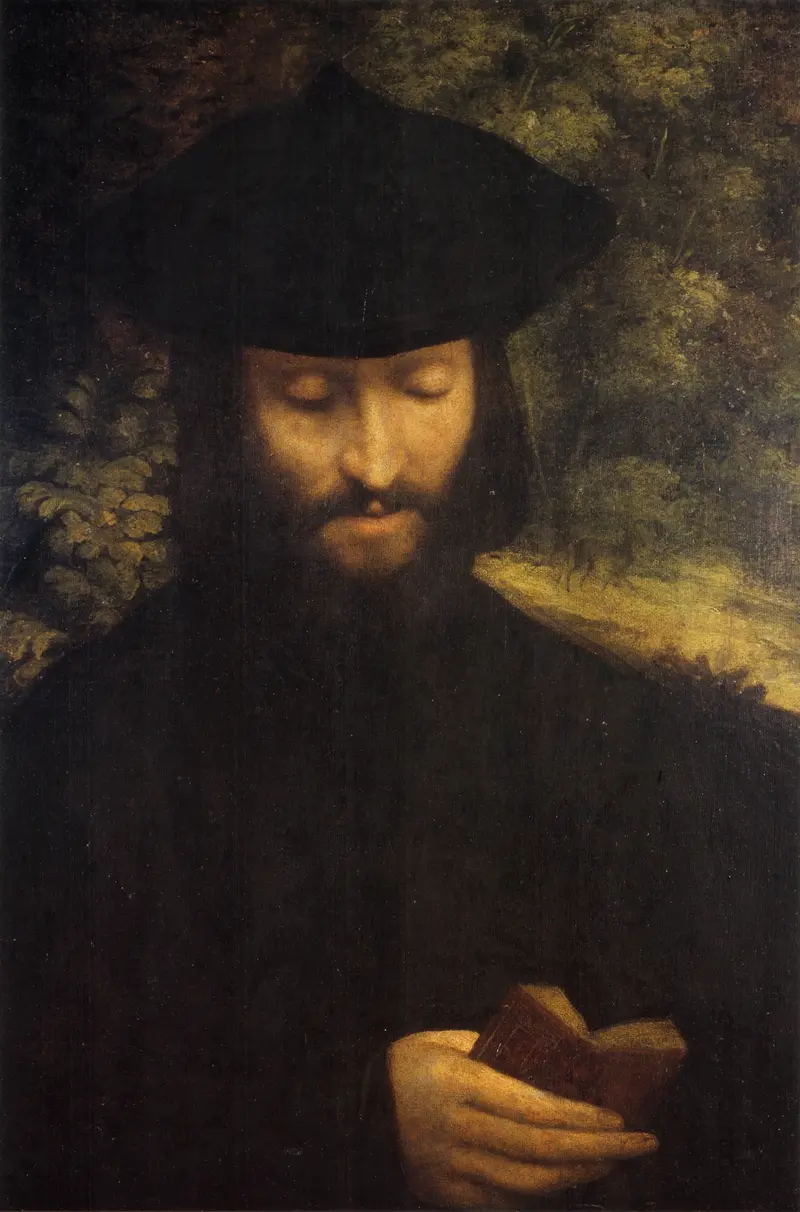
Portrait of a Man with a Book
Correggio

Holy Family with the Infant St. John
Correggio
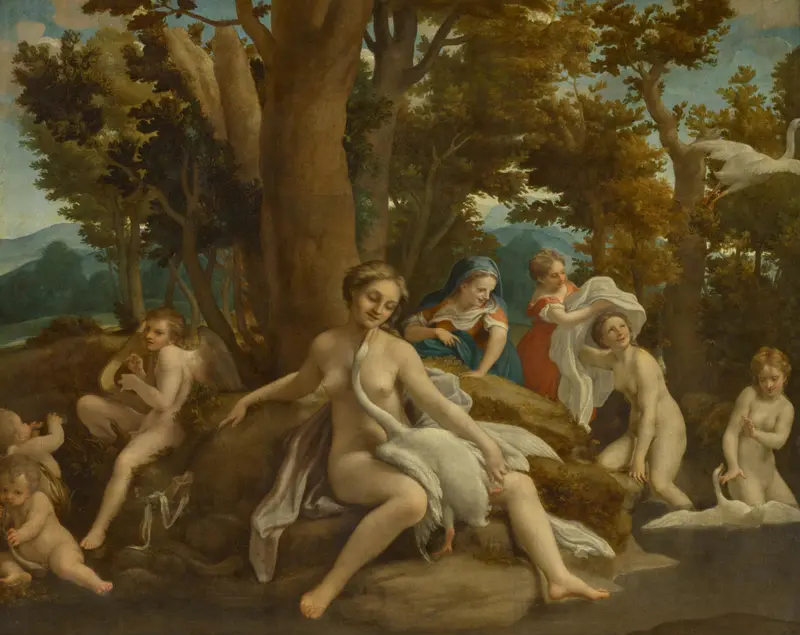
Leda and the Swan
Correggio

Madonna and Child with the Infant Saint John the Baptist
Correggio
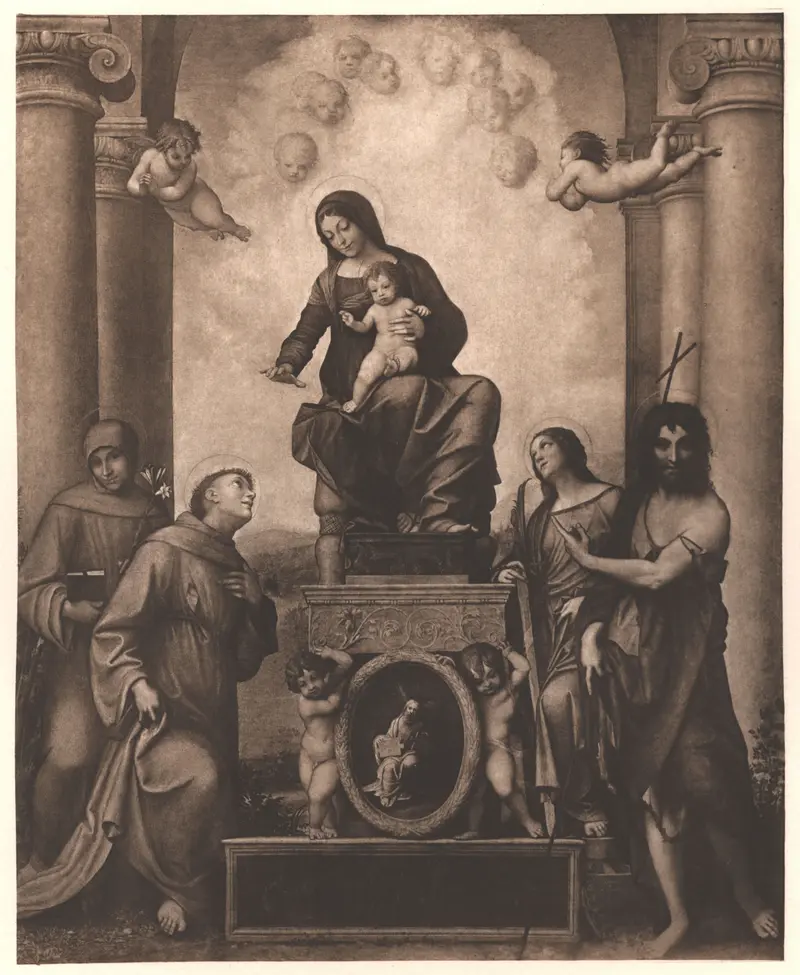
Madonna with St. Francis
Correggio
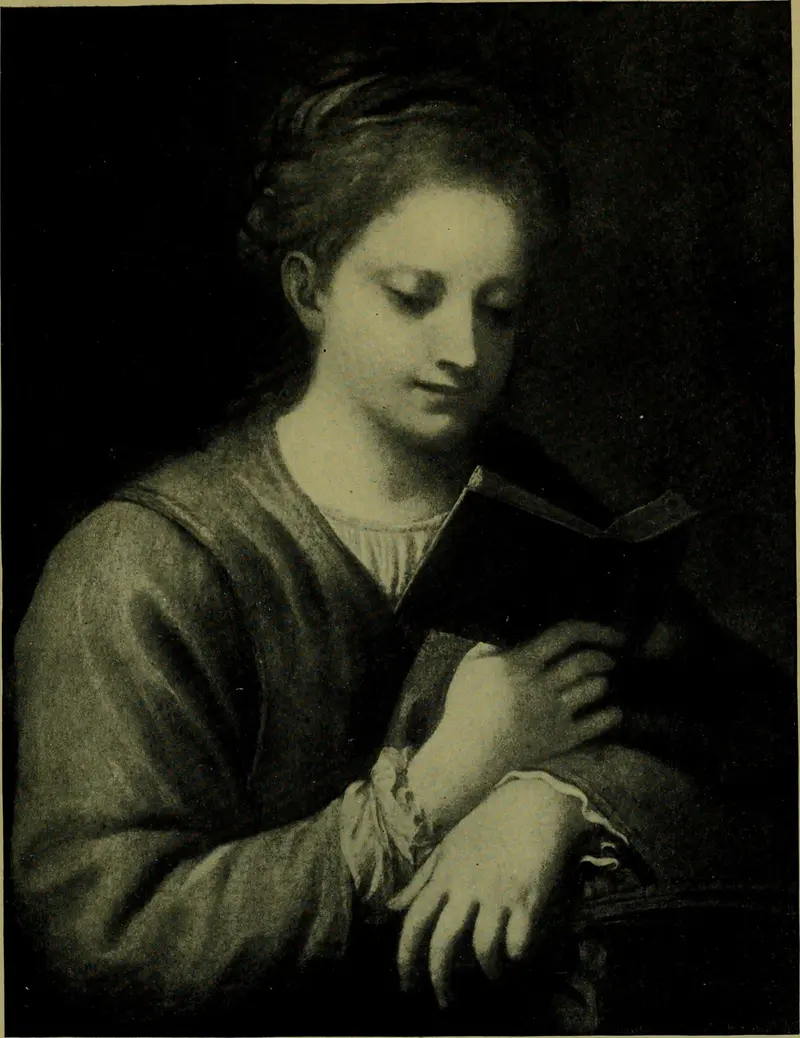
Saint Catherine Reading
Correggio

The Holy Night
Correggio
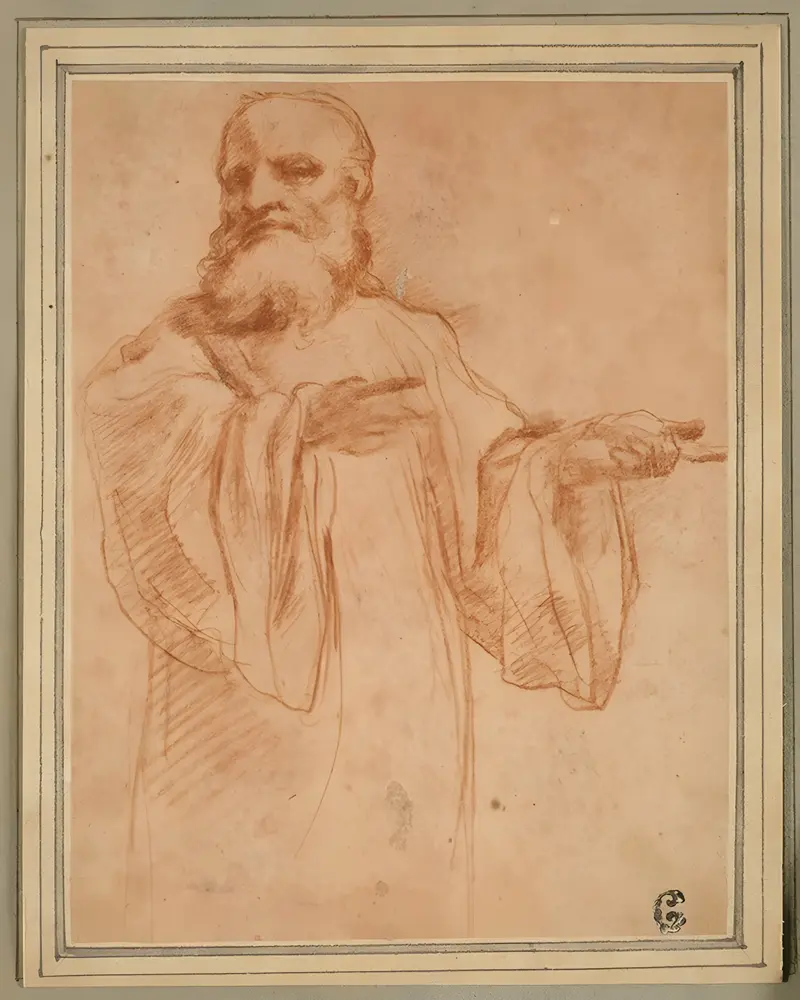
St. Benedict Gesturing to the Left; Study for the Coronation of the Virgin
Correggio
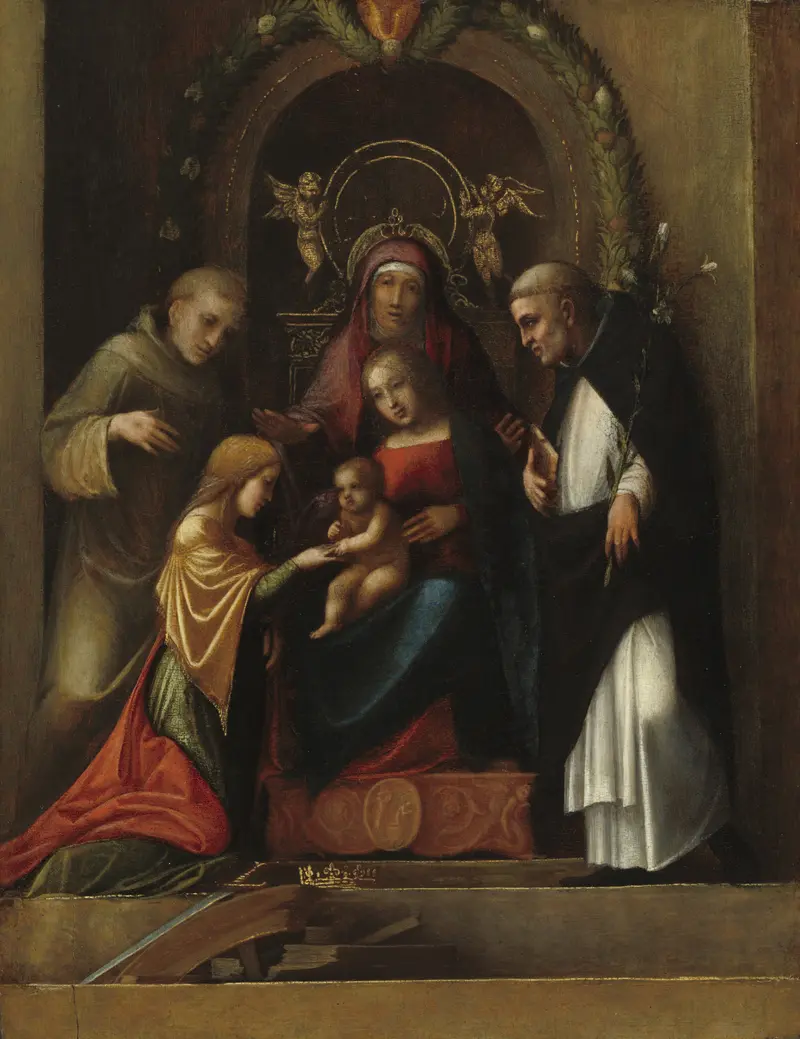
The Mystic Marriage of Saint Catherine
Correggio
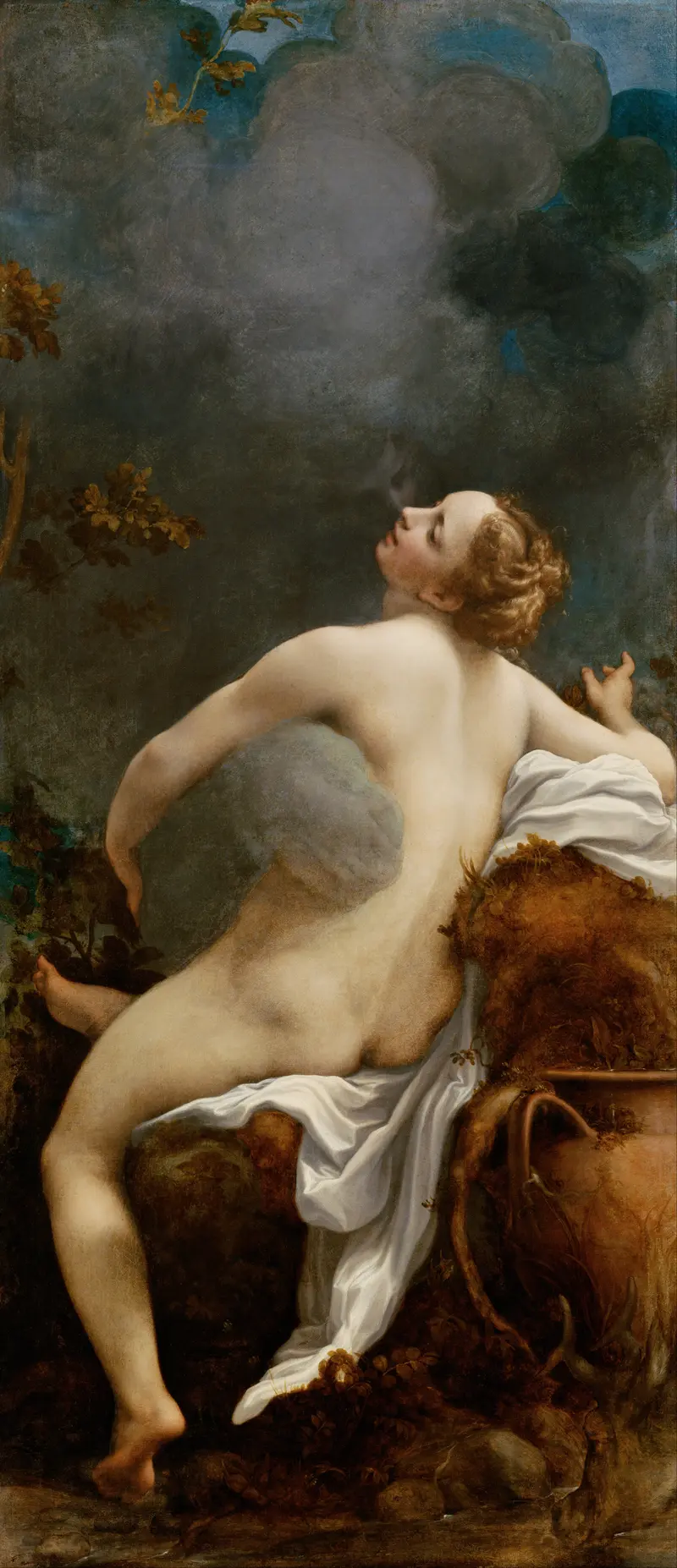
Jupiter and Io
Correggio





