
The Beggars of Burgos — History & Facts
When Gustave Doré first exhibited The Beggars of Burgos in 1875, critics were struck by the unflinching realism with which he portrayed Spanish poverty—a subject he had encountered firsthand during his travels across Spain in the early 1870s. Doré’s journey resulted in a celebrated illustrated volume, but this painting stands apart for its somber, monumental approach. The work’s debut coincided with a growing European fascination with social issues, and Doré’s depiction of destitution was both praised and criticized for its directness.
The painting’s reception echoed debates about art’s role in social reform, with some contemporaries arguing that Doré’s beggars were "too real, too close for comfort." At the heart of The Beggars of Burgos is a group of ragged figures huddled together on the dusty outskirts of the Castilian city. Doré chooses a moment of uneasy rest: the adults’ weary faces are turned toward the viewer, while children cling to their mothers or doze on the ground. The battered crutches, tattered blankets, and empty bowls are not just props but stark signals of deprivation.
A shaft of pale light, falling across the group, isolates them from the distant city walls—emphasizing their exclusion. Unlike the romanticized beggars of Murillo, Doré’s figures are stripped of sentimentality; their dignity lies in endurance, not idealization. The exact medium of The Beggars of Burgos remains uncertain—some sources suggest oil, others watercolor or mixed technique, reflecting Doré’s versatility as both painter and illustrator. The painting’s early history is not well documented, but it is believed to have circulated among private collectors before entering a public collection in the late 19th or early 20th century.
Today, it stands as a testament to Doré’s brief but intense engagement with Spanish themes, a period that deeply influenced his later work. Unlike his more famous engravings, this painting reveals Doré’s commitment to confronting the realities of his time, and its continued display invites viewers to grapple with the social questions he raised.
More Artworks by Gustave Doré

The Deluge
Gustave Doré
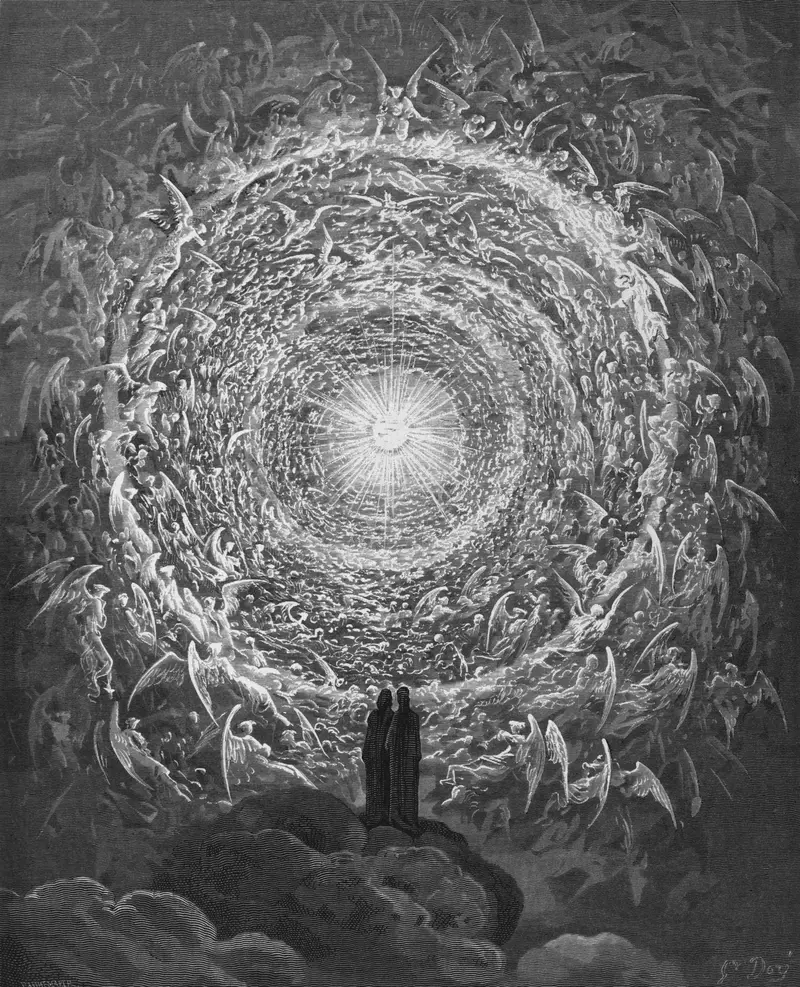
The Empyrean (Paradiso, Canto 31)
Gustave Doré
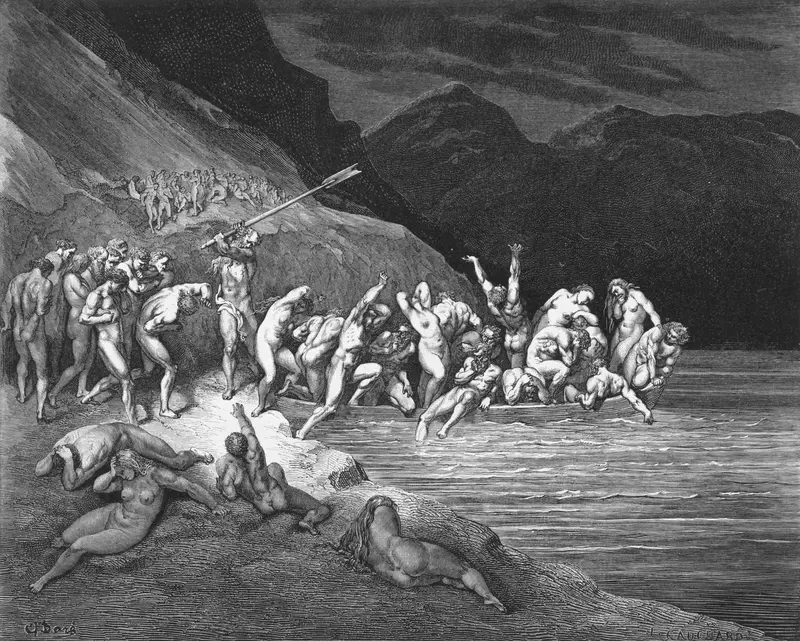
Charon (Inferno, Canto 3)
Gustave Doré
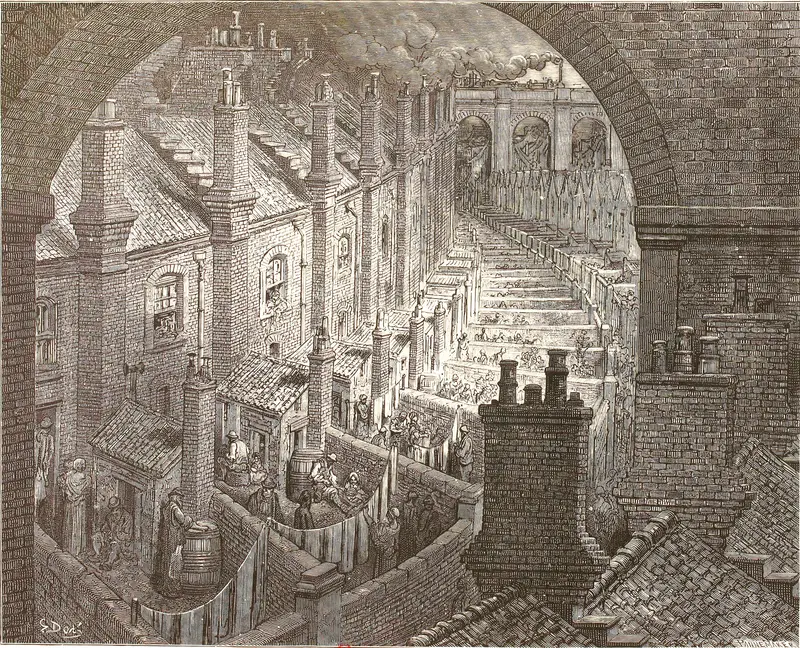
Over London by Rail
Gustave Doré
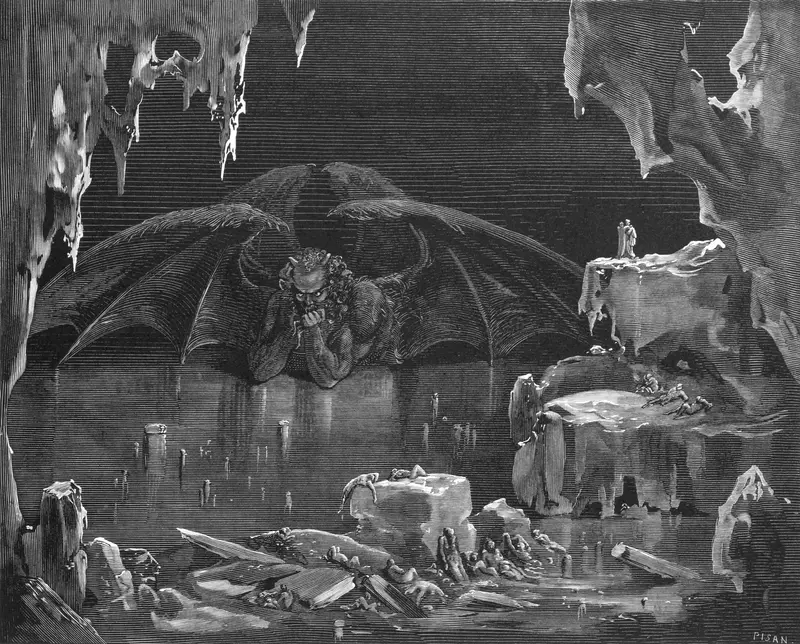
Lucifer, King of Hell
Gustave Doré
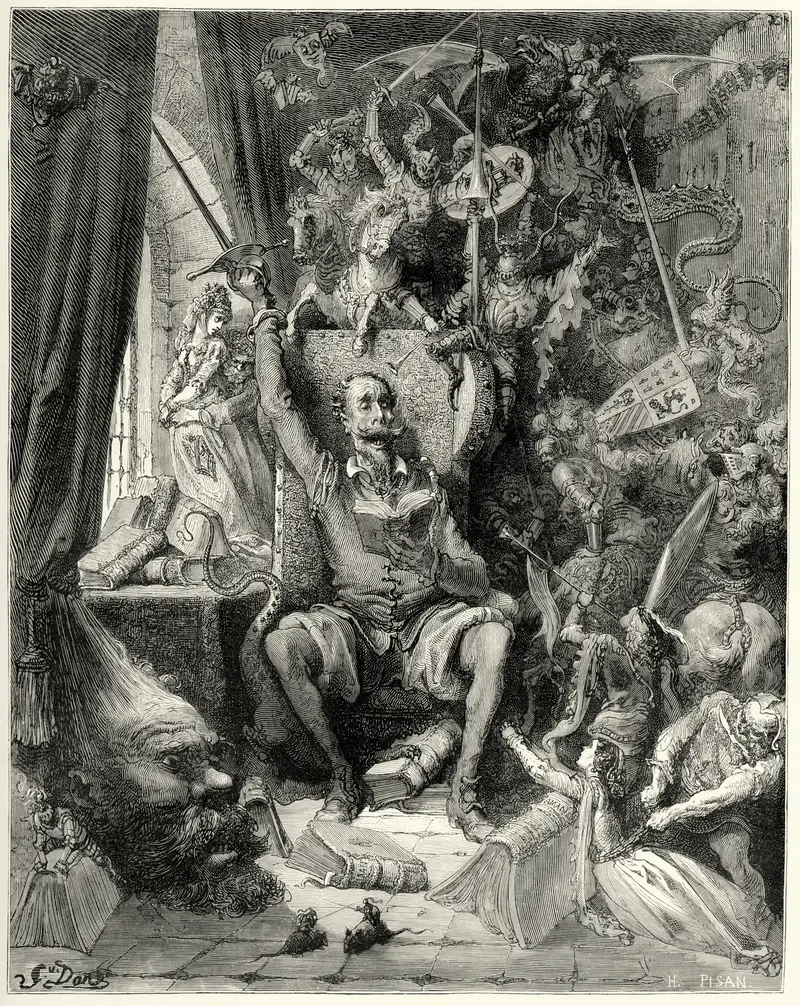
Don Quixote in His Library
Gustave Doré
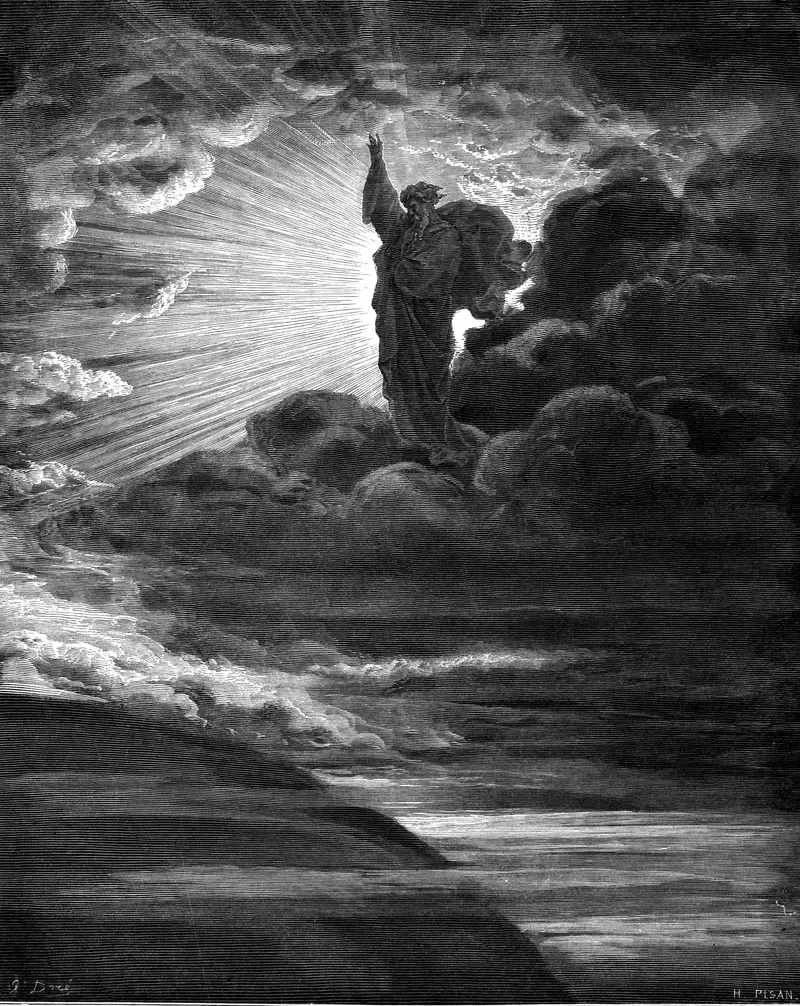
The Creation of Light
Gustave Doré
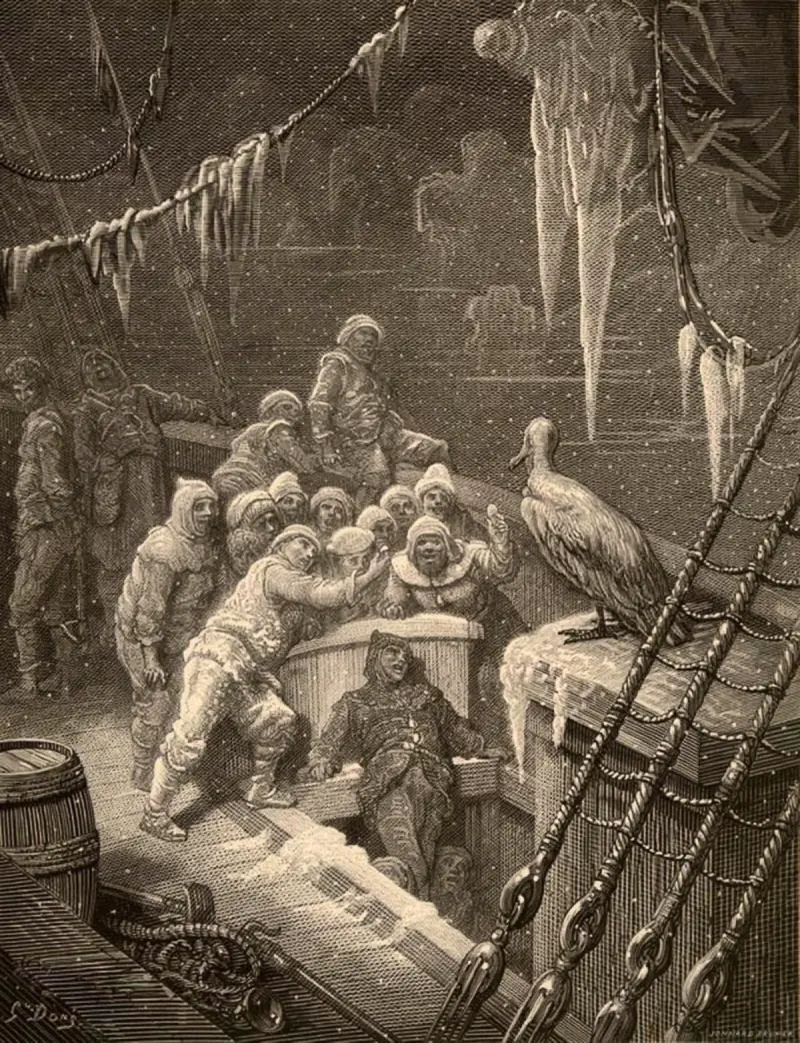
The Albatross (The Rime of the Ancient Mariner)
Gustave Doré
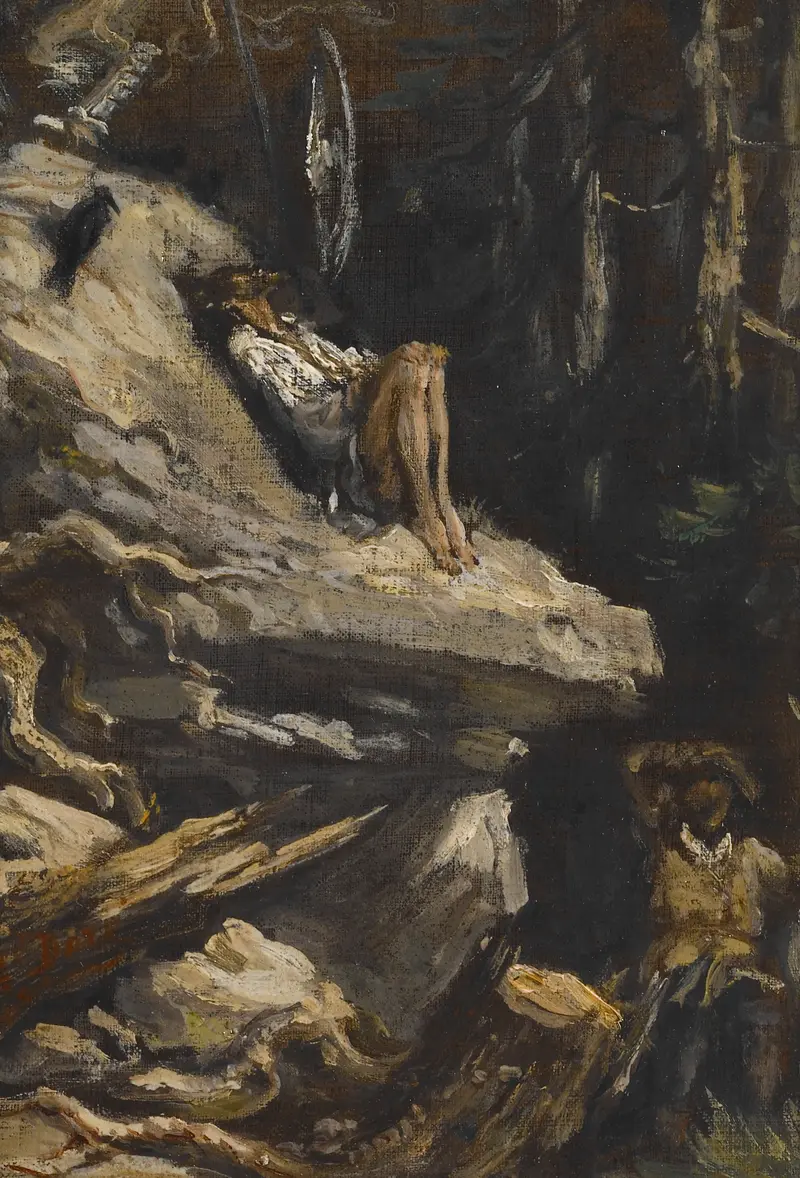
"'Alas!' answered Sancho, 'I found him in his shirt, lean, pale, and almost starved, sighing for his Lady Dulcinea'" from Don Quixote
Gustave Doré
Christ's Entry into Jerusalem
Gustave Doré
More Genre Scene Art

Banquet of the Officers of the St George Civic Guard
Frans Hals

Rembrandt and Saskia in the Scene of the Prodigal Son
Rembrandt van Rijn

Bal du moulin de la Galette
Pierre-Auguste Renoir

Quadrille at the Moulin Rouge
Henri de Toulouse-Lautrec

A Burial at Ornans
Gustave Courbet

When Will You Marry?
Paul Gauguin