
The Choristers — History & Facts
A chorus of unruly energy bursts from the shadows in The Choristers, where Alessandro Magnasco turns a simple rehearsal into a spectacle of movement and sound. The eye is drawn immediately to the oversized choirbook, its pages fanned open like wings, the center of a storm of gestures and glances. Each figure leans, twists, or gestures wildly—one chorister thrusts a baton skyward, another cranes his neck with comic intensity, while a third slumps in his chair, lost in the music or perhaps in his own thoughts.
The palette is restless, all quick strokes and earthy tones, lending the scene a sense of improvisation and chaos. Light pours in from the left, picking out faces and hands, but quickly dissolves into shadow, as if the music itself is chasing the daylight away. Works like this, painted around 1740, belong to a world where the boundaries between sacred ritual and everyday life were becoming porous. In eighteenth-century Italy, scenes of musicians and choristers were often commissioned by private patrons with a taste for the theatrical and the satirical, rather than by the Church itself.
Magnasco, known for his nervous brushwork and eccentric compositions, delighted in exposing the quirks of human behavior—his choristers are not idealized angels, but real men in all their distracted, animated, and occasionally ridiculous glory. The painting now resides in the National Gallery of Art, a vivid fragment of a time when music, architecture, and personality collided in the echoing spaces of Italian baroque interiors. Every glance, every raised hand in the painting invites the viewer to imagine the sound that fills this room.
More Artworks by Alessandro Magnasco

The Synagogue
Alessandro Magnasco
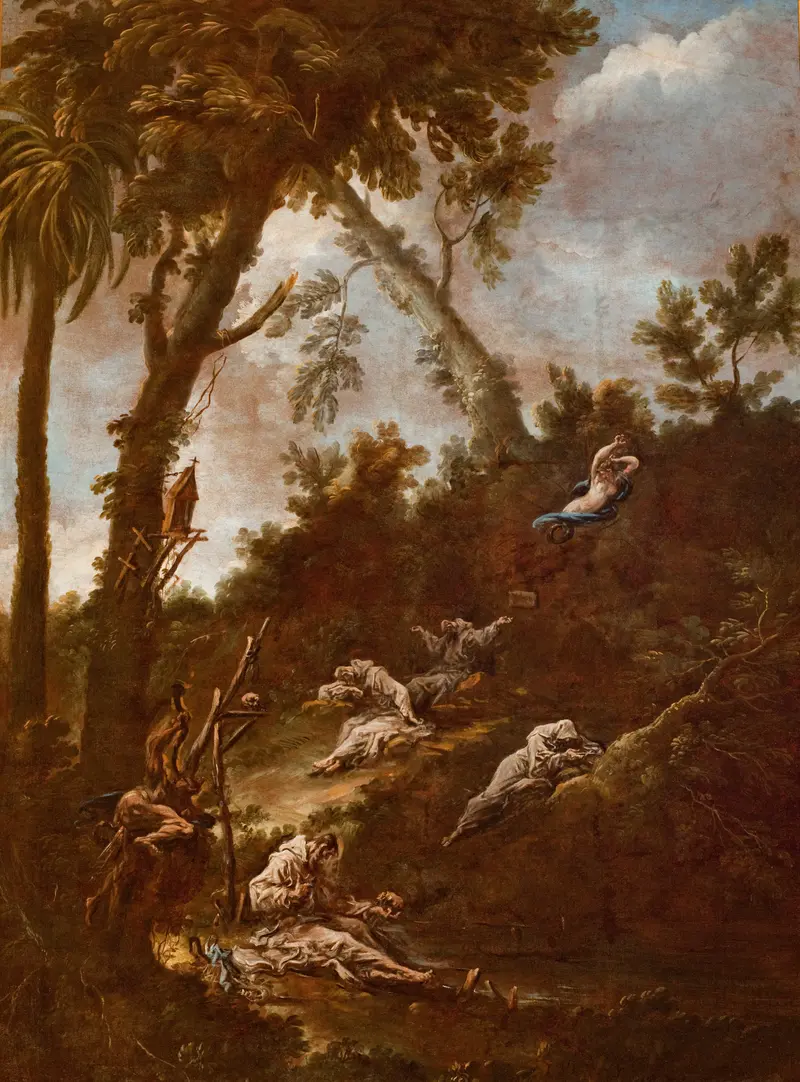
Hermits (Anachorets)
Alessandro Magnasco
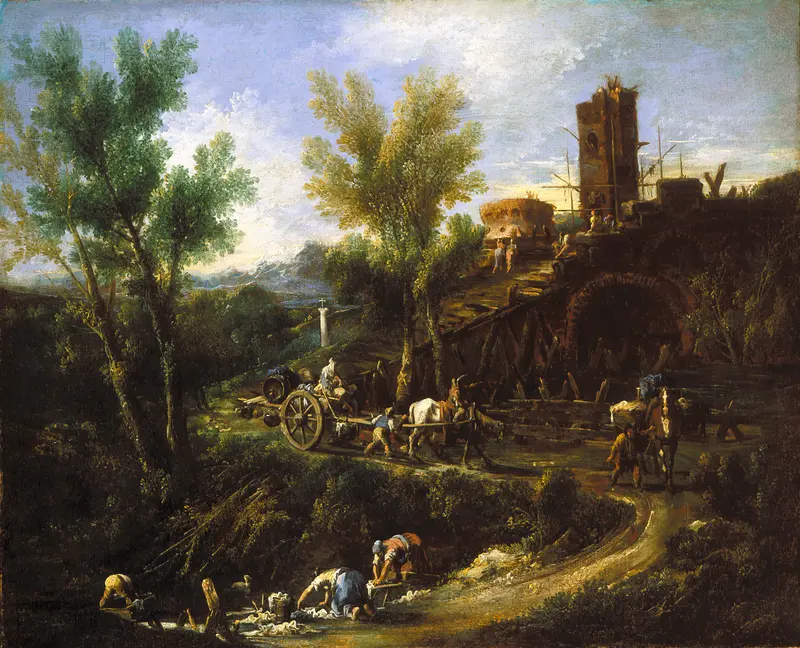
Landscape with Gypsies and Washerwomen
Alessandro Magnasco
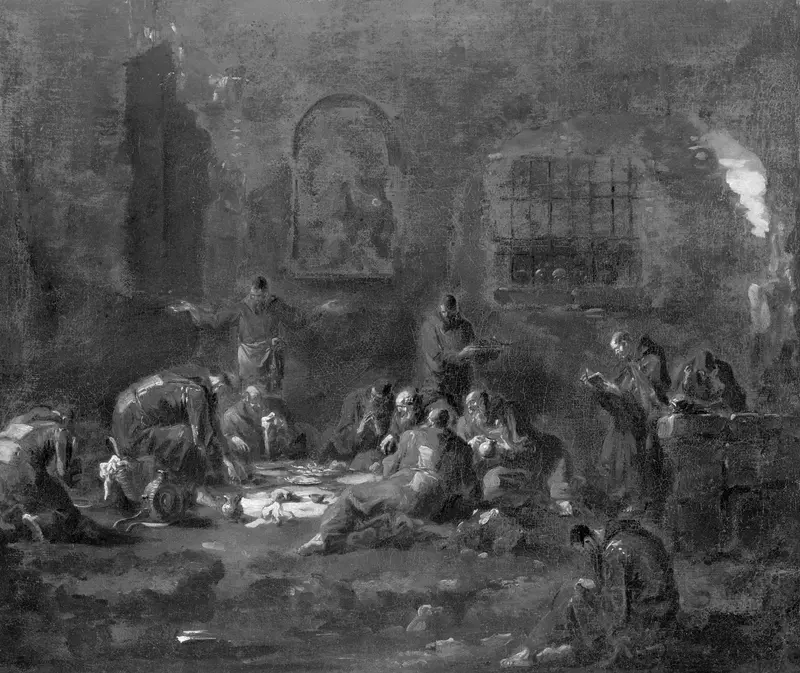
Monks at Supper
Alessandro Magnasco
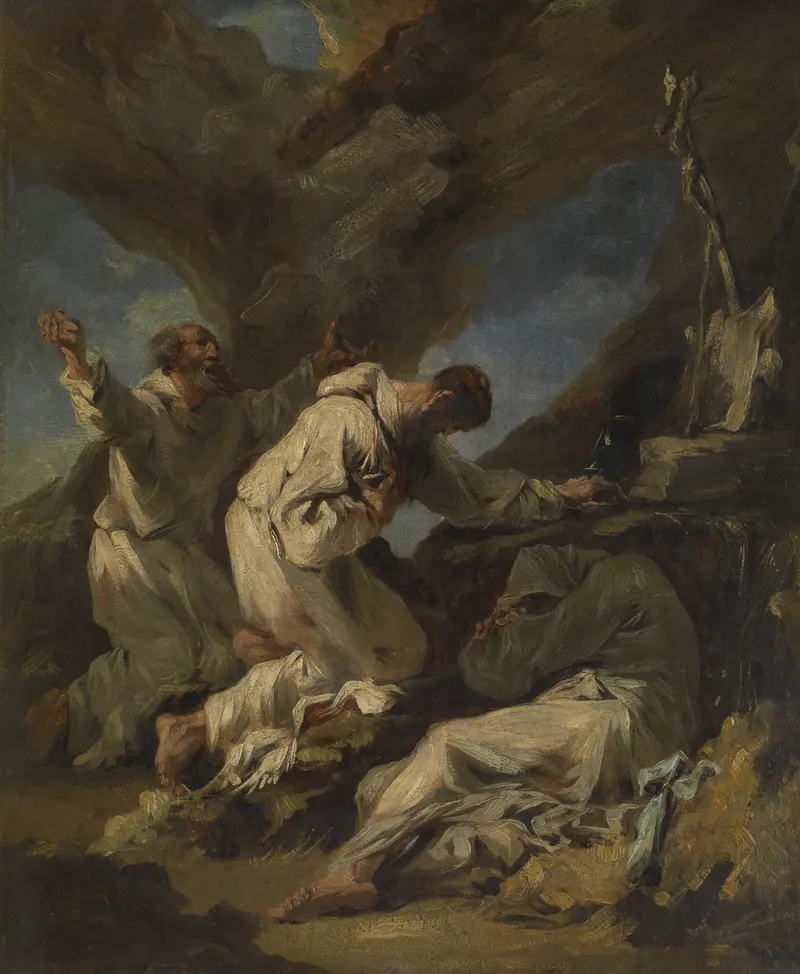
Praying Monks
Alessandro Magnasco
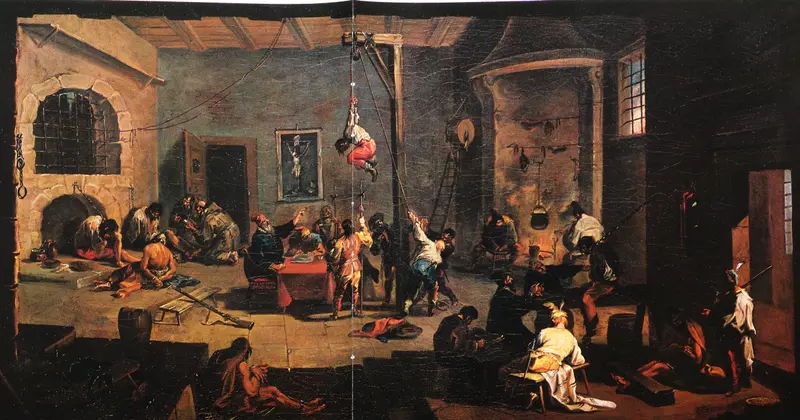
Torture Scene
Alessandro Magnasco
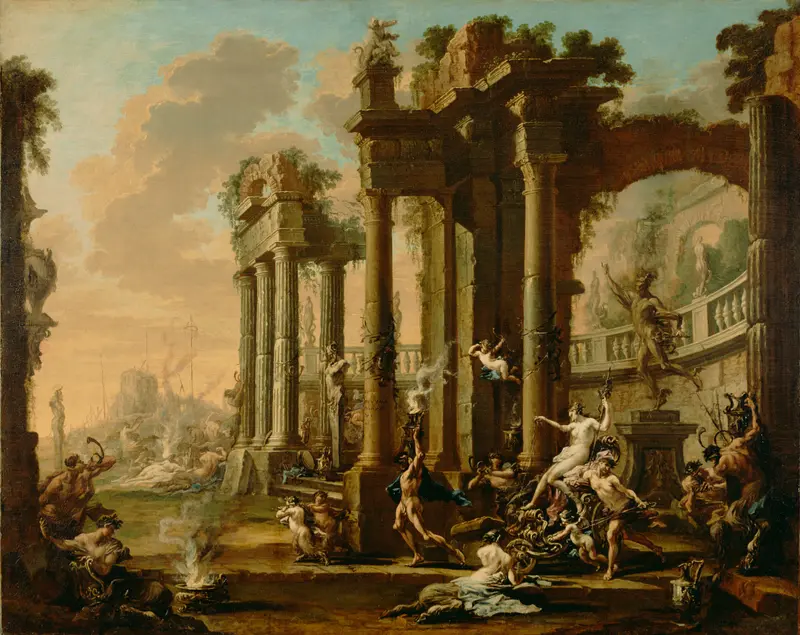
The Triumph of Venus
Alessandro Magnasco
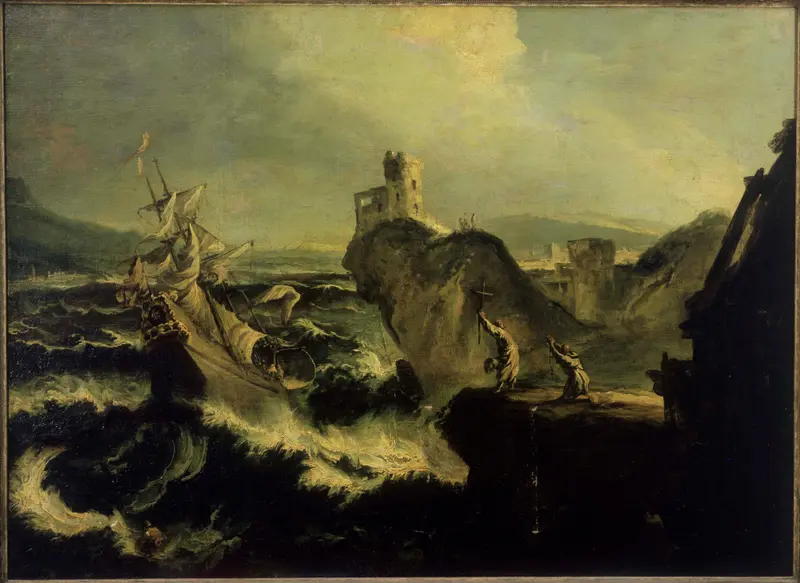
The Shipwreck
Alessandro Magnasco
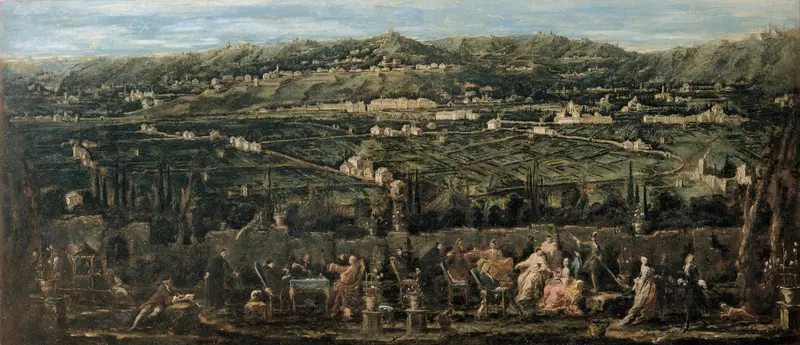
Garden Party in Albaro
Alessandro Magnasco
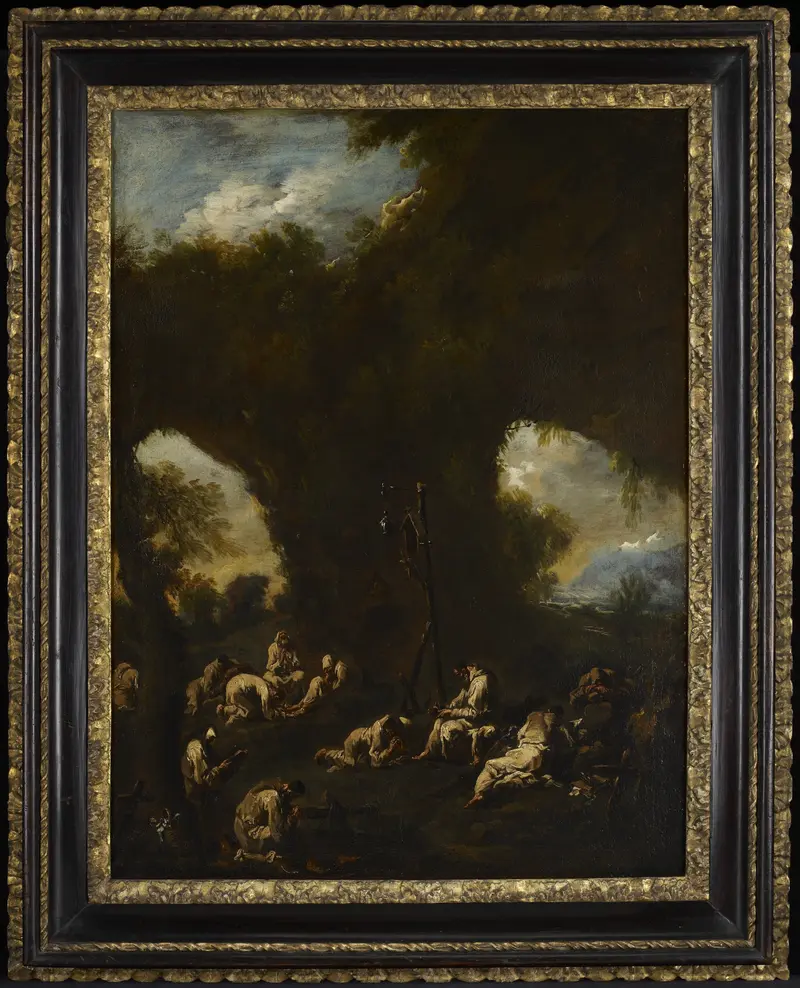
Monks Praying in a Grotto
Alessandro Magnasco
More Genre Scene Art

Banquet of the Officers of the St George Civic Guard
Frans Hals

Rembrandt and Saskia in the Scene of the Prodigal Son
Rembrandt van Rijn

Bal du moulin de la Galette
Pierre-Auguste Renoir

Quadrille at the Moulin Rouge
Henri de Toulouse-Lautrec

A Burial at Ornans
Gustave Courbet

When Will You Marry?
Paul Gauguin