
The Death of Ananias — History & Facts
When The Death of Ananias was unveiled as part of the celebrated series of cartoons for the Sistine Chapel tapestries, it marked a turning point in the reputation of Raphael as a master storyteller through paint. Commissioned by Pope Leo X around 1515–1516, these cartoons were destined for the Vatican, intended to rival even the frescoes of Michelangelo in the same chapel. The subject matter—drawn from the Acts of the Apostles—was chosen to reinforce papal authority and the moral order of the early Church.
The tapestry based on this cartoon would later hang beneath the very ceiling painted by Michelangelo, a visual dialogue between two giants of the High Renaissance. At the heart of The Death of Ananias is a dramatic moment of divine judgment. According to the biblical account (Acts 5:1–11), Ananias, having lied about the proceeds of a land sale, is struck dead at the feet of Saint Peter. Raphael captures the instant of Ananias’s collapse: his body sprawled on the ground, limbs splayed, while the shocked apostles and onlookers recoil in fear and awe.
Saint Peter, arm extended in a gesture of accusation and authority, becomes the axis around which the drama revolves. The play of light singles out Ananias’s lifeless form, underscoring the gravity of his deceit. Unlike Masaccio’s earlier fresco on the same subject, Raphael’s composition is grander and more theatrical, with a sweeping architectural backdrop and a crowd that heightens the sense of public spectacle. The original cartoon for The Death of Ananias was executed in colored tempera on paper and served as the full-scale model for the tapestry woven in Brussels.
While the cartoon itself now resides in the Victoria and Albert Museum in London, the tapestry hangs in the Vatican. Over the centuries, the cartoon suffered damage and was cut into sections, only to be painstakingly reassembled in the 19th century. Its survival is a testament both to the enduring fame of Raphael and to the reverence with which these designs have been treated.
Today, the work stands as a cornerstone of Raphael’s late career, a synthesis of narrative clarity, monumental composition, and the ideals of the High Renaissance.
More Artworks by Raphael

Madonna of the Goldfinch
Raphael

Madonna with the Fish
Raphael
Madonna and Child (Madonna della Seggiola)
Raphael
Seated Madonna and Child
Raphael
Portrait of a Young Man
Raphael
The Marriage of the Virgin
Raphael
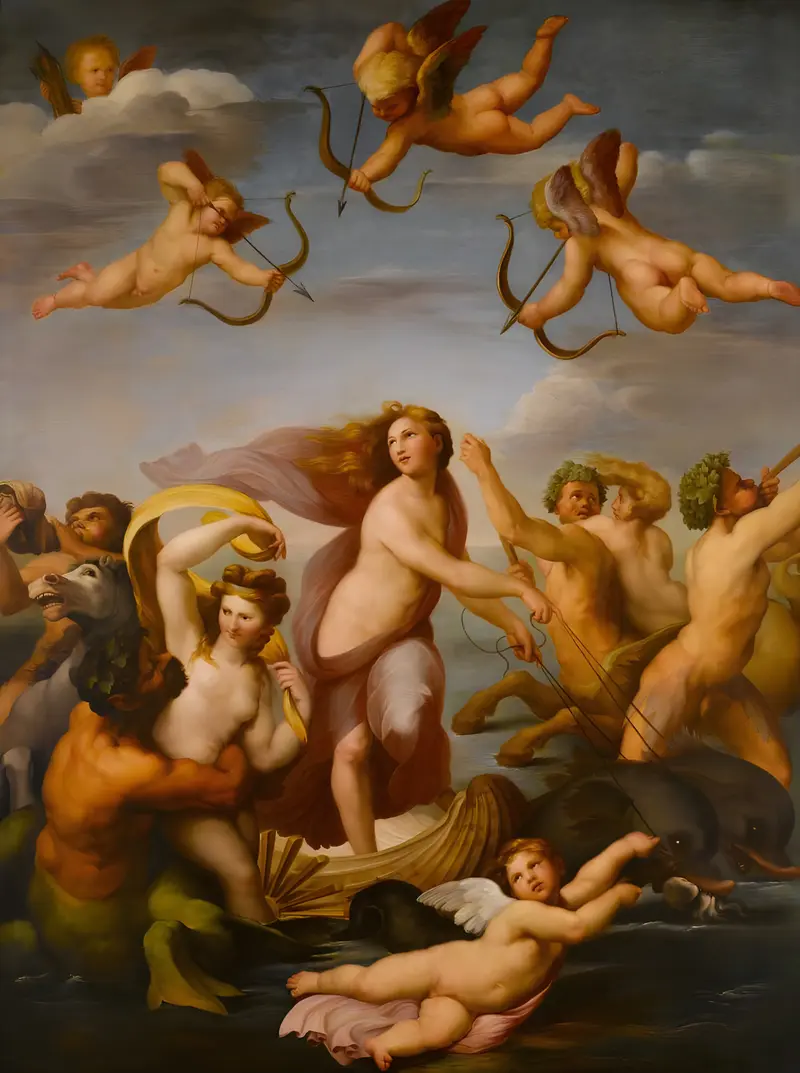
The Triumph of Galatea (copy after Raphael)
Raphael
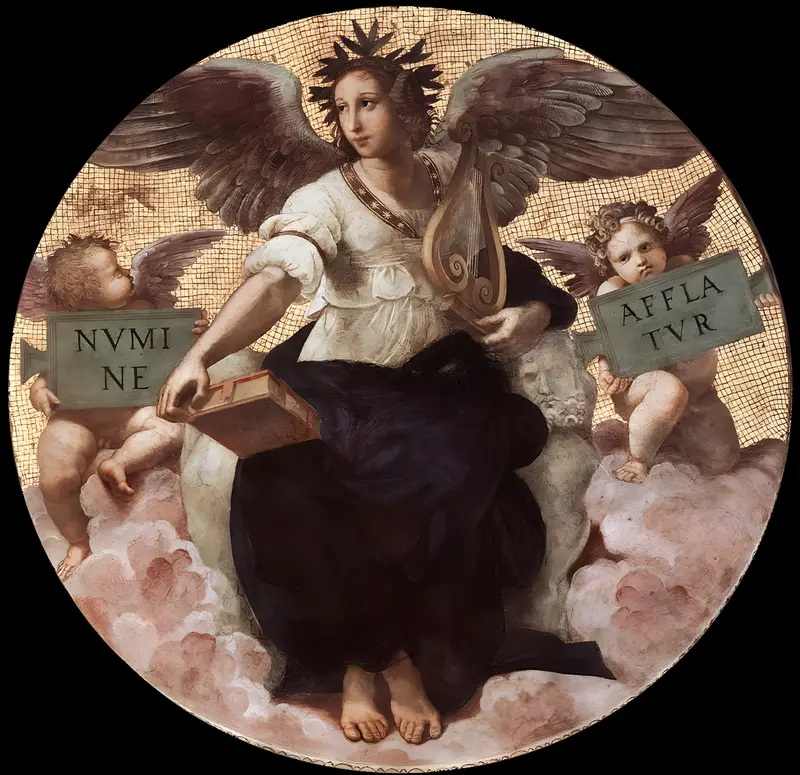
Poetry
Raphael
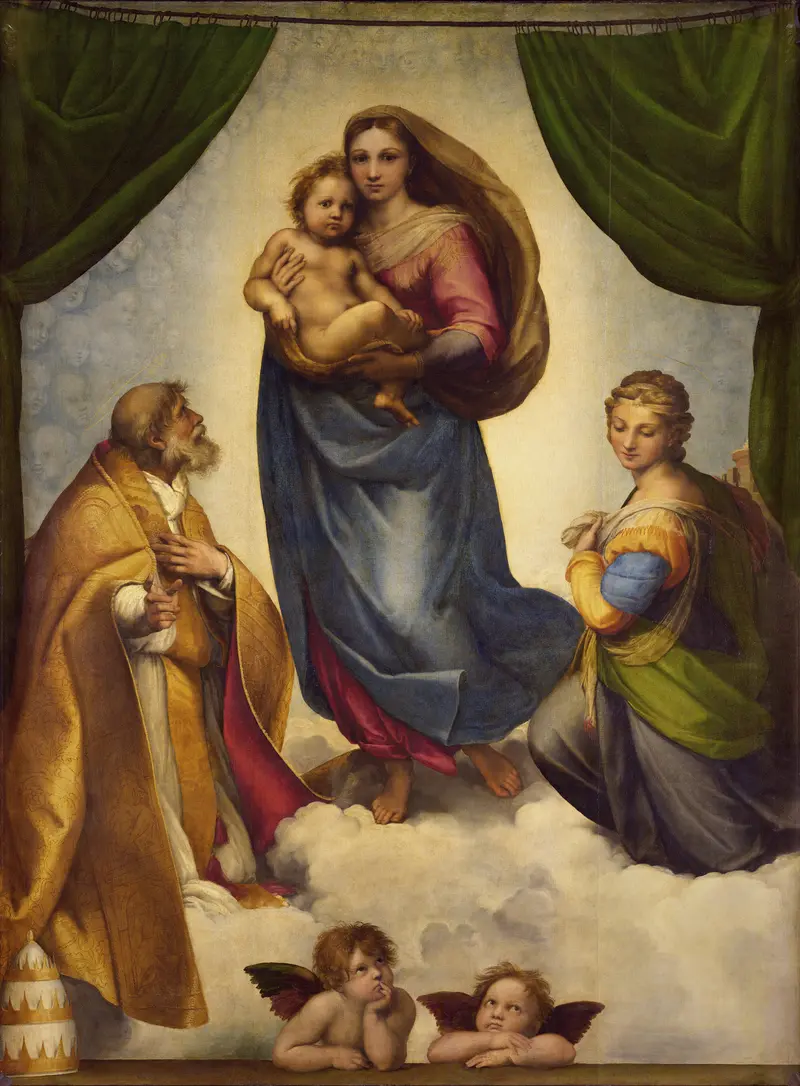
Sistine Madonna
Raphael
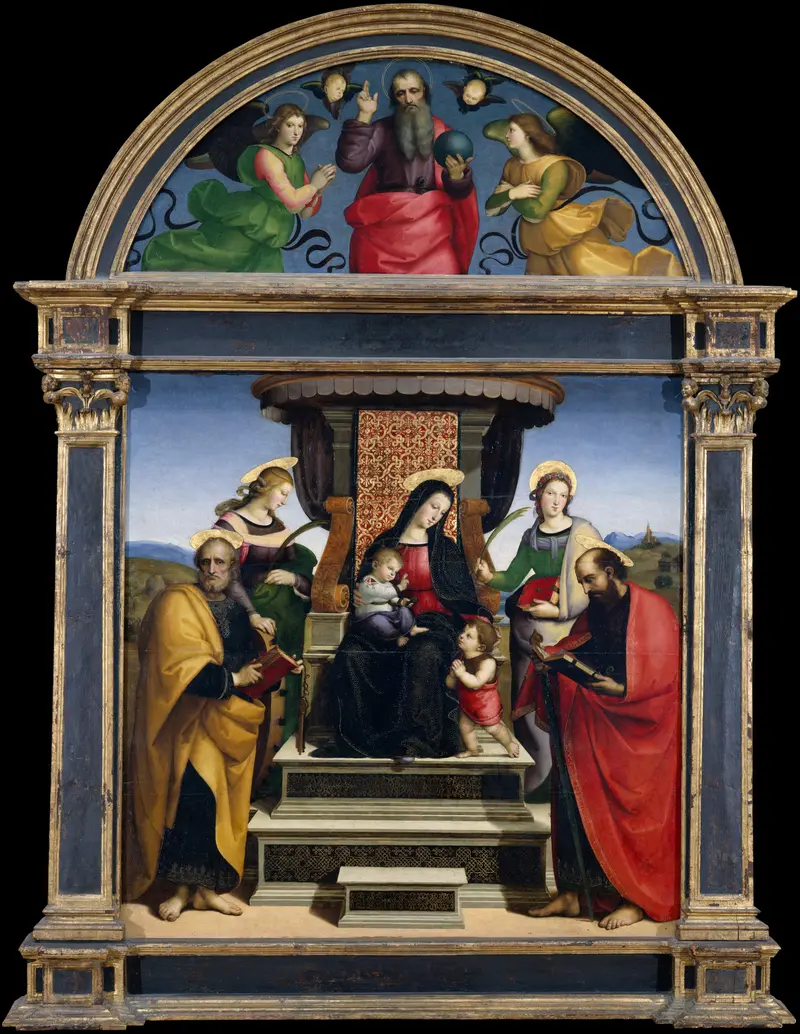
Madonna and Child Enthroned with Saints
Raphael




