
The Fountain of Love — History & Facts
When The Fountain of Love emerged in 1785, it was already shrouded in intrigue: no one knows for certain who commissioned it, but it is widely believed to have been painted for a private Parisian patron, perhaps as a celebration of a clandestine romance. The painting is one of several Fragonard created in his mature years exploring the theme of secret passion, yet this version stands apart for its intimate scale and the extraordinary softness of its brushwork. Unlike many of his Rococo contemporaries, Jean-Honoré Fragonard here seems to invite the viewer into a world of whispered promises, rather than public spectacle.
The painting’s whereabouts were unknown for decades after its creation, adding to its aura of secrecy and allure. At the heart of the scene, two lovers lean toward each other beside a mossy fountain, their faces illuminated by a gentle, golden light. The woman, dressed in shimmering silk, looks up with a mixture of shyness and anticipation, while her companion reaches out, as if to draw her closer. The fountain itself, adorned with sculpted cupids, overflows—a symbol of love’s abundance and the awakening of desire.
Fragonard’s use of lush foliage and cascading water blurs the boundary between nature and emotion, echoing the sensuousness found in his earlier The Swing, but here the mood is quieter, more confidential. Where Boucher might have favored overt flirtation, Fragonard’s lovers seem caught in a private, suspended moment, their feelings as fragile as the play of light on water. The painting’s journey reflects the shifting fortunes of Rococo art itself. After Fragonard’s death, The Fountain of Love passed through several French collections before being acquired by British aristocrats in the nineteenth century, when the taste for Rococo revived.
Its attribution was never in doubt, but its status as a late work has made it a touchstone for scholars tracing Fragonard’s evolution from playful exuberance to a more reflective, almost melancholic lyricism. Today, the painting resides in the Wallace Collection in London, where it continues to enchant visitors with its blend of secrecy, sensuality, and painterly grace—an enduring testament to the private language of love in eighteenth-century France.
More Artworks by Jean-Honoré Fragonard
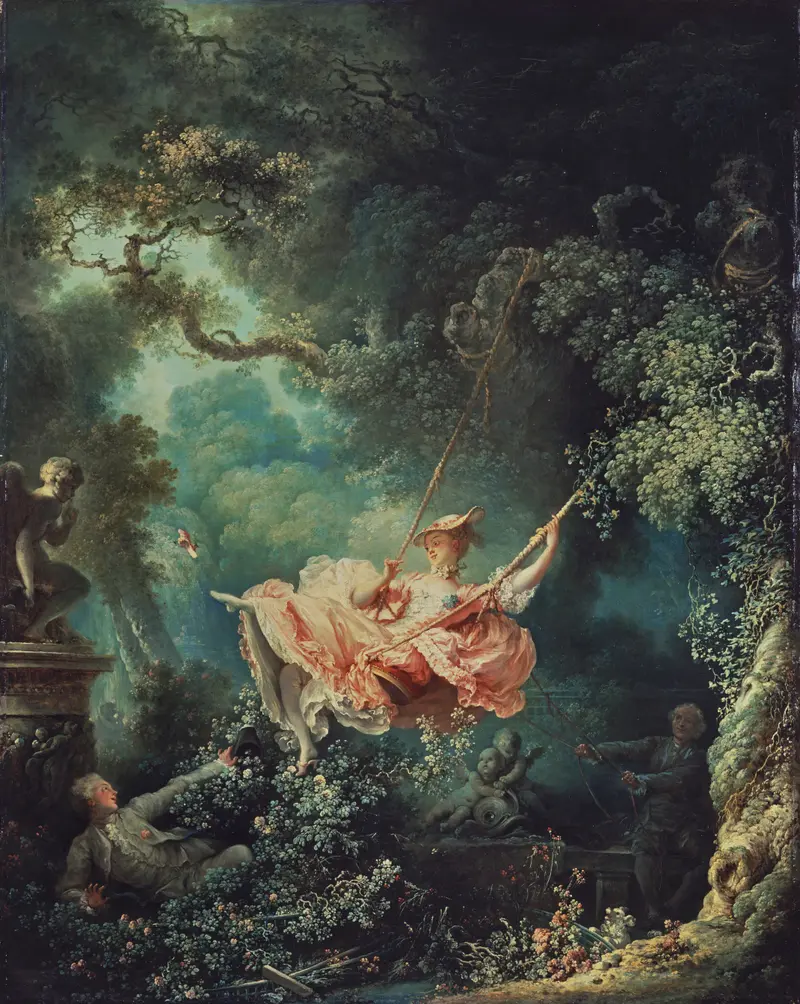
The Swing
Jean-Honoré Fragonard

The Swing
Jean-Honoré Fragonard
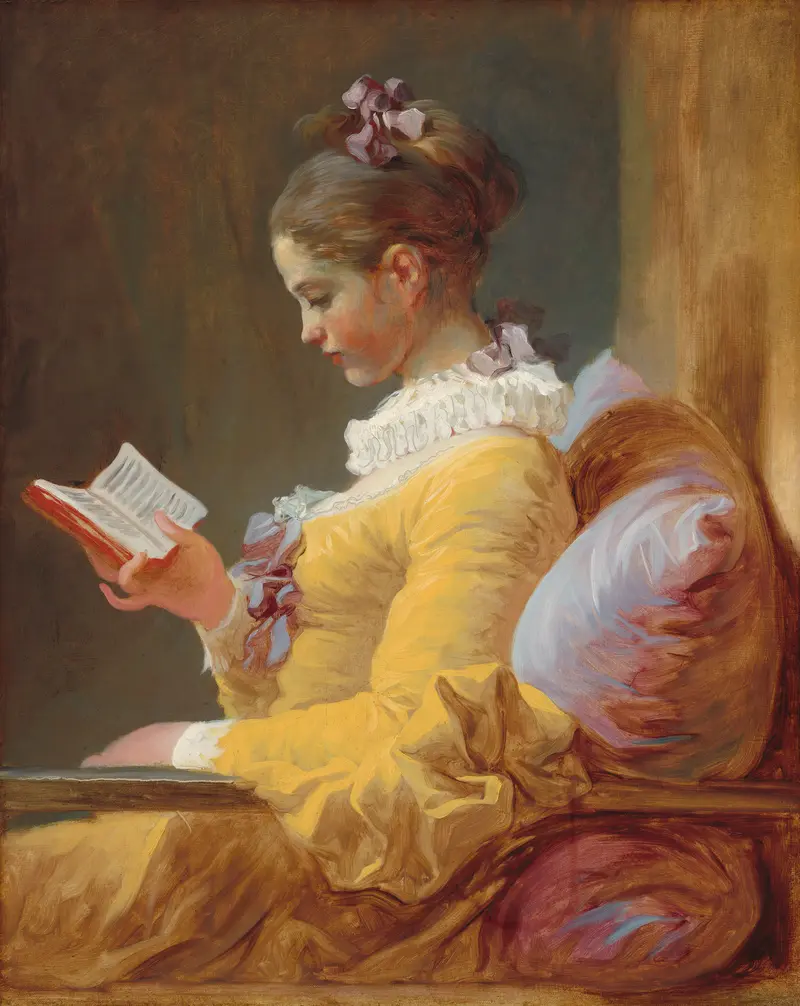
A Young Girl Reading
Jean-Honoré Fragonard
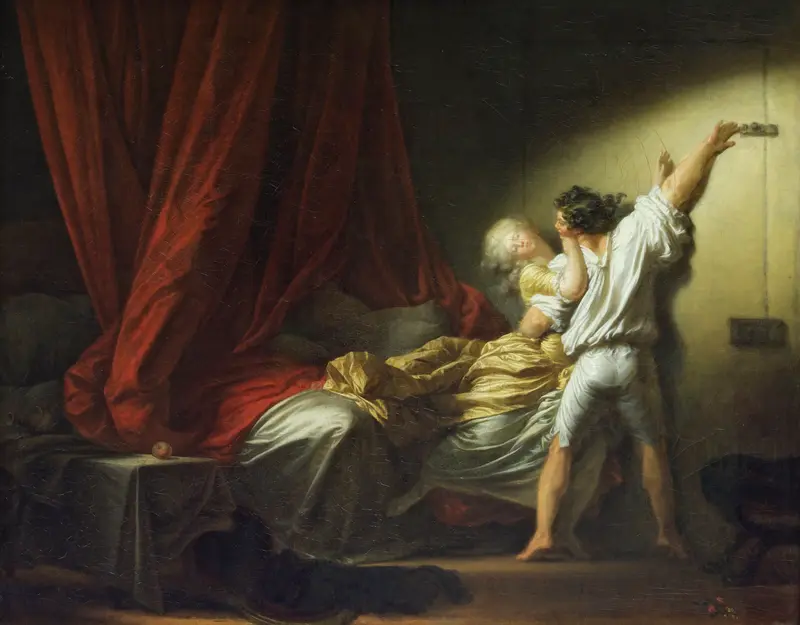
The Lock
Jean-Honoré Fragonard
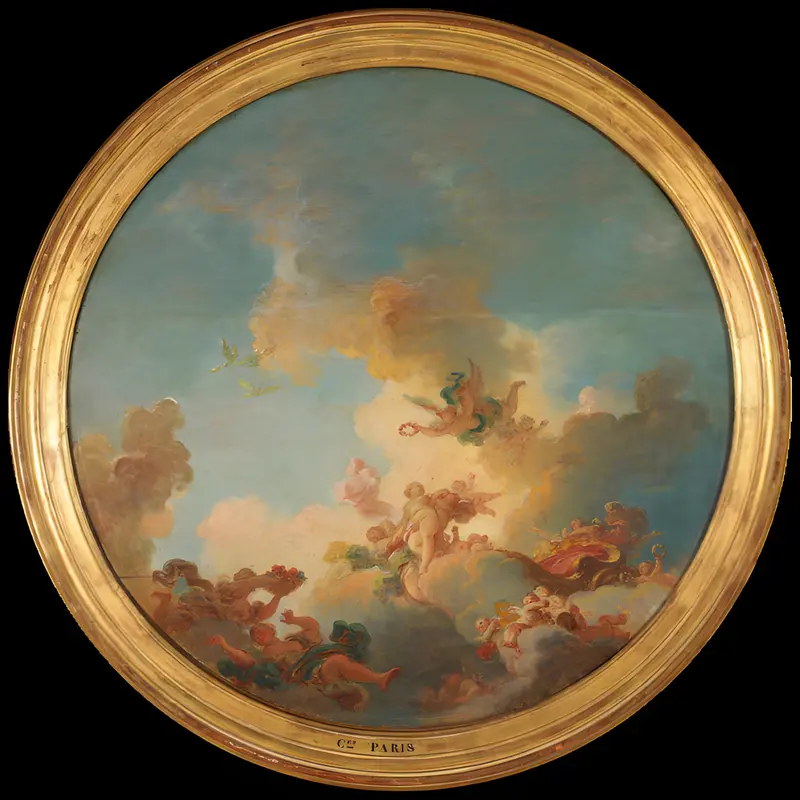
The Triumph of Venus
Jean-Honoré Fragonard
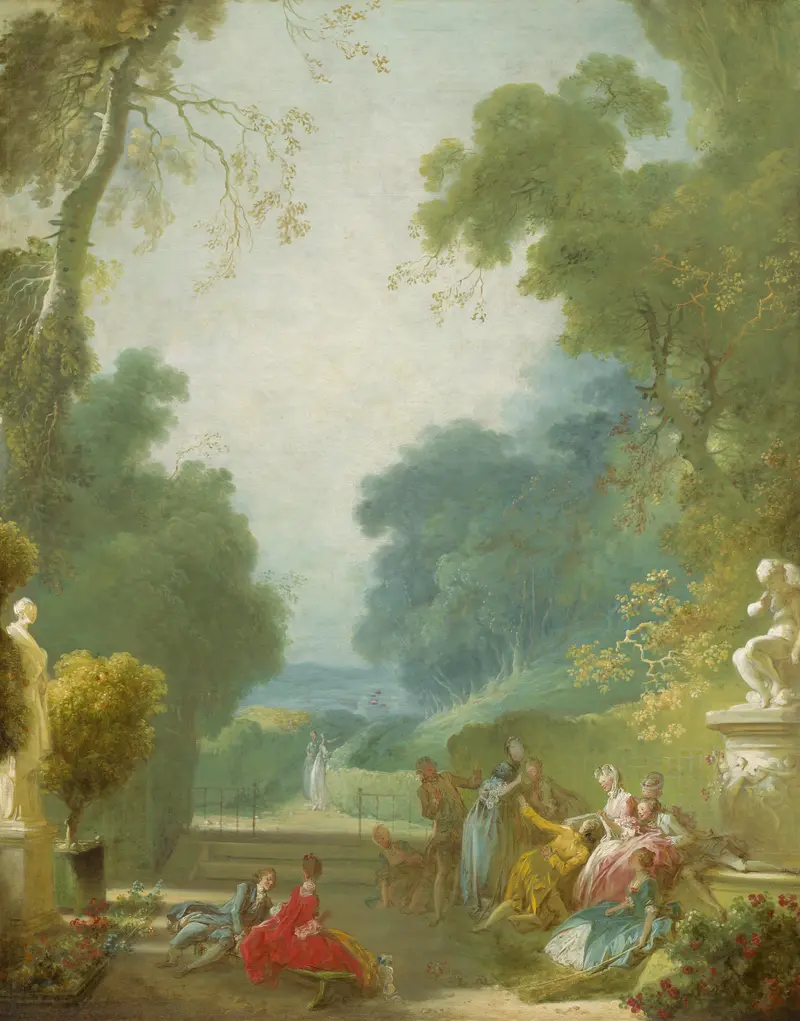
A Game of Hot Cockles
Jean-Honoré Fragonard
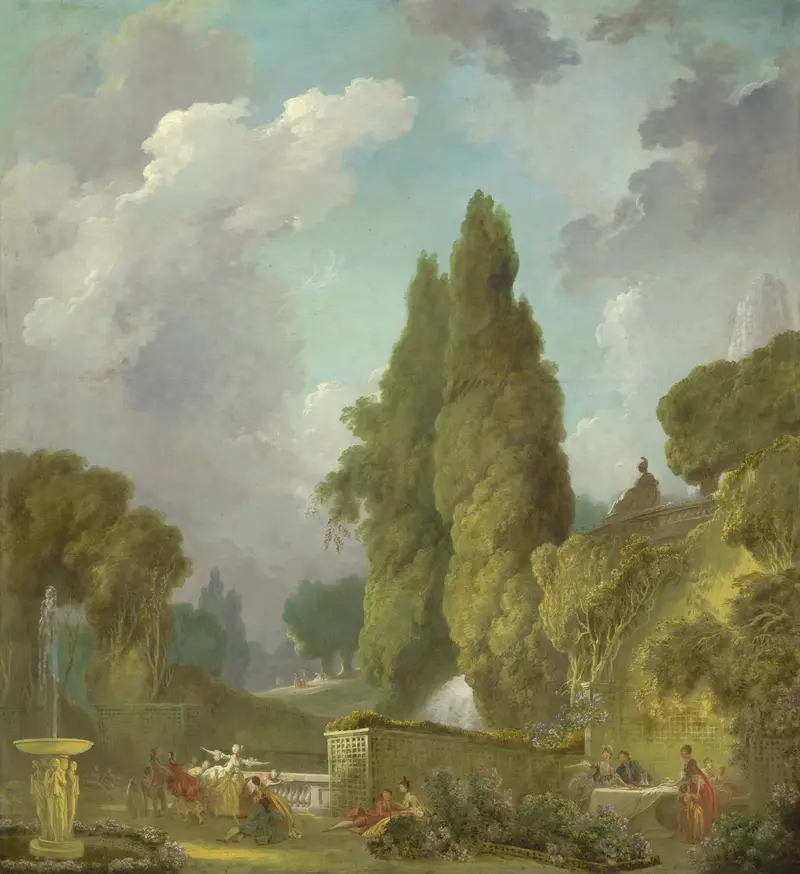
Blindman’s Buff
Jean-Honoré Fragonard
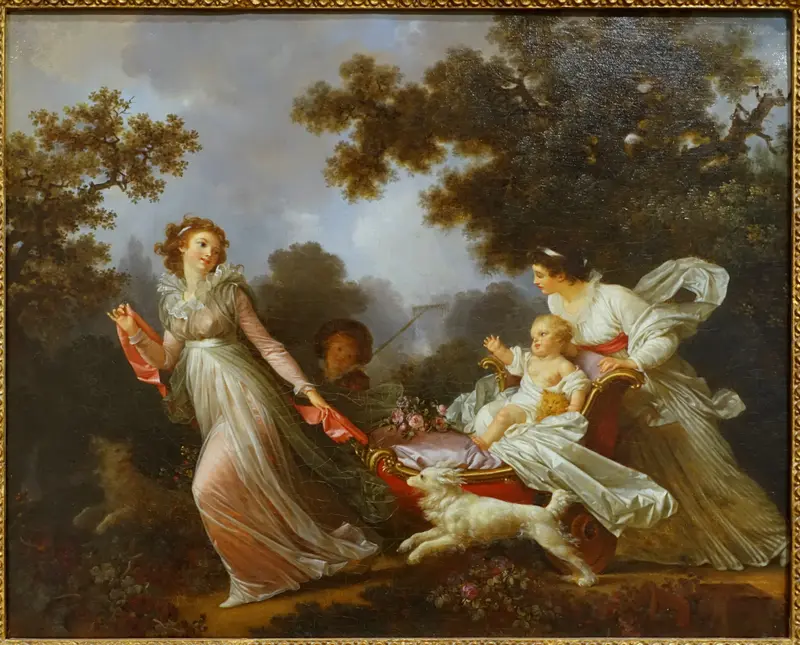
The Beloved Child
Jean-Honoré Fragonard
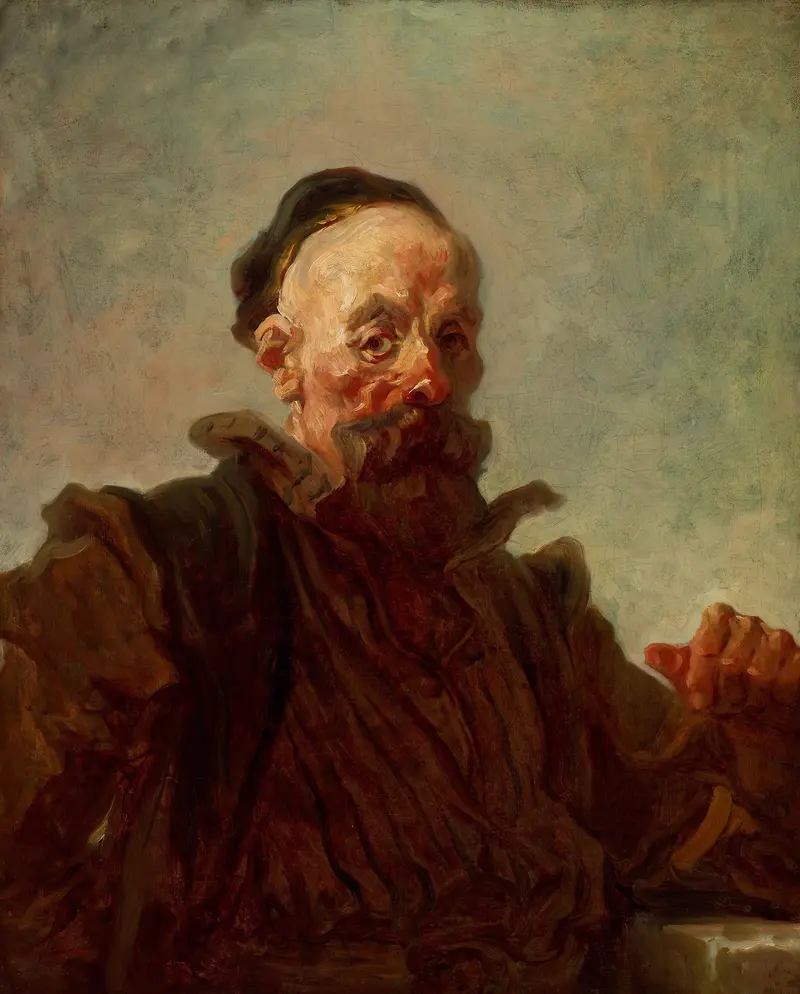
Portrait of a Man in Costume
Jean-Honoré Fragonard
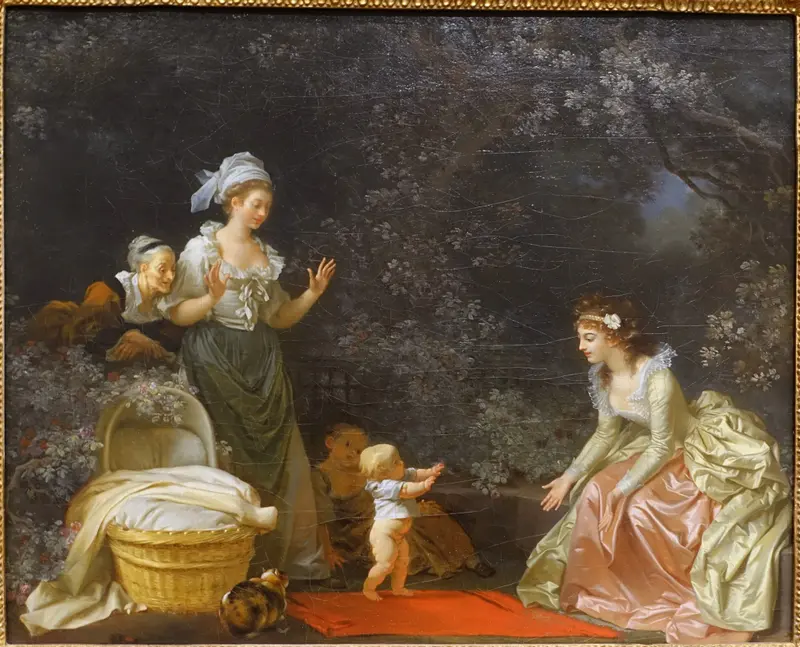
The First Steps
Jean-Honoré Fragonard



