
The Happy Family — History & Facts
When The Happy Family was first exhibited, it surprised Parisian audiences accustomed to the flirtatious scenes of Jean-Honoré Fragonard. Here was the painter of boudoir secrets and garden games turning his brush to domestic virtue—a subject more often found in Dutch interiors than in the salons of late eighteenth-century France. The painting's exact commission remains uncertain, but its appearance around 1775 coincided with a growing taste for sentimental family scenes, influenced by the writings of Rousseau and the moralizing art of Jean-Baptiste Greuze.
Critics noted the shift: one contemporary observed how Fragonard had “abandoned the gallant for the good.” At the heart of The Happy Family is a moment of quiet intimacy: parents and children gathered around a simple table, their faces lit by a warm, natural glow. The father leans in to embrace his youngest child, while the mother, sewing in hand, looks on with gentle pride. Toys scattered across the floor and a dog curled by the hearth speak to the everyday joys of home.
Fragonard’s brushwork remains lively, but here it serves affection rather than mischief. Unlike Greuze’s more sentimental families, Fragonard’s figures are animated by genuine interaction—a fleeting, believable happiness, not a staged lesson. The painting’s later history is less well documented than some of Fragonard’s rococo commissions. It likely remained in private hands through the nineteenth century, cherished as a model of domestic harmony.
Only in the twentieth century did it begin to attract scholarly attention, as art historians re-evaluated Fragonard’s range beyond his famous fêtes galantes. Today, The Happy Family stands as a testament to the artist’s versatility, bridging the playful spirit of the Rococo with the coming age of sentiment and reform. Its current whereabouts are not firmly established, but its legacy endures in the way it captures a fleeting ideal of family life on the eve of revolution.
More Artworks by Jean-Honoré Fragonard
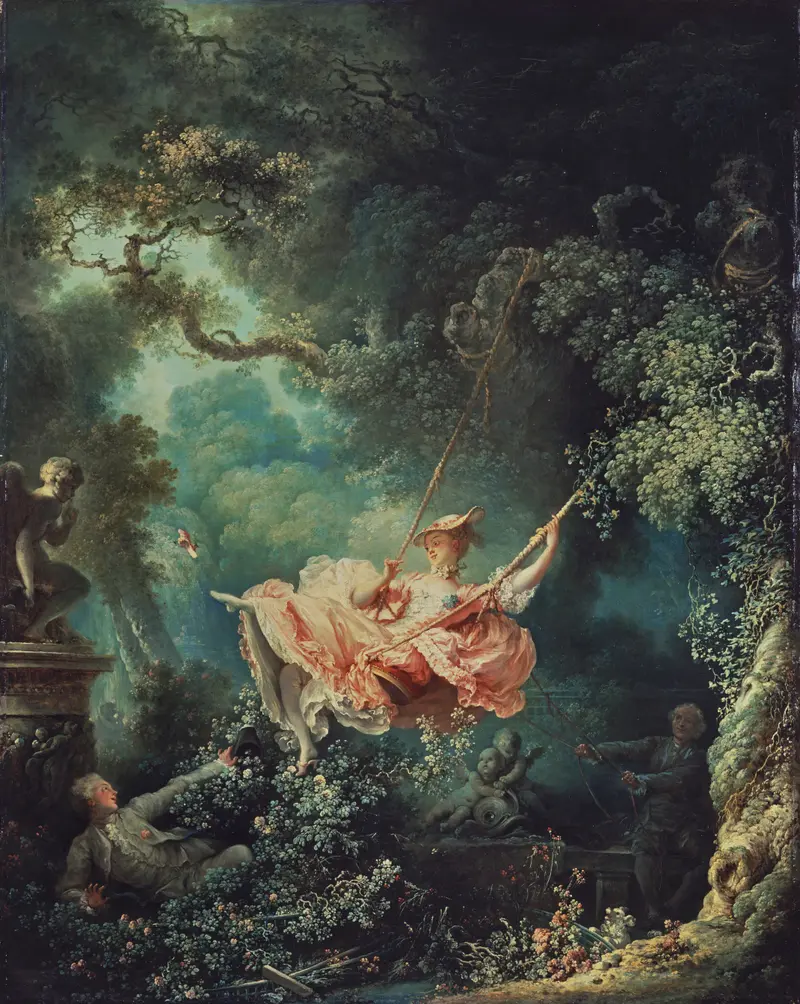
The Swing
Jean-Honoré Fragonard

The Swing
Jean-Honoré Fragonard
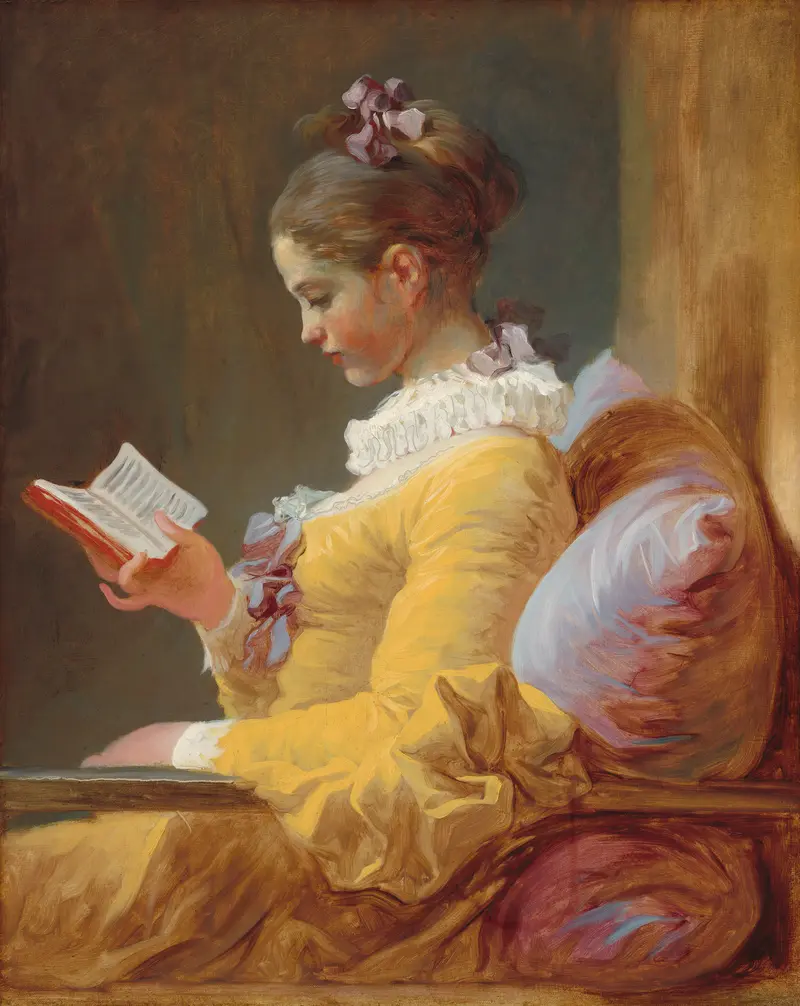
A Young Girl Reading
Jean-Honoré Fragonard
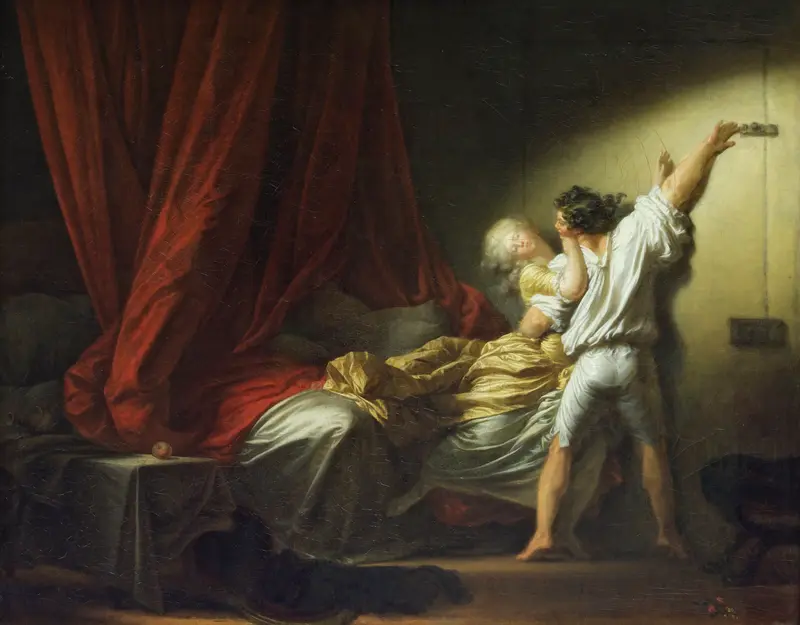
The Lock
Jean-Honoré Fragonard
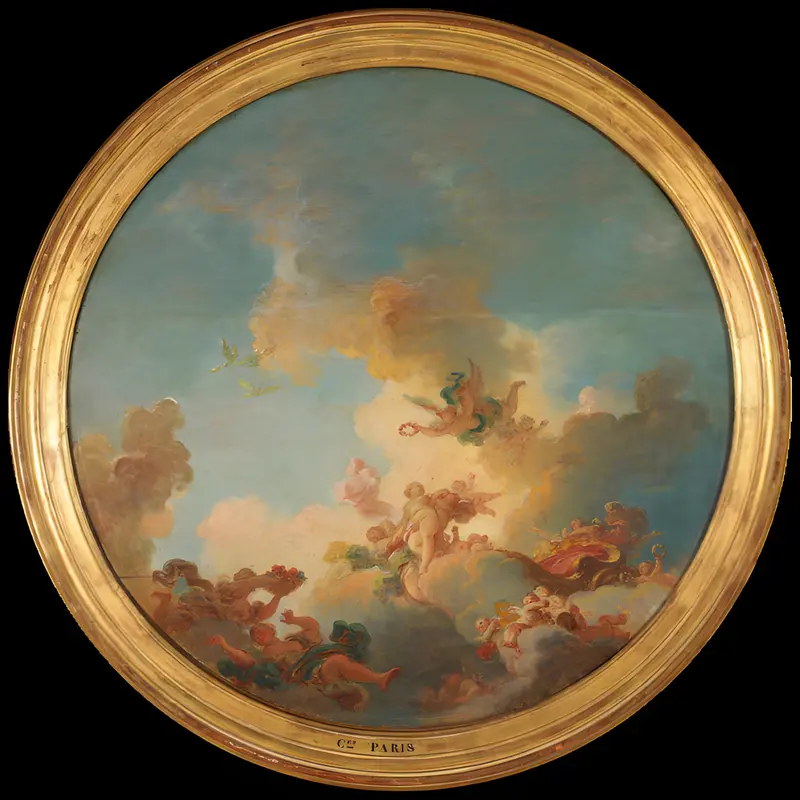
The Triumph of Venus
Jean-Honoré Fragonard
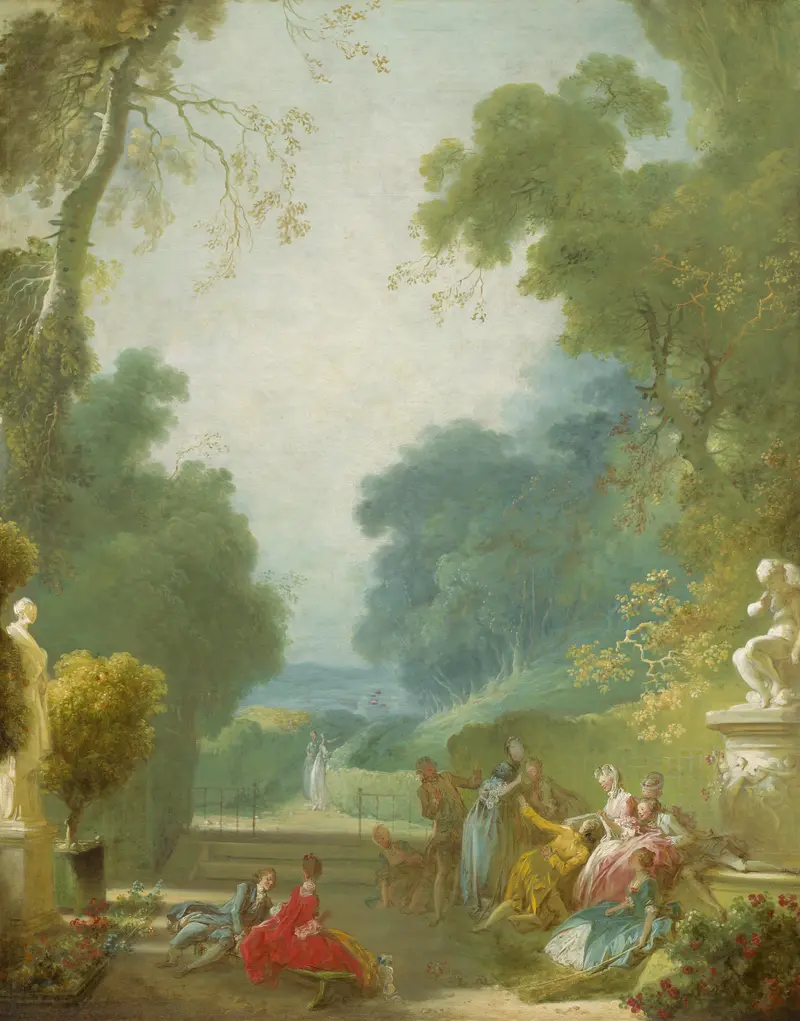
A Game of Hot Cockles
Jean-Honoré Fragonard
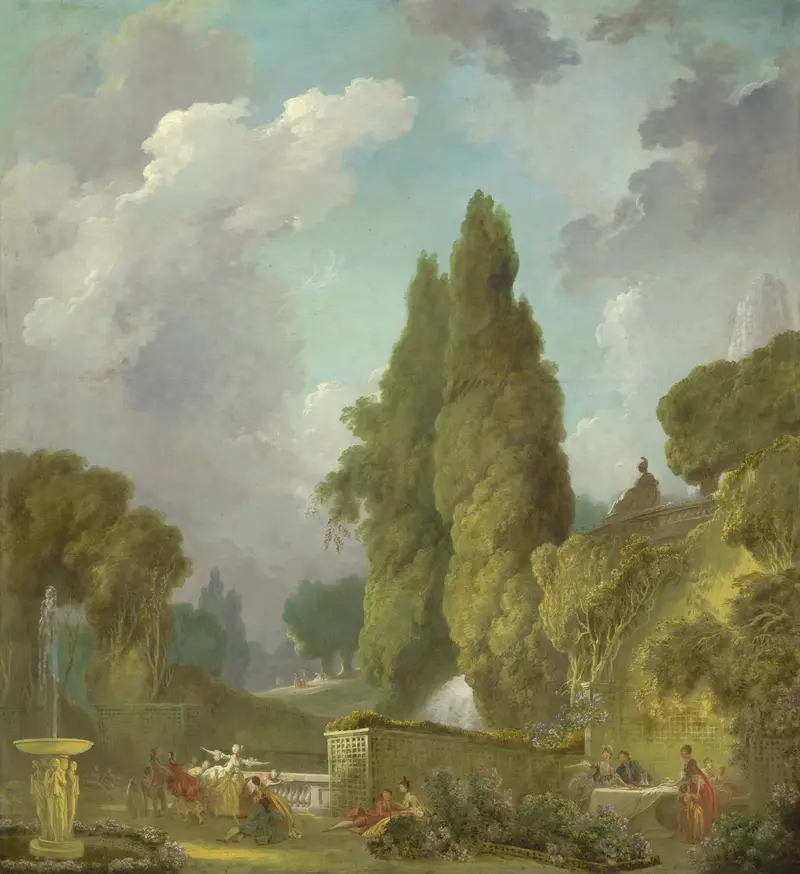
Blindman’s Buff
Jean-Honoré Fragonard
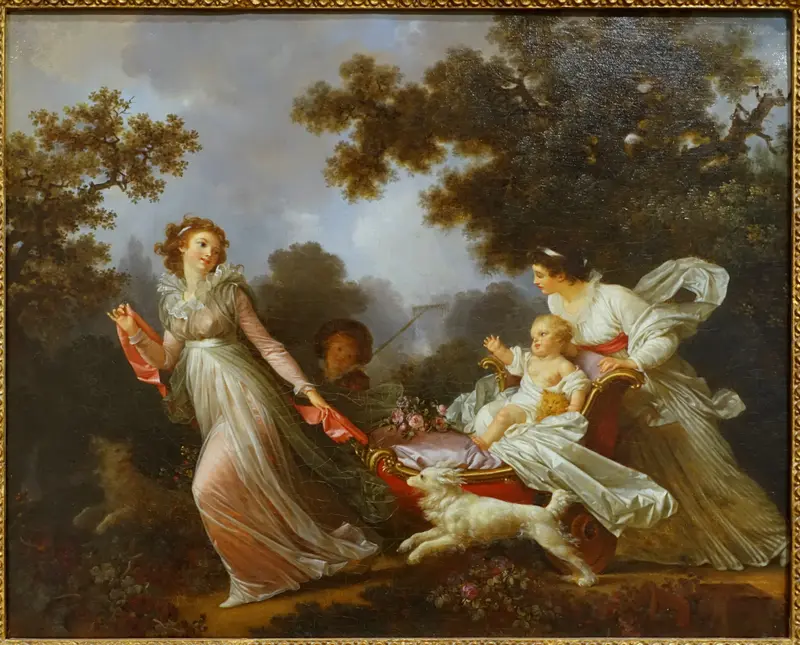
The Beloved Child
Jean-Honoré Fragonard
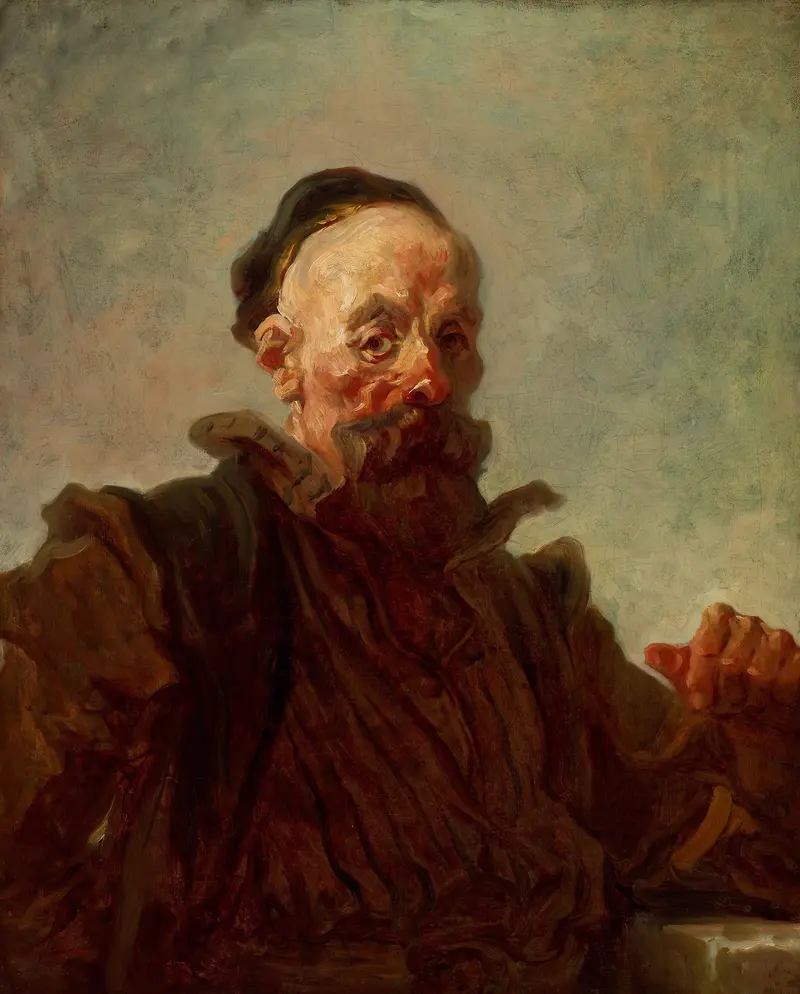
Portrait of a Man in Costume
Jean-Honoré Fragonard
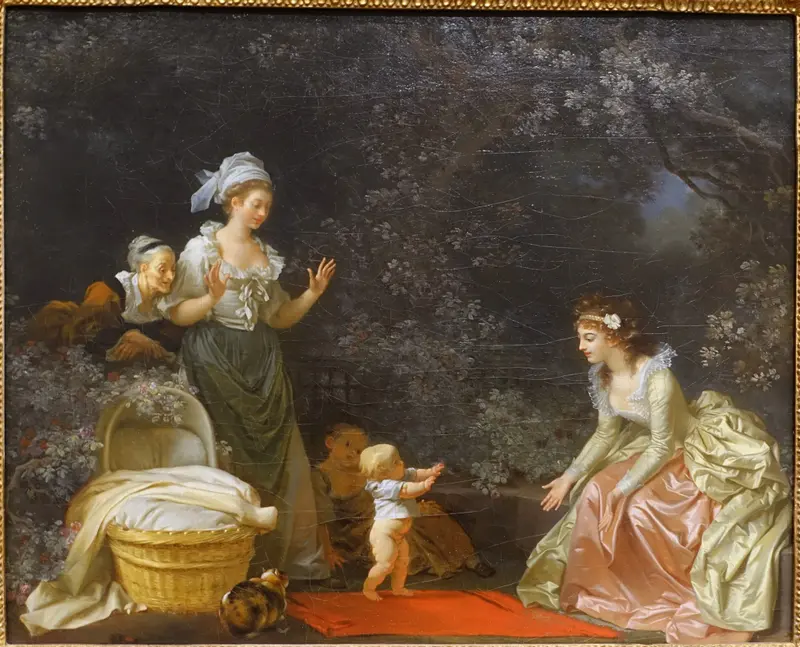
The First Steps
Jean-Honoré Fragonard
More Genre Scene Art

Banquet of the Officers of the St George Civic Guard
Frans Hals

Rembrandt and Saskia in the Scene of the Prodigal Son
Rembrandt van Rijn

Bal du moulin de la Galette
Pierre-Auguste Renoir

Quadrille at the Moulin Rouge
Henri de Toulouse-Lautrec

A Burial at Ornans
Gustave Courbet

When Will You Marry?
Paul Gauguin