
The Joys of Motherhood — History & Facts
When The Joys of Motherhood was first exhibited in 1752, it marked one of the earliest public successes for the young Jean-Honoré Fragonard, then just twenty. This painting stands out as an early glimpse of the artist’s emerging voice, preceding his later association with the Rococo movement’s most playful and intimate scenes. While the details of its commission remain unclear, its warm reception helped secure Fragonard’s place at the Académie Royale, a crucial step in his career.
Contemporary critics noted the freshness of his approach, which already hinted at the exuberance that would define his later works. At the heart of The Joys of Motherhood is a quiet domestic moment: a mother, seated in a sunlit interior, cradles her infant while an older child tugs gently at her sleeve. Fragonard captures the fleeting tenderness of family life, using soft, luminous brushwork to bathe the figures in golden light. The mother’s half-smile and the playful gesture of the child speak to the everyday pleasures and gentle chaos of parenting.
The scattered toys and open window suggest both the innocence of childhood and the world beyond, a motif Fragonard would revisit in later works. Unlike the more formal maternal portraits by Jean-Baptiste Greuze, Fragonard’s scene feels spontaneous, as if glimpsed in passing. The painting’s medium remains uncertain, as no definitive technical study has been published, and its early provenance is similarly shrouded. What is known is that The Joys of Motherhood was part of a private Parisian collection by the early nineteenth century, before reappearing at auction in the 1920s.
Since then, it has been attributed to Fragonard with increasing confidence, based on stylistic comparisons to his authenticated early works. Today, the painting is celebrated as a formative piece in Fragonard’s oeuvre, offering a window into the beginnings of an artist who would come to define the spirit of eighteenth-century French painting.
More Artworks by Jean-Honoré Fragonard
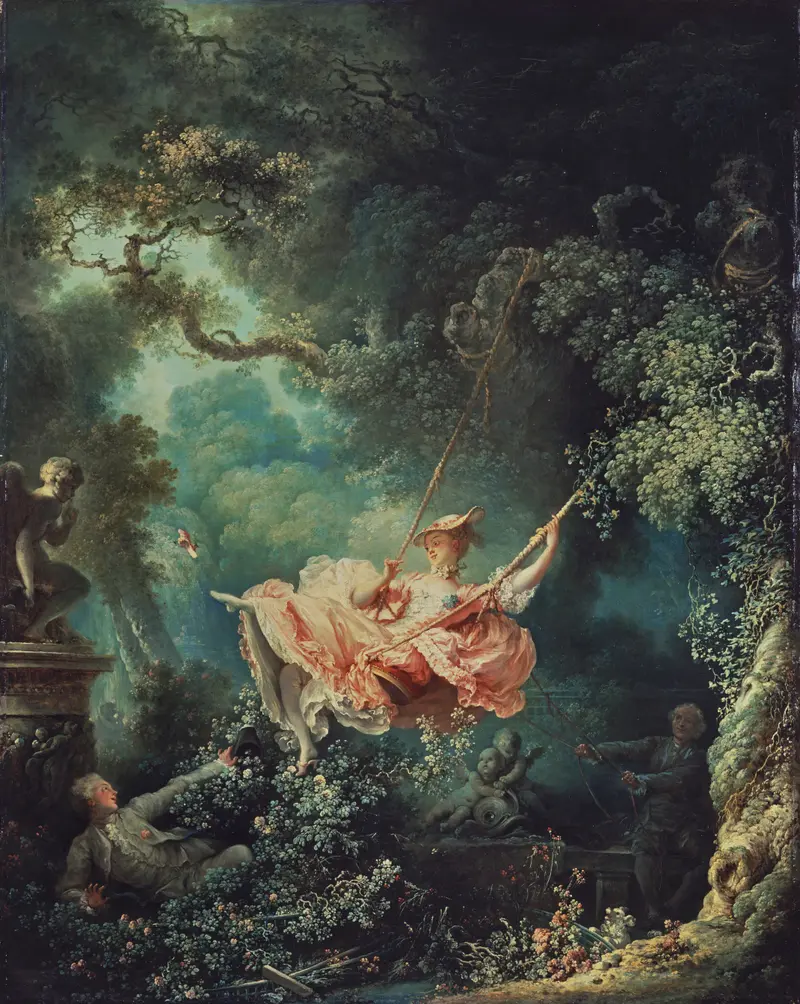
The Swing
Jean-Honoré Fragonard

The Swing
Jean-Honoré Fragonard
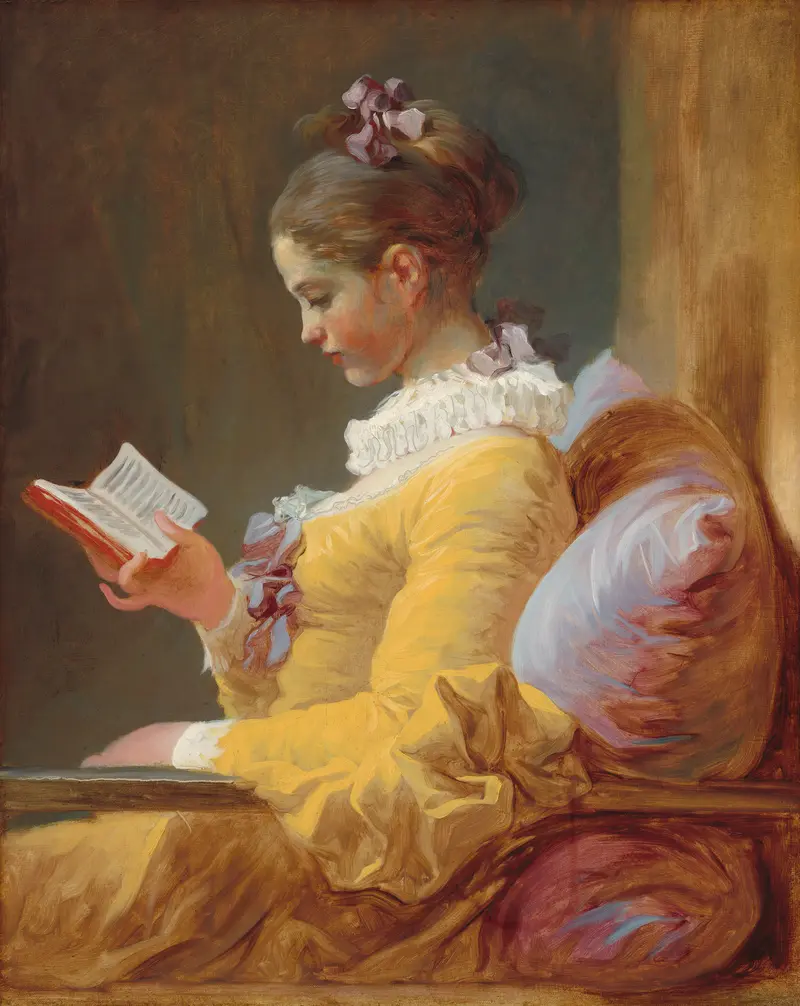
A Young Girl Reading
Jean-Honoré Fragonard
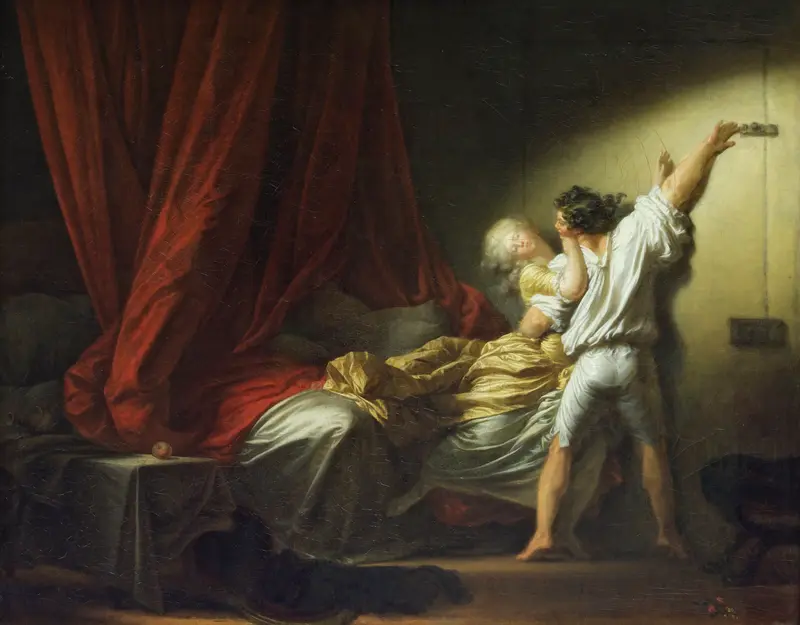
The Lock
Jean-Honoré Fragonard
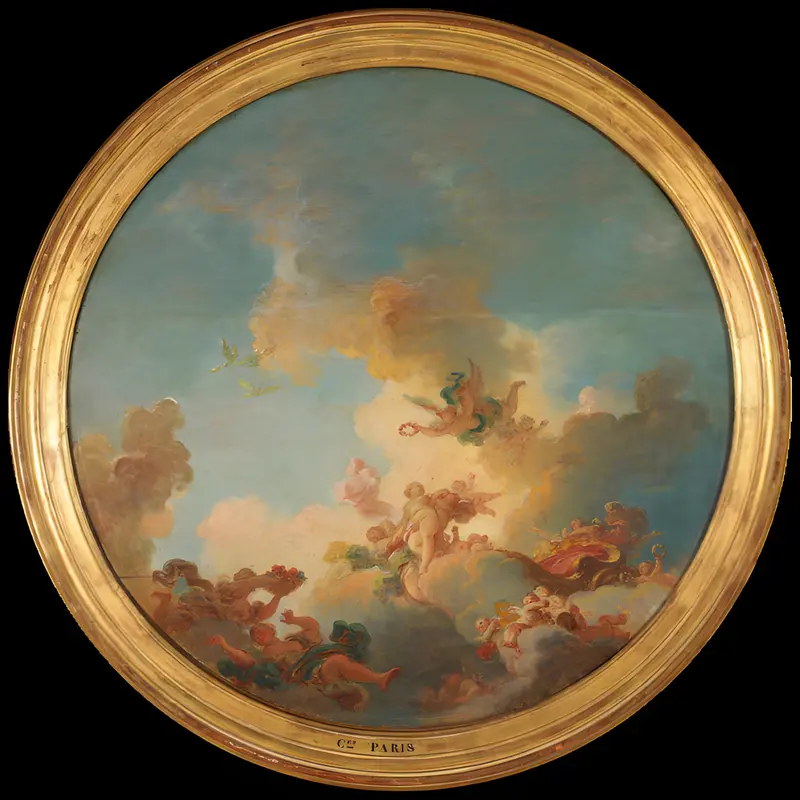
The Triumph of Venus
Jean-Honoré Fragonard
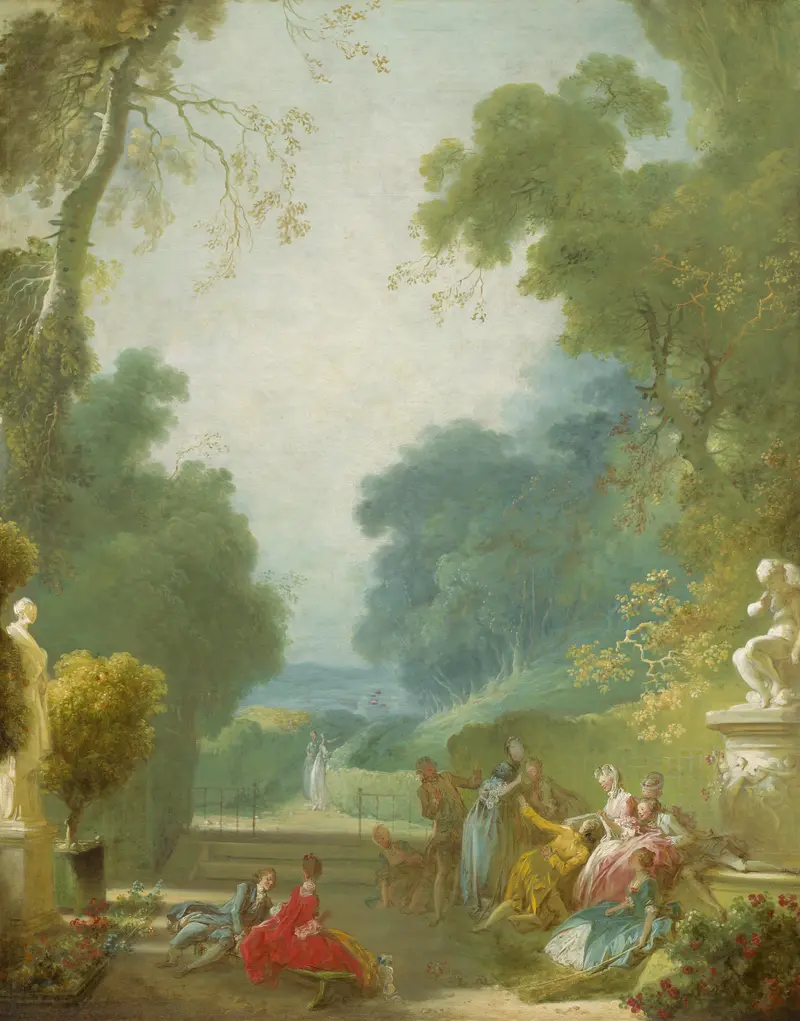
A Game of Hot Cockles
Jean-Honoré Fragonard
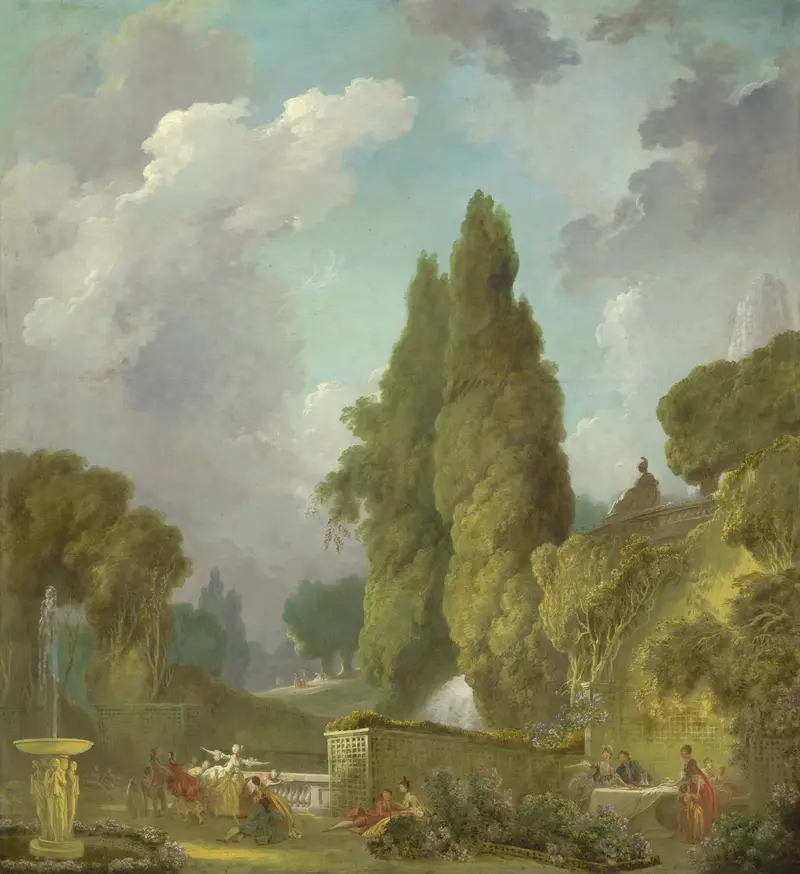
Blindman’s Buff
Jean-Honoré Fragonard
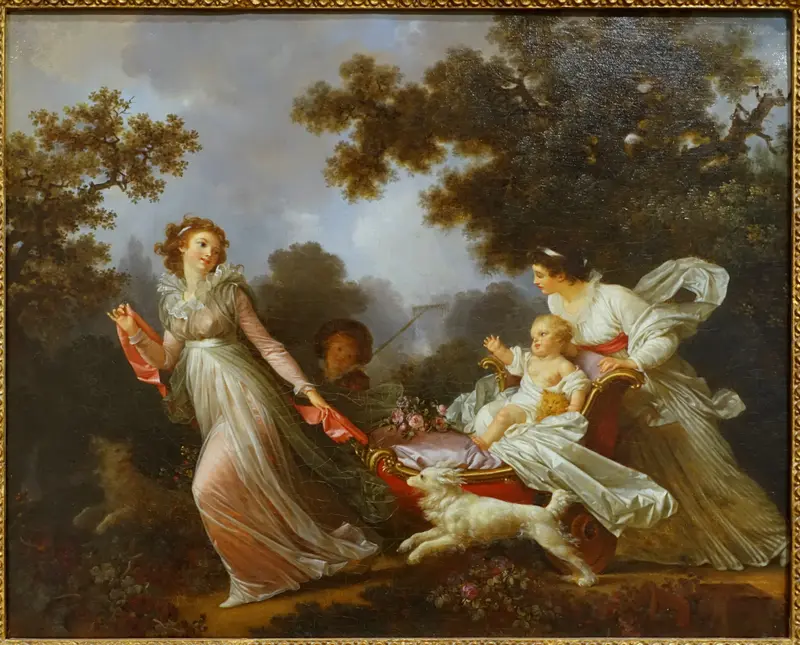
The Beloved Child
Jean-Honoré Fragonard
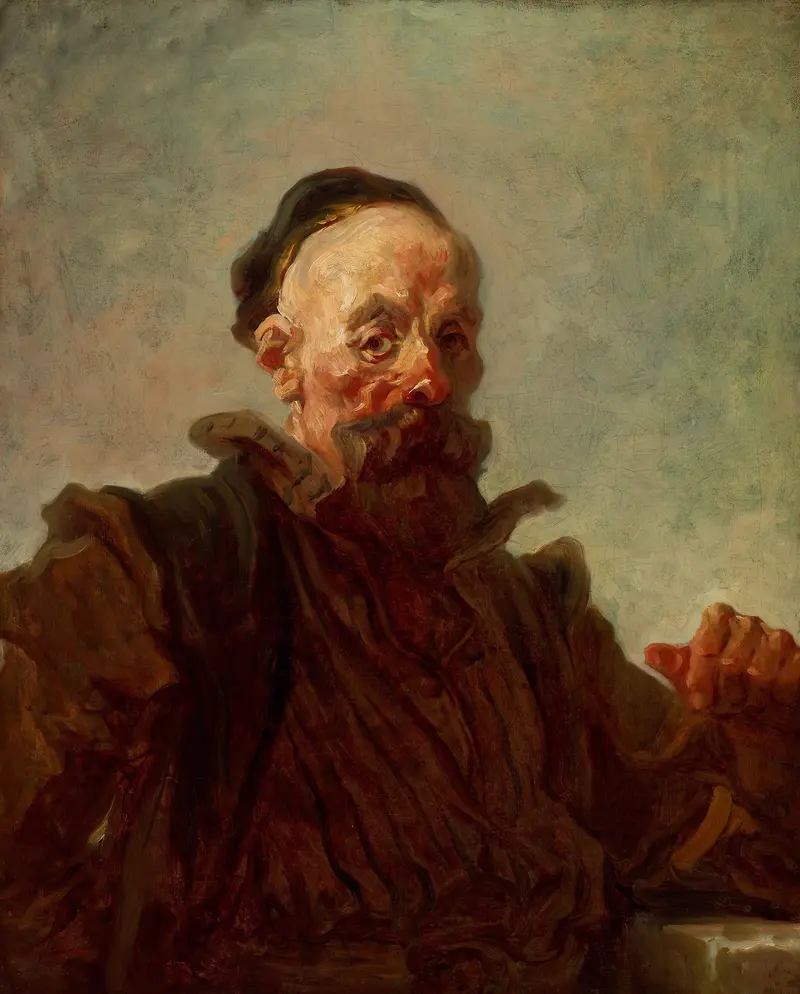
Portrait of a Man in Costume
Jean-Honoré Fragonard
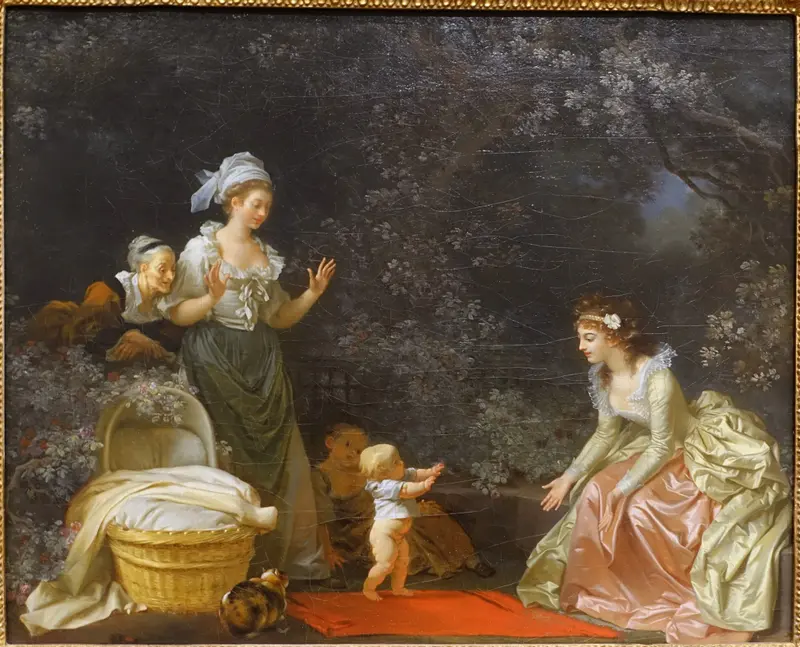
The First Steps
Jean-Honoré Fragonard
More Genre Scene Art

Banquet of the Officers of the St George Civic Guard
Frans Hals

Rembrandt and Saskia in the Scene of the Prodigal Son
Rembrandt van Rijn

Bal du moulin de la Galette
Pierre-Auguste Renoir

Quadrille at the Moulin Rouge
Henri de Toulouse-Lautrec

A Burial at Ornans
Gustave Courbet

When Will You Marry?
Paul Gauguin