
The Old Italian Woman — History & Facts
No painting by Théodore Géricault is more shrouded in confusion than The Old Italian Woman, for the simple reason that its date—1900—postdates the artist’s death by nearly seventy years. While the title and attribution have appeared in some early-20th-century catalogues, scholars now suspect a misattribution or a later homage, as Géricault, famed for The Raft of the Medusa (1819), died in 1824. This mystery has made the painting a subject of debate among curators and collectors alike, who puzzle over its origins and the tangled web of attributions that sometimes follows famous names. The painting presents an elderly woman seated in profile, her weathered face turned toward a shaft of light that falls across her hands, clasped tightly in her lap.
Her shawl, rendered in heavy, textured strokes, suggests both poverty and dignity; the muted palette and somber background focus all attention on her expression, which is at once weary and resolute. The artist’s choice to depict her in a moment of stillness, rather than activity, invites viewers to contemplate her inner life. Unlike Francisco de Goya’s Old Woman, which bristles with caricature, this work offers a quieter, more compassionate vision of age and endurance. The physical history of The Old Italian Woman is as enigmatic as its authorship.
Lacking clear documentation of its commission or early provenance, the painting surfaced in Parisian art circles around the turn of the twentieth century, at a time when interest in Romanticism was being revived. It has since passed through several private collections and has been exhibited under different attributions, including as a work by a follower of Géricault. Today, it remains a subject of scholarly debate, often used as a cautionary example of the complexities of attribution in the art world, and is typically displayed with a note of uncertainty regarding both its creator and its date.
More Artworks by Théodore Géricault
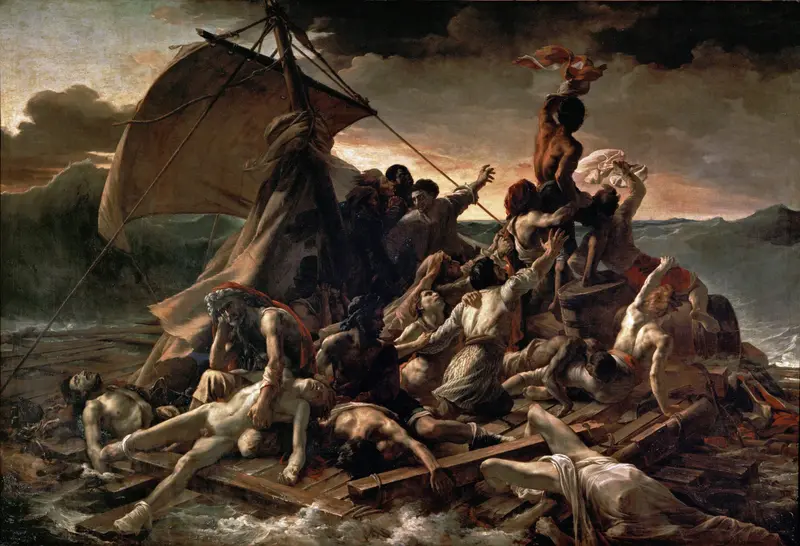
The Raft of the Medusa
Théodore Géricault

Géricault - Le naufrage du radeau de la Méduse, MBA 790
Théodore Géricault
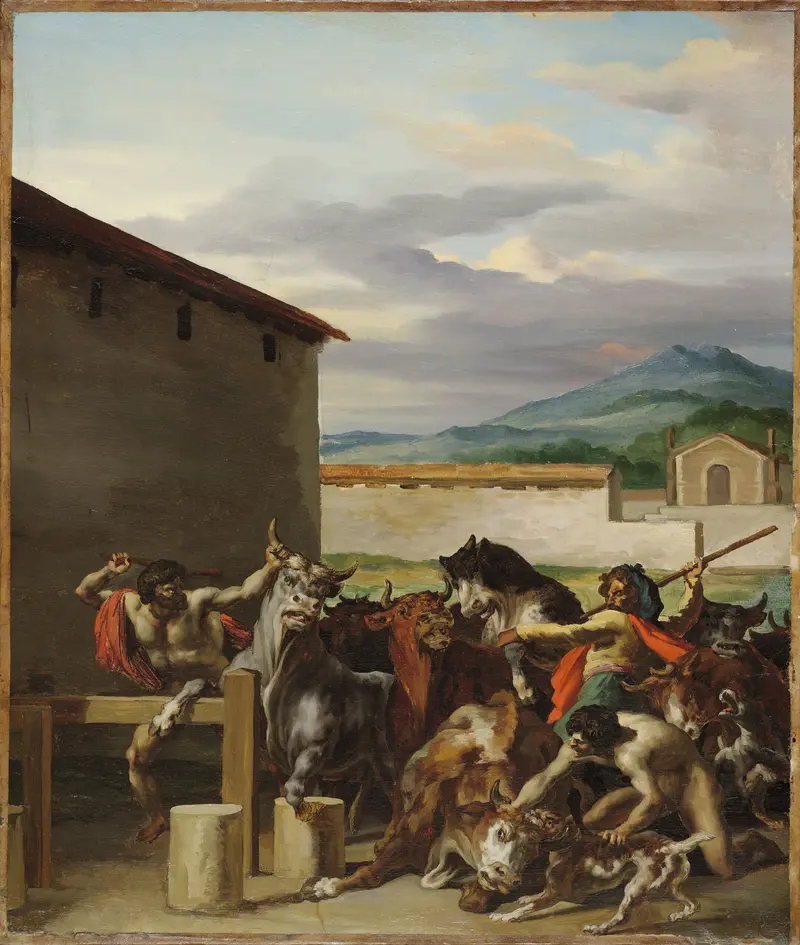
Cattle Market
Théodore Géricault
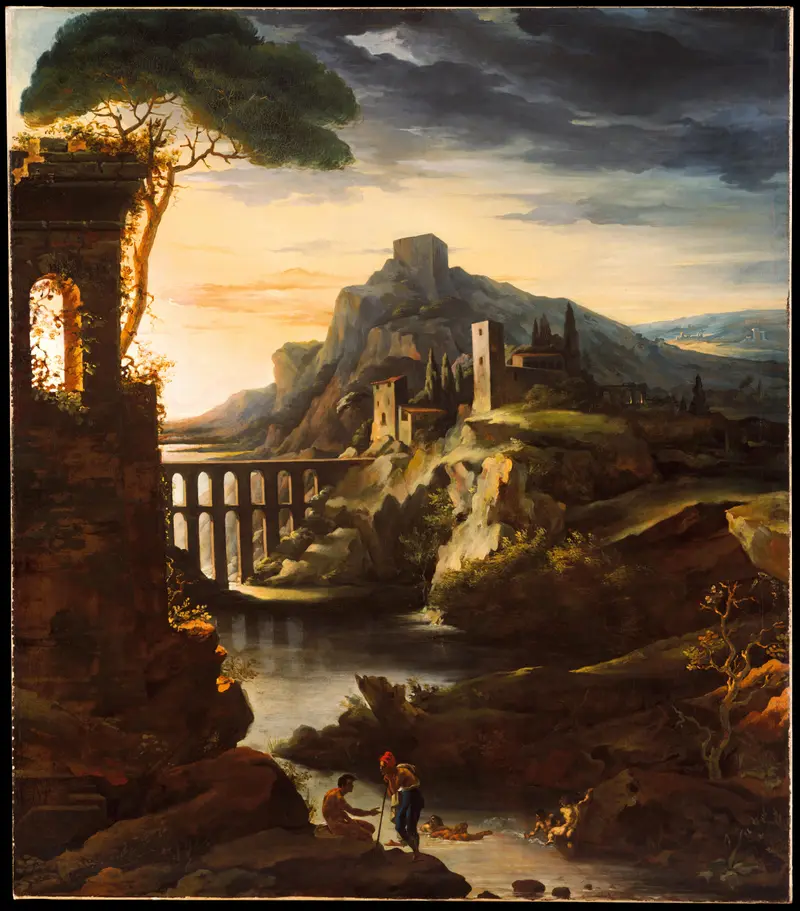
Evening; Landscape with an Aqueduct
Théodore Géricault
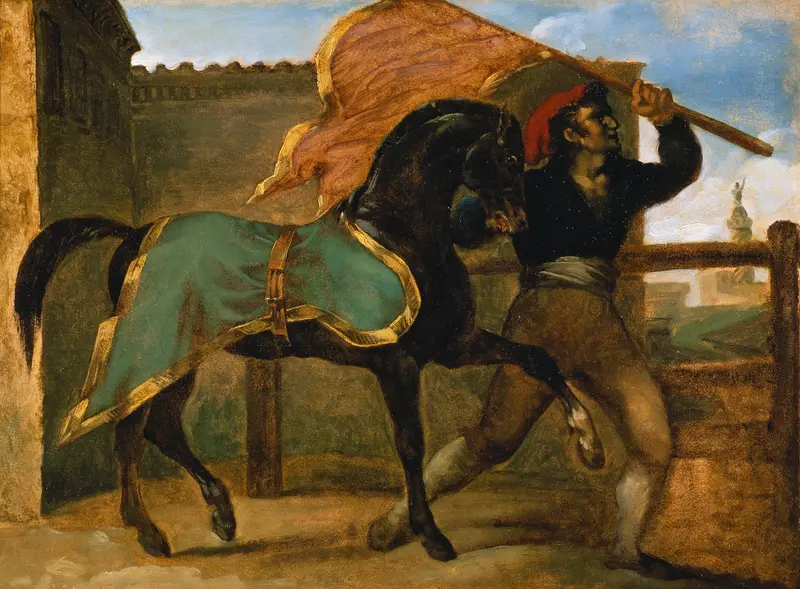
Horse Race
Théodore Géricault

Horses Standing in a Mews
Théodore Géricault
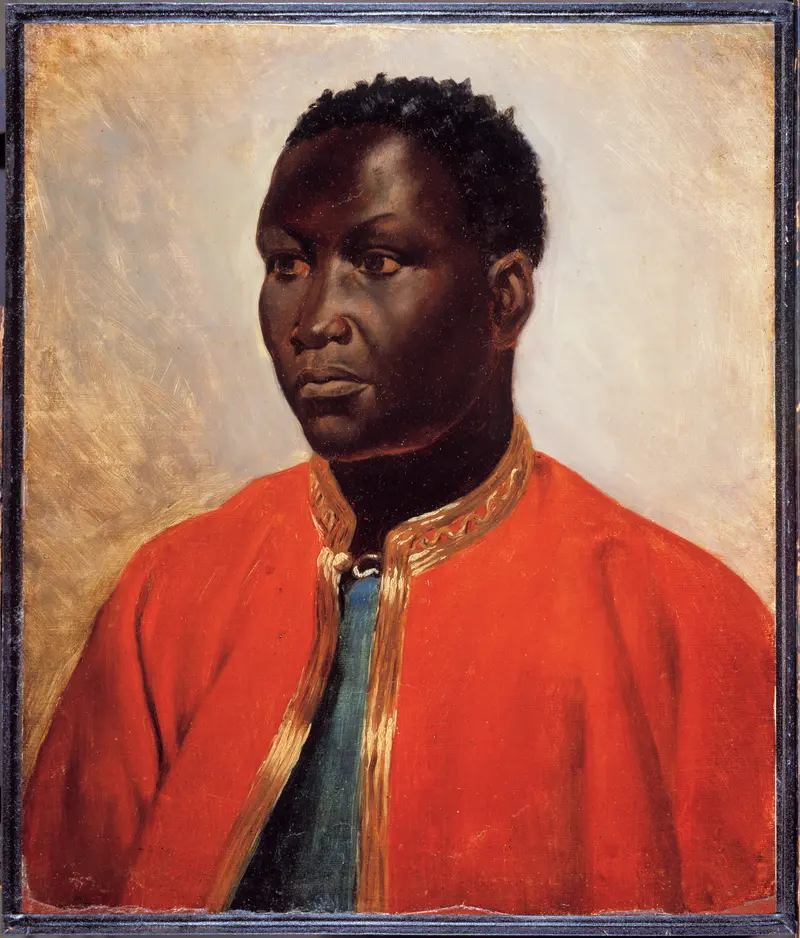
Portrait of a Negro
Théodore Géricault
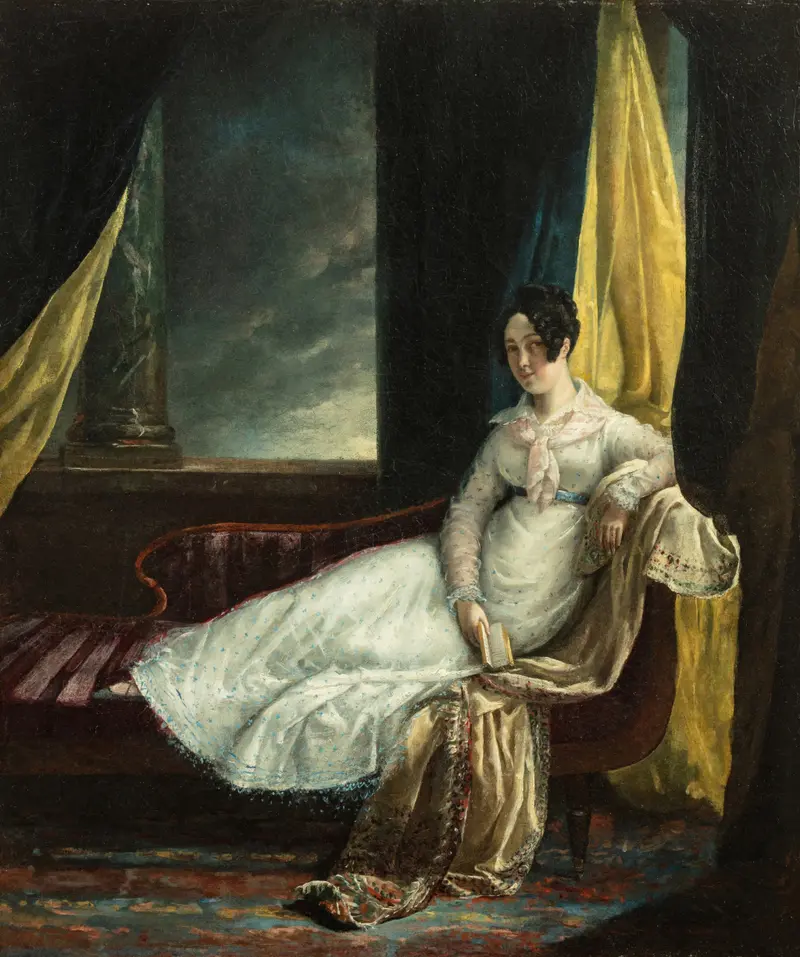
Portrait of Zoë Elmore
Théodore Géricault
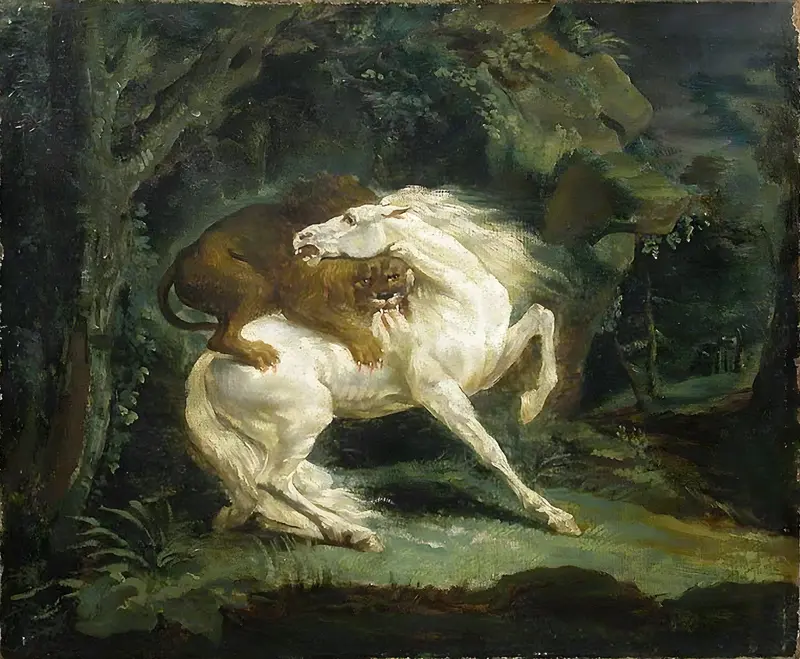
Cheval attaqué par un lion
Théodore Géricault
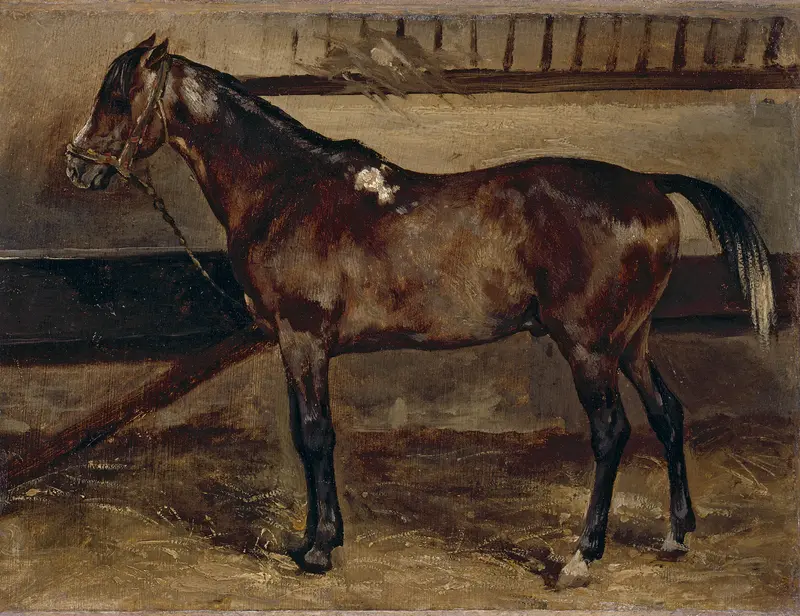
Cheval brun à l'écurie
Théodore Géricault





