
The Rearing of Bacchus — History & Facts
A swirl of bodies and color pulls the viewer straight into the heart of myth: here, the infant Bacchus is thrust into the world, surrounded by a lively throng of nymphs, satyrs, and animals. The painter’s eye lingers on the moment of urgent care—the baby, held aloft and offered to a nurturing breast, is at the center of a choreography of limbs and glances. A figure in rose drapery, perhaps Mercury, swoops in with a sense of haste, his movement echoed by the outstretched arms and attentive faces that crowd around the child.
The light, golden and clear, picks out the soft flesh of the figures and the gleam of a distant river, while a gentle cow, almost comically placid, anchors the left edge of the scene in the everyday. Painted in 1717, this work by Jean-François de Troy belongs to a world where mythological scenes were both a painter’s playground and a collector’s prize. The early eighteenth century delighted in such lush retellings of ancient stories, often destined for the private salons of the French elite or the grand halls of German princes. History has kept few traces of this particular canvas beyond its date and its present home in the Bode-Museum, but its exuberant storytelling and theatrical composition speak to the taste for spectacle and sensuality that defined the era.
Look again at the cloud above, where gods observe the earthly drama—here, the boundaries between heaven and earth, myth and reality, seem as porous as the painter’s brushstrokes.
More Artworks by Jean-François de Troy
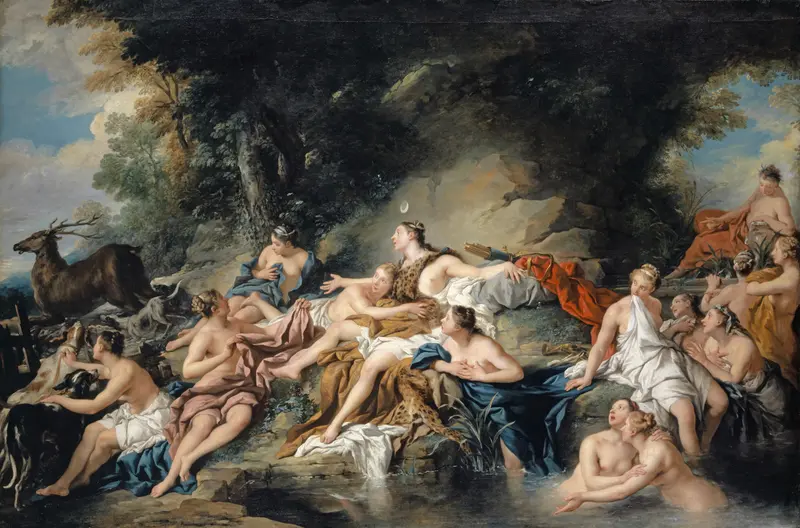
Diana and Actaeon
Jean-François de Troy
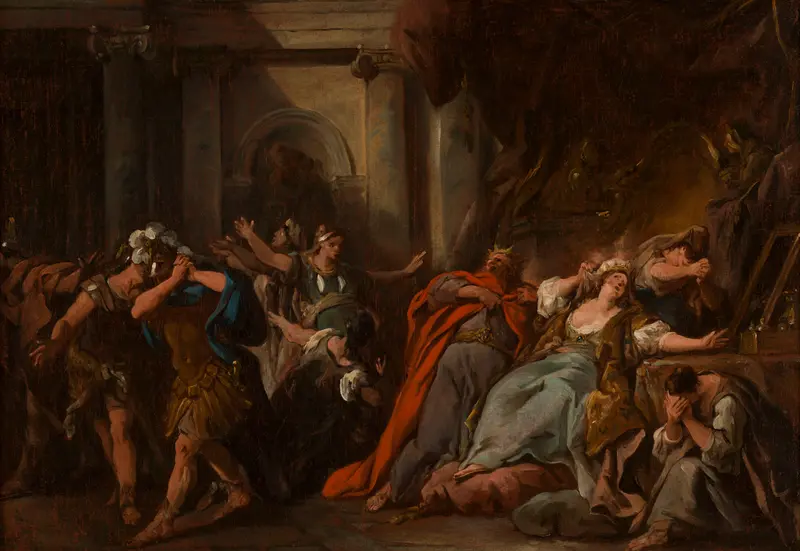
Créüse consumée par la robe empoisonnée
Jean-François de Troy
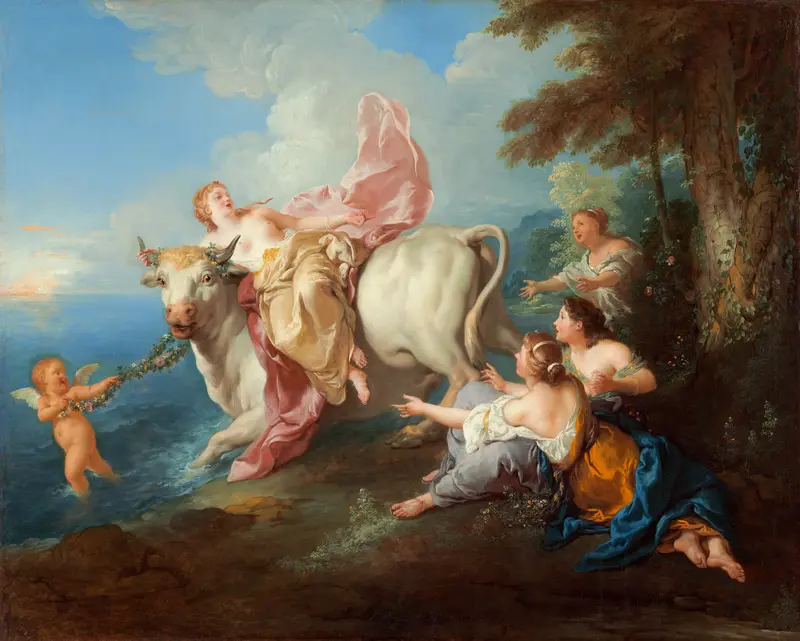
The Abduction of Europa
Jean-François de Troy
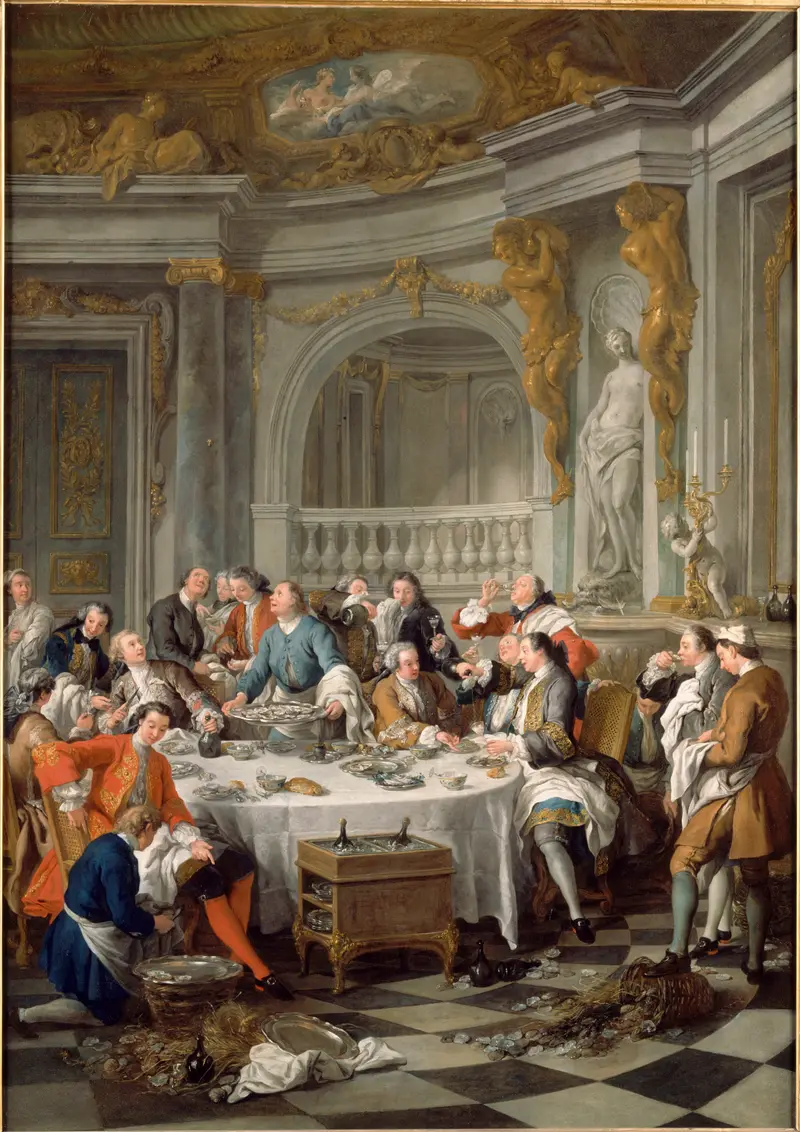
The Lunch of Oysters
Jean-François de Troy
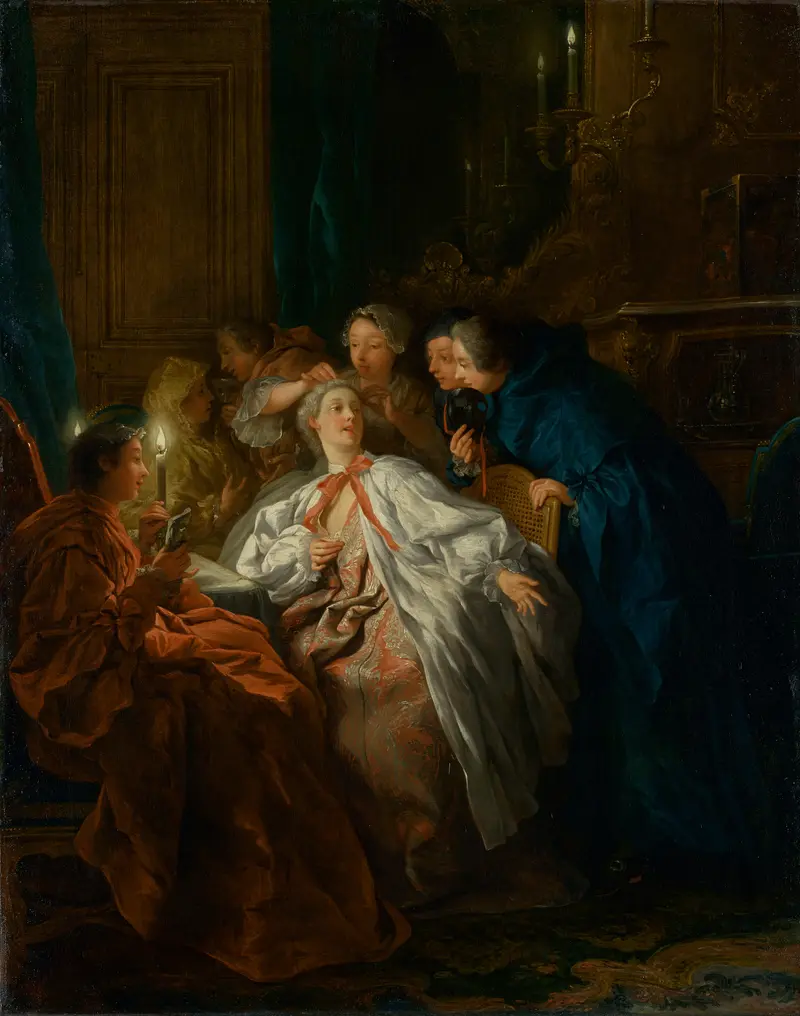
Before the Ball
Jean-François de Troy
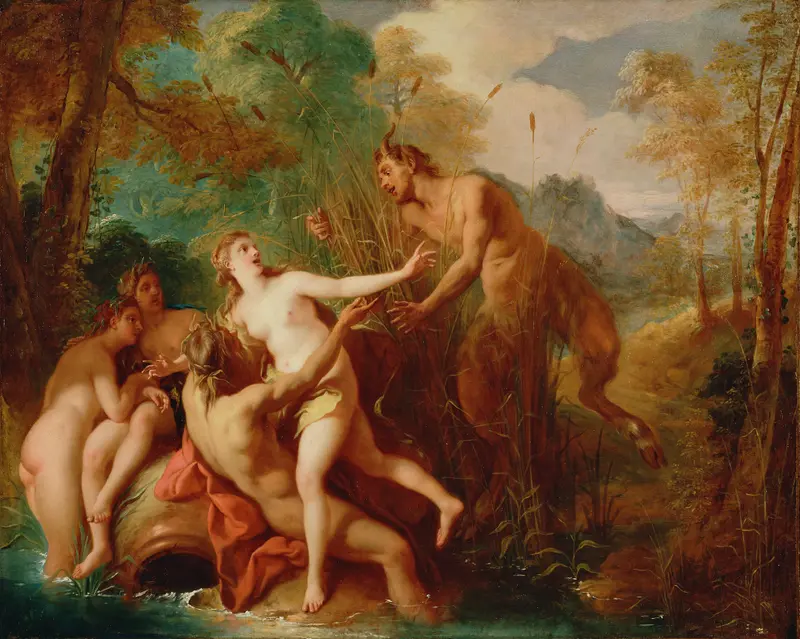
Pan and Syrinx
Jean-François de Troy

Le Combat des soldats nés des dents du serpent
Jean-François de Troy
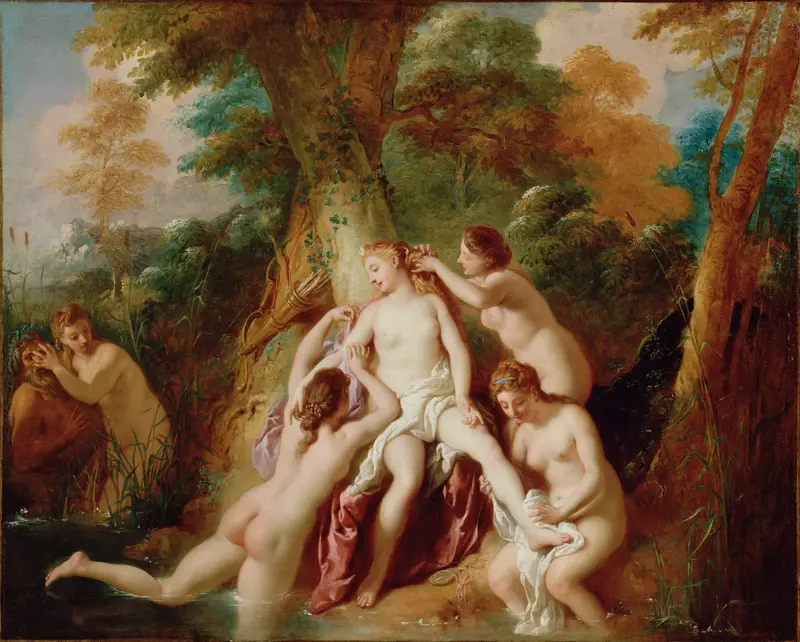
Diana and Her Nymphs Bathing
Jean-François de Troy
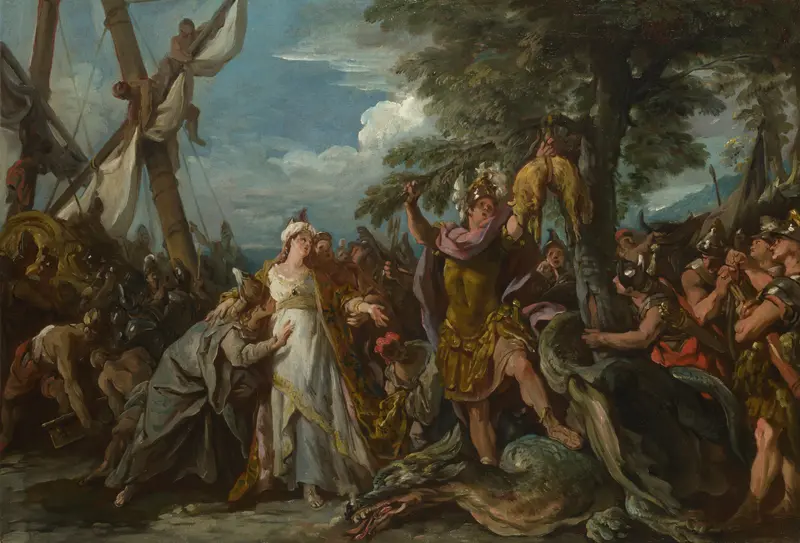
The Capture of the Golden Fleece
Jean-François de Troy

The Triumph of Mordecai
Jean-François de Troy





