
The Toilette of Venus — History & Facts
No single painting by Simon Vouet has been more frequently copied and adapted than The Toilette of Venus. Its composition became so influential in the seventeenth century that it was echoed by later artists, including François Boucher and Jean-Marc Nattier, who borrowed Vouet’s vision of Venus surrounded by attendants at her mirror. The original’s fame was such that, even centuries later, its precise date and medium remain matters of scholarly curiosity, as the painting itself is known primarily through engravings and studio replicas. In this scene, Venus, goddess of love, sits at her dressing table, attended by putti and nymphs who arrange her hair and offer her jewels.
Vouet chooses the intimate moment when the goddess admires her own reflection, a theme that speaks to both vanity and self-awareness. The pearls and mirrors scattered across the table symbolize beauty and transience, while the playful cherubs evoke a sense of divine playfulness. Vouet’s delicate handling of flesh tones and shimmering fabrics recalls the Venetian tradition, yet his Venus is more direct and worldly than Titian’s in Venus with a Mirror, gazing out with a knowing confidence. The painting’s journey is as enigmatic as its subject.
While The Toilette of Venus is often associated with Vouet’s Parisian period, when he was painter to Louis XIII, the lack of a securely documented original has led to much debate among art historians. Several versions and copies exist, some attributed to Vouet’s workshop, others to later admirers; the whereabouts of the prime version remain uncertain. Despite this, the composition’s widespread influence cements its place as a touchstone of French Baroque painting, and a testament to Vouet’s role in shaping the visual language of the French court.
More Artworks by Simon Vouet

Portrait of Louis XIII
Simon Vouet
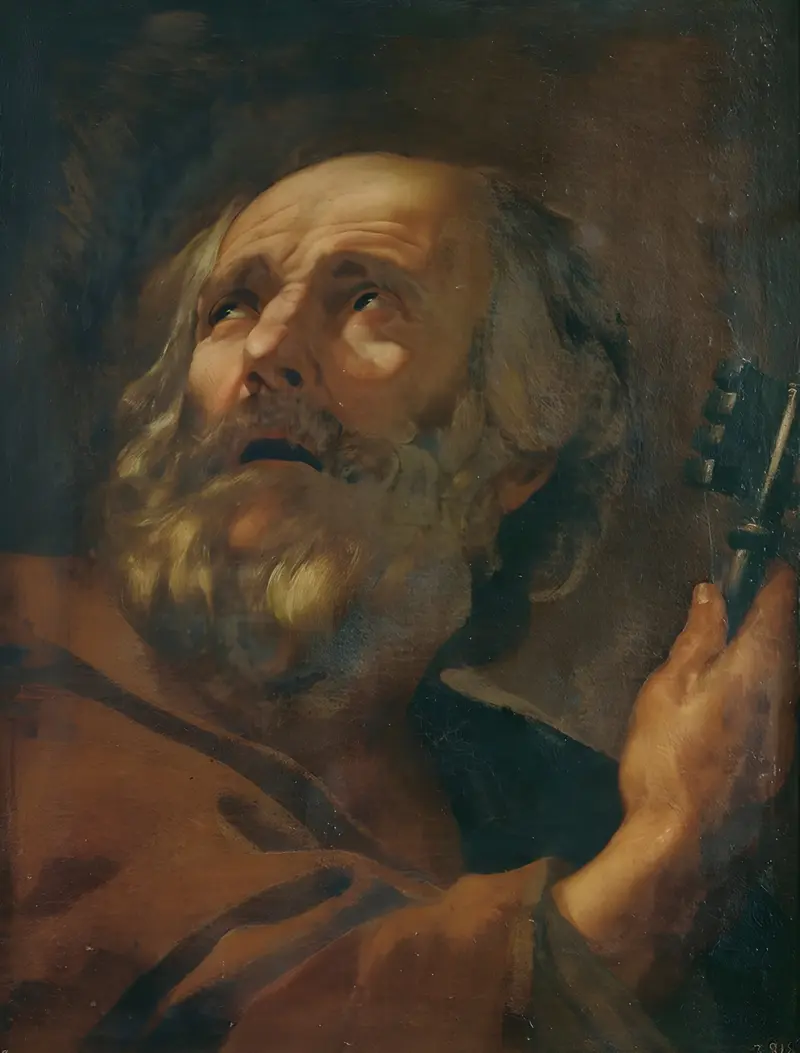
Saint Peter
Simon Vouet
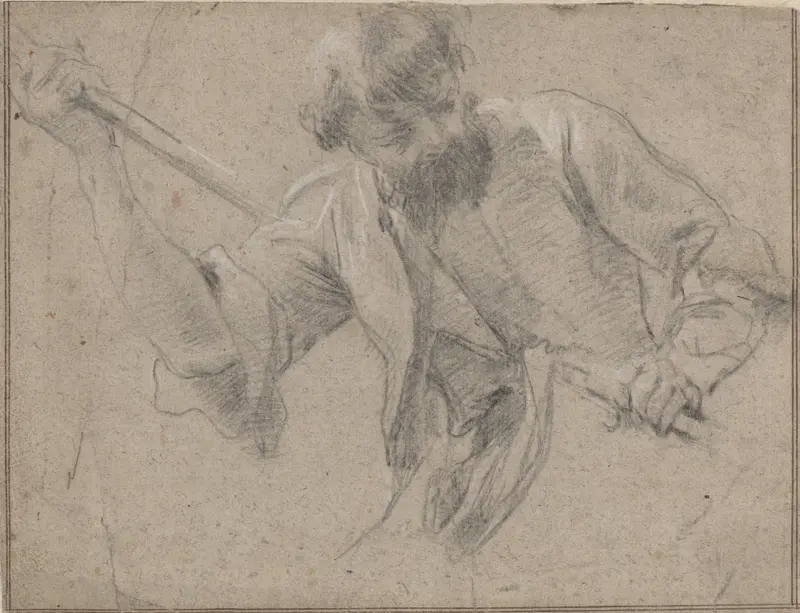
A Bearded Man with a Staff
Simon Vouet
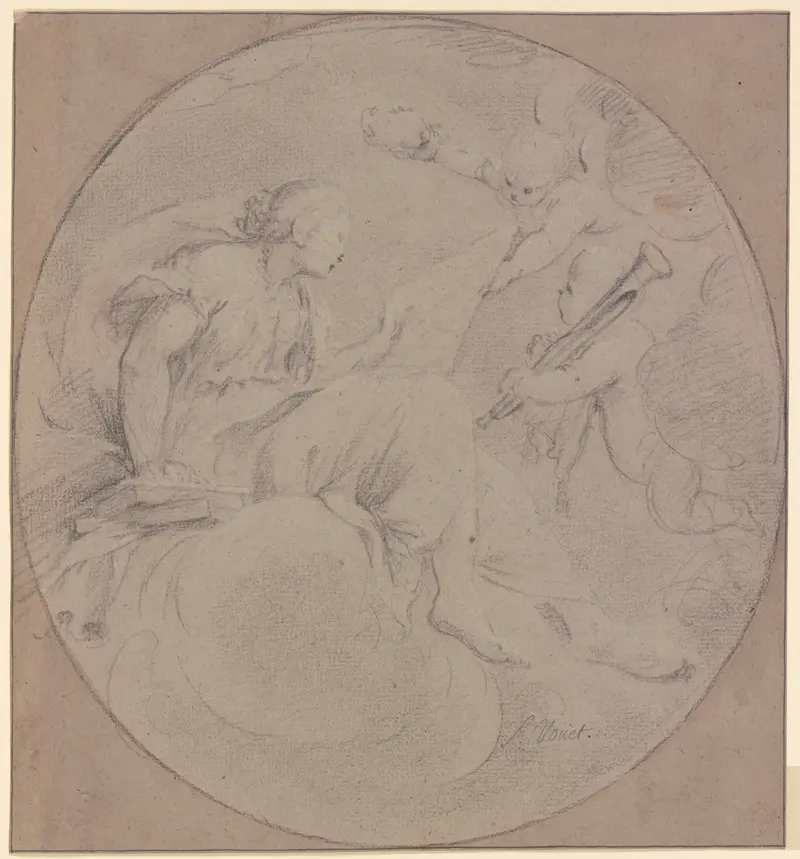
Die Muse der Musik mit zwei Genien, deren einer eine Trompete trägt
Simon Vouet
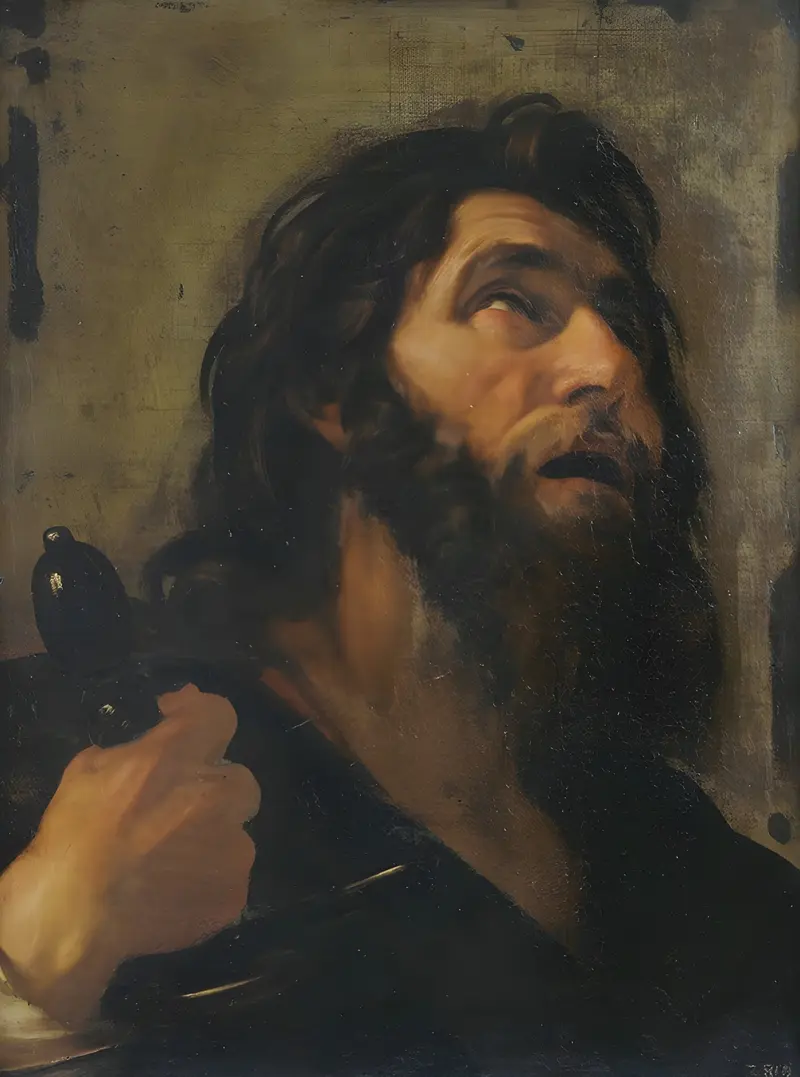
Saint Paul
Simon Vouet
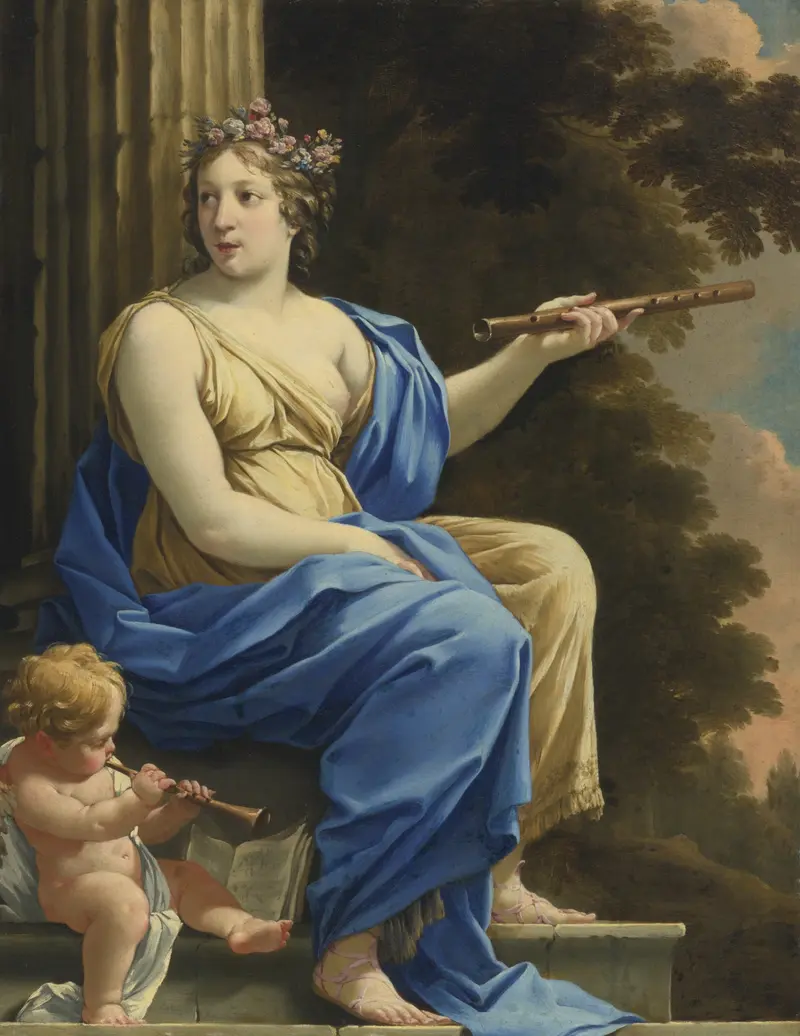
Euterpe, The Muse Of Music And Lyric Poetry
Simon Vouet
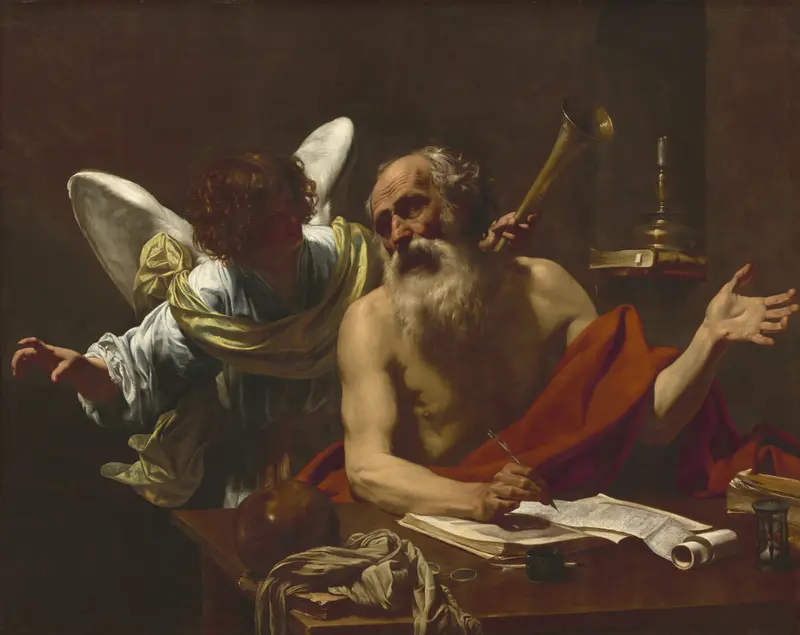
Saint Jerome and the Angel
Simon Vouet
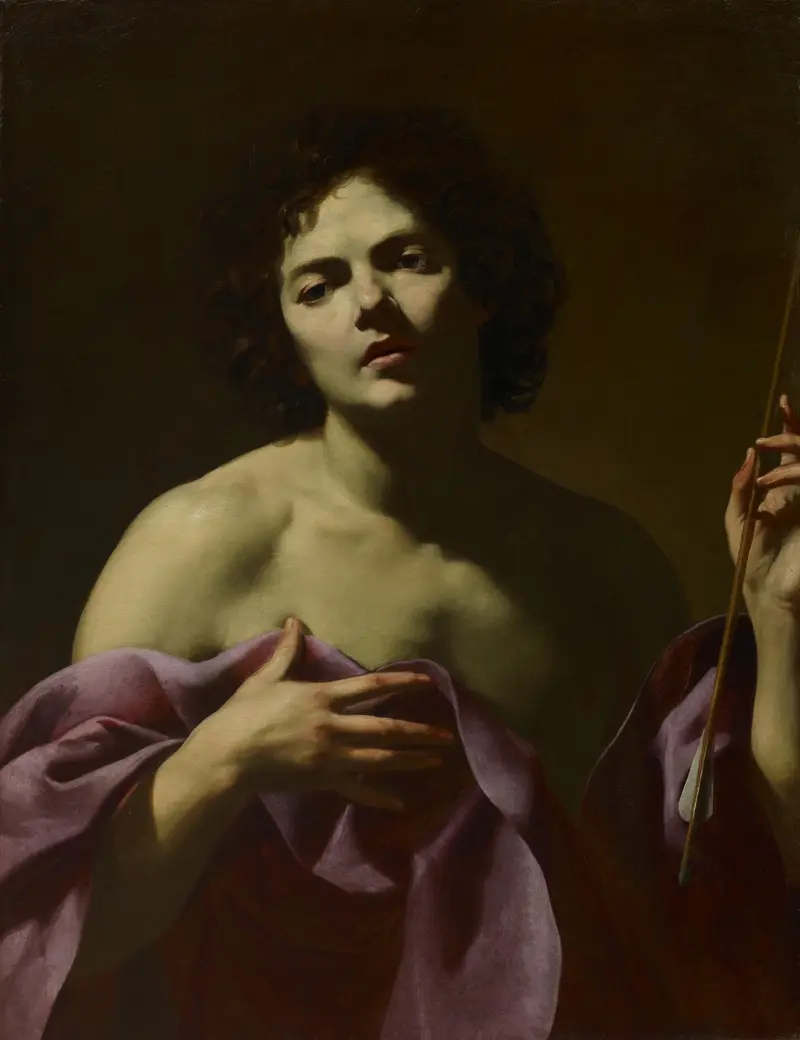
Saint Sebastian
Simon Vouet
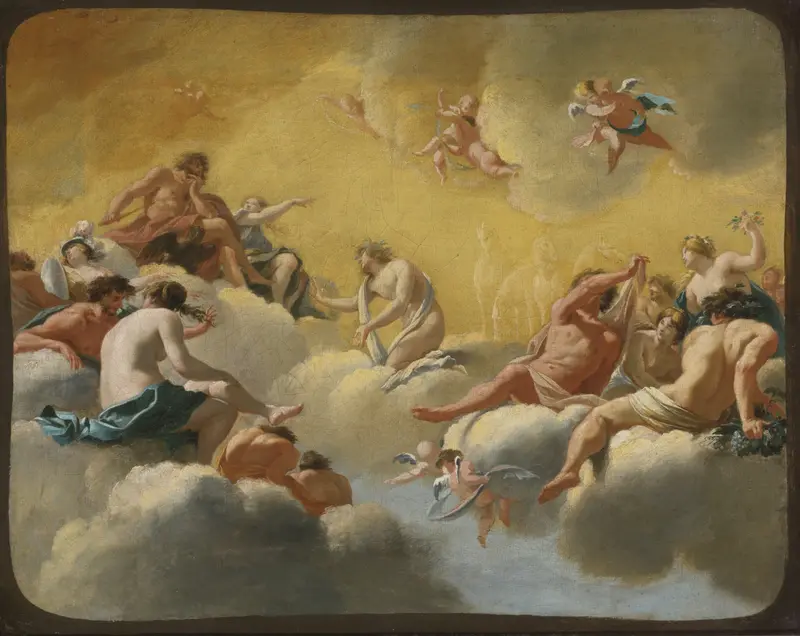
Assembly Of The Gods
Simon Vouet
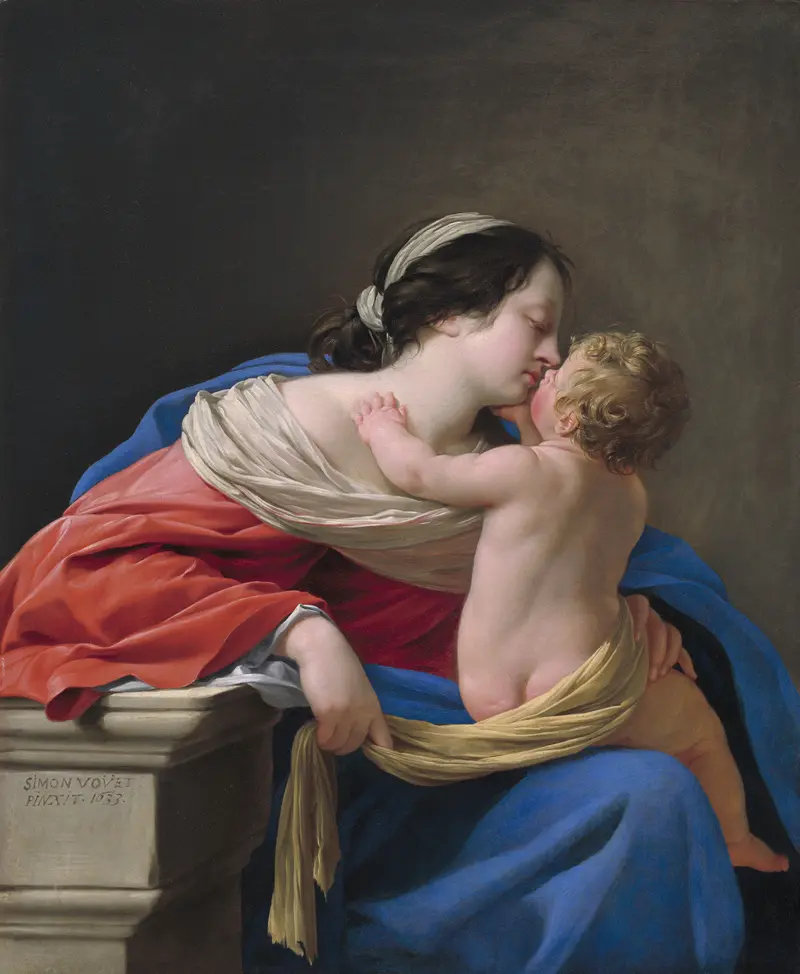
Madonna and Child
Simon Vouet





