
The Virgin nursing the Child" — History & Facts
In 1617, Artemisia Gentileschi painted her only known depiction of the Virgin Mary not as a distant queen, but as a nursing mother—an image rarely attempted by women artists of the Italian Baroque. The subject, known as the Madonna Lactans, had been popular in earlier centuries but was increasingly rare in Gentileschi’s time, especially in Rome, where decorum and Counter-Reformation doctrine discouraged such intimate portrayals. That a woman artist would choose to revisit this tender, humanizing theme is remarkable, and some scholars see in it a quiet assertion of female experience and authority.
The painting’s authorship has never been seriously doubted, but its original commission remains a mystery. The moment Gentileschi selects is not one of miracle or majesty, but of everyday care: the Christ Child, chubby and restless, turns toward his mother’s breast, his tiny hand grasping at her garment, while Mary looks down in a gaze of tired devotion. The light, falling softly across her face and the Child’s limbs, creates a hush of intimacy, drawing the viewer into the quiet bond between mother and son. The Virgin’s blue cloak and red gown signal her traditional iconography, but the fleshiness of her arms and the directness of her gaze set her apart from the idealized Madonnas of Raphael or Guido Reni.
Unlike those artists, Gentileschi gives her Virgin a palpable physical presence, suggesting both strength and vulnerability. The painting’s early history is uncertain; it may have been intended for private devotion, as such images were rarely displayed in public churches by the early 17th century. It is not listed in any known inventory of Gentileschi’s Roman patrons, and its whereabouts for much of its life remain unknown. Today, The Virgin nursing the Child stands as a rare example of Marian imagery by a female hand, and a testament to Artemisia Gentileschi’s ability to combine the lessons of her father Orazio and the drama of the Baroque with a perspective all her own.
Its survival and attribution are a reminder of how much remains to be discovered about women artists of this era.
More Artworks by Artemisia Gentileschi

Judith Beheading Holofernes
Artemisia Gentileschi
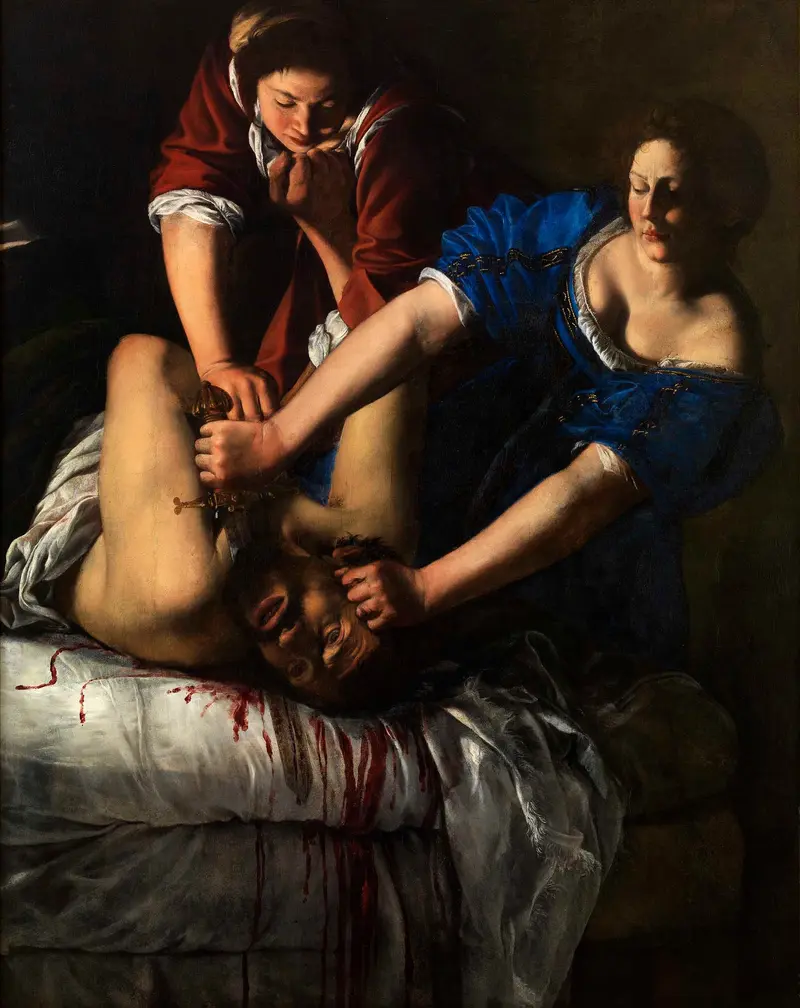
Judith Slaying Holofernes
Artemisia Gentileschi
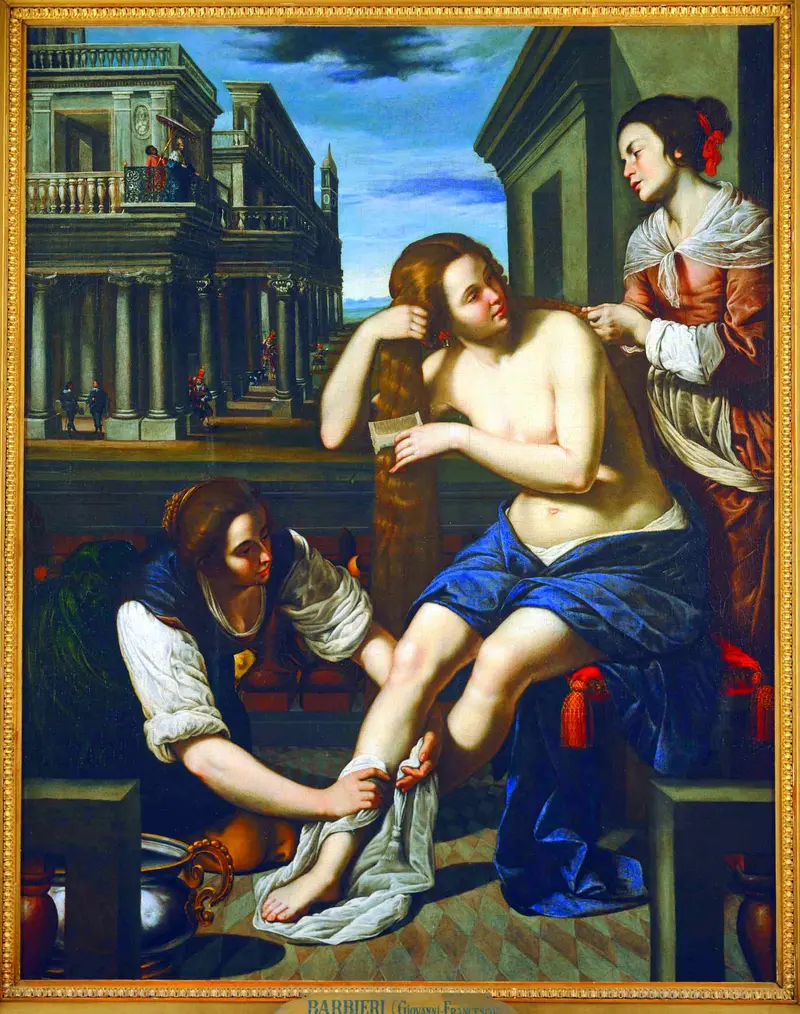
Bathsheba at Her Bath
Artemisia Gentileschi
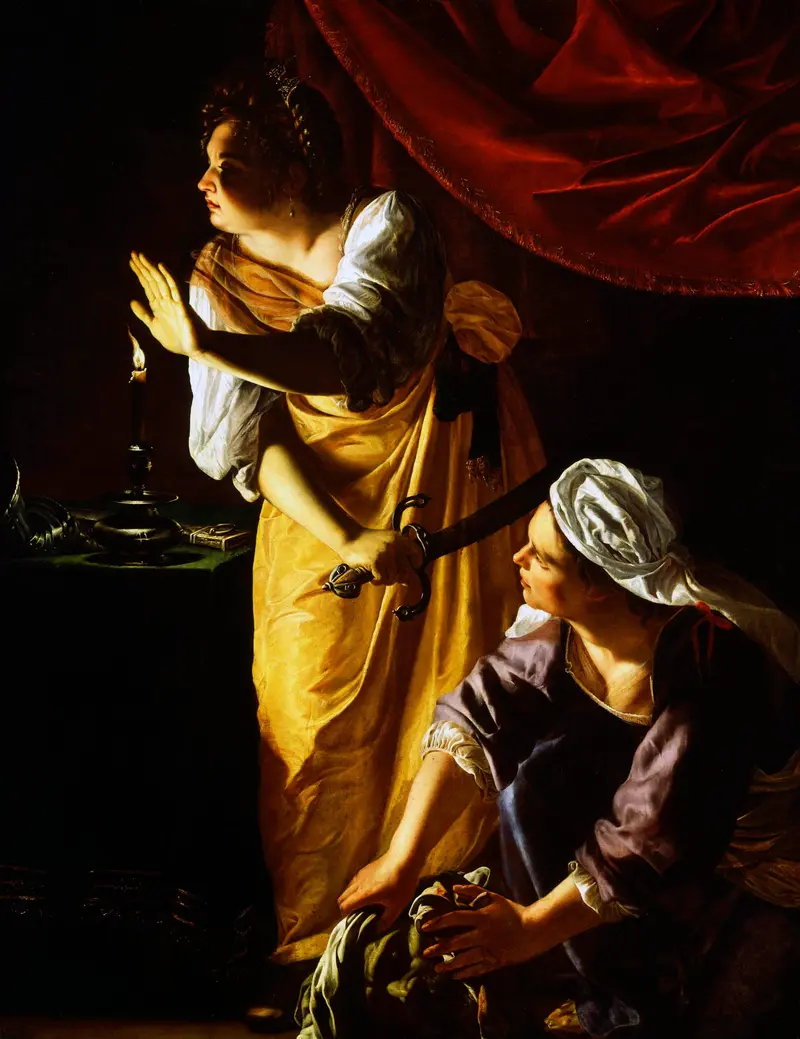
Judith and Maidservant with Head of Holofernes
Artemisia Gentileschi
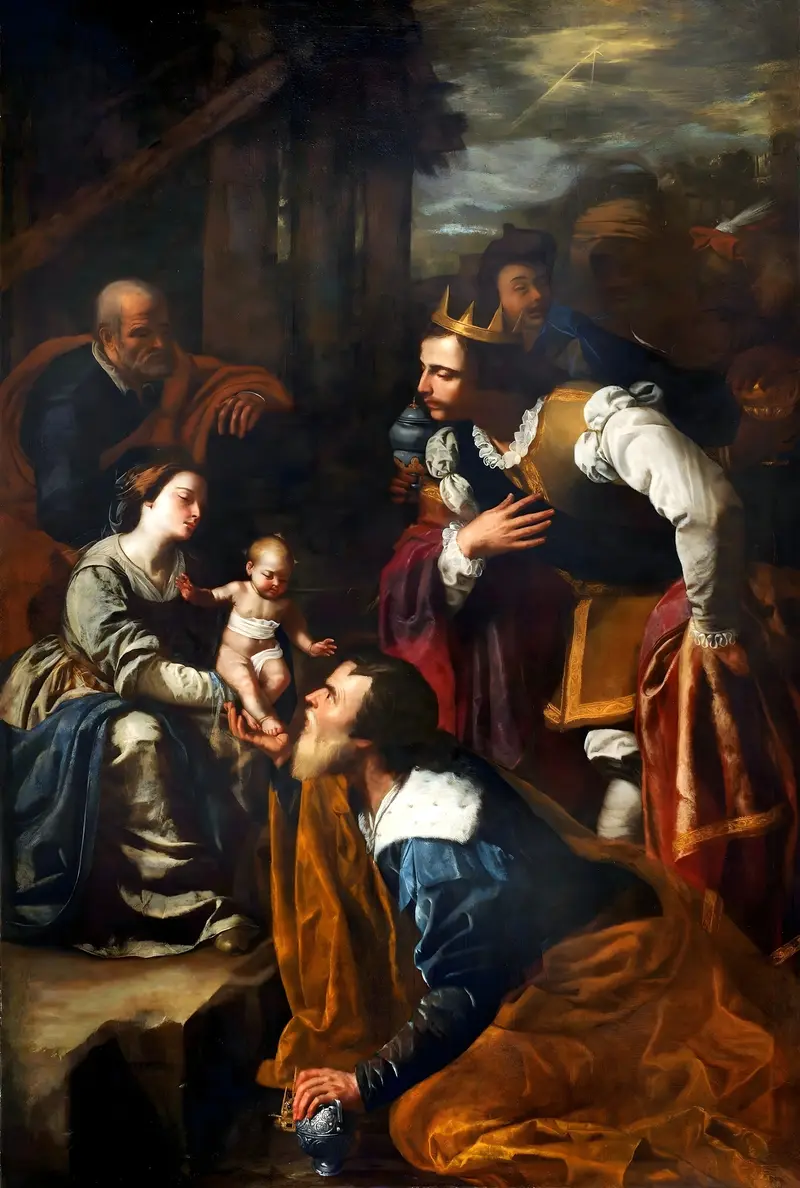
Adoration of the Magi
Artemisia Gentileschi
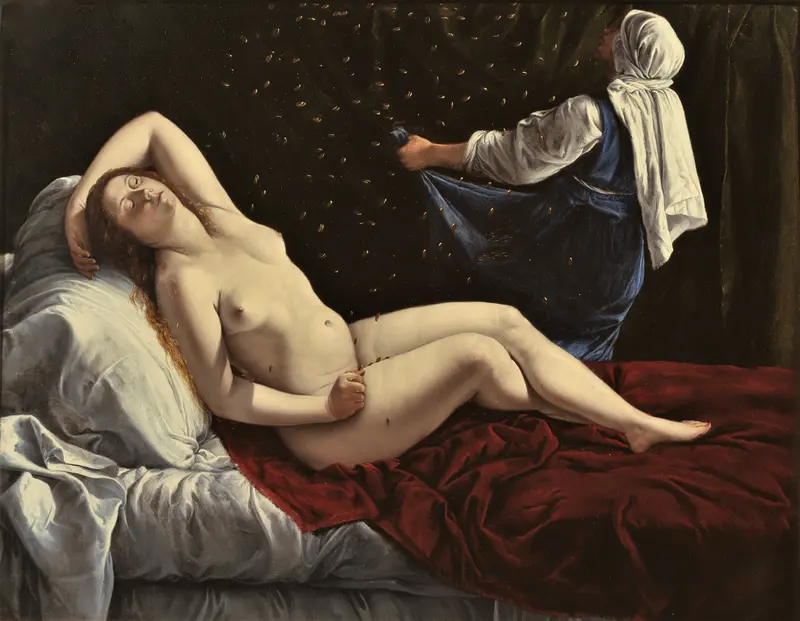
Danaë
Artemisia Gentileschi
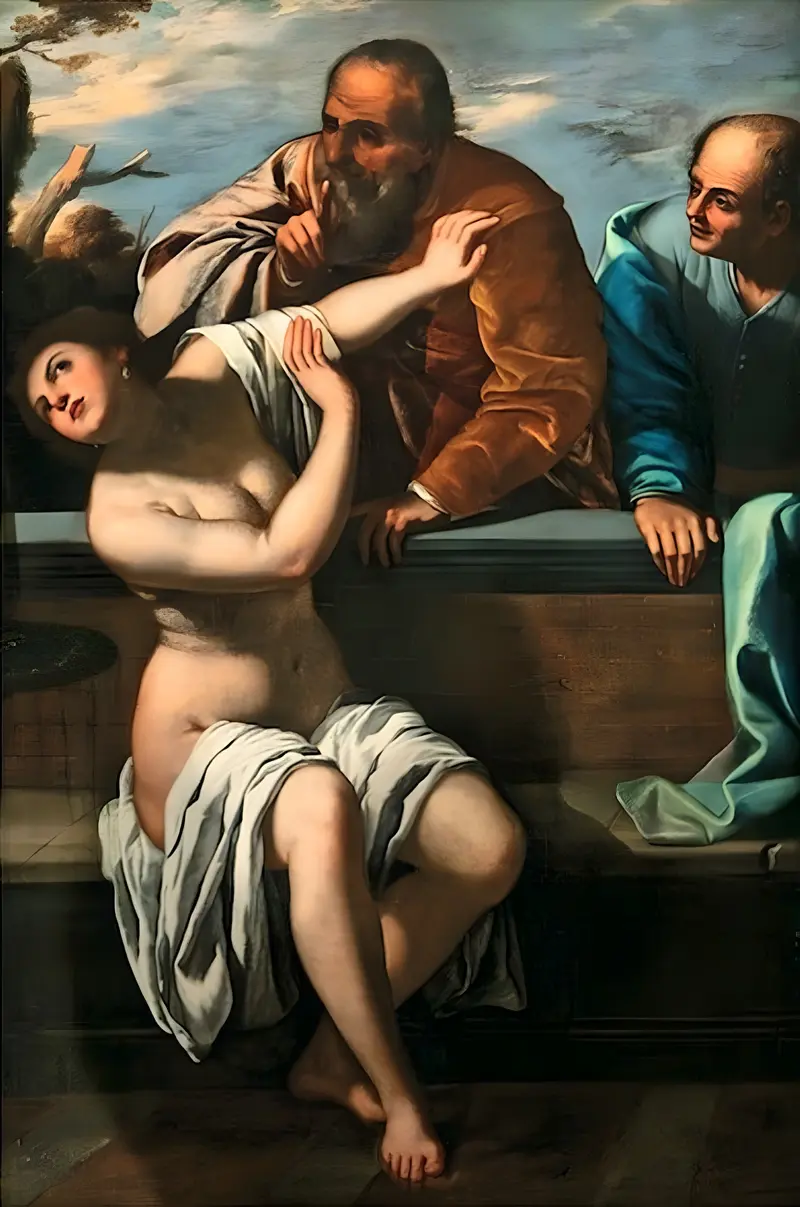
Susannah and the Elders
Artemisia Gentileschi

Judith and her Servant with the Head of Holofernes
Artemisia Gentileschi
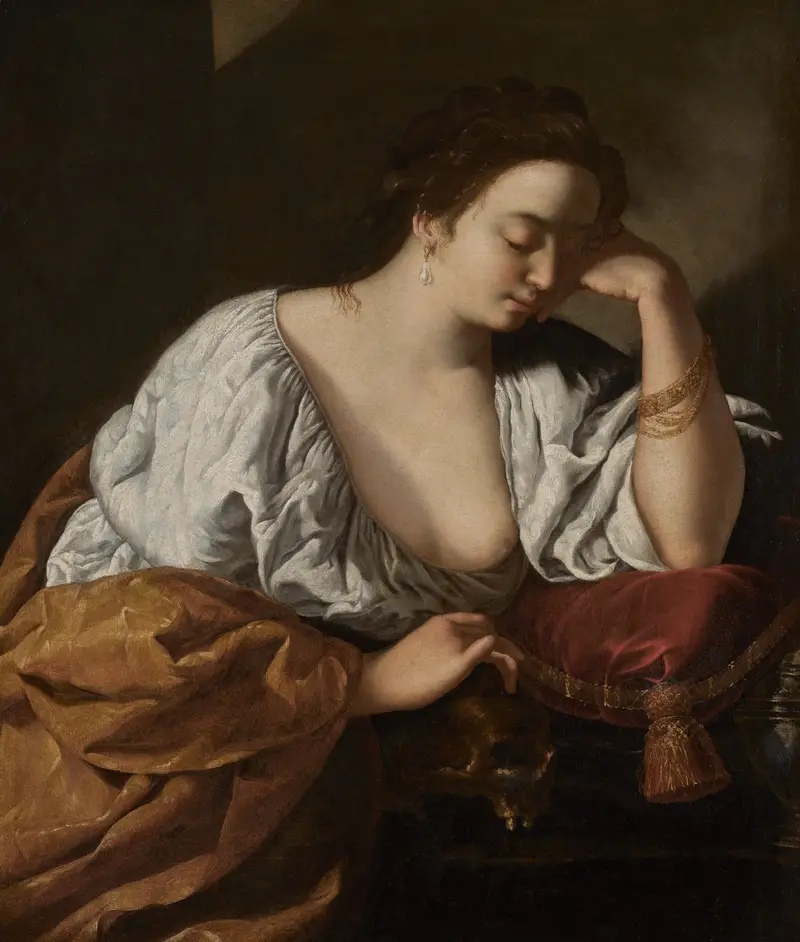
Madeleine pénitente, par
Artemisia Gentileschi

Portrait of a Gonfaloniere
Artemisia Gentileschi





