
Three Studies of Women — History & Facts
One of the most intriguing aspects of Three Studies of Women is that it offers a rare glimpse into the working process of Abraham Bloemaert, a leading figure of the Dutch Golden Age. Unlike finished paintings destined for the altarpiece or the collector’s cabinet, this sheet—its date and medium still uncertain—was likely created as a study for Bloemaert’s own pupils, or as a reference for future compositions. Such studies were often kept in the artist’s studio, serving as a visual library for both teacher and apprentice.
The survival of this work allows viewers to step behind the curtain of the 17th-century workshop, witnessing the careful observation and repetition that underpinned the era’s celebrated paintings. The sheet presents three women, each captured in a different pose and attitude, their forms rendered with a keen attention to anatomy and drapery. Rather than telling a single story, Bloemaert isolates gestures and expressions: a hand raised, a head turned, a figure seated in quiet contemplation. These motifs recur throughout his religious and mythological scenes, suggesting that the artist was building a repertoire of human types and movements.
The careful modeling of light and shadow recalls the studies of Peter Paul Rubens, who also filled his sketchbooks with such preparatory figures. In Bloemaert’s hands, the women become both individuals and archetypes, ready to inhabit the dramas of biblical or classical narrative. The precise origins of Three Studies of Women remain uncertain, as is often the case with artists’ studies from this period. Bloemaert spent most of his life in Utrecht, where he trained generations of painters who would go on to shape Dutch art.
Works like this circulated among his students and followers, influencing the likes of Hendrick ter Brugghen and Jan Both. Today, such sheets are prized for their immediacy and insight into the artist’s method, and are held in museum collections across Europe and America. Whether this particular study was ever used in a finished painting is not known, but it stands as a testament to Bloemaert’s role as both craftsman and teacher.
More Artworks by Abraham Bloemaert

Adam and Eve
Abraham Bloemaert
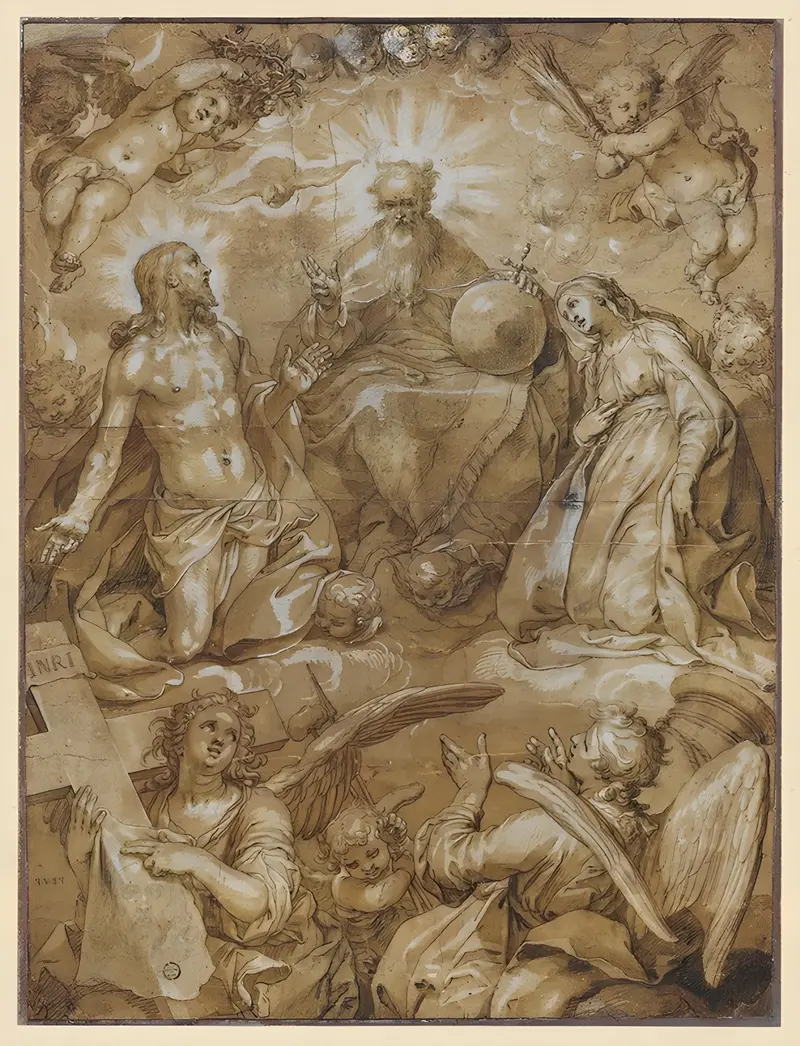
Intercession of Christ and Mary before God the Father
Abraham Bloemaert
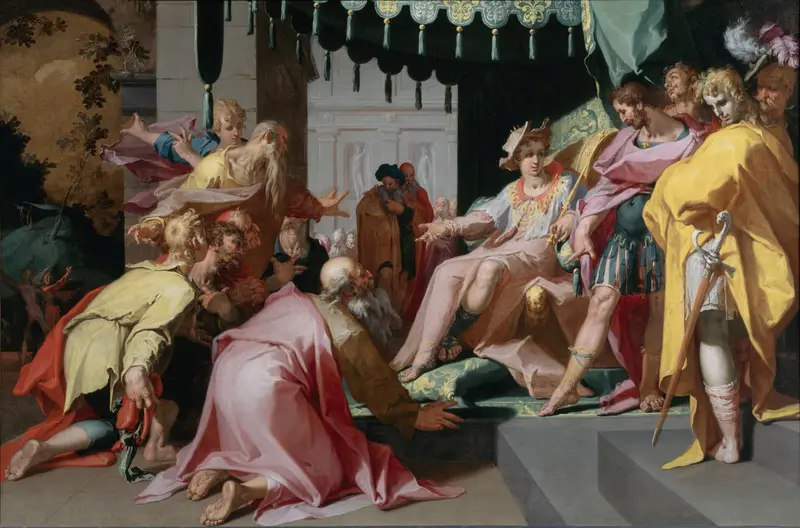
Joseph and his Brothers
Abraham Bloemaert
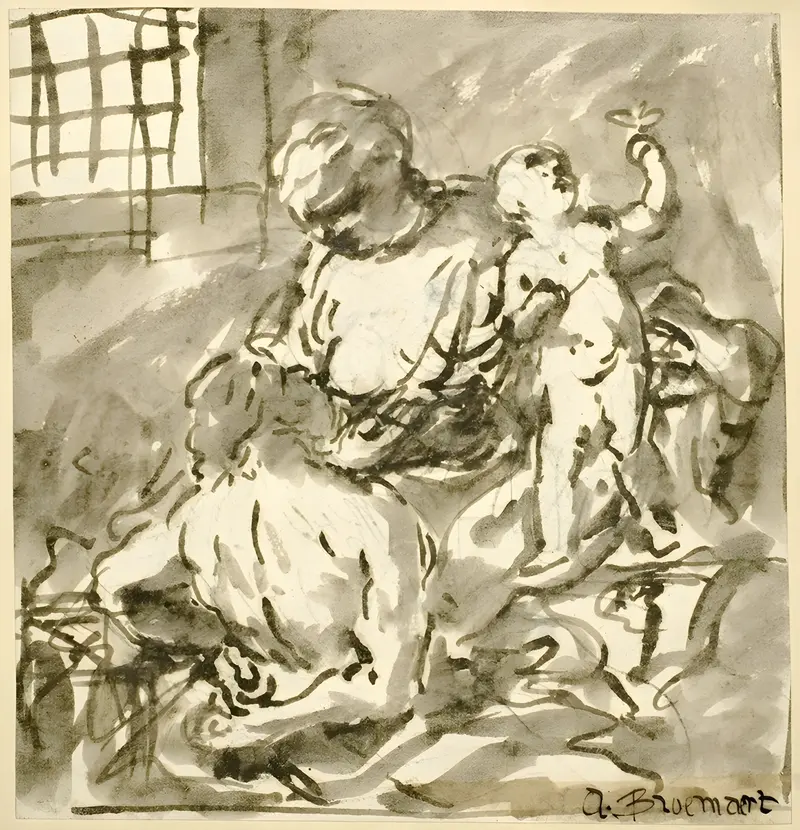
Caritas Romana
Abraham Bloemaert
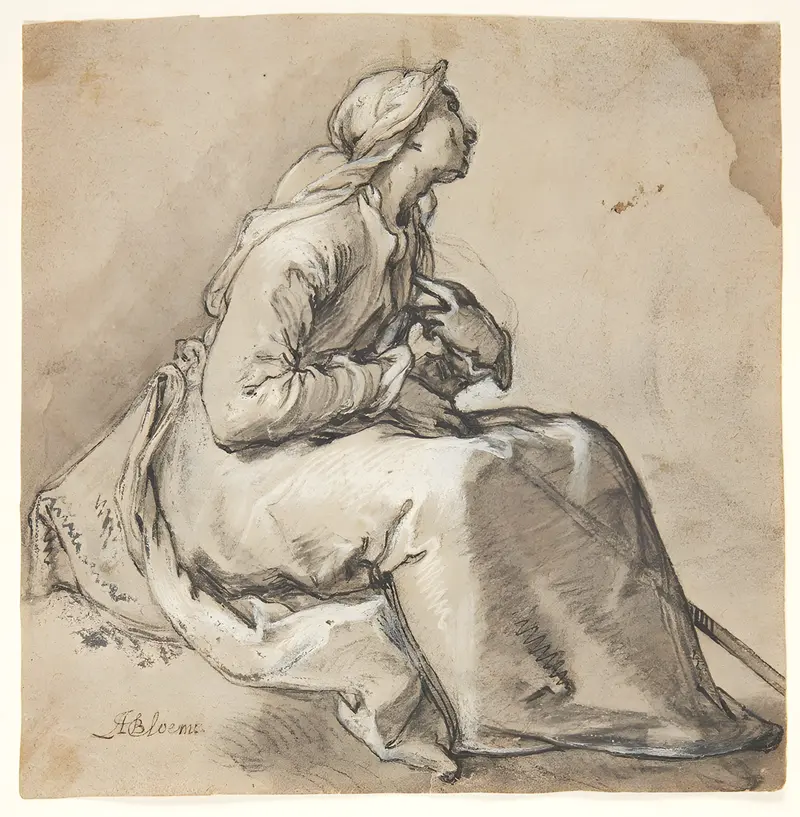
A seated woman facing right
Abraham Bloemaert
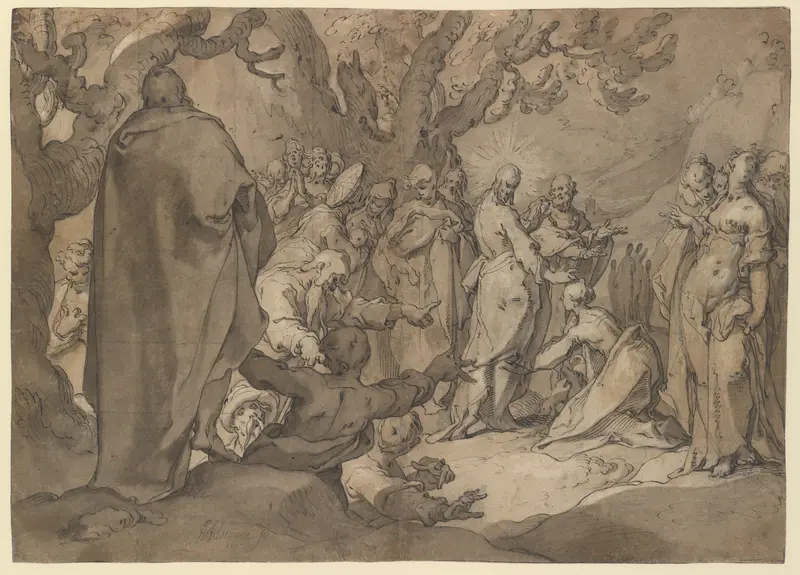
Christ and the Canaanite Women
Abraham Bloemaert
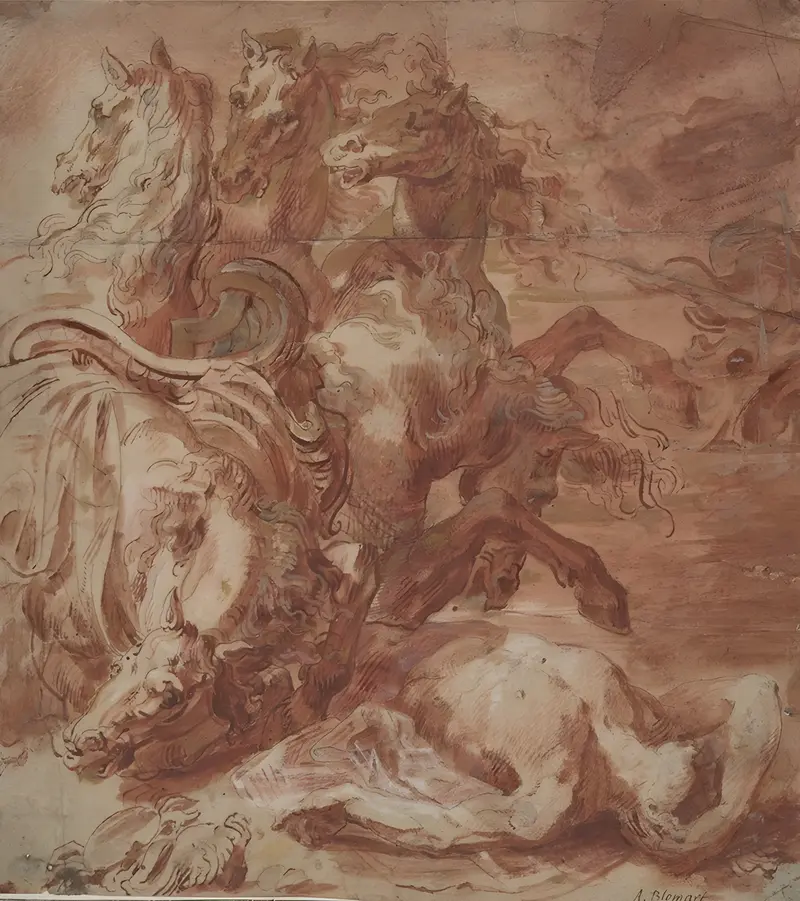
Hippolytus
Abraham Bloemaert
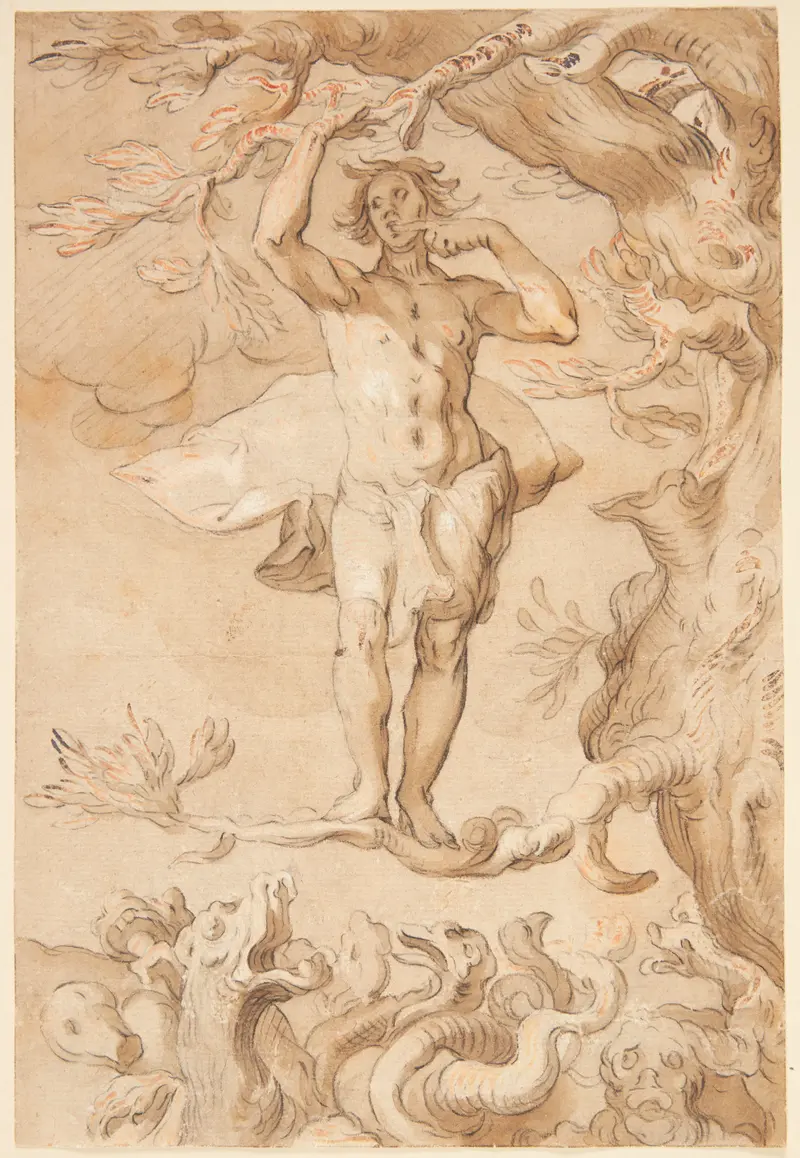
Den menneskelige glædes skrøbelighed En mand, der jages af en drage, klynger sig til en gren, mens han slikker honning af sin finger
Abraham Bloemaert

Moses Striking the Rock
Abraham Bloemaert
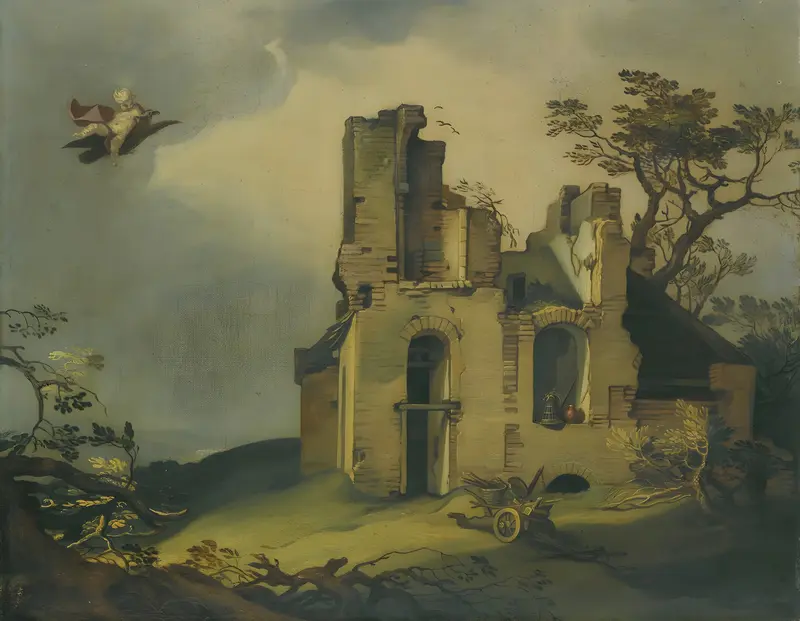
A Landscape With Ruins, With The Rape Of Ganymede
Abraham Bloemaert



