
Triptych of Saint Sebastian — History & Facts
When the young Giovanni Bellini was commissioned to paint the Triptych of Saint Sebastian in 1464, he was still working under the shadow of his father, Jacopo Bellini, and alongside his brother-in-law, Andrea Mantegna. This triptych marks one of the earliest documented collaborations within the Bellini workshop, and it is often cited as a turning point in Venetian altarpiece design. The work’s original home was the church of San Sebastiano in Venice, where it stood as a testament to the city's devotion to the plague-protecting saint during a period of frequent outbreaks. At the heart of the triptych, Saint Sebastian stands bound to a column, his body pierced by arrows but his gaze lifted heavenward—a moment of suffering transformed into serene acceptance.
Flanking him are saints, each rendered with individualized features and gestures: Saint John the Baptist gestures in benediction, while Saint Francis contemplates a crucifix. The gold ground and delicate architectural framing recall the influence of Byzantine mosaics, yet Bellini’s figures possess a new softness and humanity. Unlike Andrea Mantegna’s more sculptural and dramatic Saint Sebastians, Bellini’s saint is gentle, his martyrdom depicted as a quiet endurance rather than agony. The Triptych of Saint Sebastian remained in its Venetian church for centuries before being moved during the Napoleonic suppressions, a fate shared by many religious works in Italy.
Its attribution to Giovanni Bellini was once debated, given the collaborative nature of the Bellini workshop and the similarities to his father’s style, but most scholars now agree on Giovanni’s hand, noting the emerging lyricism that would define his later work. Today, the triptych is preserved in the Gallerie dell’Accademia in Venice, where it stands as an early milestone in Bellini’s career and a key example of the shift from Gothic to Renaissance sensibilities in Venetian painting.
More Artworks by Giovanni Bellini
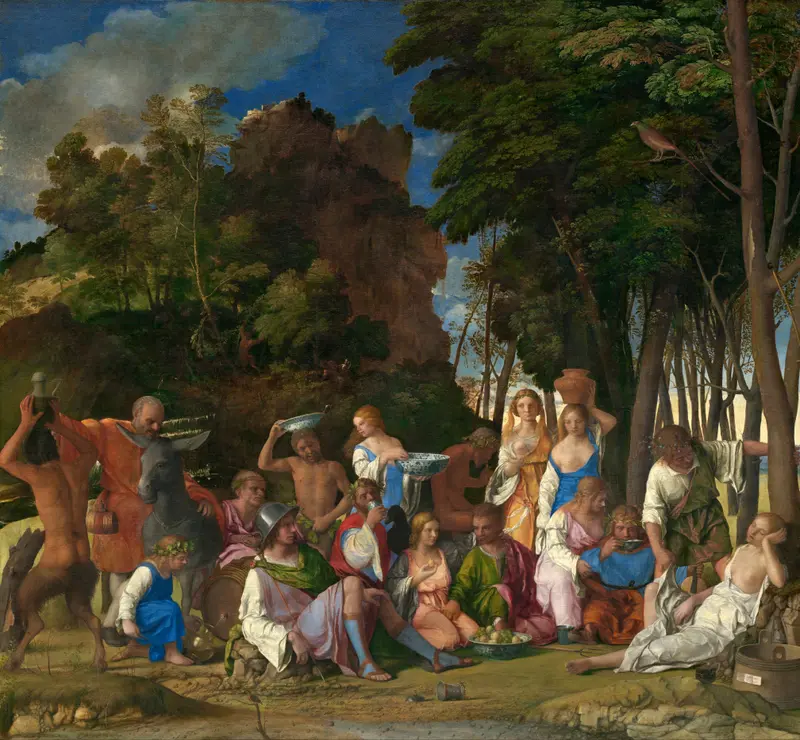
The Feast of the Gods
Giovanni Bellini

Madonna and Child enthroned with Saints and Angels
Giovanni Bellini
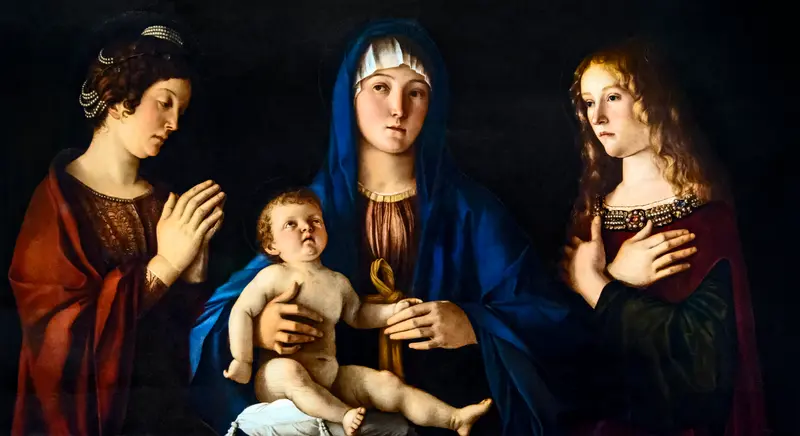
Madonna and Child between Saints Catherine and Mary Magdalene
Giovanni Bellini
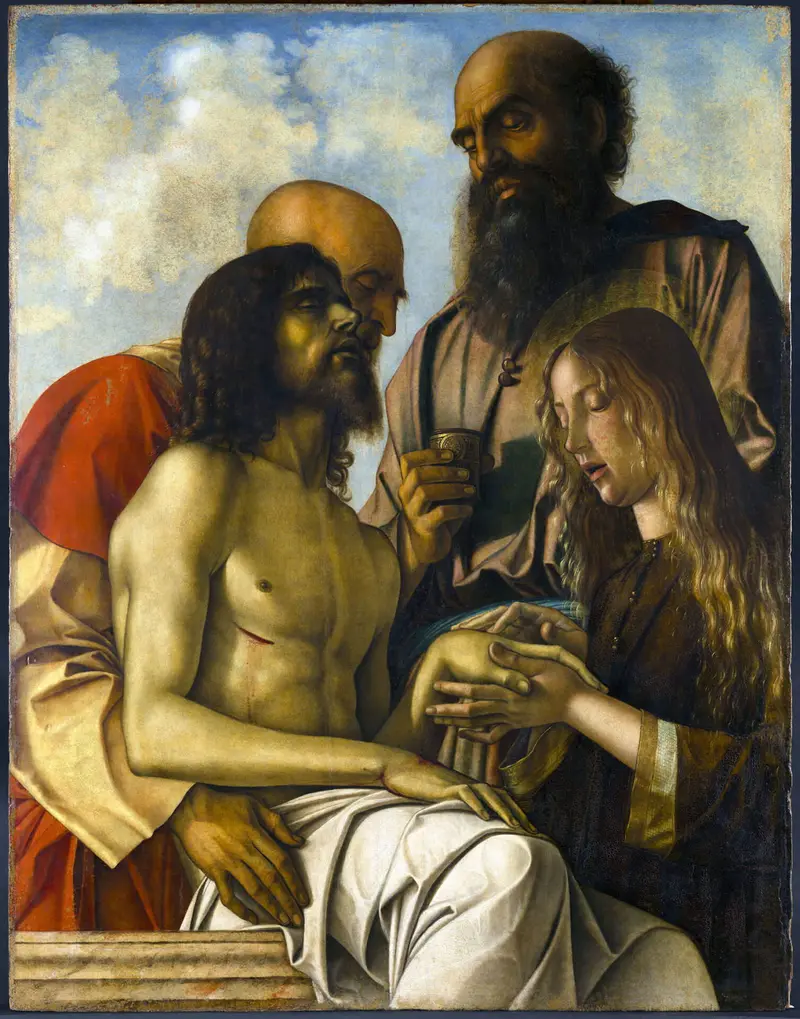
Lamentation over the Dead Christ
Giovanni Bellini
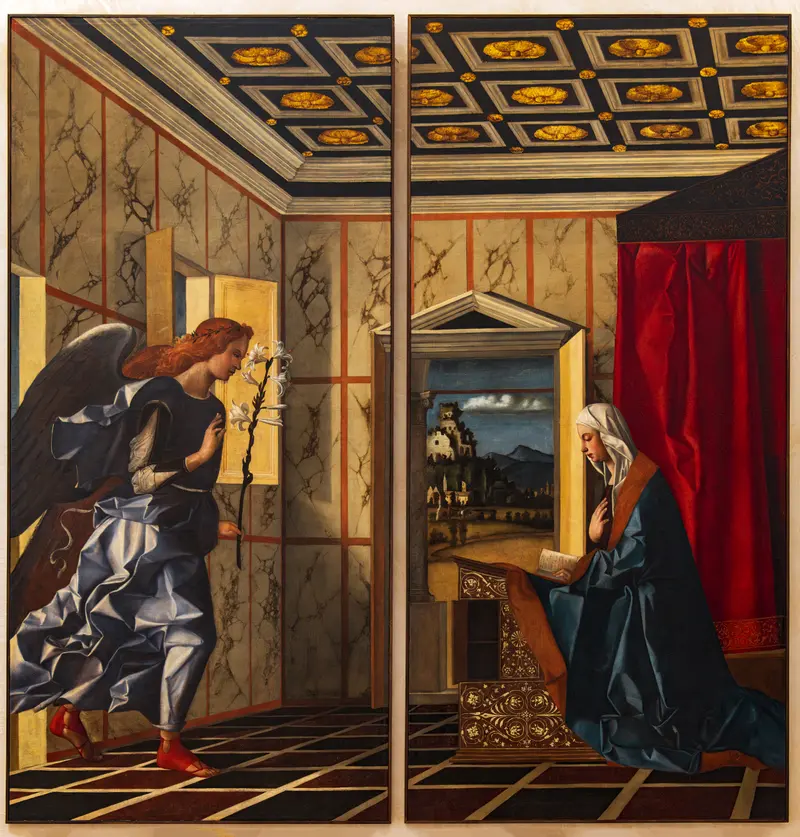
Annunciation
Giovanni Bellini
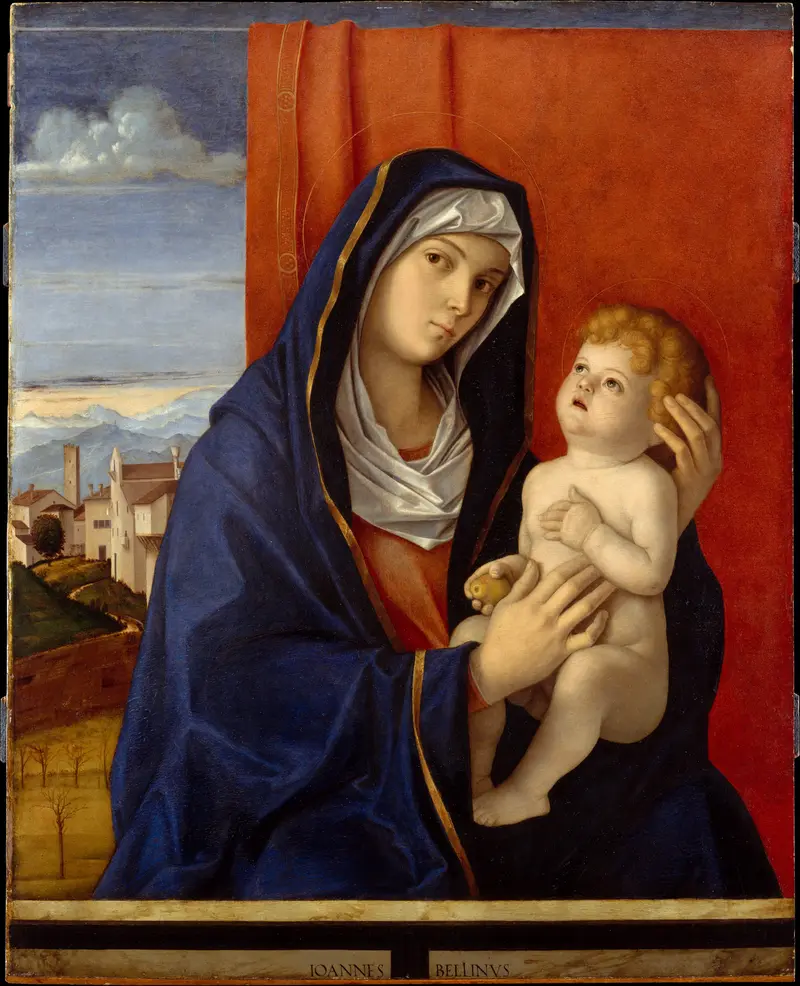
Madonna and Child
Giovanni Bellini
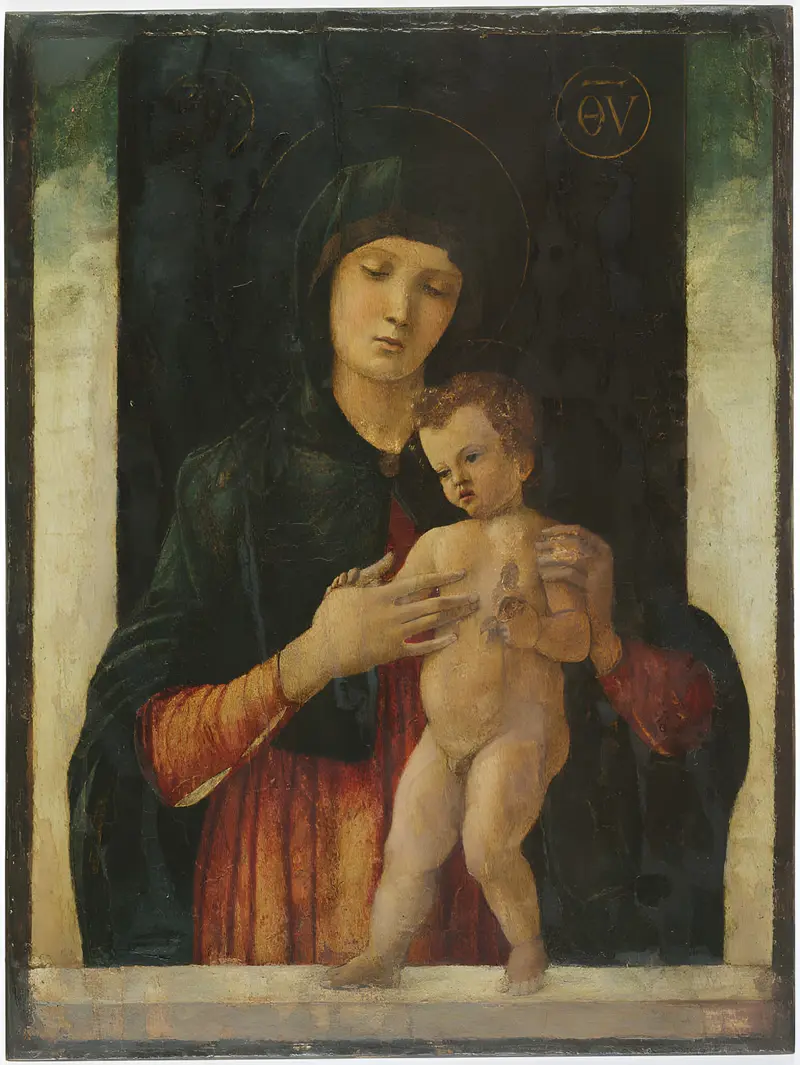
The Virgin and Child
Giovanni Bellini
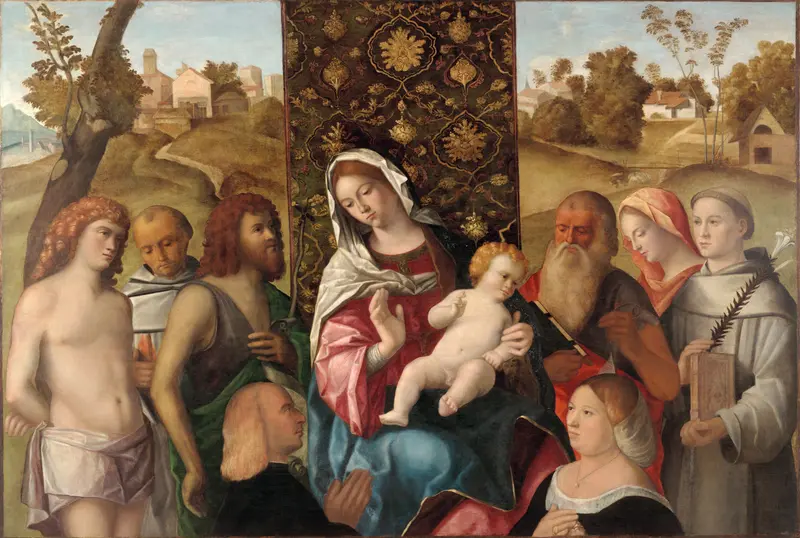
Virgin and Child with Saints Sebastian, Francis, John the Baptist, Jerome, an unidentified female saint, Saint Anthony of Padua and two donors
Giovanni Bellini
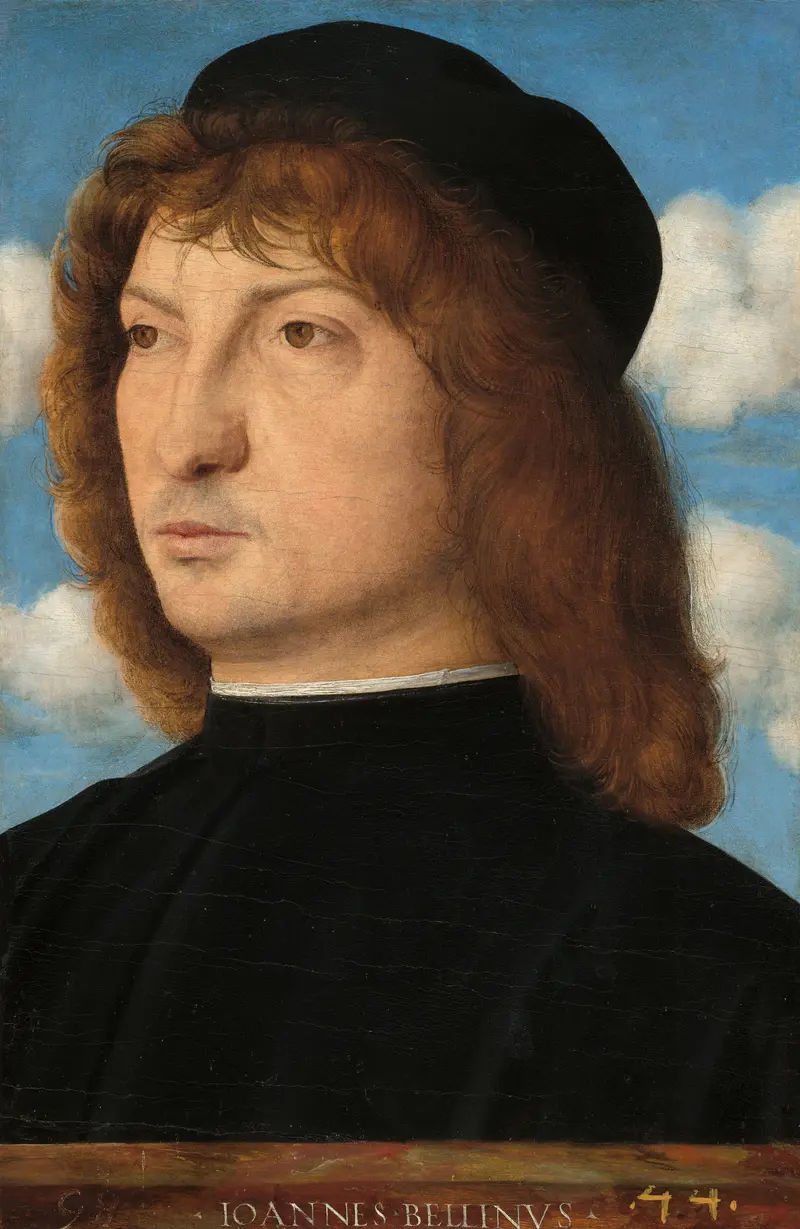
Portrait of a Venetian Gentleman
Giovanni Bellini
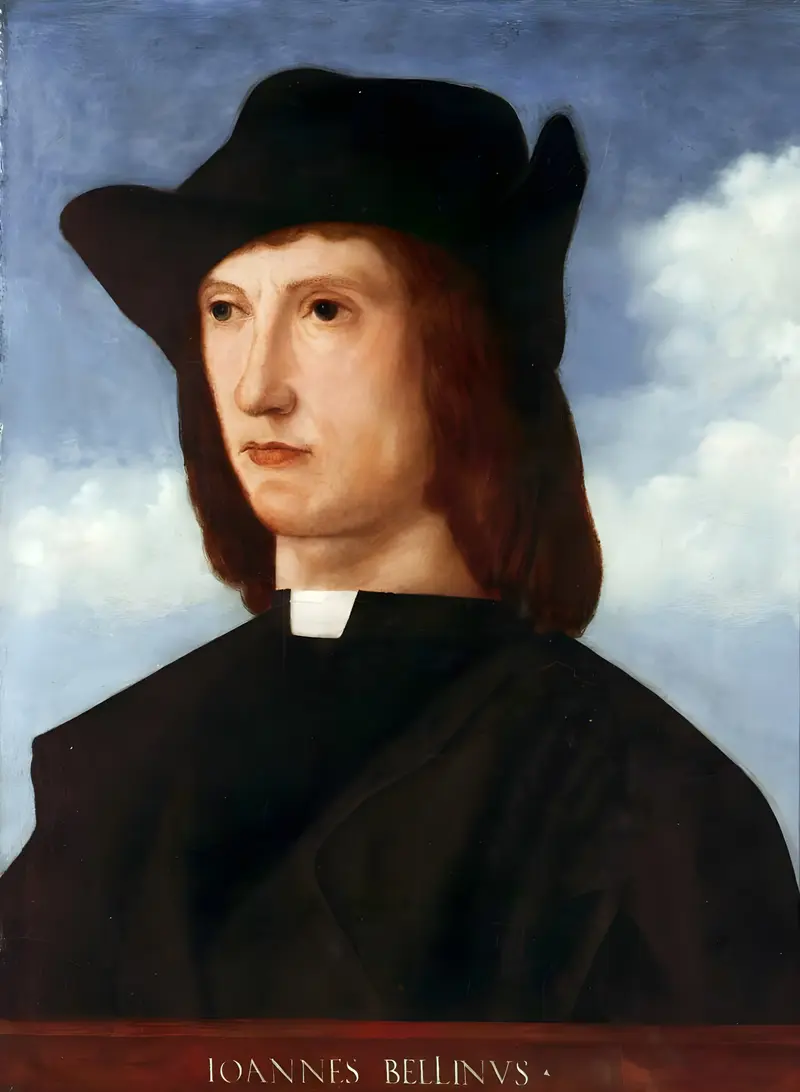
Portrait of a Young Man
Giovanni Bellini





