
Ulysses — History & Facts
When Jean Auguste Dominique Ingres unveiled Ulysses in 1827, he was already renowned for his devotion to classical antiquity, but this canvas marked one of his rare ventures into the epic world of Homer. The work was painted for the Salon of that year, a moment when French artists vied to reinterpret ancient myths for a modern audience hungry for both grandeur and psychological depth. Unlike Ingres’s more famous portraits, Ulysses stands out for its dramatic narrative and the painter’s fascination with the heroic wanderer’s intellect rather than mere physical prowess. At the heart of the painting is the fateful scene from the Odyssey: Ulysses, having blinded the Cyclops Polyphemus, escapes the cave by clinging beneath a ram.
Ingres freezes the moment of cunning triumph—Ulysses’s tense grip and furtive glance capture both fear and resourcefulness. The Cyclops’s massive, slumbering form looms above, while the golden light filtering into the cave hints at hope and imminent freedom. The careful rendering of Ulysses’s muscular form and the beast’s rough hide shows Ingres’s academic training, yet the psychological tension recalls the drama of Jacques-Louis David’s mythological scenes, though with Ingres’s own cool precision. The medium of Ulysses remains uncertain, as does much of its early provenance; no detailed records survive of its first owner or display.
What is clear is that the painting belongs to a period when Ingres, torn between Paris and Rome, experimented with mythological subjects, seeking to balance narrative clarity with idealized beauty. Today, Ulysses is less frequently exhibited than his portraits, but it is recognized as a testament to his ambition to rival the great history painters of his age. Its survival and occasional display in major collections remind us of a time when the ancient world was a living source of artistic rivalry and invention.
More Artworks by Jean Auguste Dominique Ingres
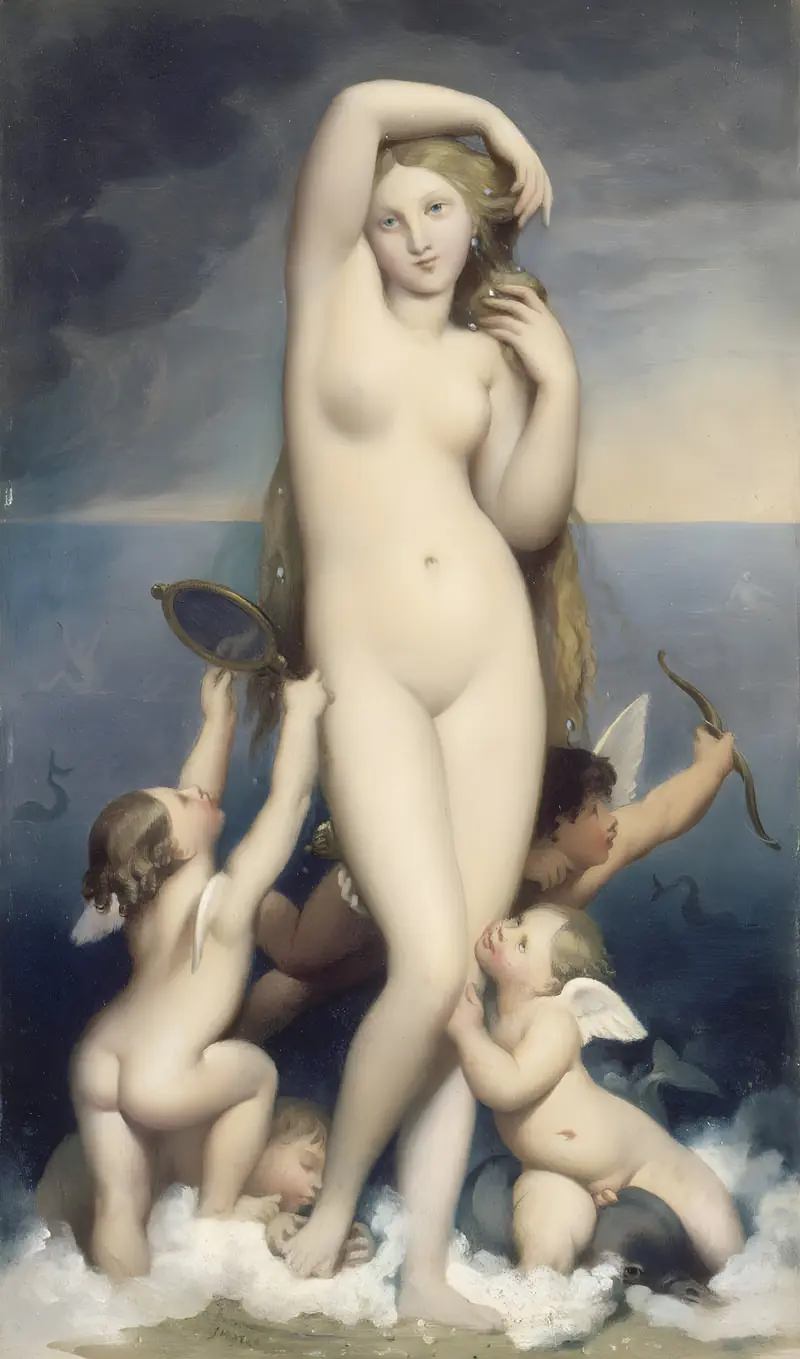
Vénus anadyomène
Jean Auguste Dominique Ingres
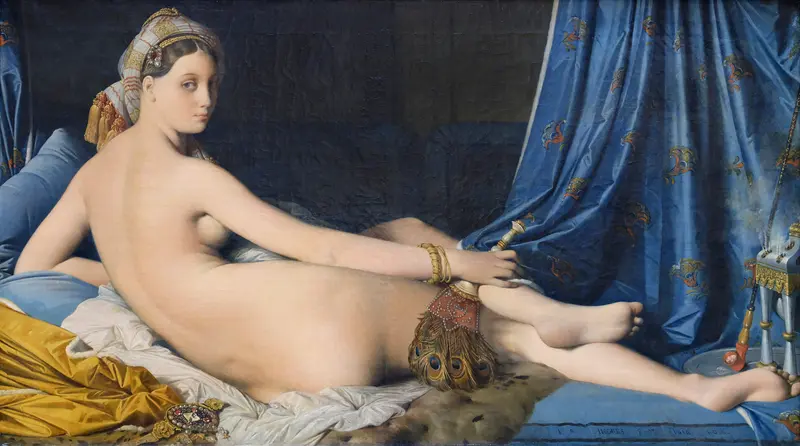
Grande Odalisque
Jean Auguste Dominique Ingres
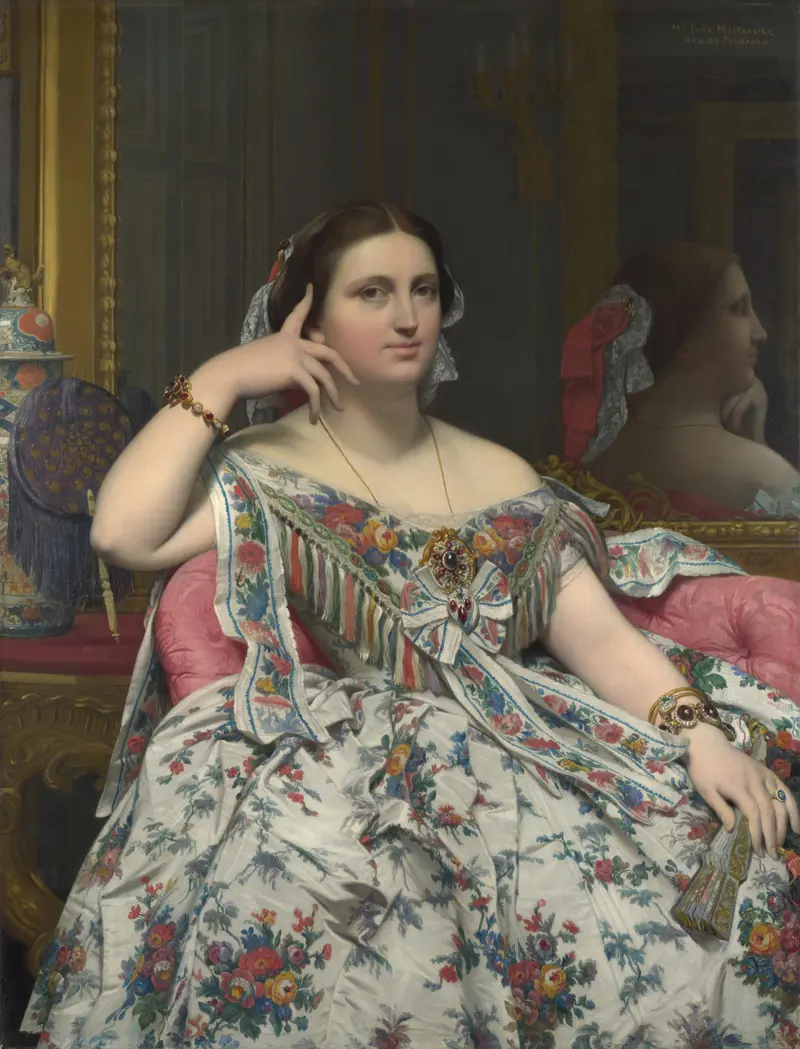
Madame Moitessier (seated)
Jean Auguste Dominique Ingres
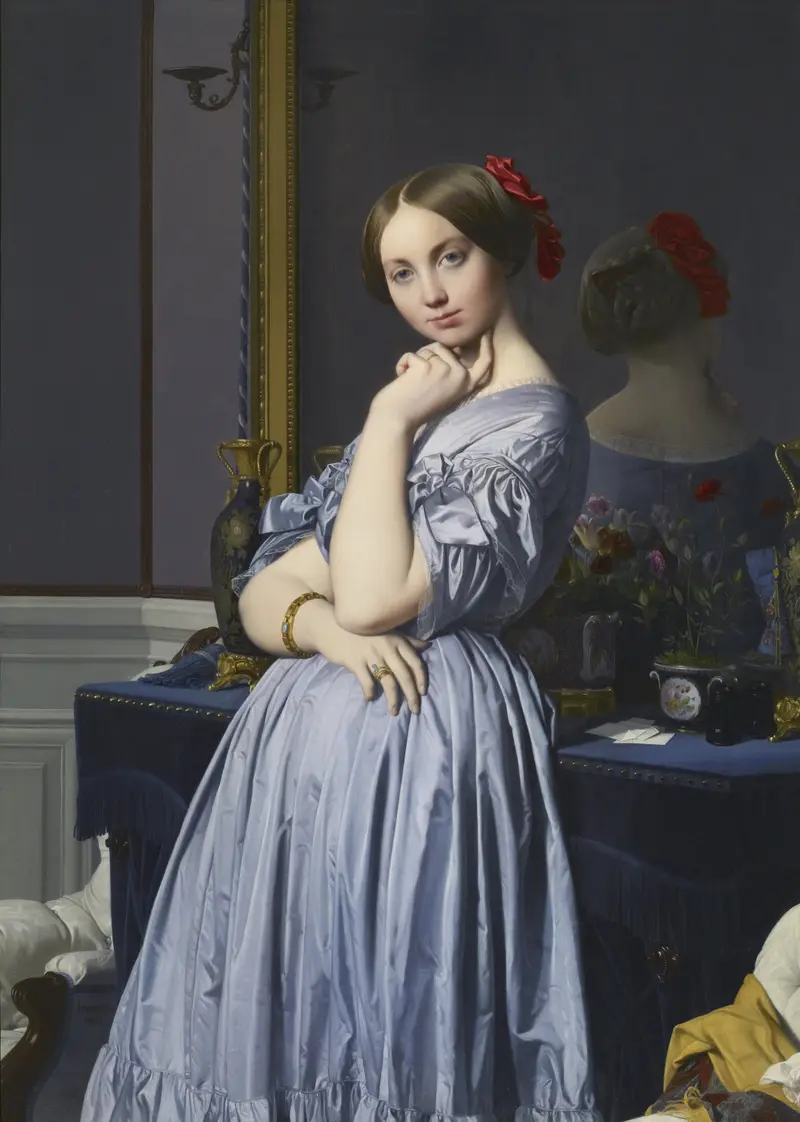
Portrait of Comtesse d’Haussonville
Jean Auguste Dominique Ingres
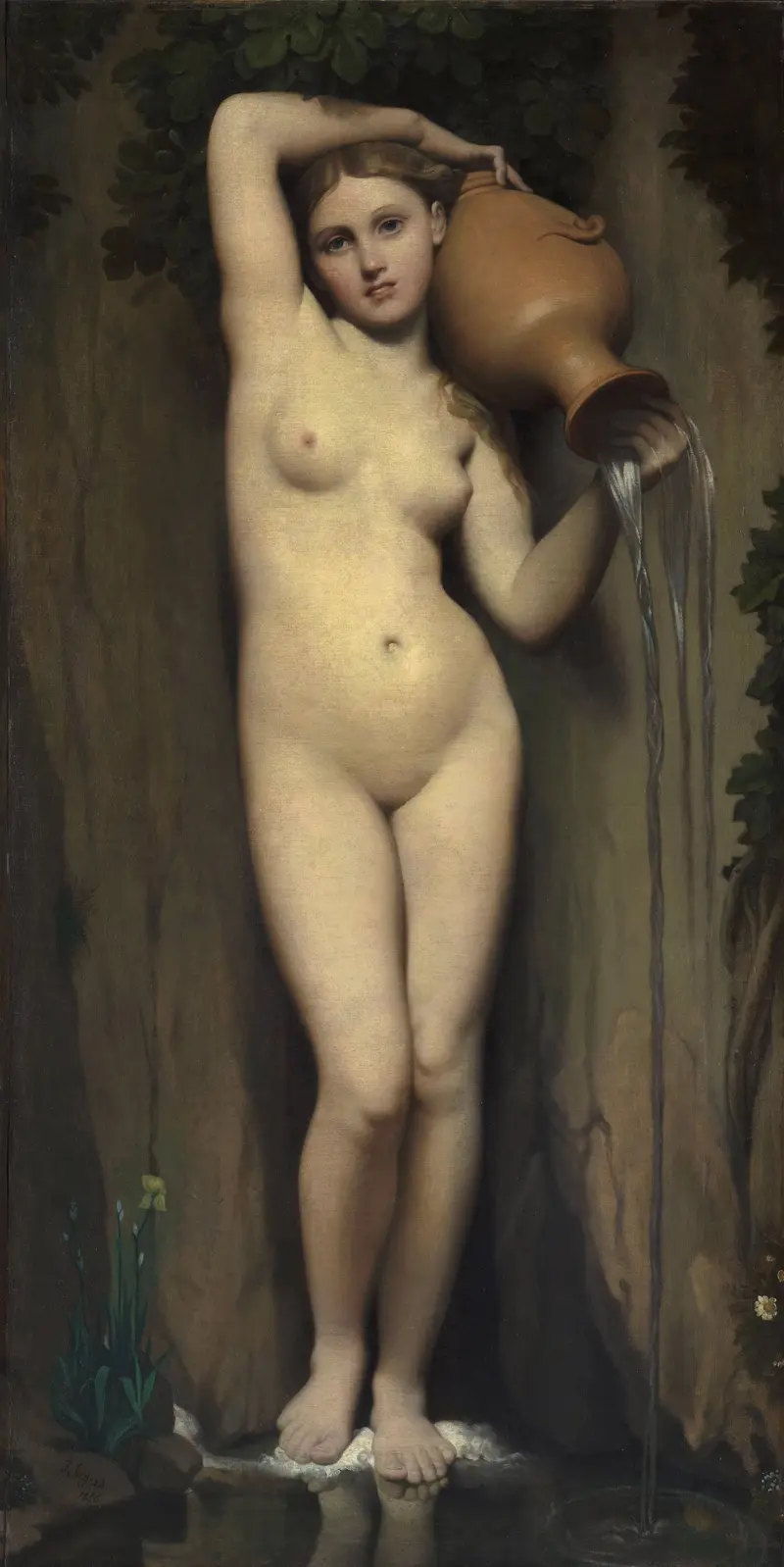
The Source
Jean Auguste Dominique Ingres
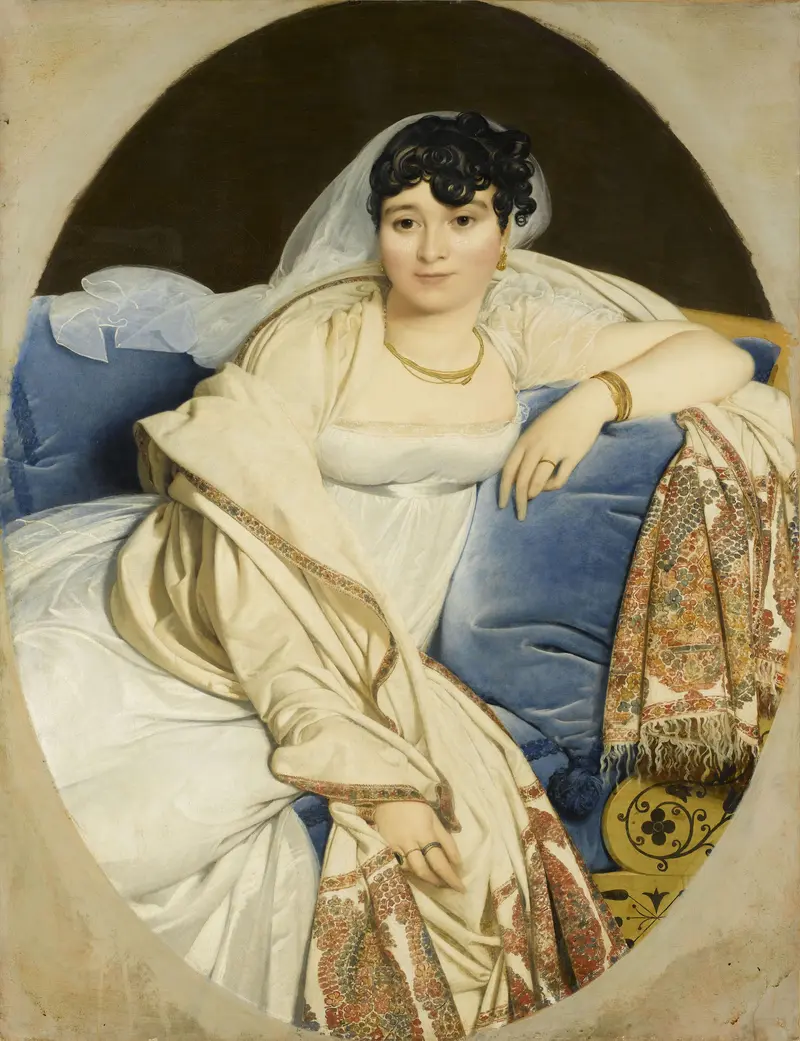
Madame Rivière
Jean Auguste Dominique Ingres

Madame Jean-Auguste-Dominique Ingres, née Madeleine Chapelle
Jean Auguste Dominique Ingres

Portrait of a Lady
Jean Auguste Dominique Ingres
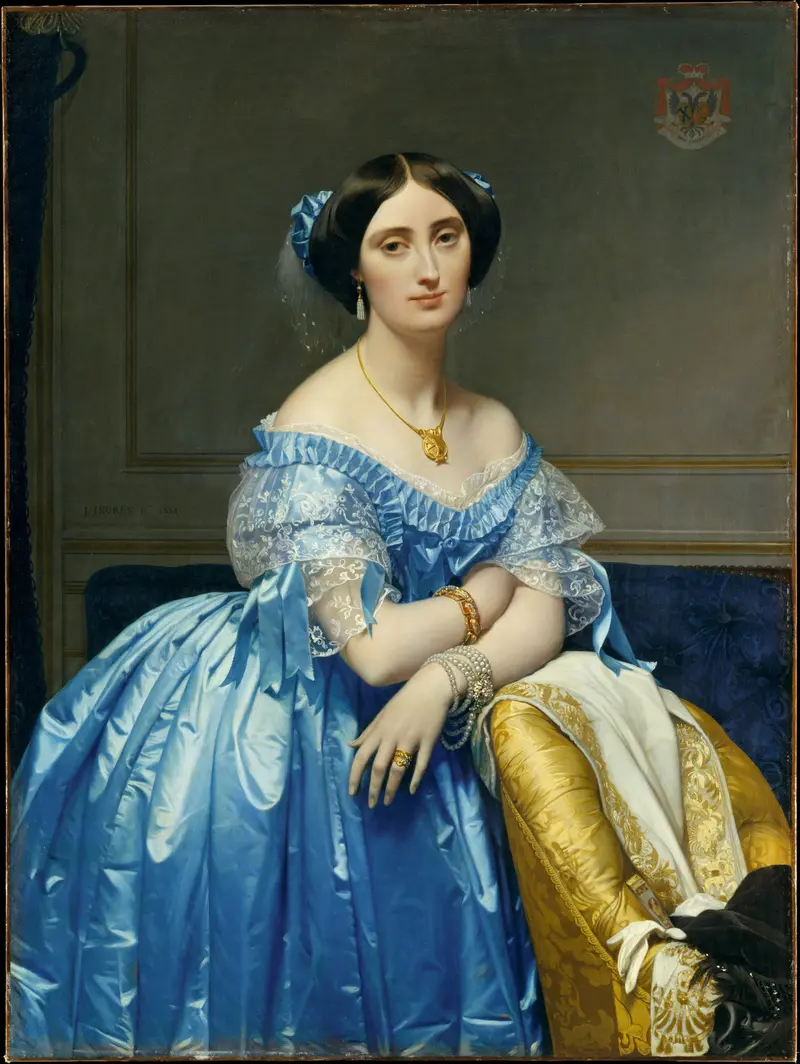
Joséphine-Éléonore-Marie-Pauline de Galard de Brassac de Béarn (1825–1860), Princesse de Broglie
Jean Auguste Dominique Ingres
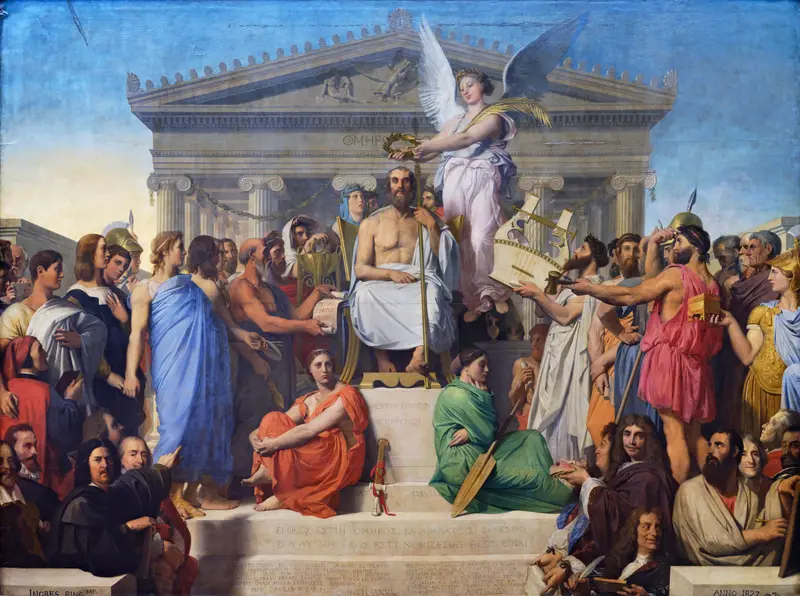
The Apotheosis of Homer
Jean Auguste Dominique Ingres





