
William Forsyth (1749–1814) — History & Facts
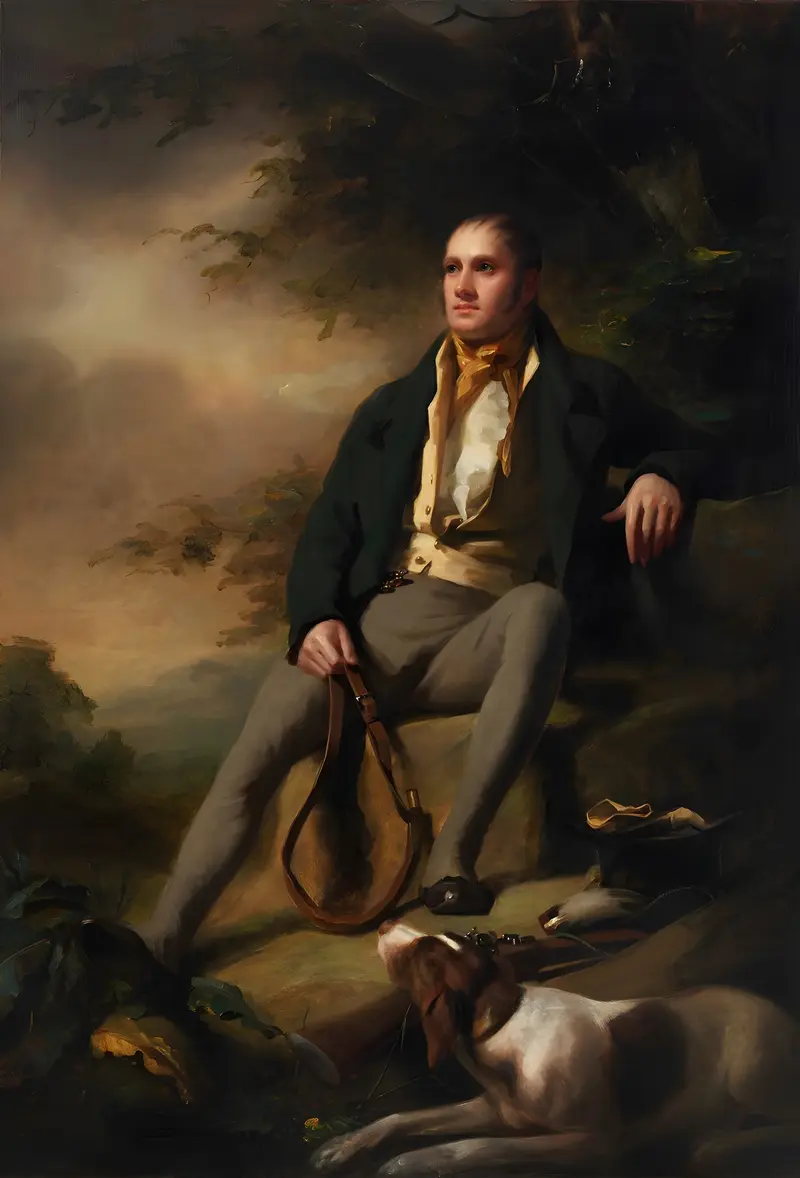
When Sir Henry Raeburn painted William Forsyth (1749–1814), he was portraying not just a man but a key figure in Edinburgh’s intellectual and civic life—a botanist, horticulturist, and founding curator of the Royal Botanic Garden. Forsyth’s reputation was such that, in the early 19th century, his advice on gardens was sought by King George III himself. The portrait’s date remains uncertain, but its subject’s fame was firmly established: Forsyth’s innovations in plant cultivation and his role in shaping the city’s green spaces made him a household name in Scotland. Raeburn chooses to capture Forsyth in the prime of his career, his gaze direct and unflinching, hands perhaps resting on the tools of his trade or a botanical specimen—a nod to his life's work.
The sitter’s sober attire and composed posture reflect the Enlightenment values of reason and progress, while the gentle illumination on his face sets him apart from the shadowed background, a device Raeburn often used to emphasize character over setting. Unlike the more theatrical portraits of Sir Joshua Reynolds, Raeburn’s approach is intimate and unadorned, focusing on Forsyth’s quiet authority and practical intellect. The precise circumstances of the commission are not recorded, and the painting’s early history is somewhat obscure—a common fate for portraits of notable but non-aristocratic figures in the period. What is clear is that William Forsyth (1749–1814) stands among Raeburn’s celebrated likenesses of Edinburgh’s leading citizens, painted during the artist’s mature years when his reputation as Scotland’s foremost portraitist was secure.
Today, the portrait remains a testament to both Forsyth’s contributions to science and Raeburn’s ability to capture the spirit of his age, its current home reflecting the enduring esteem for both sitter and artist.
More Artworks by Sir Henry Raeburn

Portrait of Hugh Hope
Sir Henry Raeburn
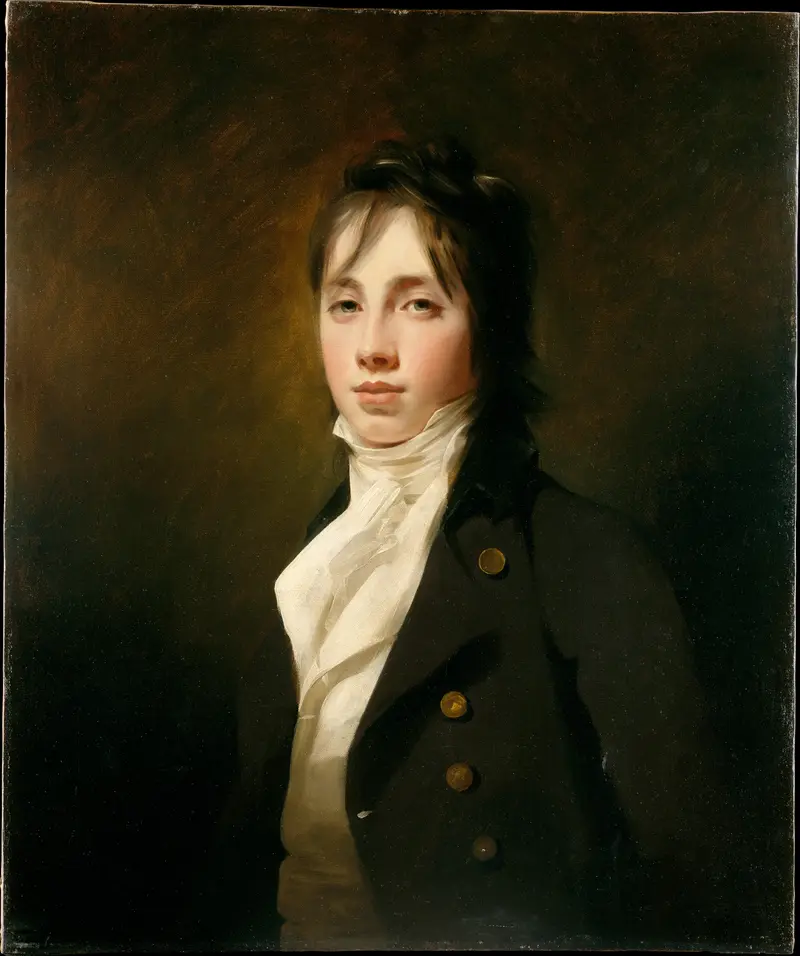
William Fraser of Reelig (1784–1835)
Sir Henry Raeburn
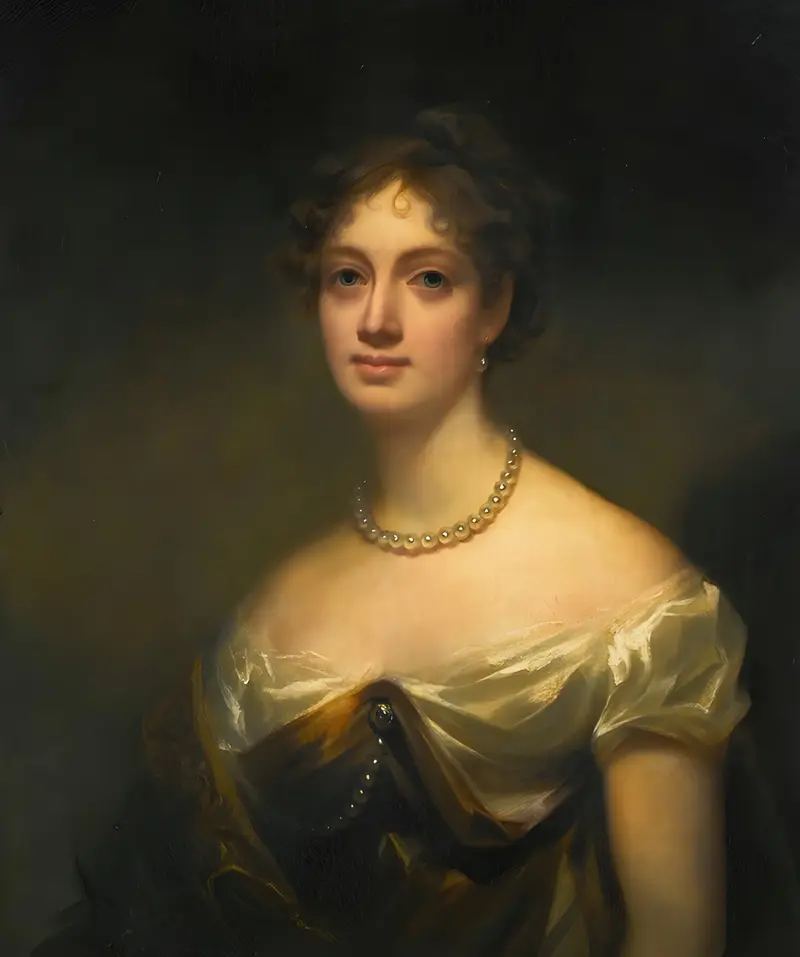
Portrait Of Anne Blair Maconochie Welwood Of Garvock, Lady Meadowbank (1784–1866)
Sir Henry Raeburn
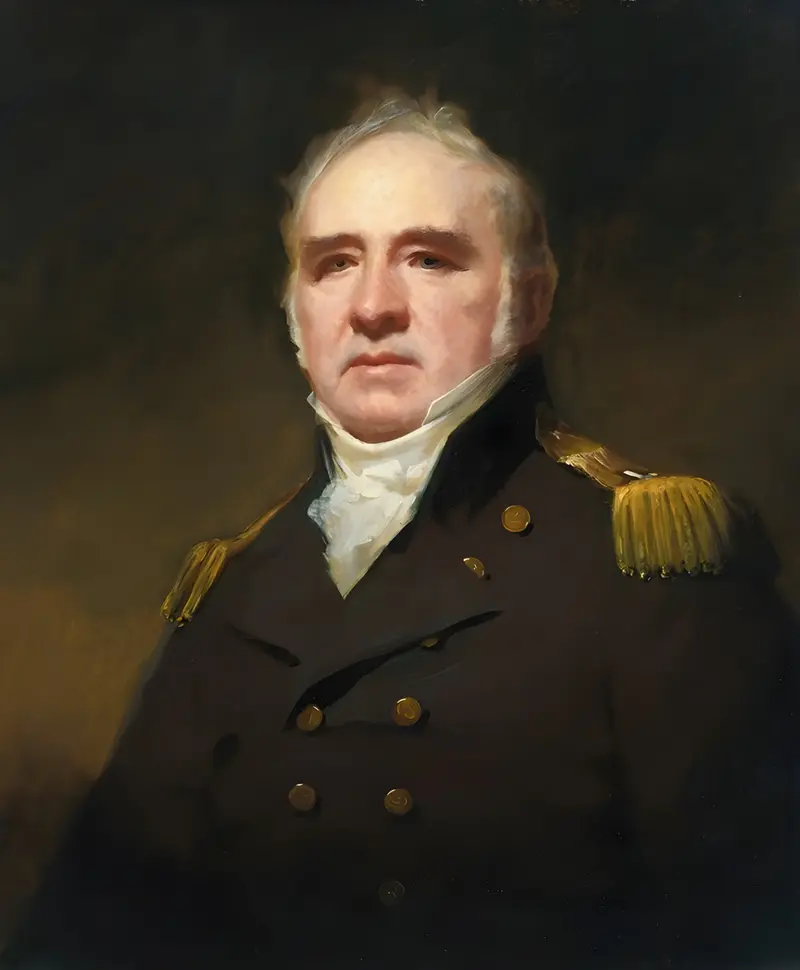
Portrait Of Captain James Forbes-Drummond, R.N., Of Hawthornden
Sir Henry Raeburn
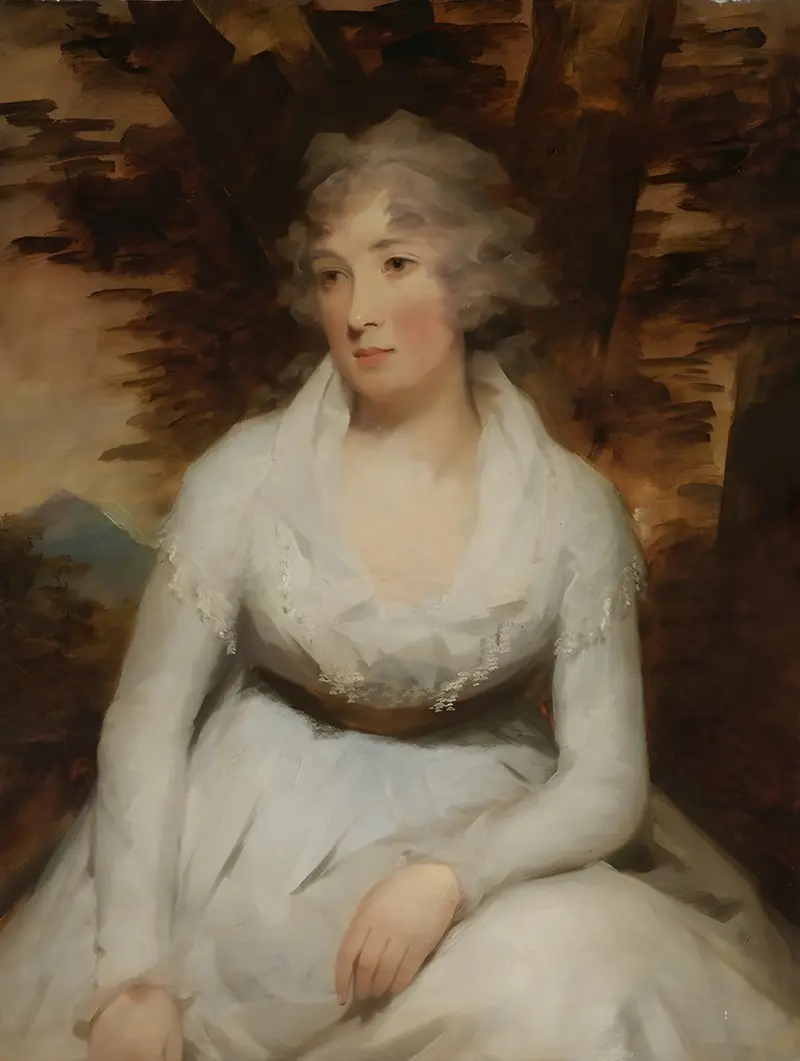
Miss Elizabeth Dalrymple (afterwards Mrs. George Leith)
Sir Henry Raeburn
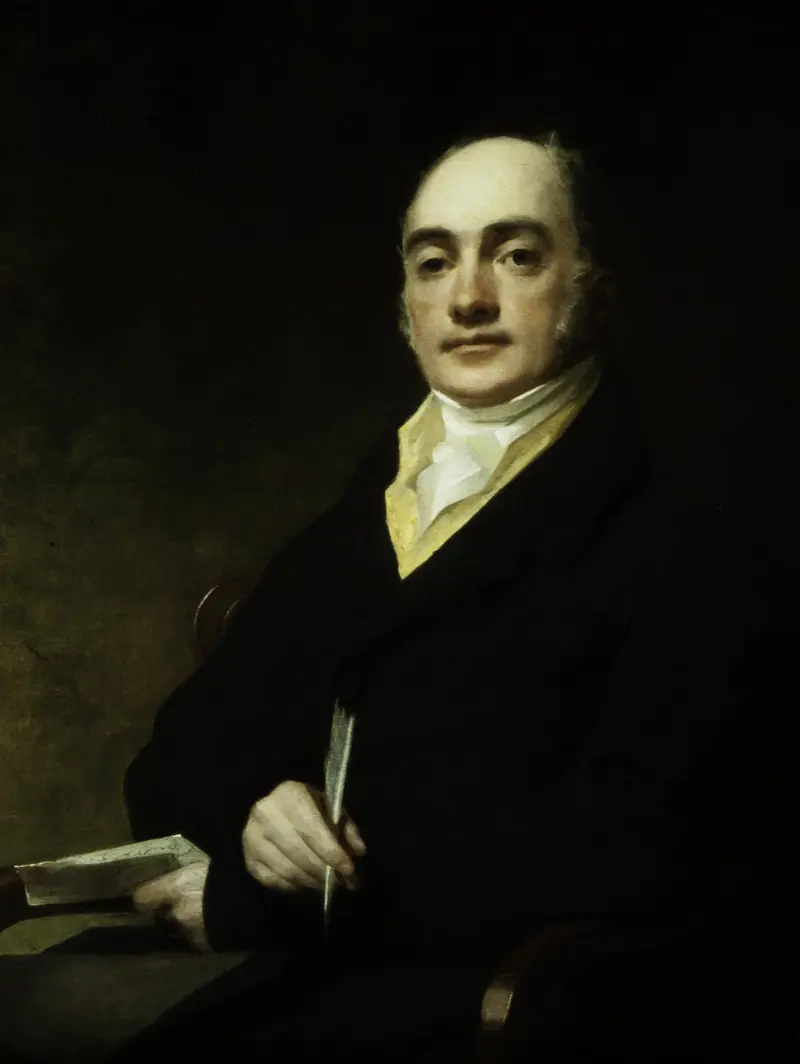
Portrait of John Baillie (1772-1833)
Sir Henry Raeburn
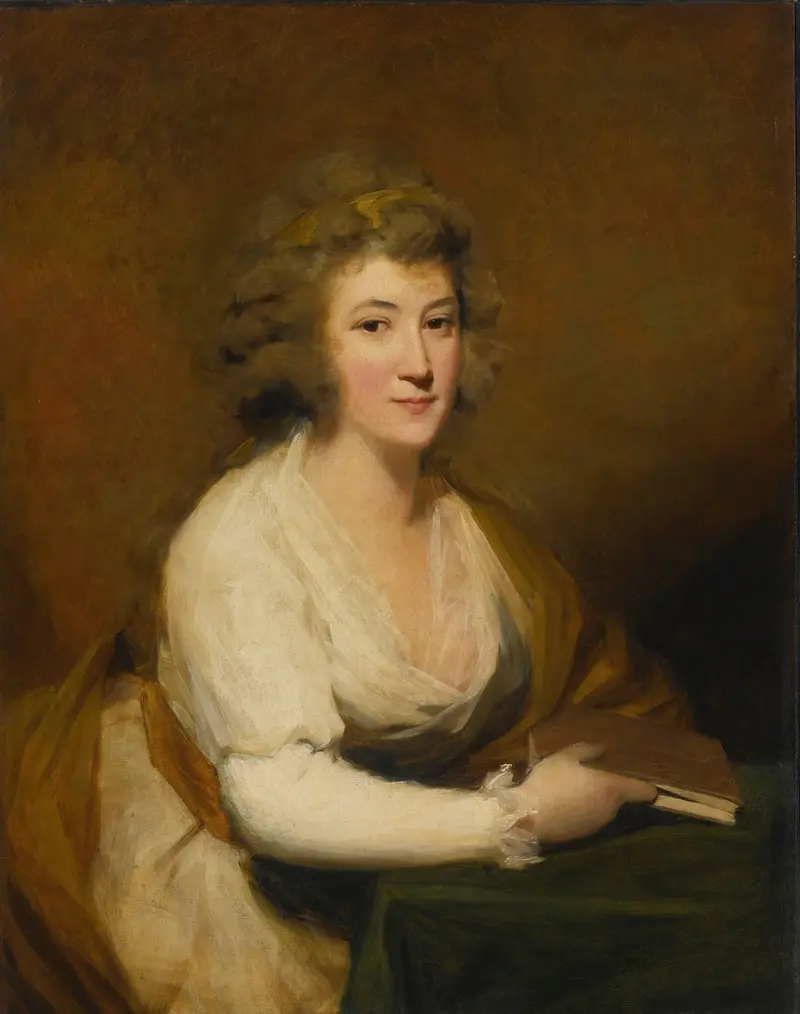
Portrait Of Lady Nasmyth, In A White Dress And Brown Shawl, Seated At A Table, Holding A Book
Sir Henry Raeburn
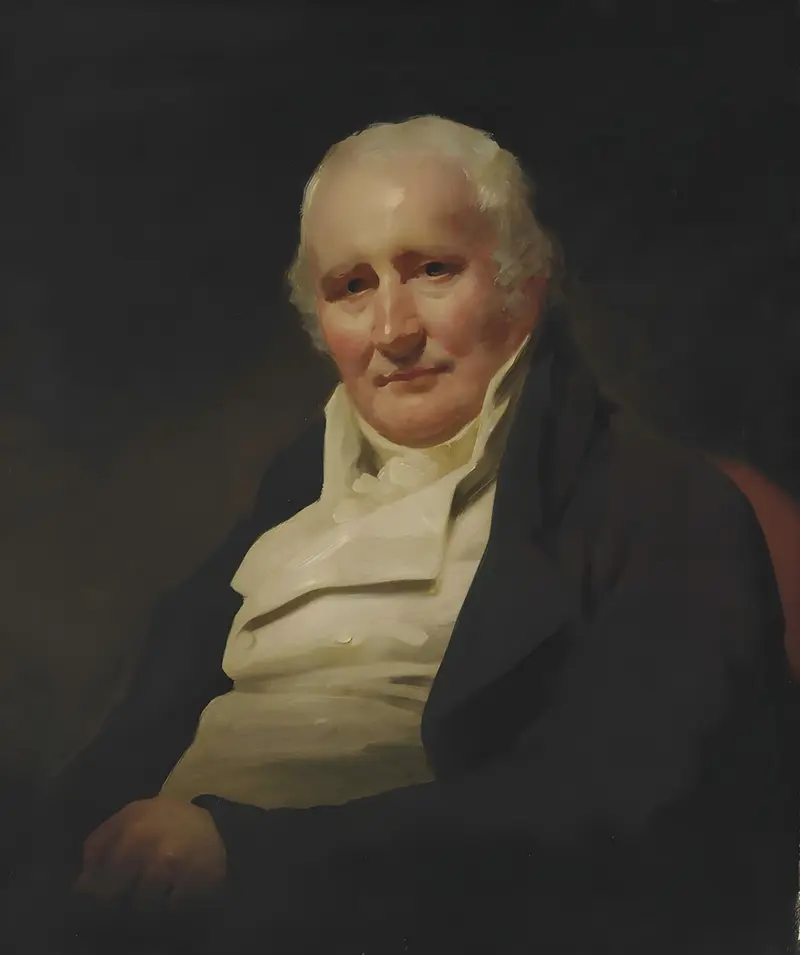
Portrait Of Mr. Spottiswood
Sir Henry Raeburn
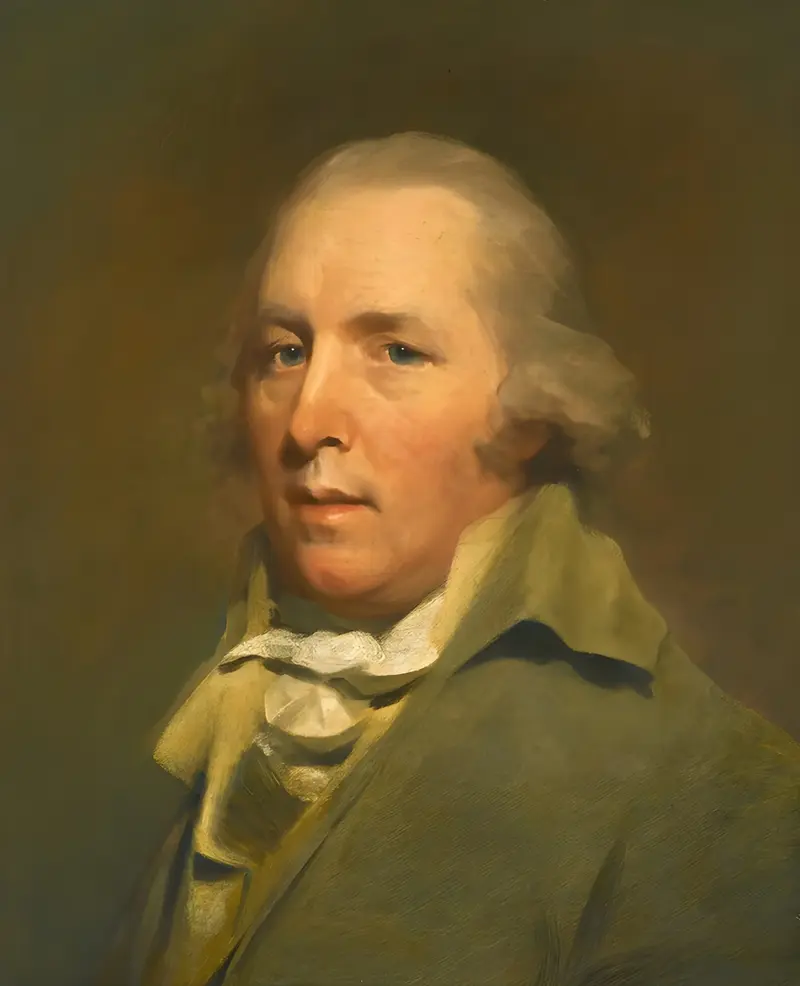
Portrait Of The Reverend John Home (1722-1808)
Sir Henry Raeburn
Portrait of William Hunt (c.1796-1854), Pittencrief House, Dunfermline
Sir Henry Raeburn





