
Young Woman Powdering Herself — History & Facts
When Young Woman Powdering Herself was first exhibited in 1890, it caused a quiet stir not for its subject, but for what lay beneath. Years later, x-ray analysis revealed that Georges Seurat had originally painted a self-portrait in the mirror behind the sitter, only to later cover his own image with a vase of flowers. This unexpected act of self-erasure has fueled endless speculation about Seurat’s intentions, as well as the relationship between the artist and his model, Madeleine Knobloch, who was also his secret companion. The painting captures a private moment: a young woman, seated at her dressing table, dabs powder to her face.
Sunlight streams in, illuminating her bare arms and the crisp folds of her dress, while the delicate dots of color—Seurat’s signature Pointillist technique—meld into a soft, luminous whole from a distance. The oval mirror, now reflecting only a vase, once held the artist’s own gaze, suggesting a conversation between creator and muse that is now hidden from view. Unlike Degas’s dancers, who are caught in motion, Seurat’s sitter is still, absorbed in her ritual, her world quietly self-contained. As an object, Young Woman Powdering Herself stands at the threshold of Seurat’s brief but influential career, painted just a year before his untimely death in 1891.
The work remained in private hands for decades, passing through several Parisian collections before entering the Courtauld Gallery in London, where it hangs today. Its layered history—both literal and personal—offers a rare glimpse into Seurat’s private life and evolving technique, marking a pivotal moment in the Post-Impressionist movement. The painting’s concealed self-portrait continues to intrigue scholars, a hidden signature in a work about looking and being seen.
More Artworks by Georges Seurat
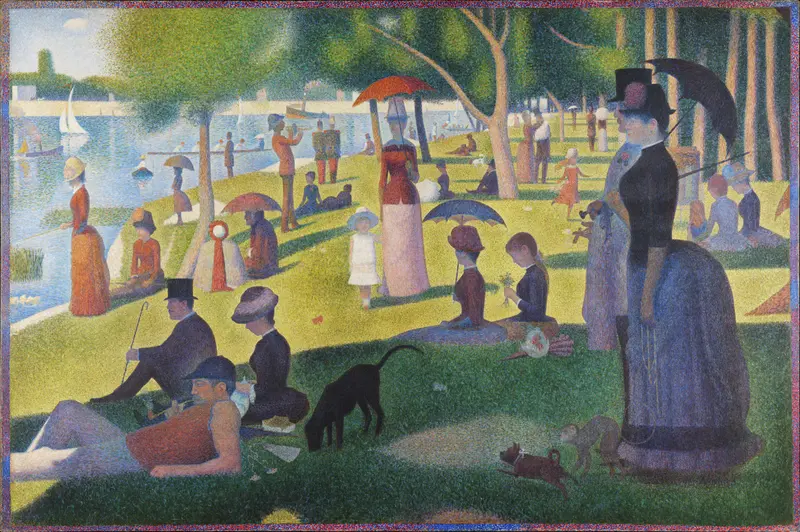
A Sunday Afternoon on the Island of La Grande Jatte
Georges Seurat
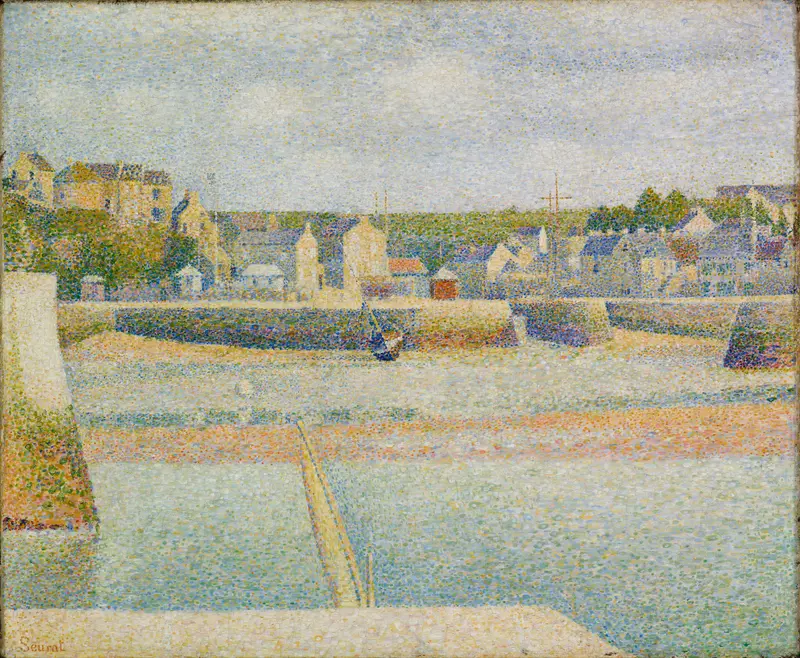
Port-en-Bessin, The Outer Harbor (Low Tide)
Georges Seurat
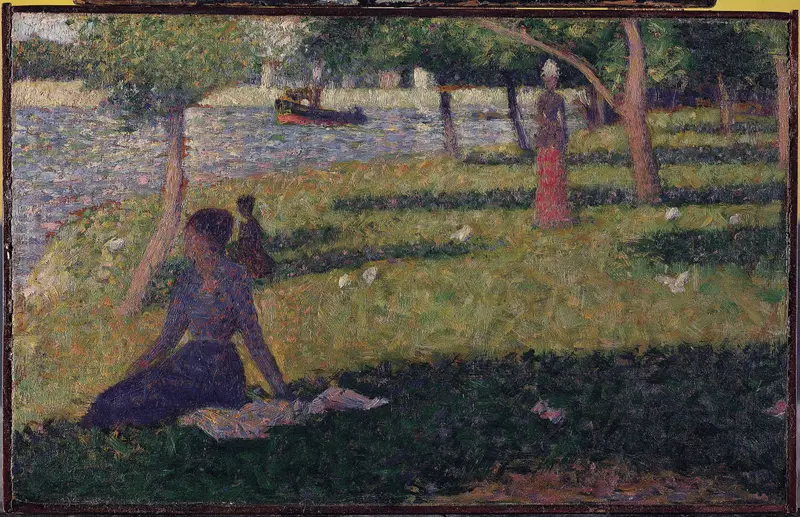
Étude pour ‘La Grande Jatte’ (Study for ‘La Grande Jatte’)
Georges Seurat
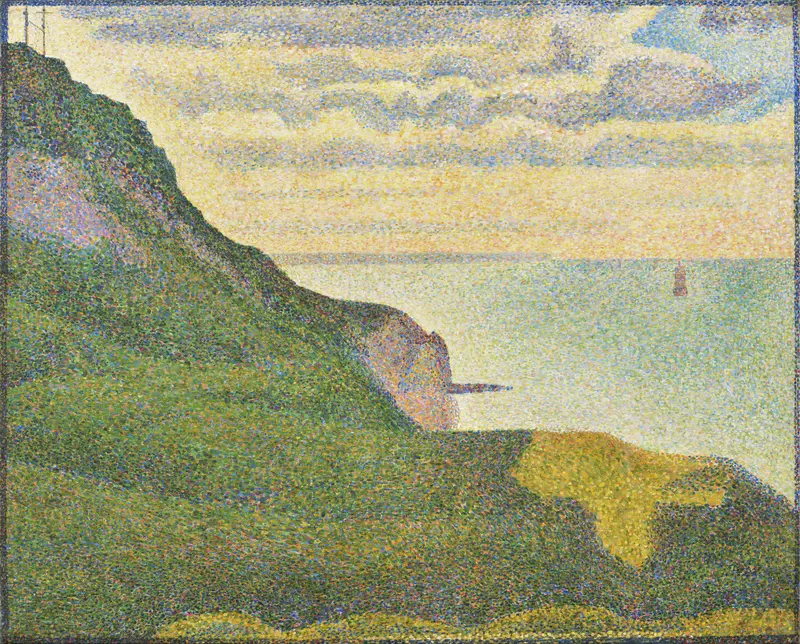
Seascape at Port-en-Bessin,Normandy
Georges Seurat
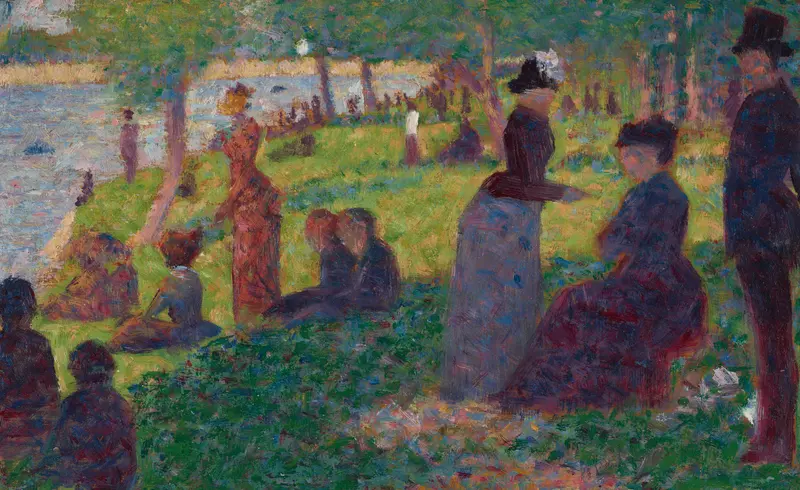
Oil Sketch for "A Sunday on La Grande Jatte — 1884"
Georges Seurat
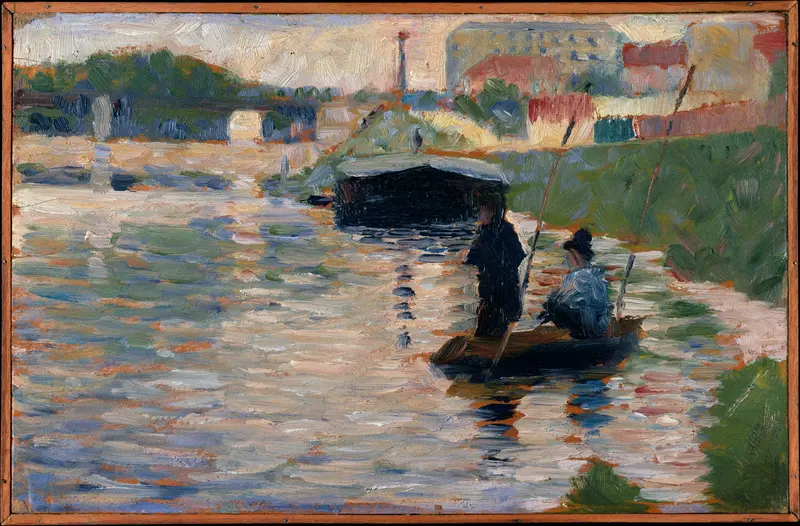
View of the Seine
Georges Seurat
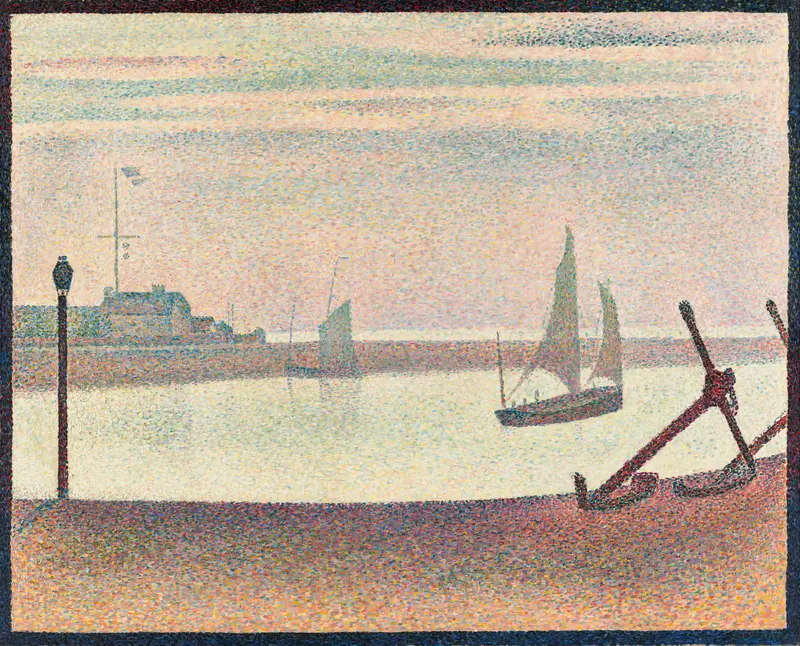
The Channel at Gravelines, Evening
Georges Seurat
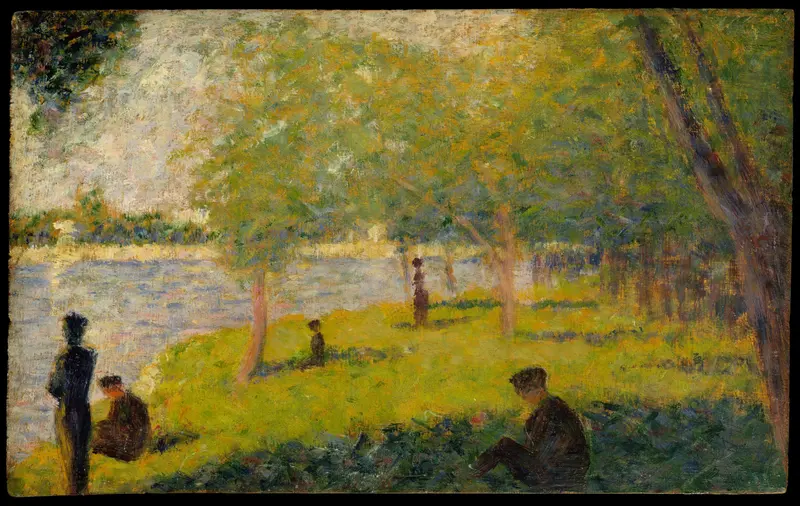
Study for ‘A Sunday on La Grande Jatte’
Georges Seurat
Study for A Sunday on La Grande Jatte
Georges Seurat
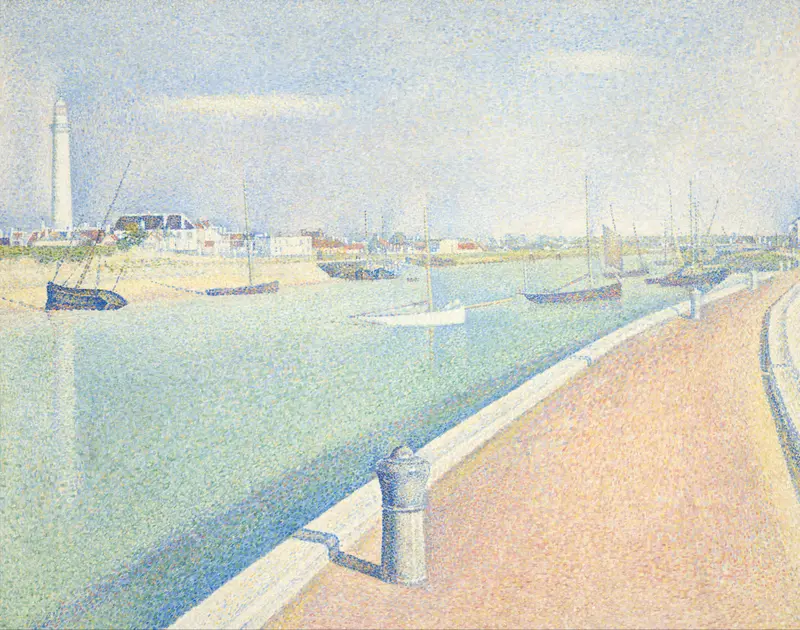
The Channel of Gravelines, Petit Fort Philippe
Georges Seurat
More Genre Scene Art

Banquet of the Officers of the St George Civic Guard
Frans Hals

Rembrandt and Saskia in the Scene of the Prodigal Son
Rembrandt van Rijn

Bal du moulin de la Galette
Pierre-Auguste Renoir

Quadrille at the Moulin Rouge
Henri de Toulouse-Lautrec

A Burial at Ornans
Gustave Courbet

When Will You Marry?
Paul Gauguin