
Alfred Dedreux (1810–1860) as a Child — History & Facts
In 1819, just a year after the scandalous debut of The Raft of the Medusa, Théodore Géricault turned his attention from shipwreck survivors to a much more intimate subject: the young Alfred Dedreux, who would himself become a painter. The portrait is a rare glimpse into Géricault’s private circle, as Alfred was the nephew of Géricault’s close friend, the architect Pierre-Joseph Dedreux-Dorcy. Unlike the monumental dramas that made Géricault’s reputation, this work is prized for its quiet, personal intensity.
The painting’s authorship has never been in doubt, but its medium remains uncertain, adding a layer of intrigue for conservators and historians alike. Here, the artist captures Alfred at an age when childhood is just giving way to self-awareness. The boy’s gaze is direct, even solemn, his dark eyes meeting the viewer with a gravity unusual for his years. Géricault’s handling of light carves out the child’s features against a subdued background, focusing all attention on the sitter’s face and hands.
The pose is simple, yet the slight turn of the head and the set of the mouth suggest a reflective, almost adult composure. Compared to the more sentimental child portraits of Jean-Baptiste Greuze, Géricault’s approach is unsparing: there is no idealization, only the honest presence of a real child. The painting’s early history is closely tied to the Dedreux family, and it likely remained in private hands for much of the nineteenth century. While it has not traveled as widely as some of Géricault’s grander canvases, it is valued by scholars as a key example of his portraiture—a genre he approached with the same psychological intensity as his larger works.
Today, Alfred Dedreux (1810–1860) as a Child stands as both a personal tribute and a testament to Géricault’s range, offering a quiet counterpoint to his more famous scenes of turmoil and tragedy.
More Artworks by Théodore Géricault
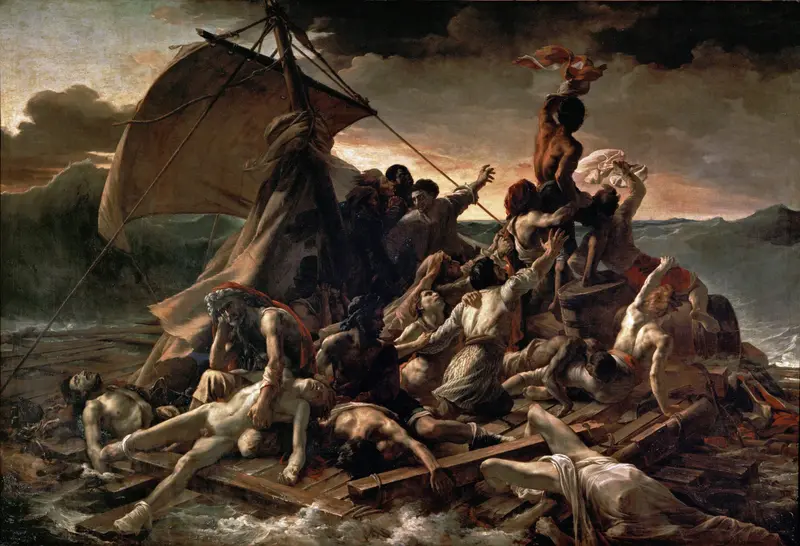
The Raft of the Medusa
Théodore Géricault

Géricault - Le naufrage du radeau de la Méduse, MBA 790
Théodore Géricault
Cattle Market
Théodore Géricault
Evening; Landscape with an Aqueduct
Théodore Géricault
Horse Race
Théodore Géricault

Horses Standing in a Mews
Théodore Géricault
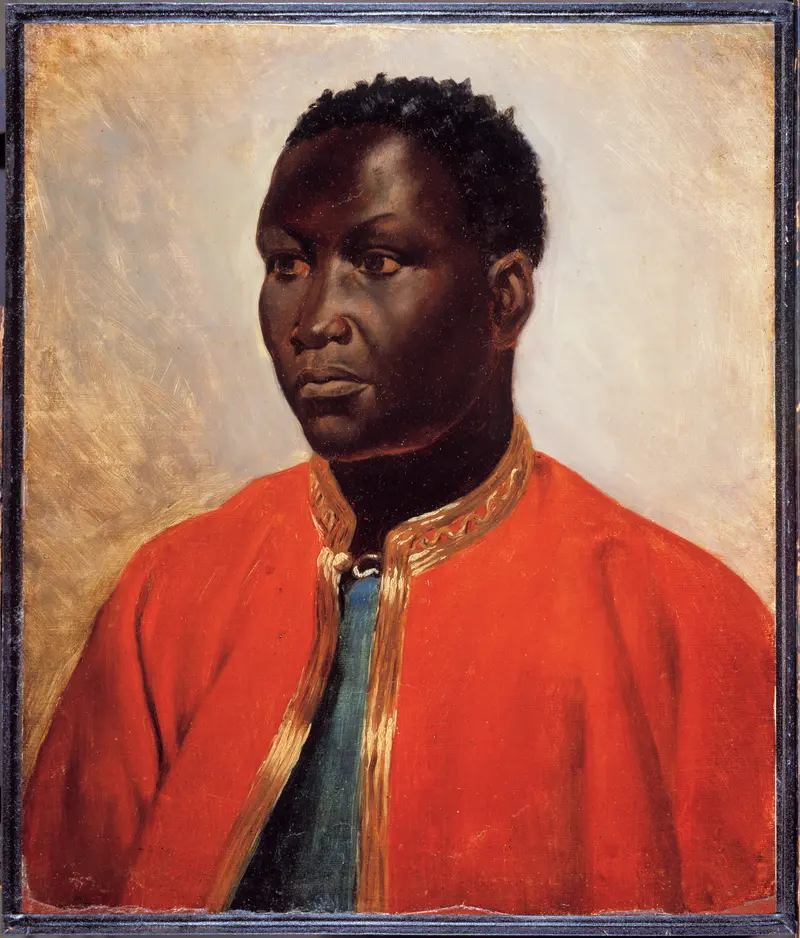
Portrait of a Negro
Théodore Géricault
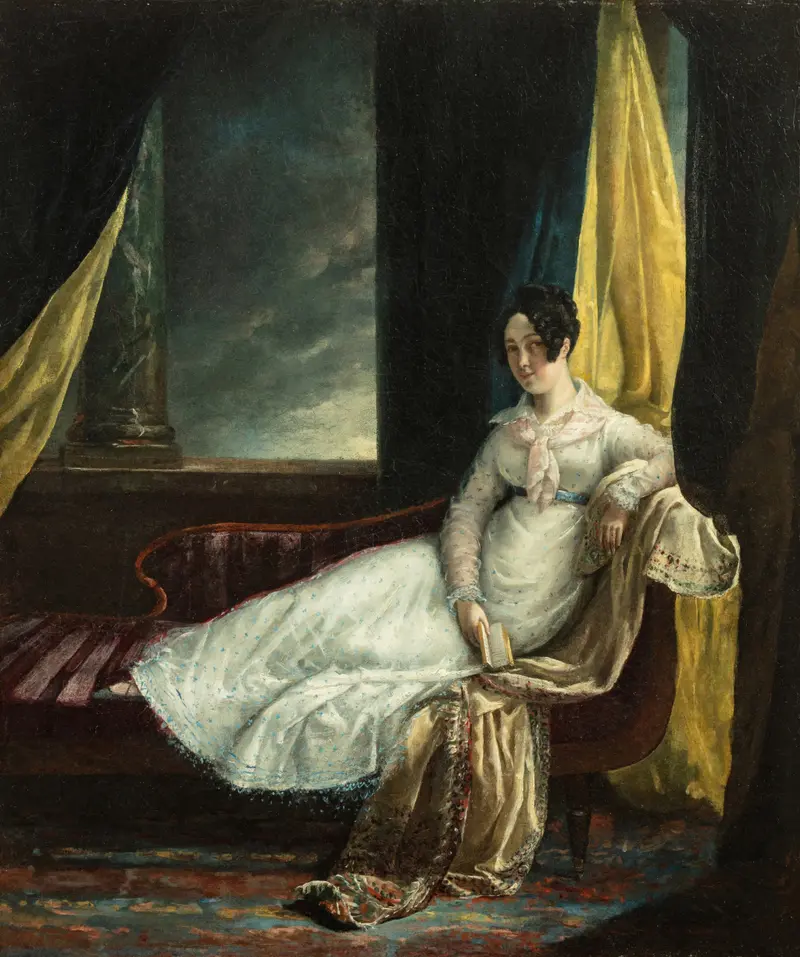
Portrait of Zoë Elmore
Théodore Géricault
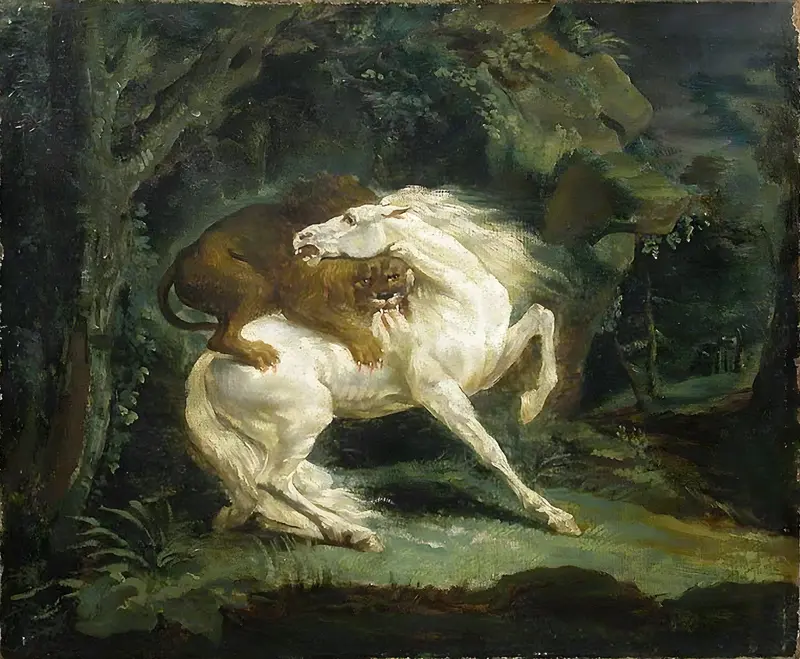
Cheval attaqué par un lion
Théodore Géricault
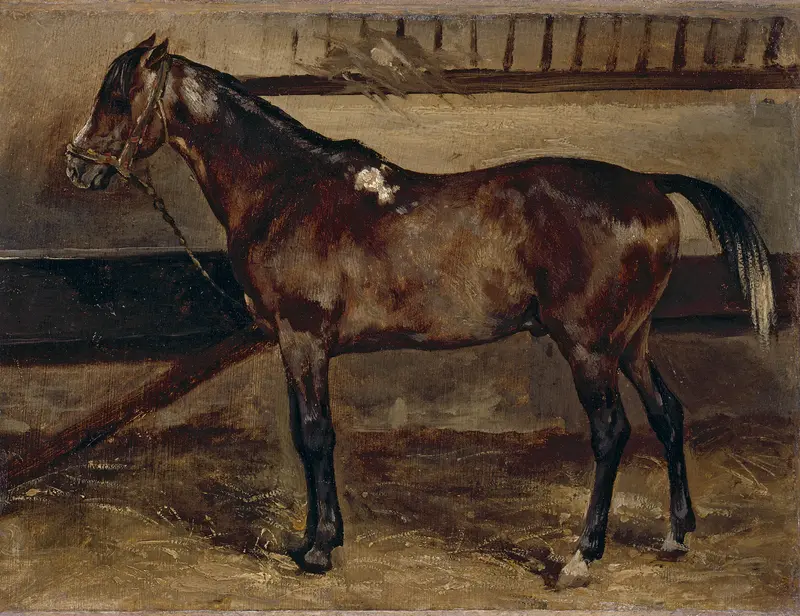
Cheval brun à l'écurie
Théodore Géricault





