
Amour endormi — History & Facts
No one can say for certain who first commissioned Amour endormi, but the painting’s subject—a sleeping Cupid—was so unusual for Artemisia Gentileschi that it has sparked debate ever since. In the early seventeenth century, female artists rarely painted mythological nudes, and even more rarely did they reinterpret Cupid not as a mischievous archer but as a vulnerable, dreaming child. The painting’s whereabouts were unrecorded for centuries, and its attribution to Artemisia was only solidified in the twentieth century, after careful study of her brushwork and the handling of flesh tones.
Scholars still discuss whether it was created for a private collector or as a gift within the artist’s close circle. The scene unfolds in a hush: Cupid lies curled on a draped surface, his bow and arrows discarded, his head resting on one arm in deep sleep. The artist captures the moment after the god of love has exhausted himself, perhaps after meddling in mortal affairs. The soft illumination falls across his bare shoulder and wing, emphasizing both his innocence and his power at rest.
The discarded quiver and the loosened sash at his waist hint at love’s pause—desire stilled, just for a moment. Unlike Caravaggio’s brash Amor Vincit Omnia, where Cupid is awake and triumphant, Artemisia presents a rare vision of vulnerability, inviting the viewer to contemplate the quieter side of passion. Amour endormi passed through various private collections, often misattributed to male contemporaries or even to Orazio Gentileschi, Artemisia’s father. Only in the twentieth century did art historians, recognizing the distinctive treatment of flesh and the psychological depth, return the work to Artemisia.
Today, it is considered a key example of her Roman period, when she was exploring new themes and asserting her voice in a male-dominated field. The painting now hangs in a private collection, rarely seen by the public, but it remains a touchstone for understanding Artemisia’s unique approach to myth and emotion.
More Artworks by Artemisia Gentileschi

Judith Beheading Holofernes
Artemisia Gentileschi
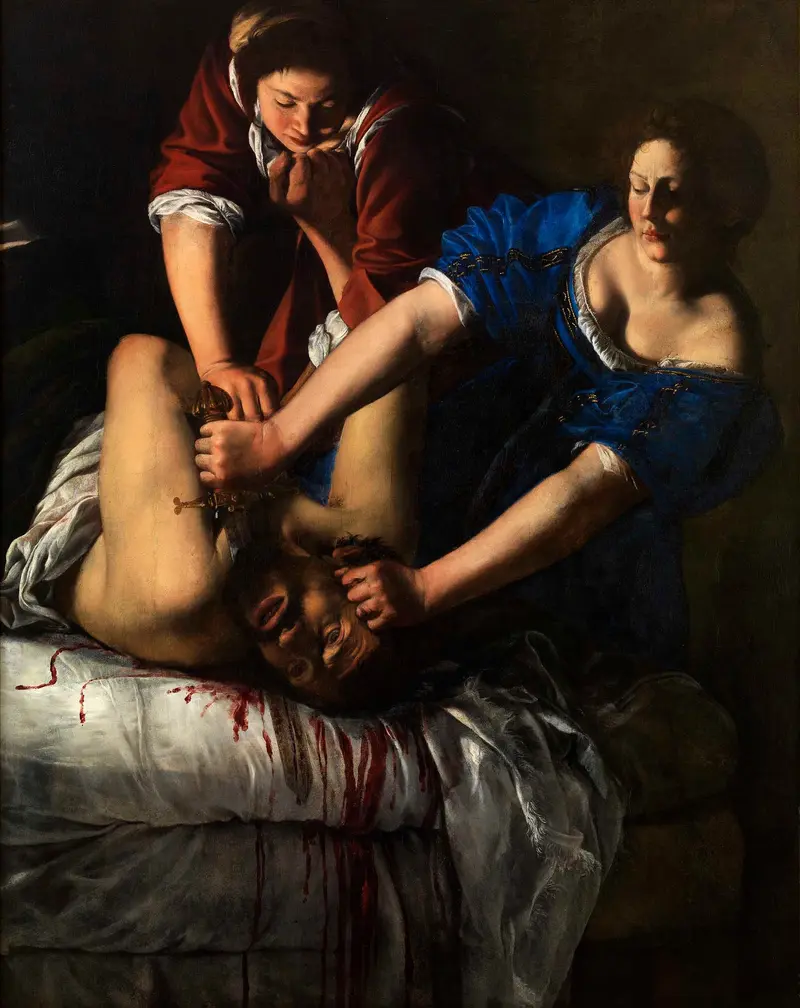
Judith Slaying Holofernes
Artemisia Gentileschi
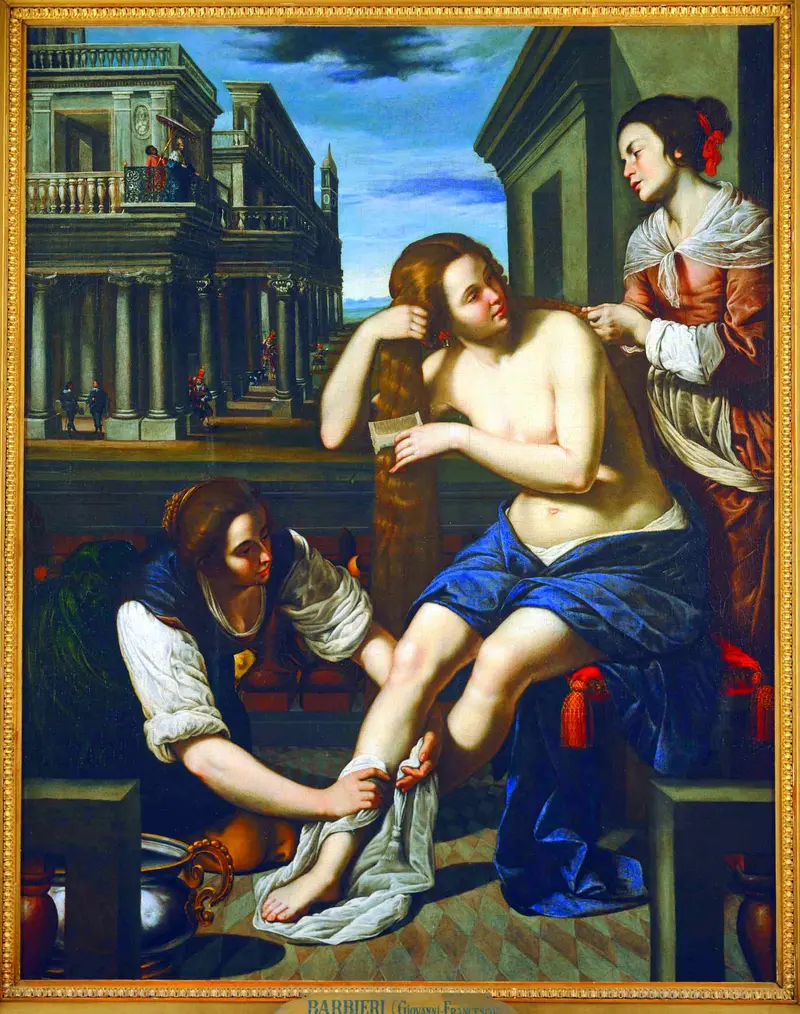
Bathsheba at Her Bath
Artemisia Gentileschi
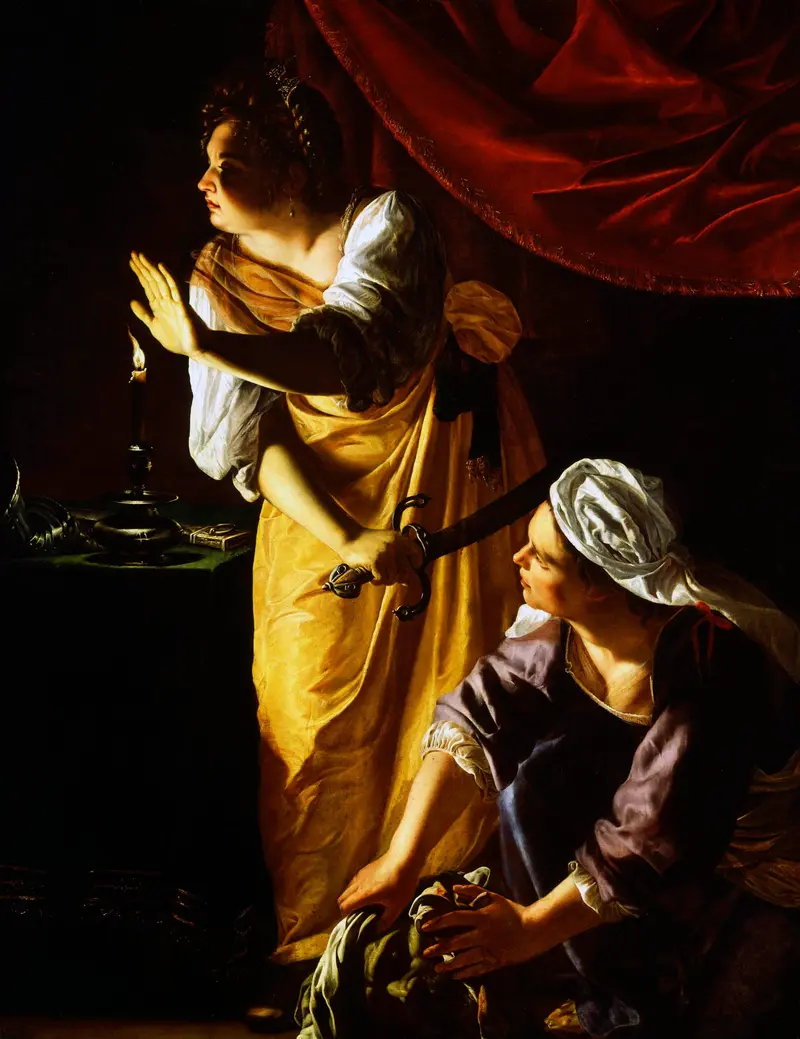
Judith and Maidservant with Head of Holofernes
Artemisia Gentileschi
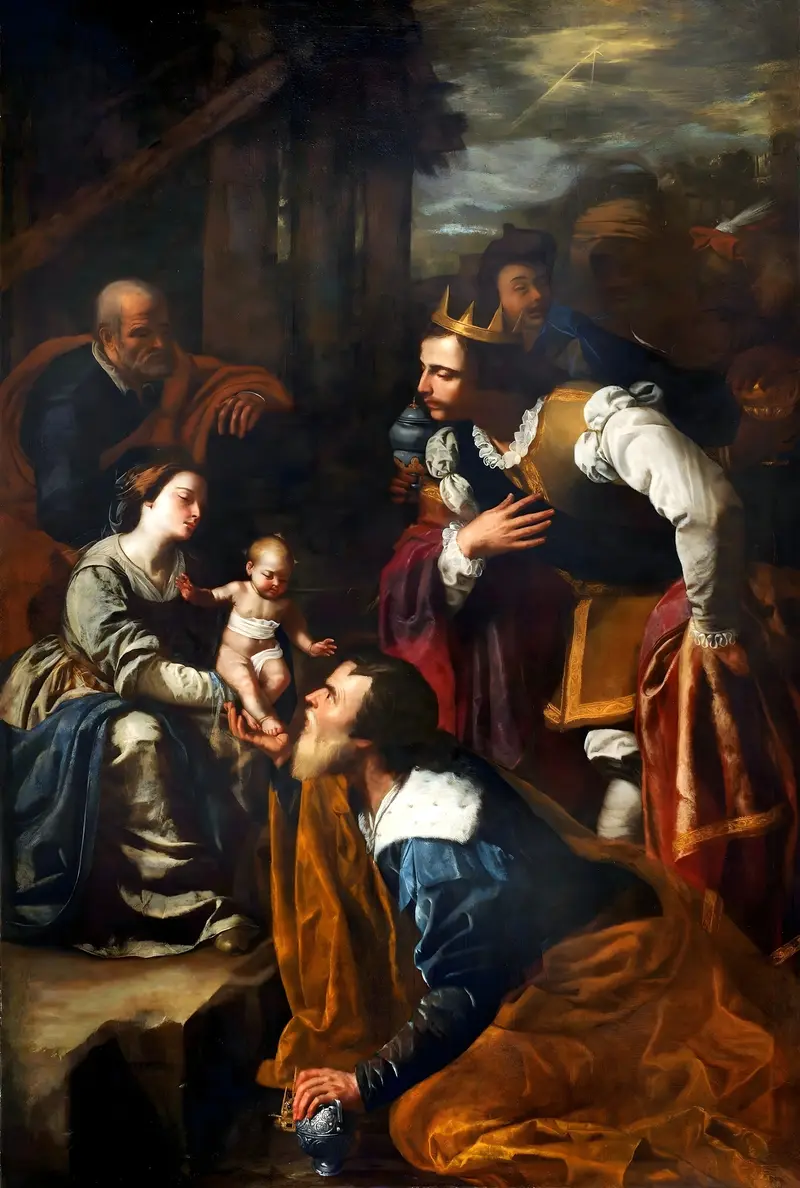
Adoration of the Magi
Artemisia Gentileschi
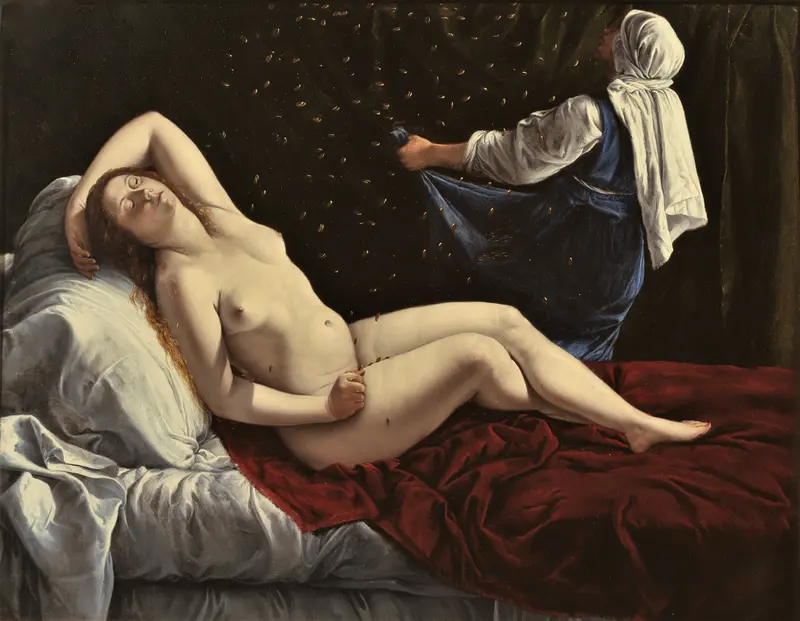
Danaë
Artemisia Gentileschi
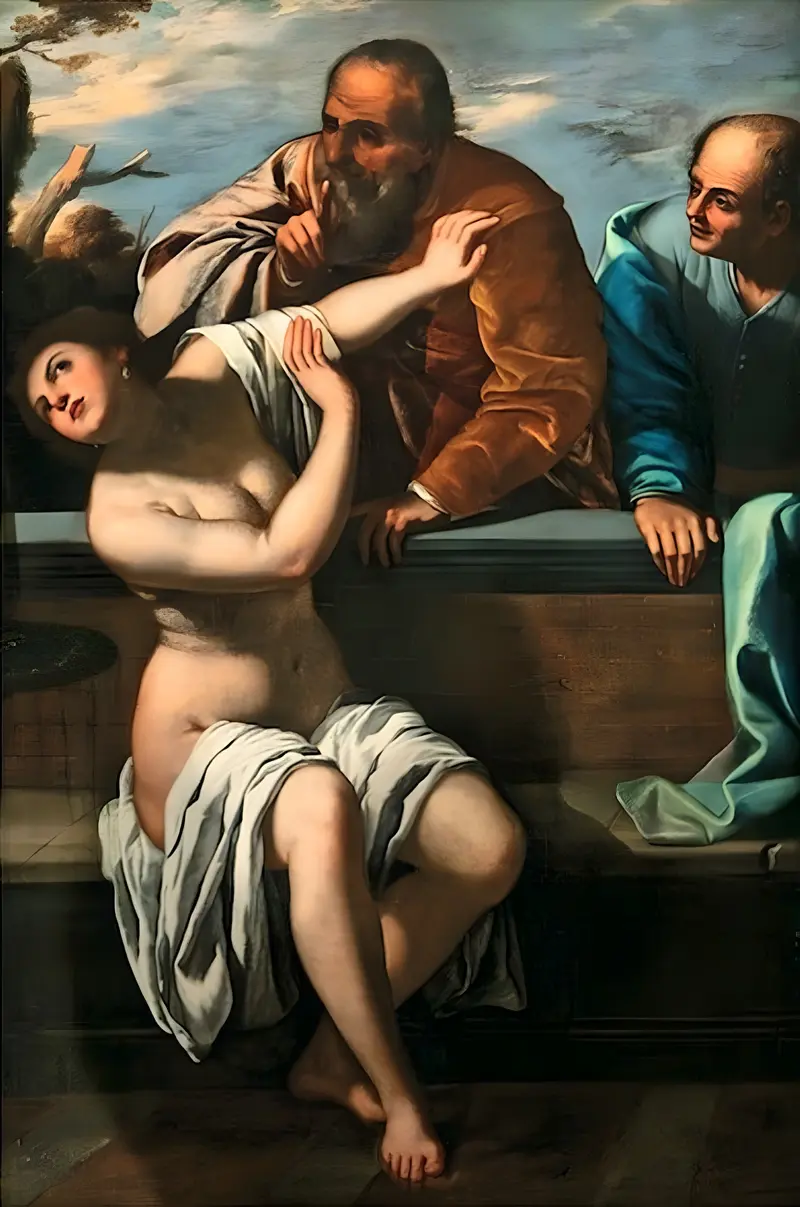
Susannah and the Elders
Artemisia Gentileschi

Judith and her Servant with the Head of Holofernes
Artemisia Gentileschi
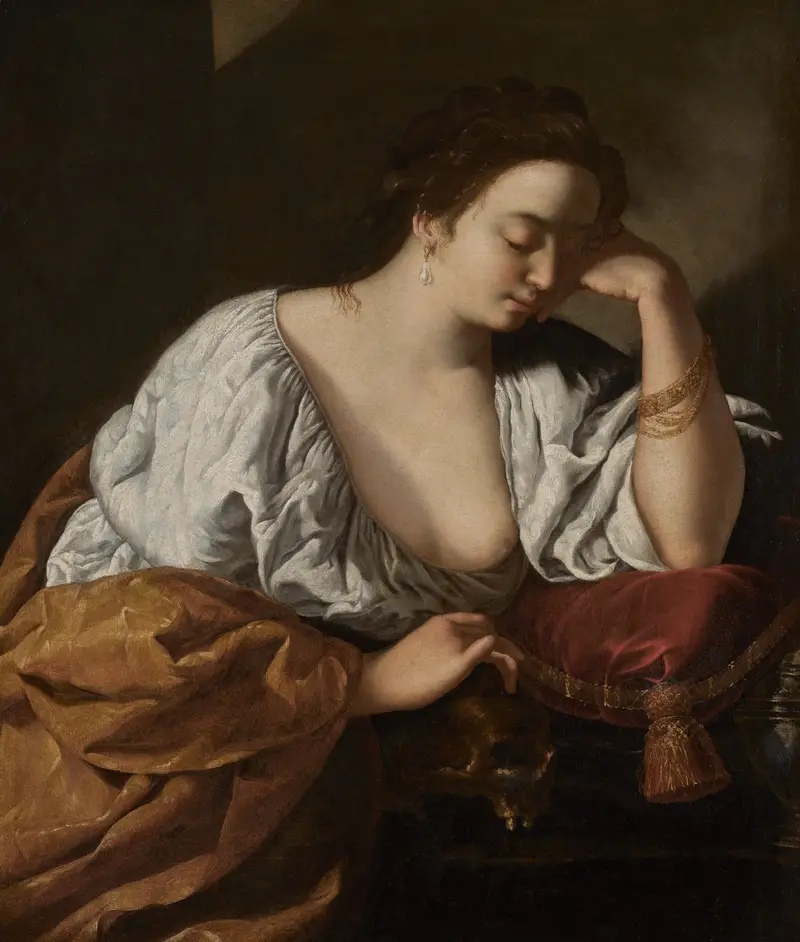
Madeleine pénitente, par
Artemisia Gentileschi
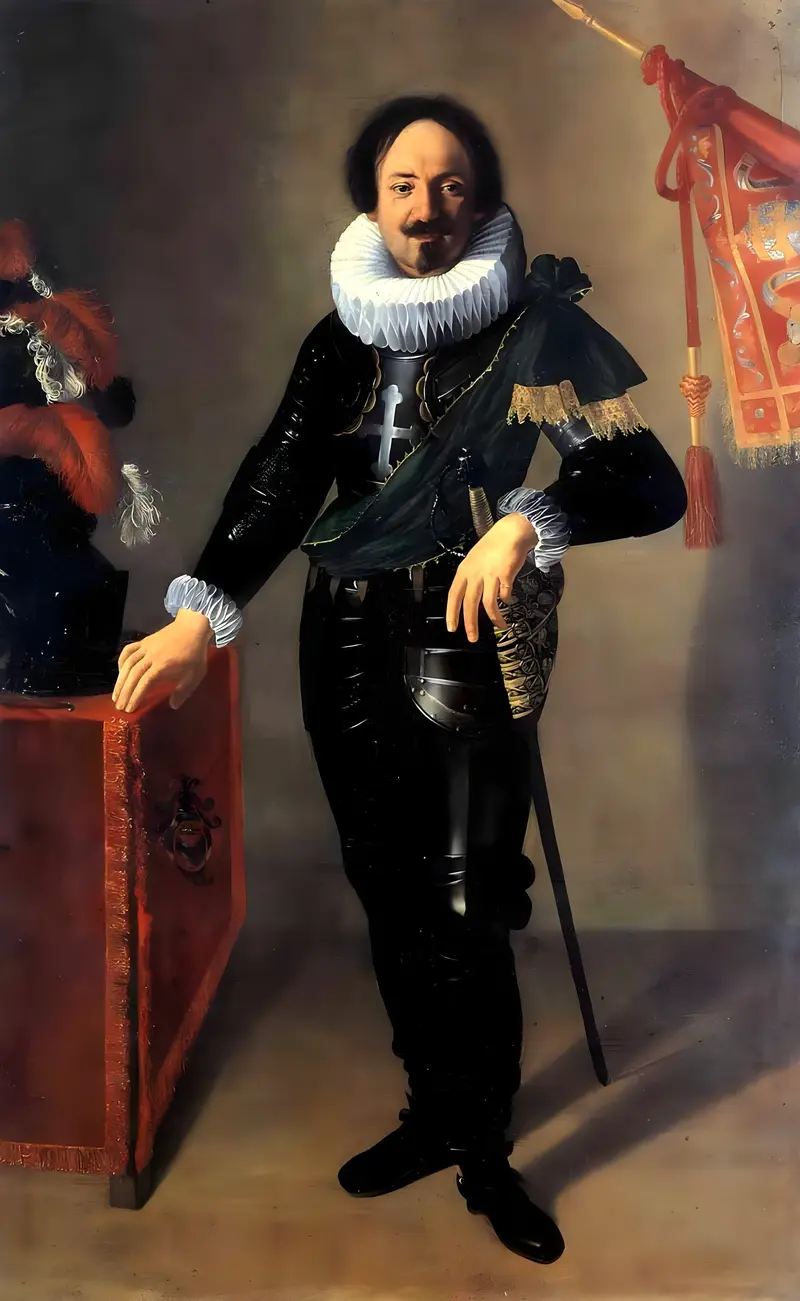
Portrait of a Gonfaloniere
Artemisia Gentileschi





