
Bathers at Asnières (Study I) — History & Facts
When Georges Seurat began work on Bathers at Asnières (Study I) in 1883, he was just 23 years old and already preparing for a radical break with tradition. This study is one of several that predate his monumental canvas, now in the National Gallery, London, and it marks the first appearance of his distinctive approach to color and composition. The painting’s subject—a group of working-class Parisians relaxing on the banks of the Seine—was unusual for its time, challenging the conventions of both subject matter and technique.
Rather than focusing on the bourgeois or the picturesque, Seurat turned his attention to the everyday leisure of ordinary people, a choice that would help define the Post-Impressionist movement. The scene Seurat chose is a quiet Sunday afternoon at Asnières, a suburb just outside Paris. Young men lounge on the grass, some gazing across the river, others lost in thought, their bodies rendered with a remarkable sense of stillness and gravity. The river glimmers in the background, its surface broken only by the distant shapes of factories and smokestacks—reminders of the industrial world encroaching on this moment of repose.
Seurat’s careful arrangement of figures, the subtle gradations of light, and the almost geometric clarity of the forms set his work apart from the more spontaneous brushwork of Impressionists like Monet or Renoir. Here, every posture and shadow is considered, contributing to a mood of calm contemplation. While the finished Bathers at Asnières would become one of Seurat’s most celebrated works, the studies—including this one—offer a rare glimpse into his evolving process. The medium of this particular study remains uncertain, but it likely combines oil with touches of crayon or conté, as was his habit.
These preparatory works circulated among Seurat’s friends and supporters before the final canvas was exhibited at the Salon des Artistes Indépendants in 1884, where it attracted both admiration and confusion. Today, Bathers at Asnières (Study I) is valued not only for its quiet beauty but also as a document of Seurat’s early experiments with the techniques that would lead to Pointillism and change the course of modern art.
More Artworks by Georges Seurat
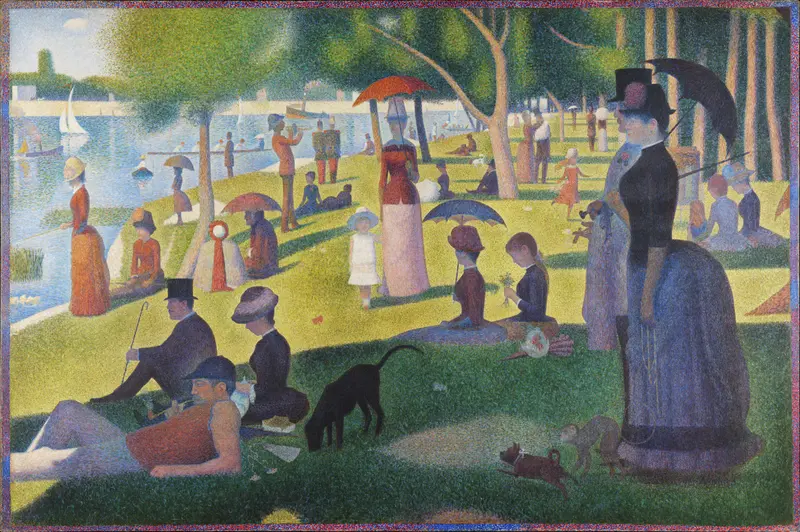
A Sunday Afternoon on the Island of La Grande Jatte
Georges Seurat
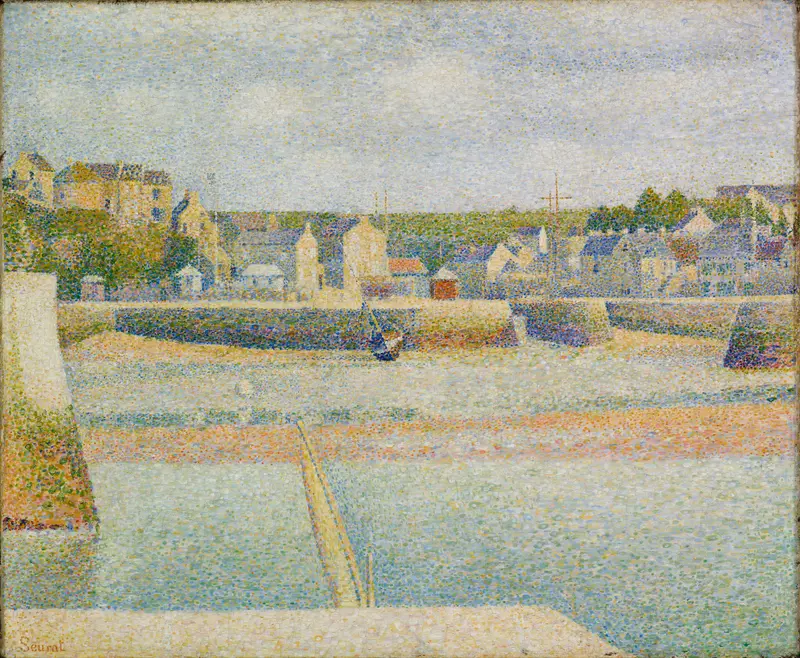
Port-en-Bessin, The Outer Harbor (Low Tide)
Georges Seurat
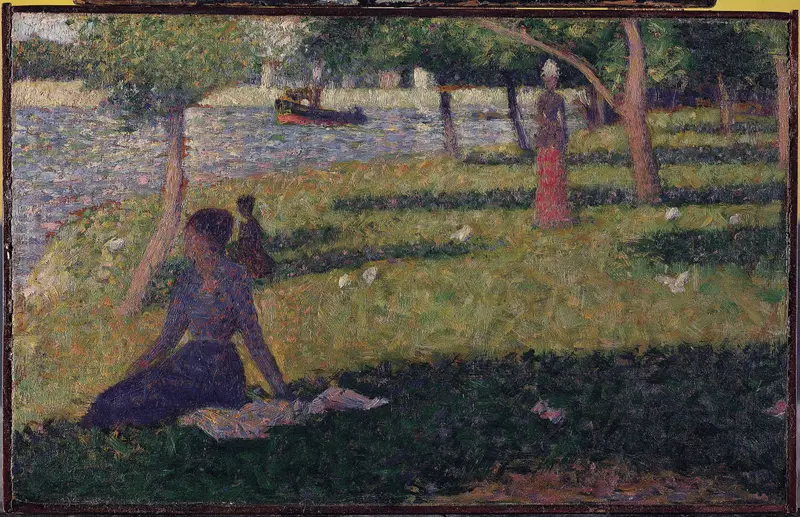
Étude pour ‘La Grande Jatte’ (Study for ‘La Grande Jatte’)
Georges Seurat
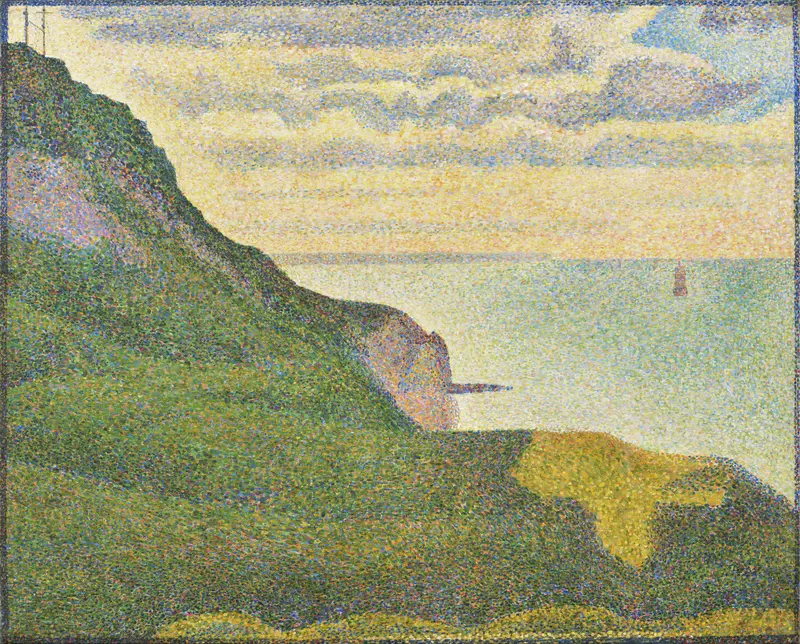
Seascape at Port-en-Bessin,Normandy
Georges Seurat
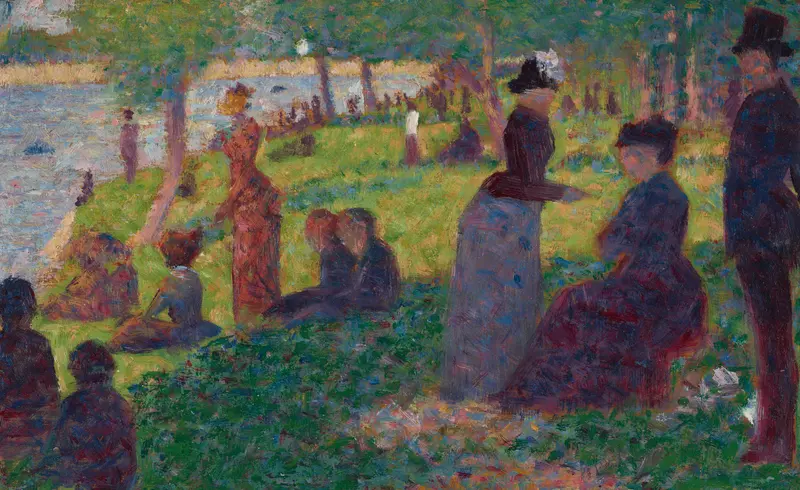
Oil Sketch for "A Sunday on La Grande Jatte — 1884"
Georges Seurat
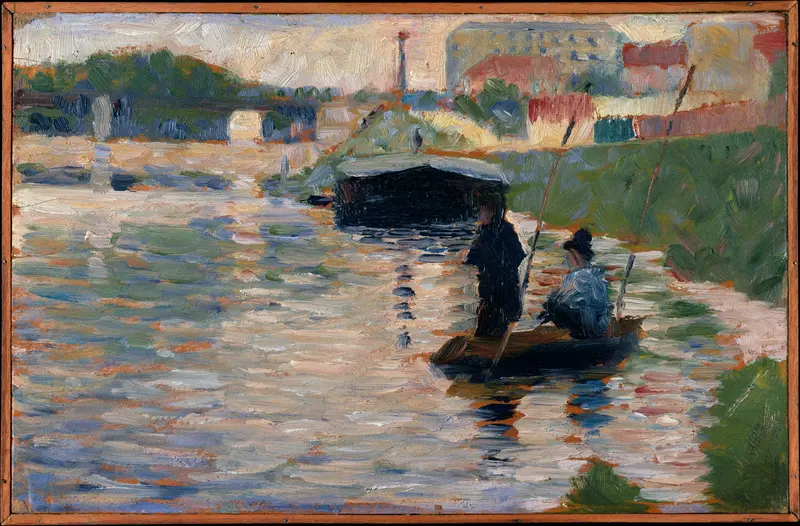
View of the Seine
Georges Seurat
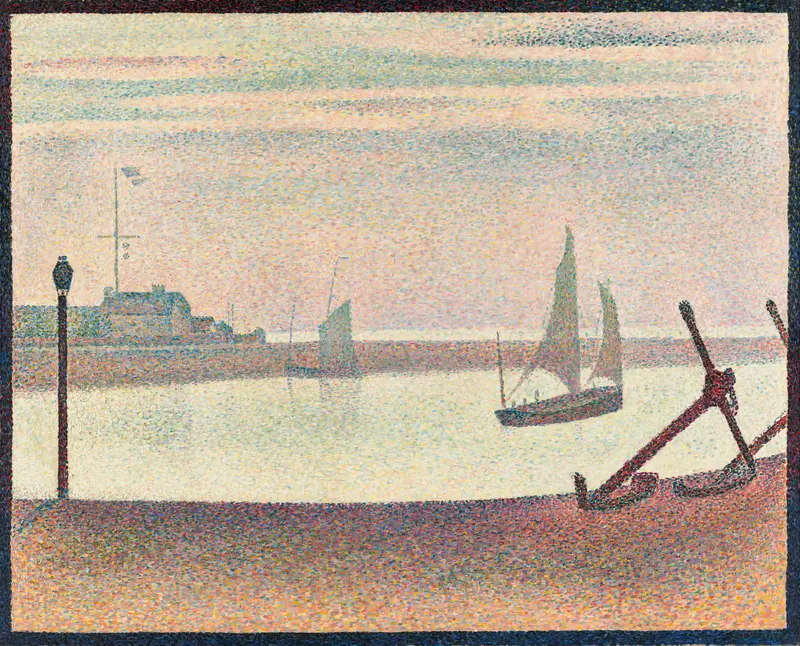
The Channel at Gravelines, Evening
Georges Seurat
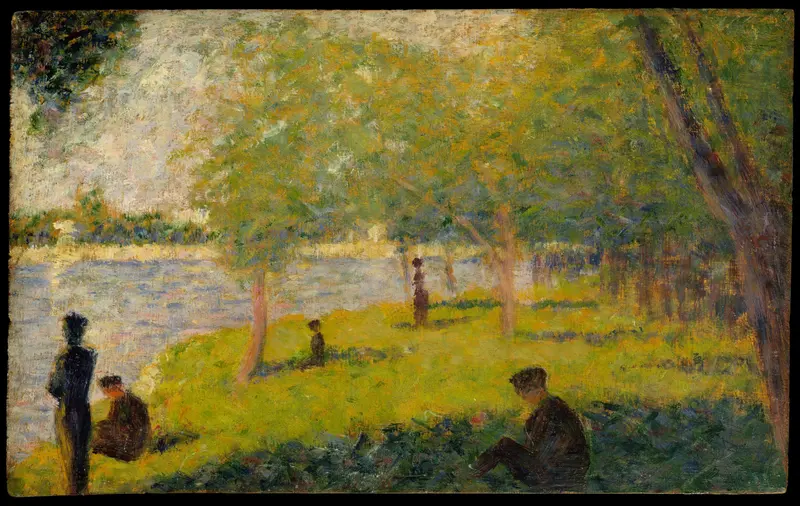
Study for ‘A Sunday on La Grande Jatte’
Georges Seurat
Study for A Sunday on La Grande Jatte
Georges Seurat
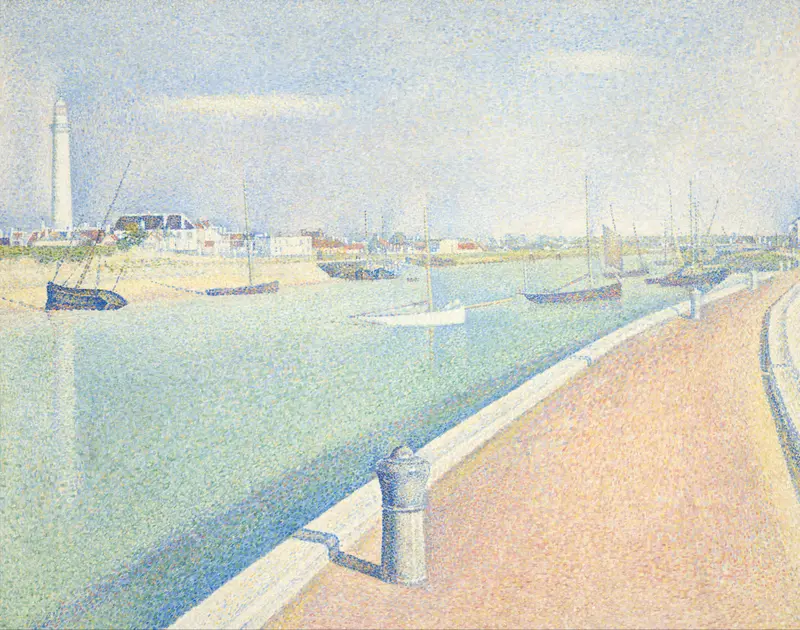
The Channel of Gravelines, Petit Fort Philippe
Georges Seurat
More Genre Scene Art

Banquet of the Officers of the St George Civic Guard
Frans Hals

Rembrandt and Saskia in the Scene of the Prodigal Son
Rembrandt van Rijn

Bal du moulin de la Galette
Pierre-Auguste Renoir

Quadrille at the Moulin Rouge
Henri de Toulouse-Lautrec

A Burial at Ornans
Gustave Courbet

When Will You Marry?
Paul Gauguin