
Ceres and Proserpina — History & Facts
No one knows exactly when Abraham Bloemaert painted Ceres and Proserpina, but what is certain is that the Dutch master returned to this myth more than once, and at least two versions by his hand are known to survive. This repetition suggests a special fascination, either personal or driven by the tastes of his patrons, for the ancient story of loss and reunion between mother and daughter. In the bustling art market of the early seventeenth century Netherlands, mythological scenes like this were in high demand among collectors eager to display both their learning and their taste for drama. The moment Bloemaert chose is one of tense negotiation: Ceres, goddess of the harvest, confronts Jupiter to demand the return of her daughter, Proserpina, who has been abducted by Pluto to the underworld.
The artist places the two women at the heart of the composition—Ceres, her arm outstretched in supplication or protest, Proserpina looking back with a mixture of longing and resignation. The sheaf of wheat at Ceres’s feet signals her dominion over the earth’s bounty, while the dark, receding background hints at the underworld’s shadow. Compared to Rubens’s more theatrical The Rape of Proserpina, Bloemaert’s version is quieter, focusing on the emotional exchange rather than the violence of the abduction. The precise provenance of this painting remains unclear, as is often the case with works circulating in the lively Dutch art market of the early 1600s.
It likely passed through the hands of private collectors before entering a museum collection, where it stands as a testament to Bloemaert’s versatility—he was equally at home with religious, mythological, and pastoral subjects. Today, Ceres and Proserpina is valued not only for its narrative but also as a fine example of the Utrecht school’s blend of Italianate elegance and northern detail. Its survival and continued display allow us to glimpse the enduring appeal of ancient stories, retold in paint for a new audience.
More Artworks by Abraham Bloemaert

Adam and Eve
Abraham Bloemaert
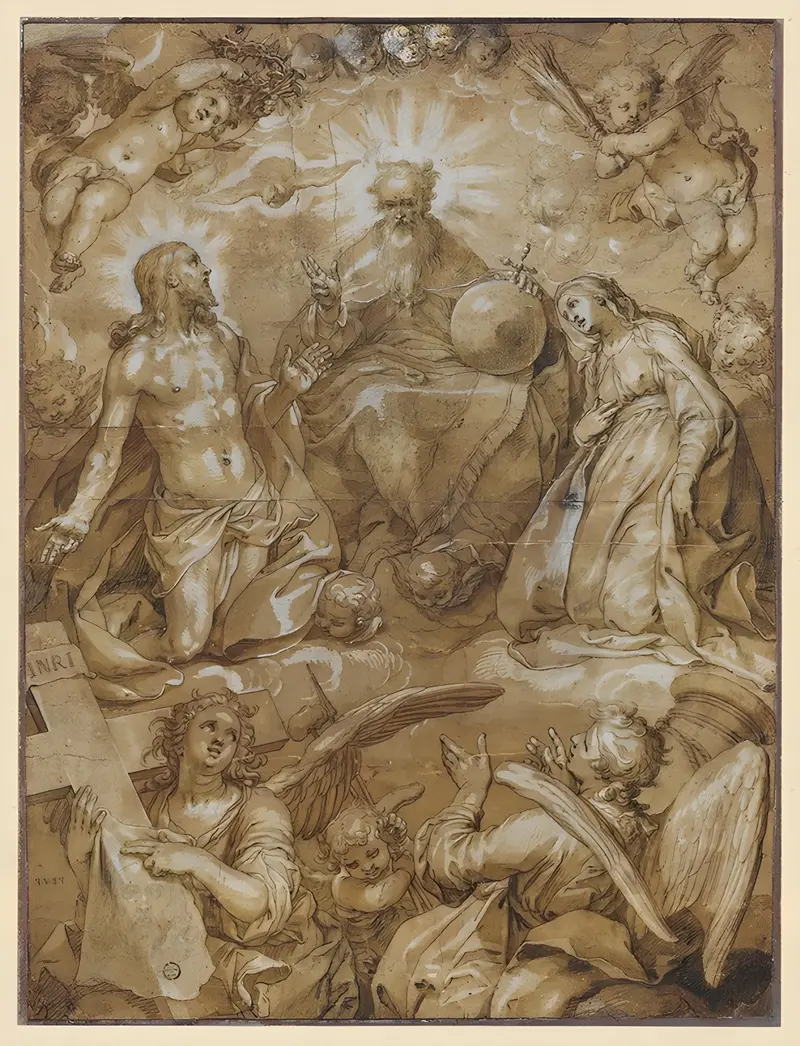
Intercession of Christ and Mary before God the Father
Abraham Bloemaert
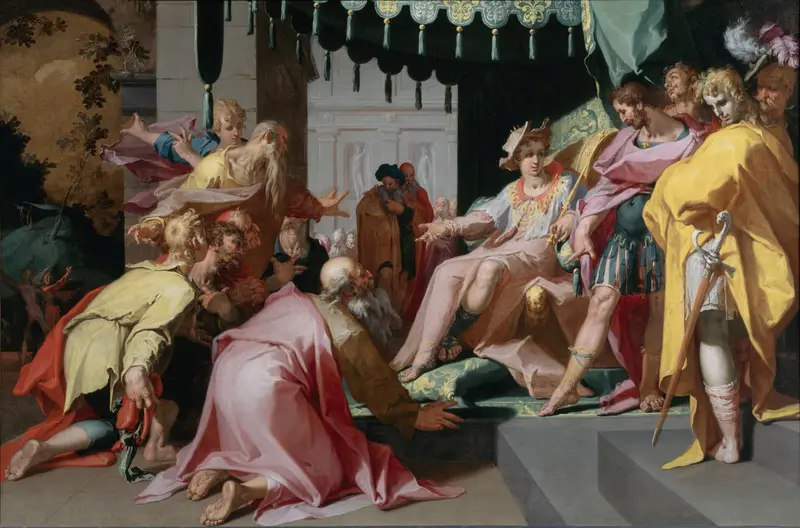
Joseph and his Brothers
Abraham Bloemaert
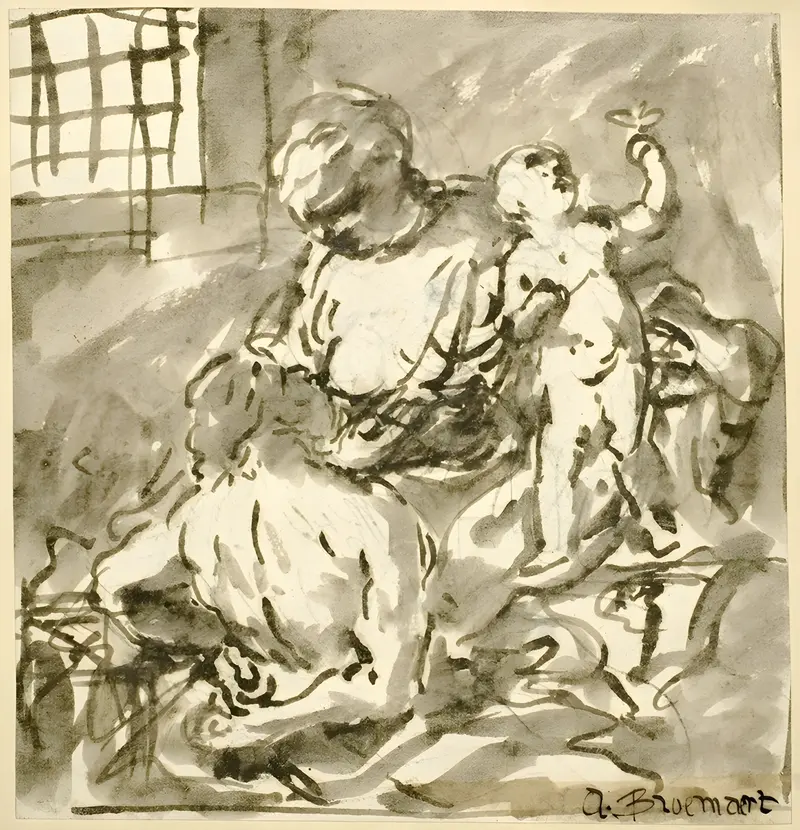
Caritas Romana
Abraham Bloemaert
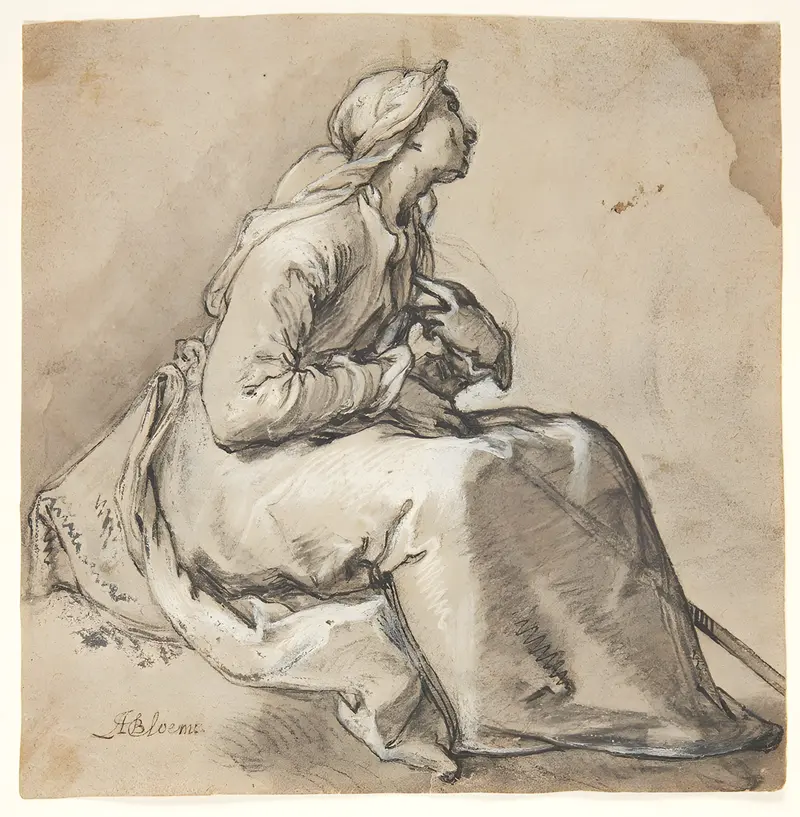
A seated woman facing right
Abraham Bloemaert
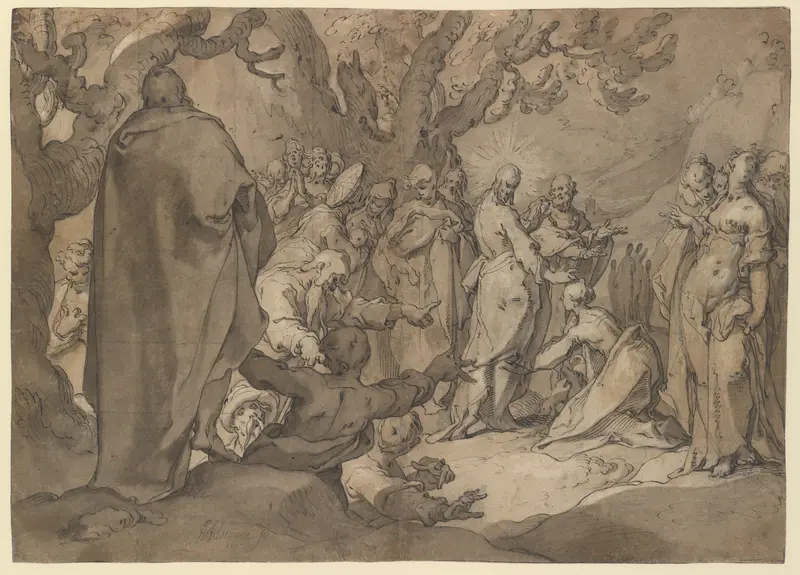
Christ and the Canaanite Women
Abraham Bloemaert
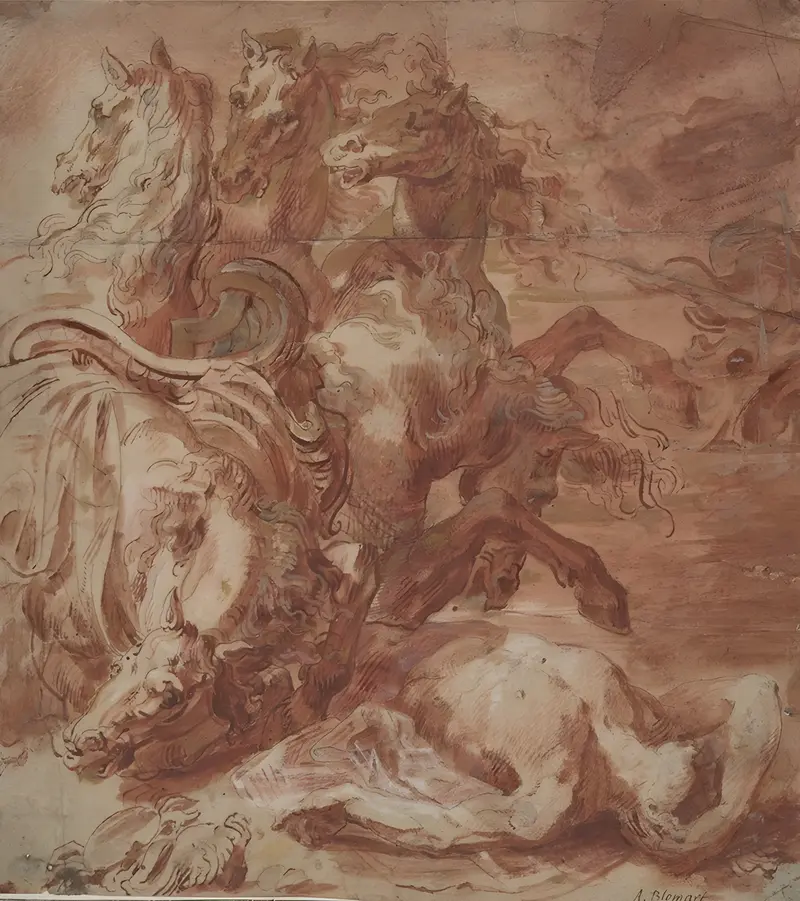
Hippolytus
Abraham Bloemaert
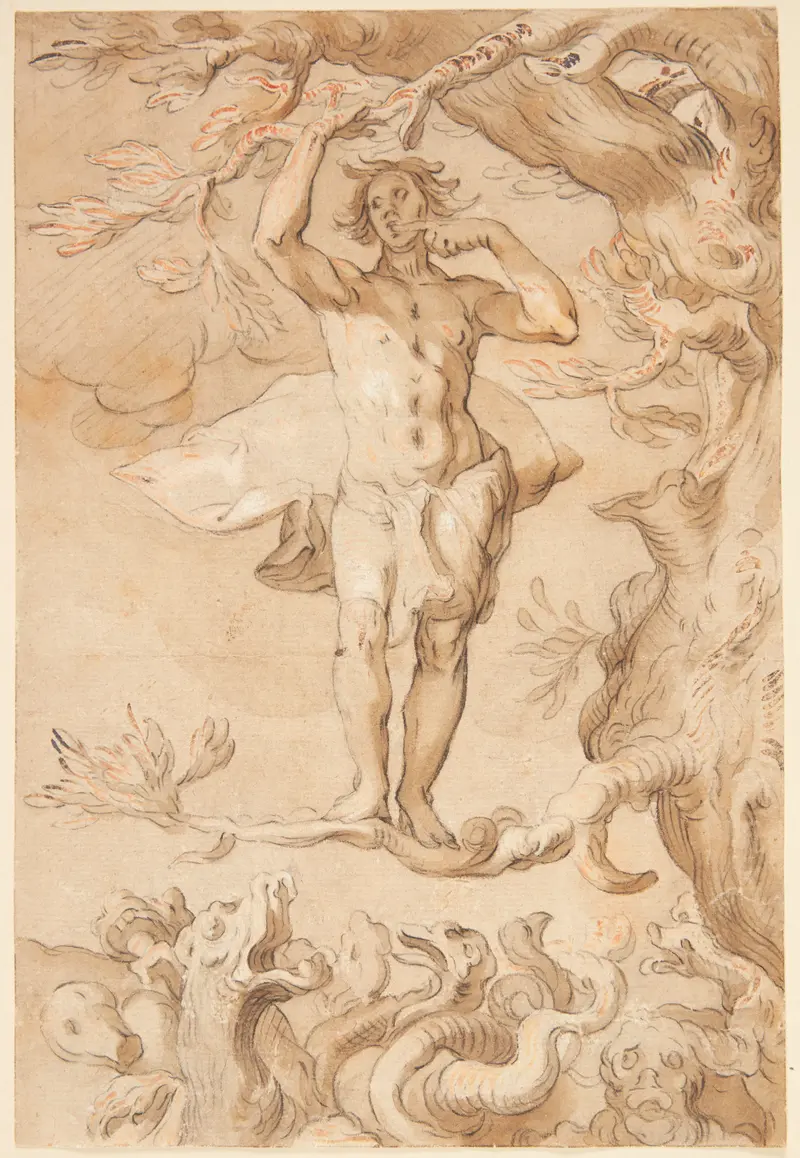
Den menneskelige glædes skrøbelighed En mand, der jages af en drage, klynger sig til en gren, mens han slikker honning af sin finger
Abraham Bloemaert

Moses Striking the Rock
Abraham Bloemaert
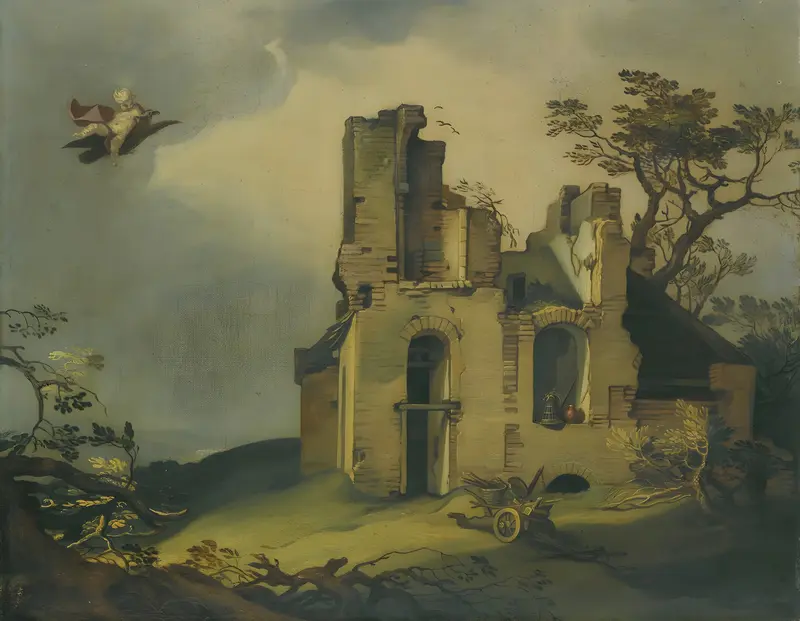
A Landscape With Ruins, With The Rape Of Ganymede
Abraham Bloemaert





