
Christina Nilsson, 1843-1921, opera-singer, as Ofelia — History & Facts
When Alexandre Cabanel unveiled Christina Nilsson, 1843-1921, opera-singer, as Ofelia in 1873, Paris was abuzz with the Swedish soprano’s meteoric rise. Nilsson, already a sensation on the European stage, had just triumphed at the Paris Opéra, and Cabanel’s portrait immortalized her not as herself, but in the tragic role of Ophelia from Shakespeare’s Hamlet—a part she famously sang that same year. The painting became a talking point among critics and fans alike, who marveled at the union of two stars: the painter, celebrated for his academic precision, and the singer, whose performances drew crowds to rapture and tears.
The work stands as a rare intersection of theatre and painting, capturing a living artist at the height of her fame through the lens of another’s imagination. The moment Cabanel chose is Ophelia’s descent into madness, just before her watery death—a scene that has haunted artists from John Everett Millais to Odilon Redon. Here, Nilsson-as-Ophelia stands at the edge of a stream, her white gown clinging to her, wildflowers gathered in her arms, and her gaze lost in a world beyond the viewer. The scattered violets and poppies at her feet speak of innocence and sleep, while the willow branches above her hint at the tragedy to come.
Cabanel’s soft lighting bathes her in a pale glow, suggesting both stage spotlight and the otherworldly pallor of Shakespeare’s doomed heroine. Unlike Millais’s famous Ophelia, where the figure floats lifeless, Cabanel’s is caught in the last moment of lucidity, the drama heightened by Nilsson’s operatic intensity. The precise medium of this work is not documented, though Cabanel was known for both oil and pastel portraits. Commissioned at the height of both artist’s and sitter’s fame, the painting was likely destined for a private collector or a public exhibition eager to capitalize on Nilsson’s celebrity.
Its subsequent history is unclear; no records confirm its presence in major museum collections, and its current location remains a subject of scholarly inquiry. Within Cabanel’s career, this portrait stands out as a testament to his fascination with contemporary culture and the theatrical, bridging the worlds of music and painting in the spirit of late 19th-century Paris.
More Artworks by Alexandre Cabanel
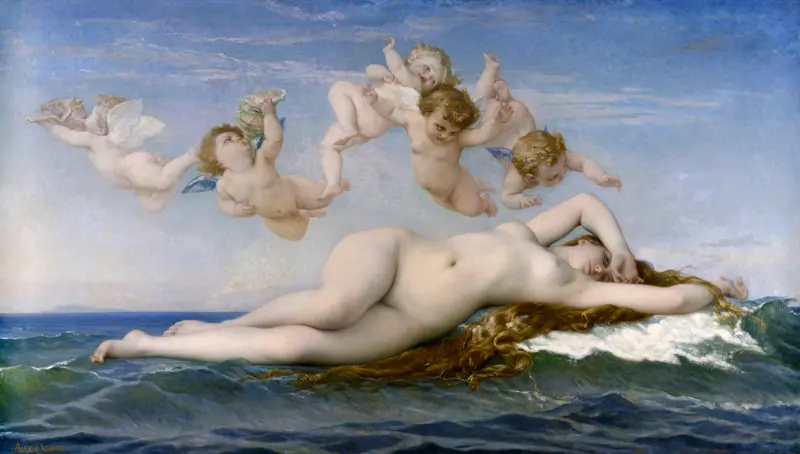
The Birth of Venus
Alexandre Cabanel
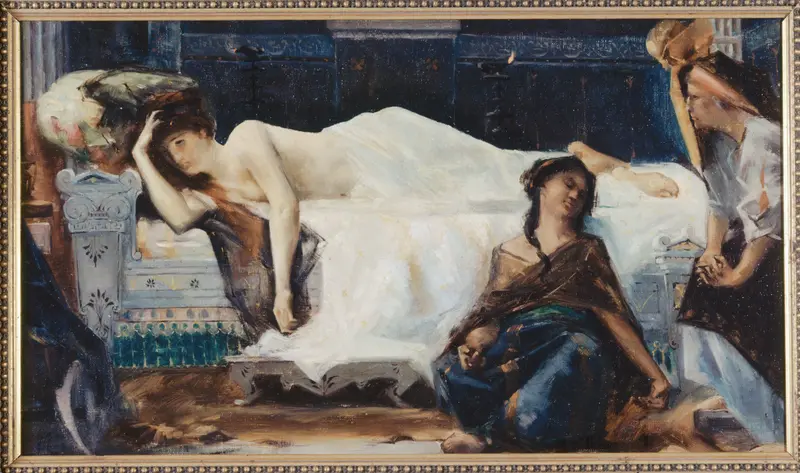
Phèdre
Alexandre Cabanel
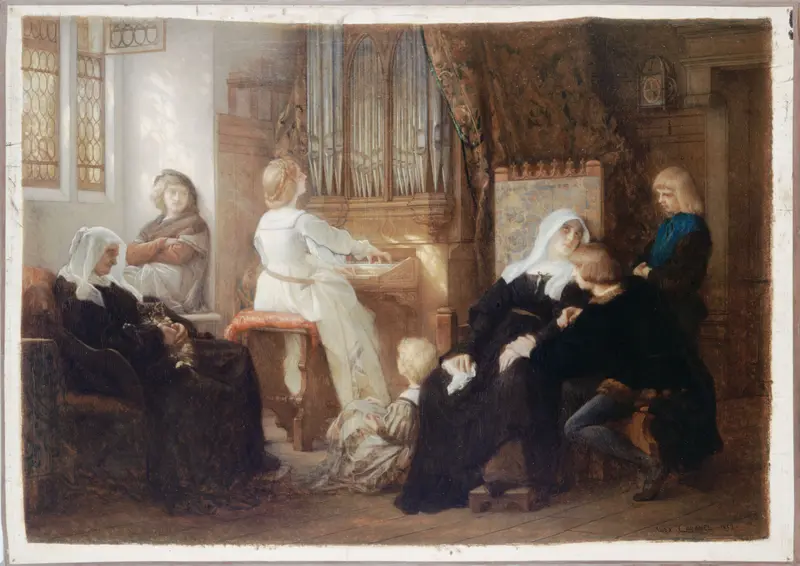
La veuve du maître de chapelle
Alexandre Cabanel
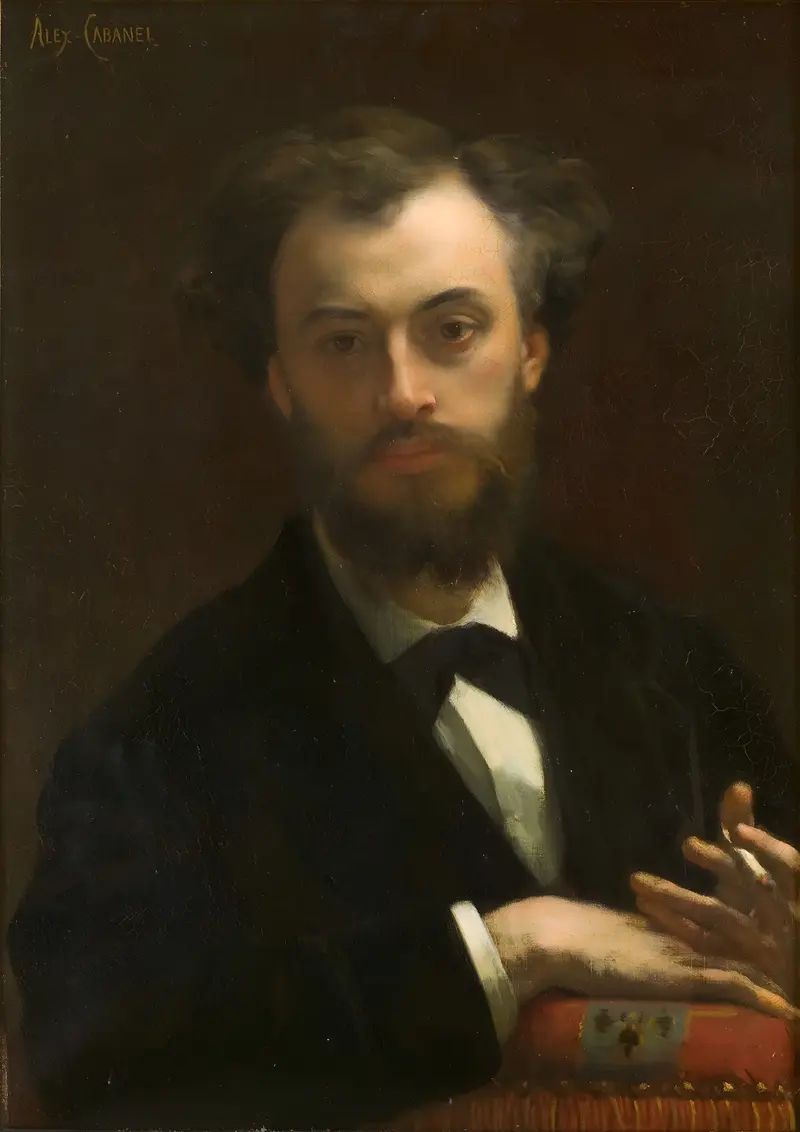
Portrait de M. Pierre Cabanel
Alexandre Cabanel
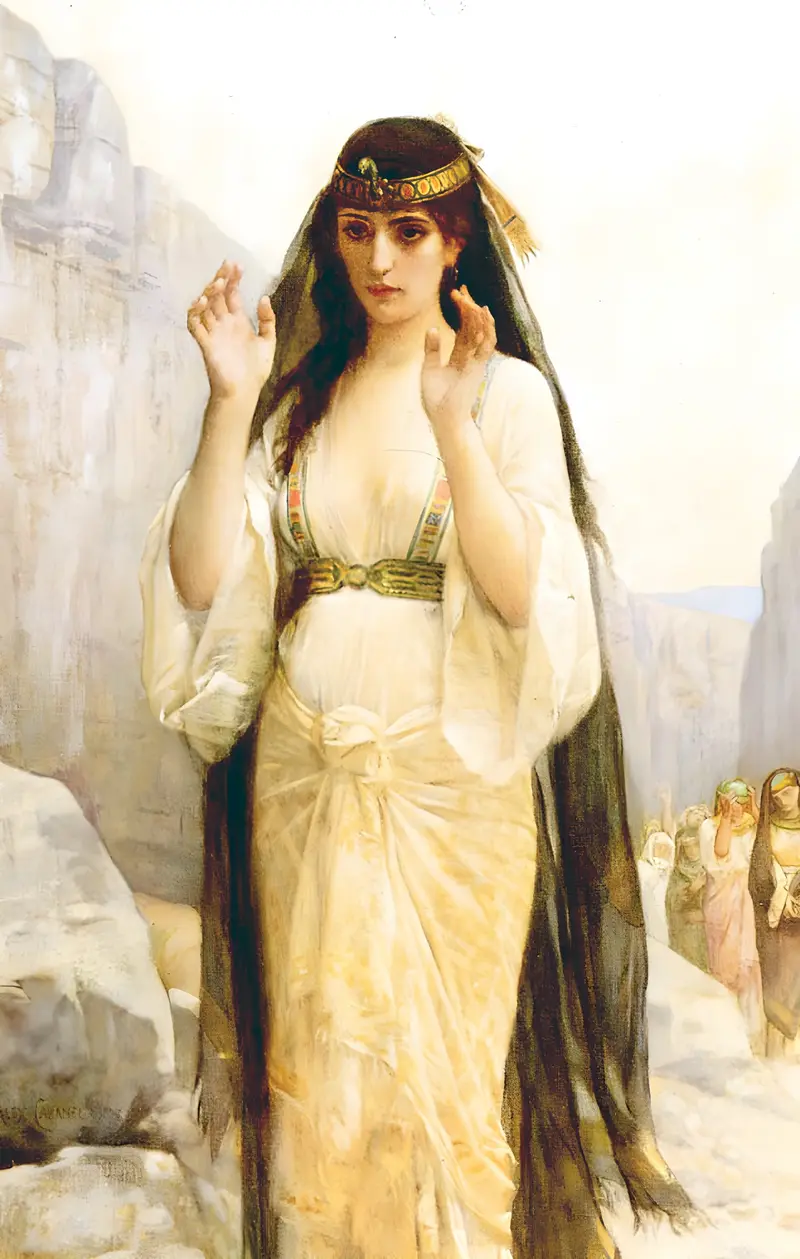
The Daughter of Jephthah
Alexandre Cabanel
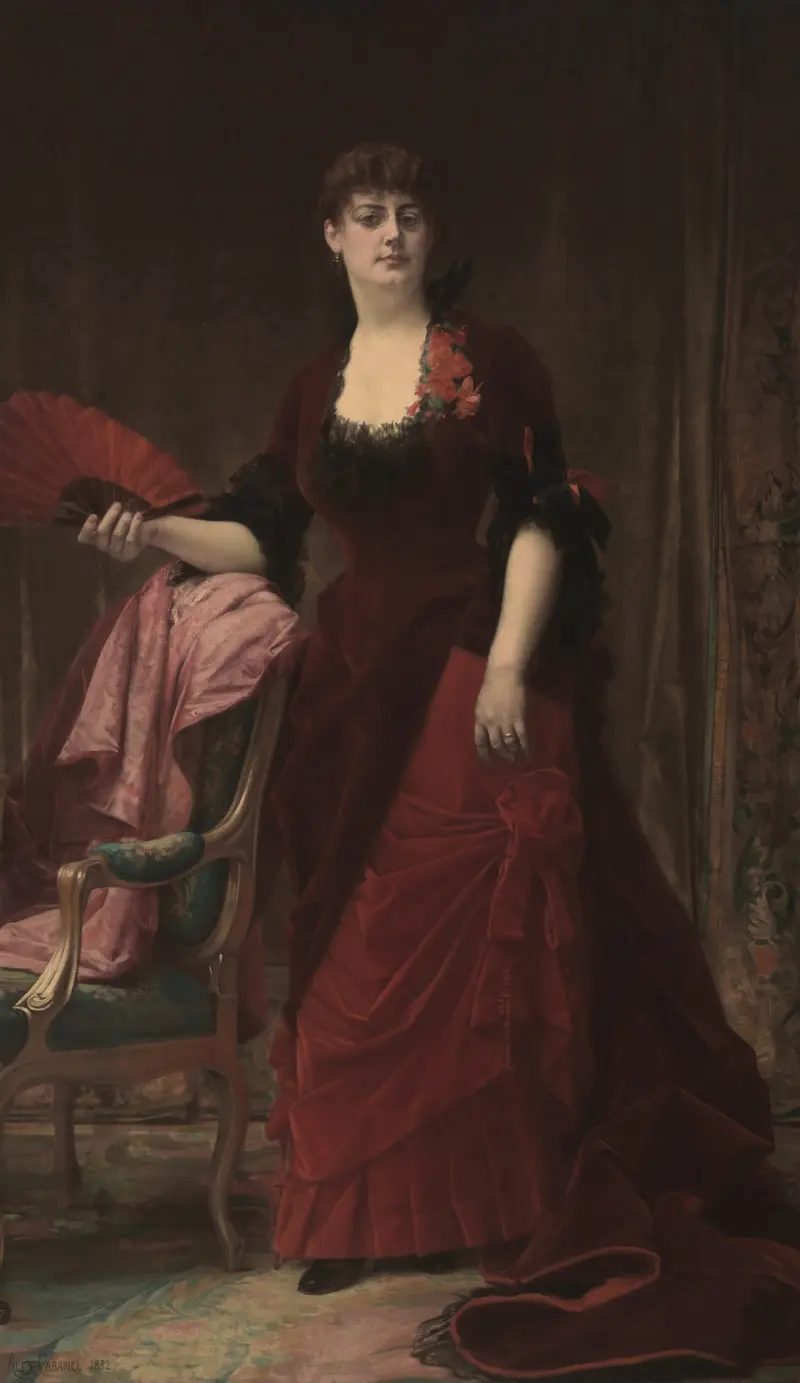
Portrait of Arabella Worsham (later Arabella Huntington)
Alexandre Cabanel
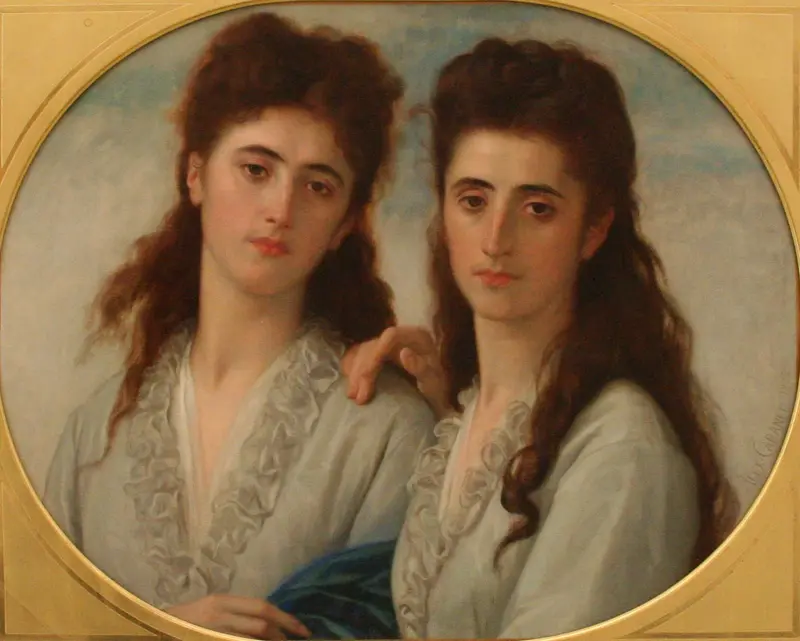
Portrait de mesdemoiselles Sophie et Berthe Cabanel
Alexandre Cabanel
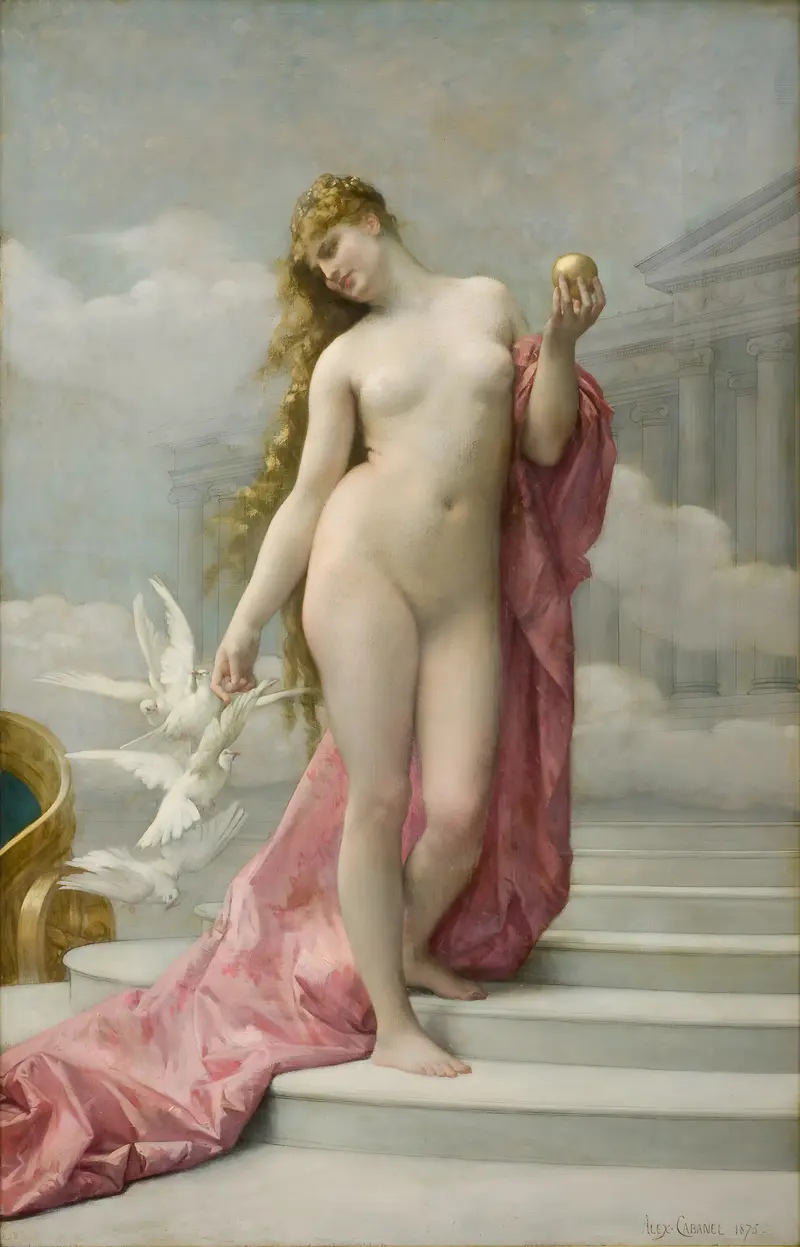
Vénus victorieuse
Alexandre Cabanel
Judith
Alexandre Cabanel
Catharine Lorillard Wolfe (1828–1887)
Alexandre Cabanel





