
Echo — History & Facts
When Echo by Alexandre Cabanel was first exhibited at the Salon of 1874, critics were quick to note the artist’s departure from his grand historical canvases toward a more intimate, lyrical myth. The painting drew attention for its delicate treatment of a lesser-known moment from Ovid’s Metamorphoses, a subject rarely chosen by French academic painters of the period. In a year crowded with political upheaval and shifting tastes, Cabanel’s focus on the solitary nymph seemed almost a quiet rebellion against the monumental narratives favored by the Salon.
The work quickly became a touchstone for discussions about the future of mythological painting in France. At the heart of the painting is the tragic figure of Echo, caught in the instant after she is spurned by Narcissus. Cabanel captures her in a forest clearing, her body half-turned as if to flee, but her gaze fixed longingly on a figure just out of reach. The soft, cool light that bathes her form hints at her impending dissolution, as Echo is doomed to fade until only her voice remains.
Her gesture—one hand to her lips, the other extended—suggests both her yearning and her curse: she can only repeat the words of others. Unlike John William Waterhouse’s later Echo and Narcissus, which places both figures together, Cabanel isolates Echo, making her solitude the emotional core of the scene. The physical history of Echo is less documented than Cabanel’s major commissions, but it stands as a significant example of the artist’s late-career interest in mythological subjects. Likely created for the open market rather than a specific patron, the painting reflects the tastes of the French Third Republic, when collectors favored refined, narrative-driven works.
Over time, Echo has appeared in several private collections and exhibitions, its whereabouts occasionally uncertain, but it remains a key piece for understanding Cabanel’s shift away from state-sponsored allegories toward more personal, poetic themes. Today, it is recognized as a testament to his technical finesse and his sensitivity to the inner lives of mythic figures.
More Artworks by Alexandre Cabanel
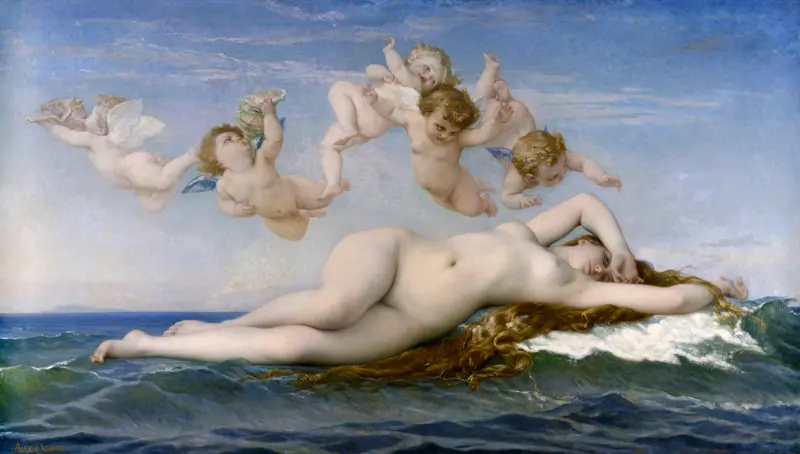
The Birth of Venus
Alexandre Cabanel
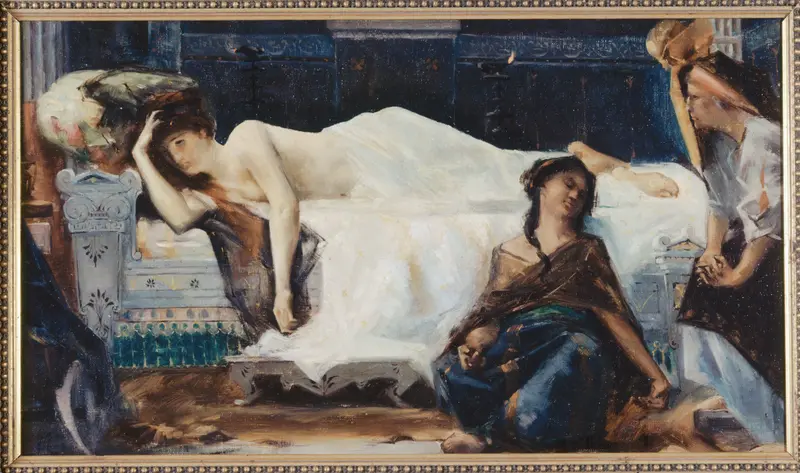
Phèdre
Alexandre Cabanel
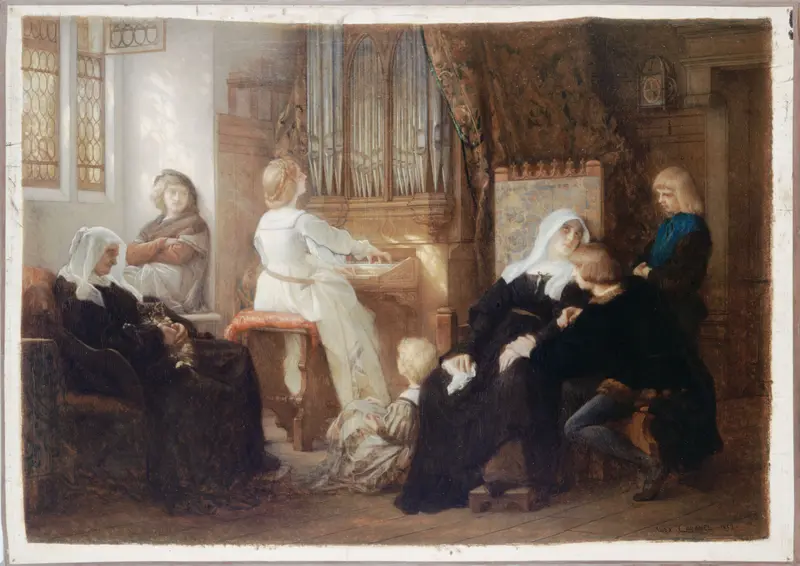
La veuve du maître de chapelle
Alexandre Cabanel
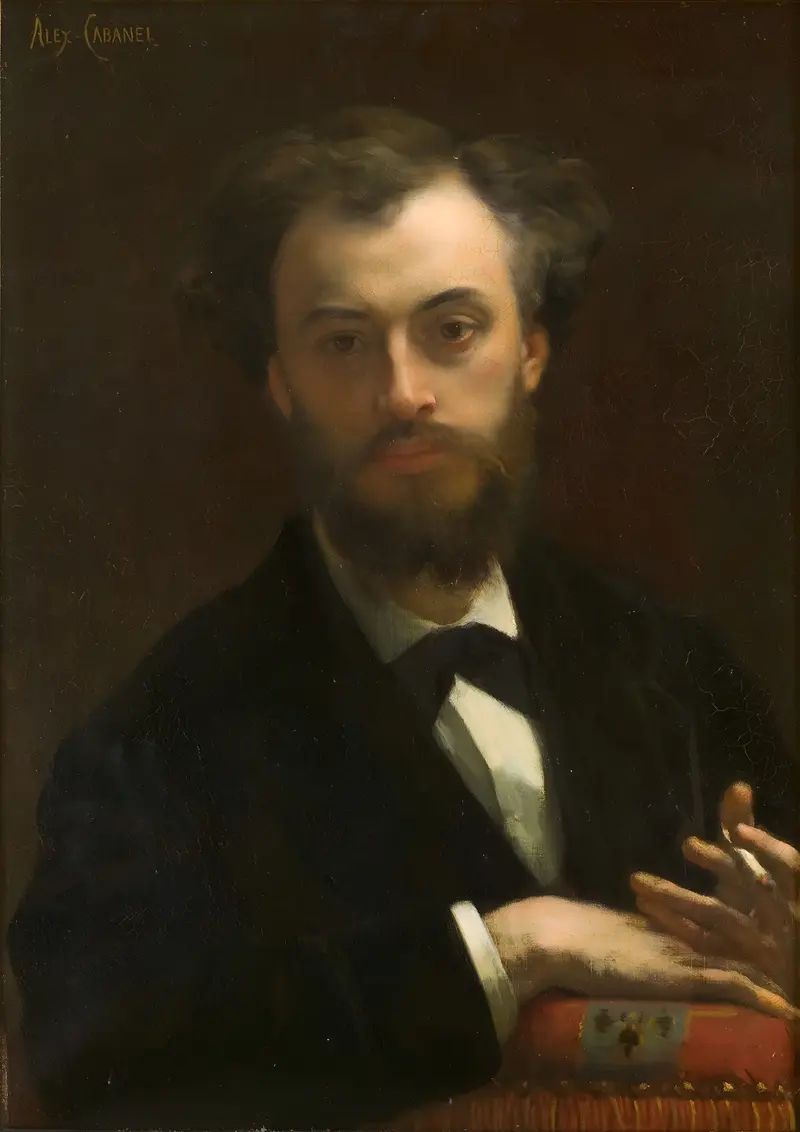
Portrait de M. Pierre Cabanel
Alexandre Cabanel
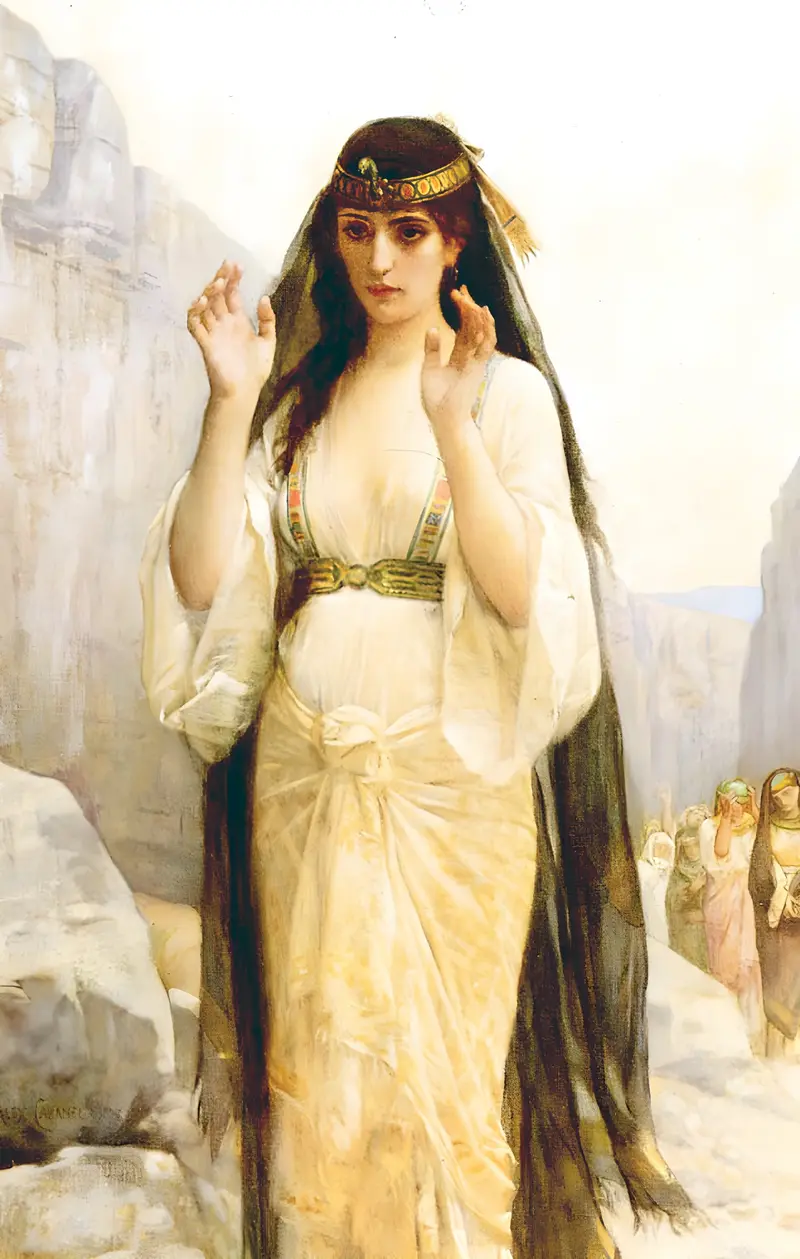
The Daughter of Jephthah
Alexandre Cabanel
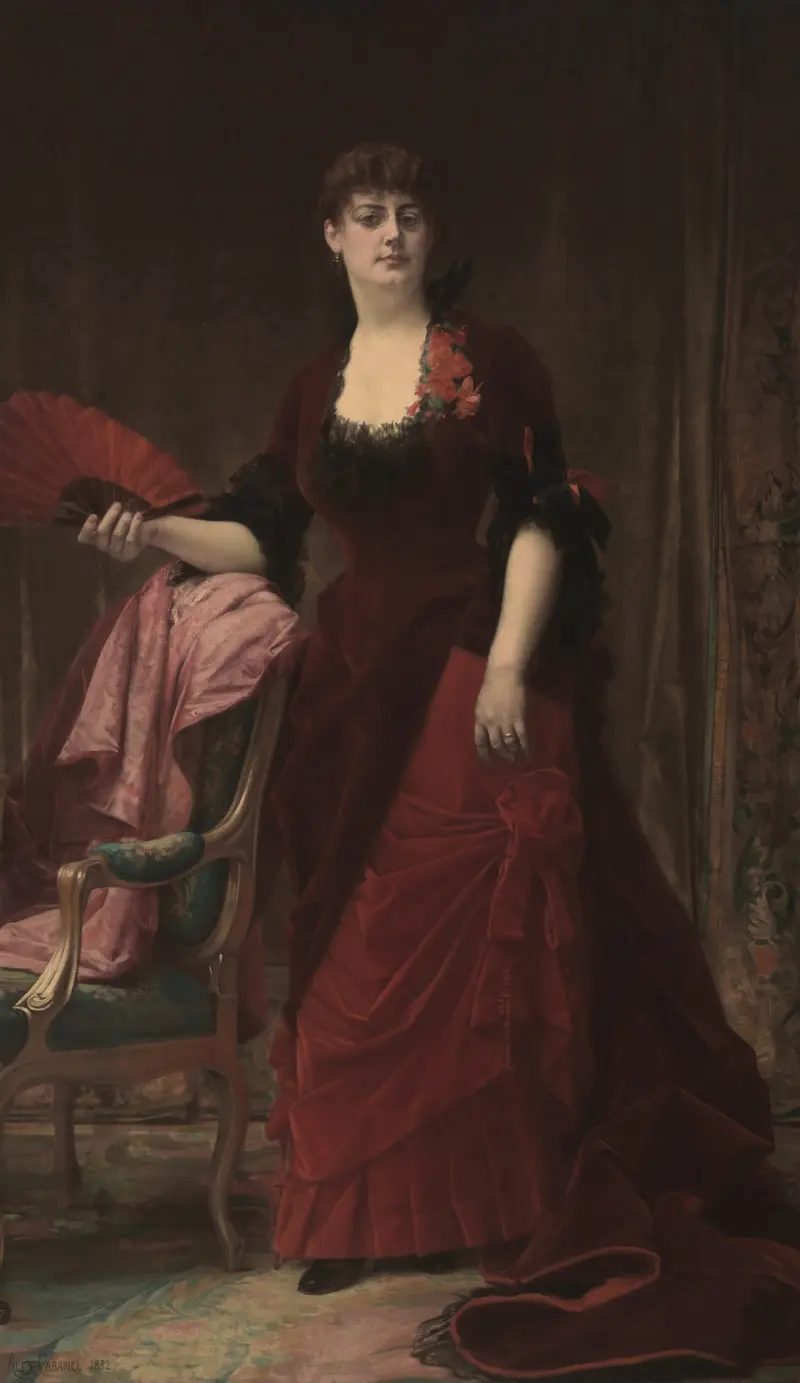
Portrait of Arabella Worsham (later Arabella Huntington)
Alexandre Cabanel
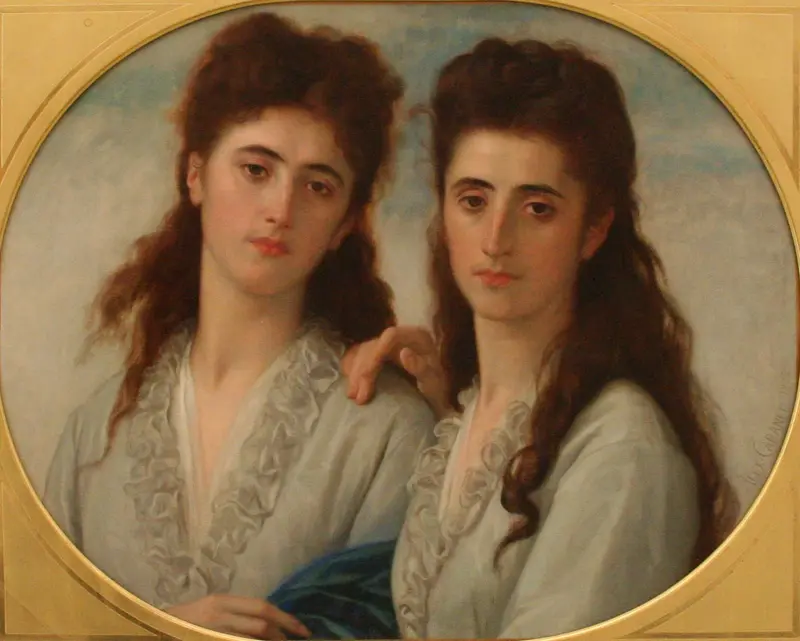
Portrait de mesdemoiselles Sophie et Berthe Cabanel
Alexandre Cabanel
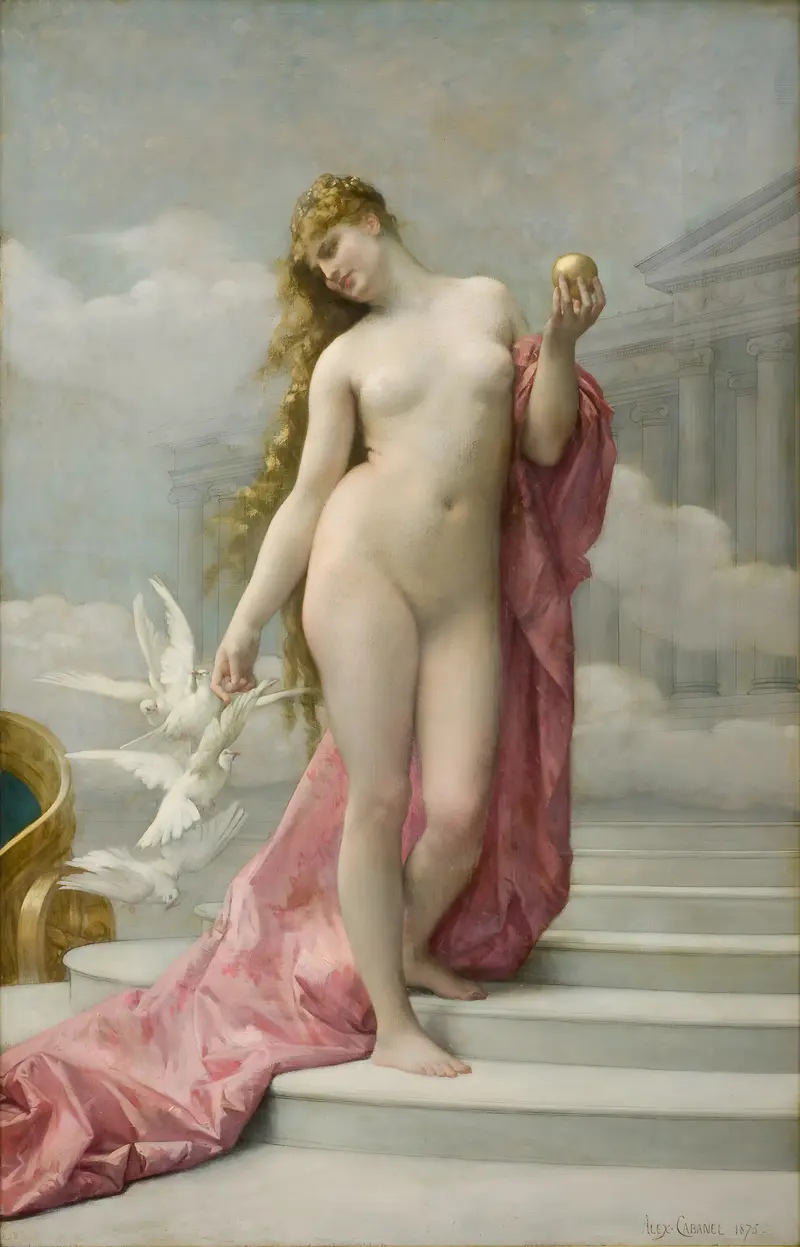
Vénus victorieuse
Alexandre Cabanel
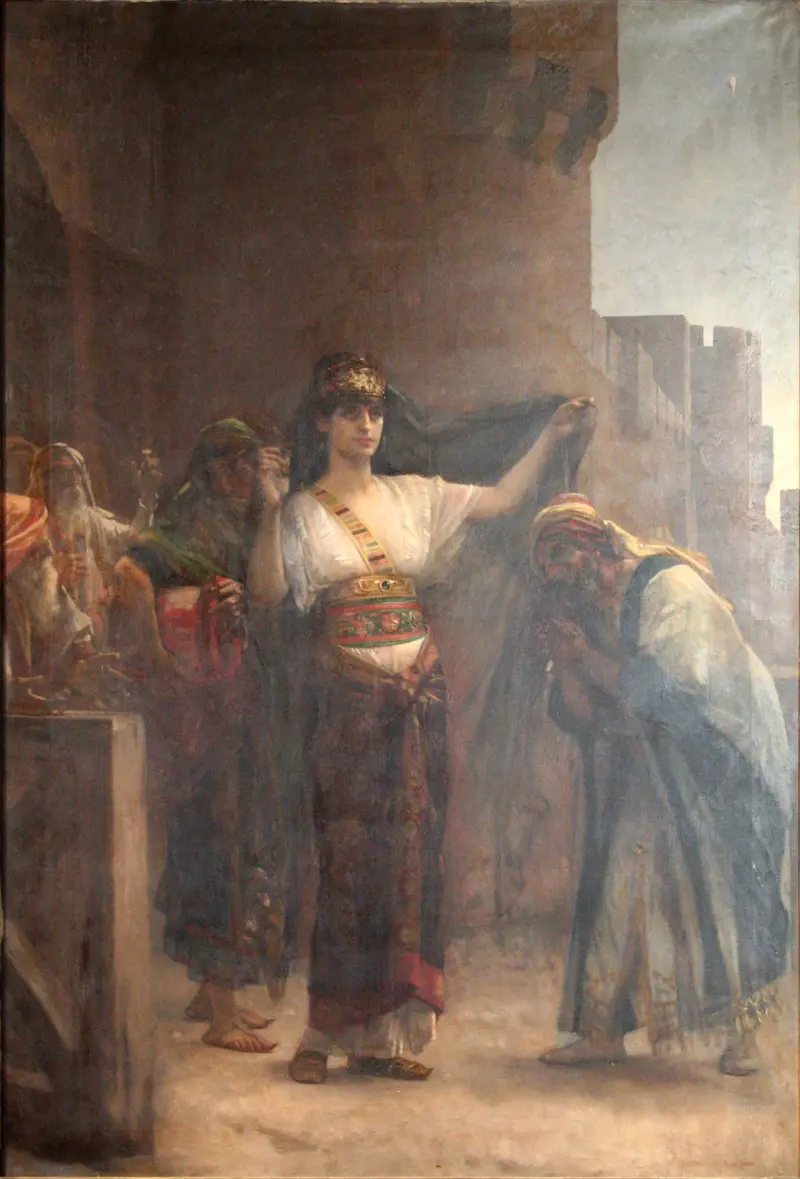
Judith
Alexandre Cabanel
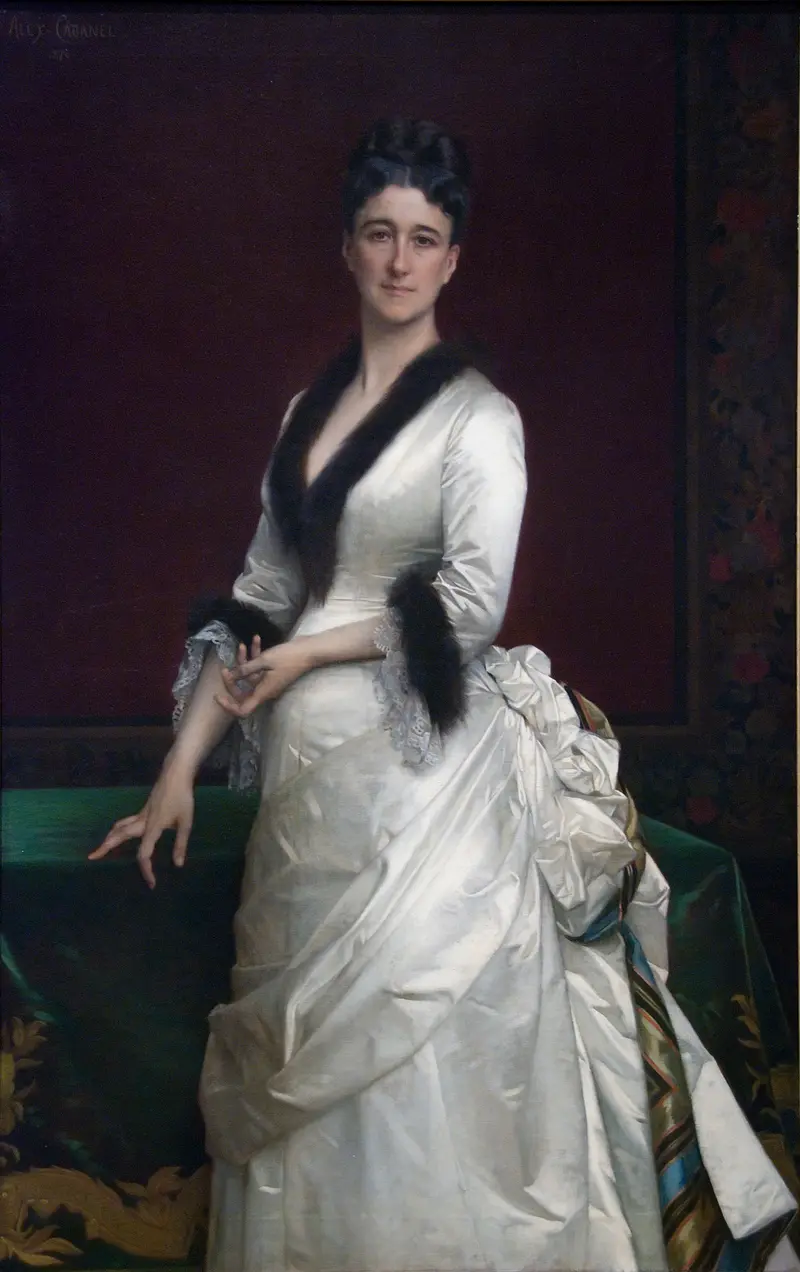
Catharine Lorillard Wolfe (1828–1887)
Alexandre Cabanel





