
‘Every one his fancy’ — History & Facts
No fewer than five versions of Every one his fancy by Godfried Schalcken are known to exist, a testament to both the popularity of its theme and the artist’s own fascination with the subject. Schalcken, famed for his candlelit interiors and playful genre scenes, returned repeatedly to this composition, which circulated widely among collectors in the late seventeenth and early eighteenth centuries. The painting’s title, drawn from a Dutch proverb, hints at the work’s gentle satire: each person is ruled by their own desires.
The proliferation of copies—some by Schalcken’s own hand, others by his studio—suggests that the scene struck a chord with audiences who recognized themselves in its gallery of types. At the center of the painting, a group of men and women gather in a dimly lit interior, each absorbed in their own pursuit: one admires a young woman, another is lost in contemplation, while a third seems intent on his drink. Schalcken’s signature use of candlelight creates a warm, intimate atmosphere, but also throws long shadows that suggest the hidden motives and private longings of his subjects. The careful rendering of silks, glassware, and musical instruments speaks to the era’s fascination with material pleasures and fleeting joys.
In this, Schalcken’s work invites comparison with Jan Steen’s riotous household scenes, though Schalcken’s touch is subtler, the humor more reserved. The painting asks the viewer to reflect on the universality—and folly—of human fancy. The precise origins of this particular version remain uncertain: neither its first owner nor the exact date of execution is securely documented, though stylistic evidence places it in the artist’s mature period, likely the 1680s. Works of this type were popular among Dutch and English collectors alike, and Schalcken himself spent several years in England, where his candlelit scenes were in high demand.
Over the centuries, Every one his fancy has passed through private hands and public auctions, its attribution occasionally confused with those of his followers. Today, the painting stands as a lively example of the late Dutch Golden Age genre tradition, capturing both the pleasures and the vanities of everyday life.
More Artworks by Godfried Schalcken

Young Man and Woman Studying a Statue of Venus, by Lamplight
Godfried Schalcken

Portrait of an Artist in His Studio
Godfried Schalcken
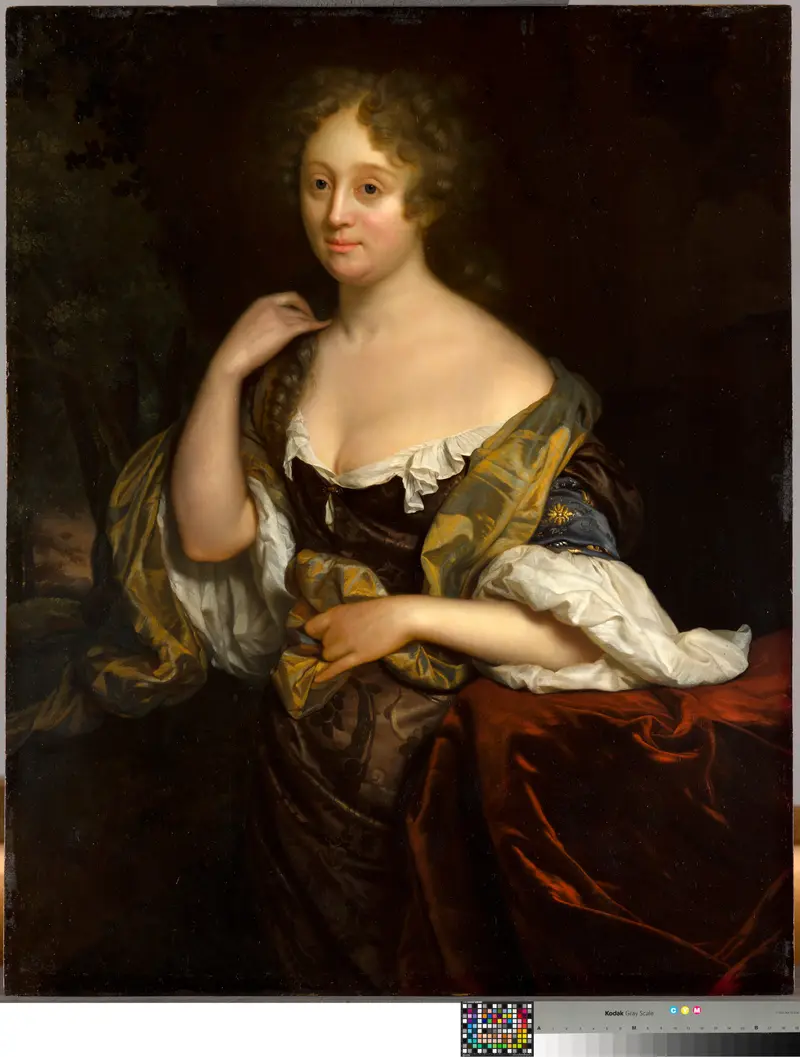
Portrait of Isabella Agneta Deutz
Godfried Schalcken
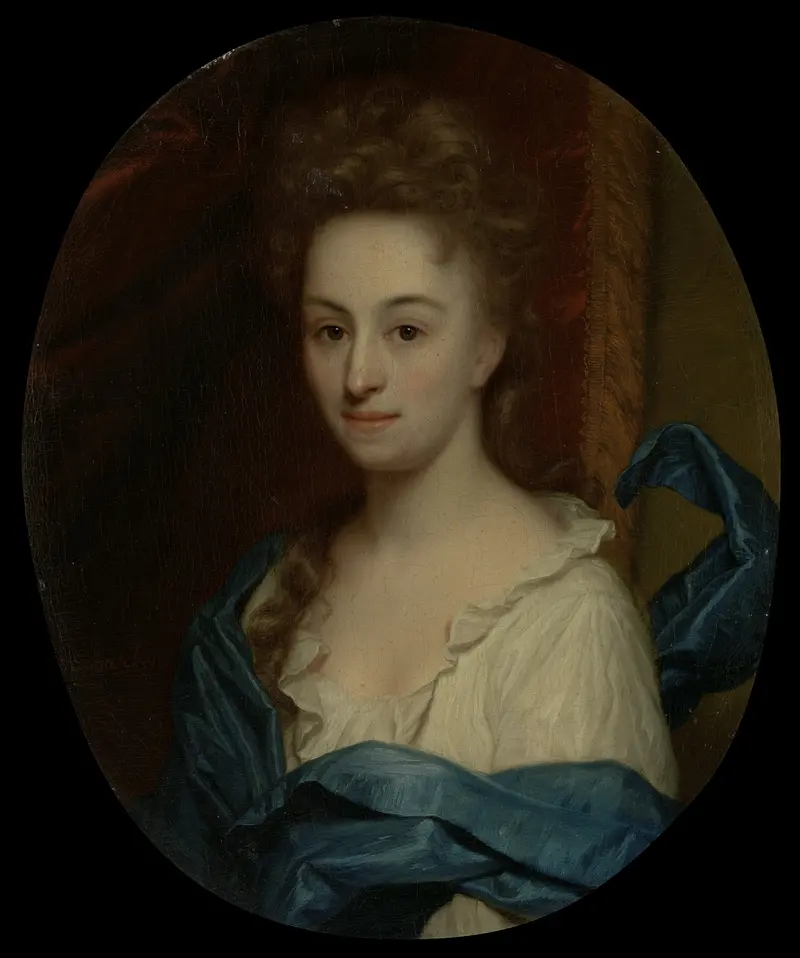
Portrait of Josina Clara van Citters (1671-1753), daughter of Josina Parduyn
Godfried Schalcken
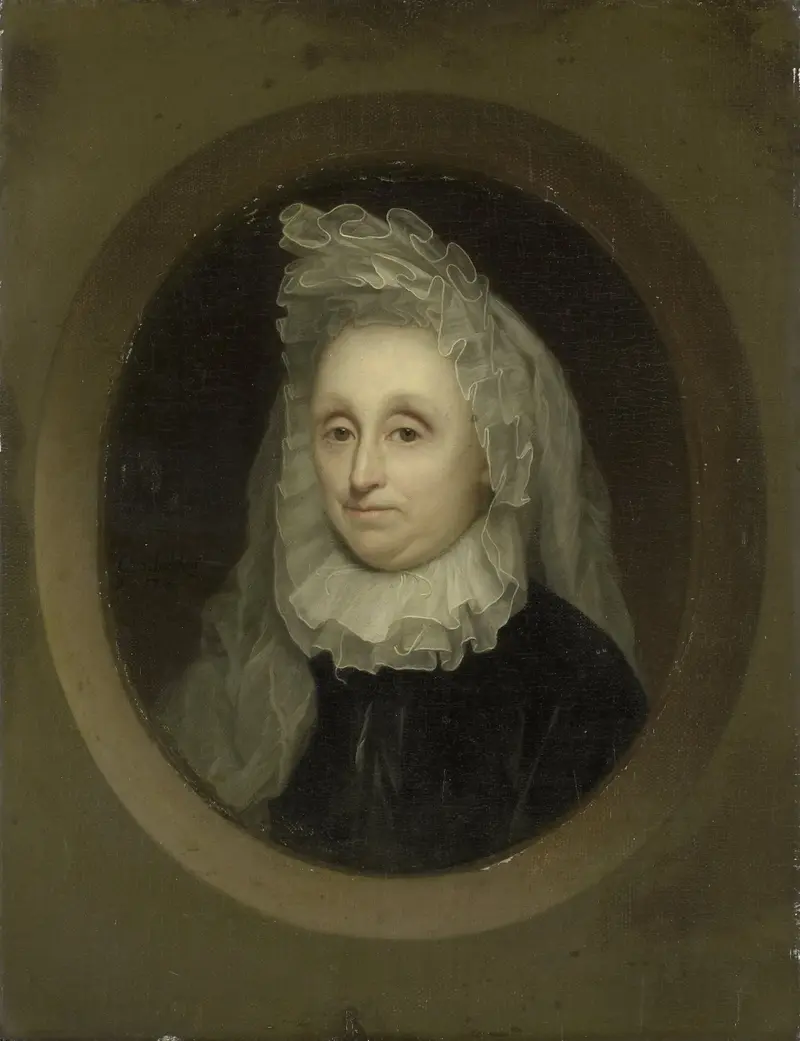
Portrait of Josnia Parduyn (1642-1718), second wife of Aernout van Citters
Godfried Schalcken
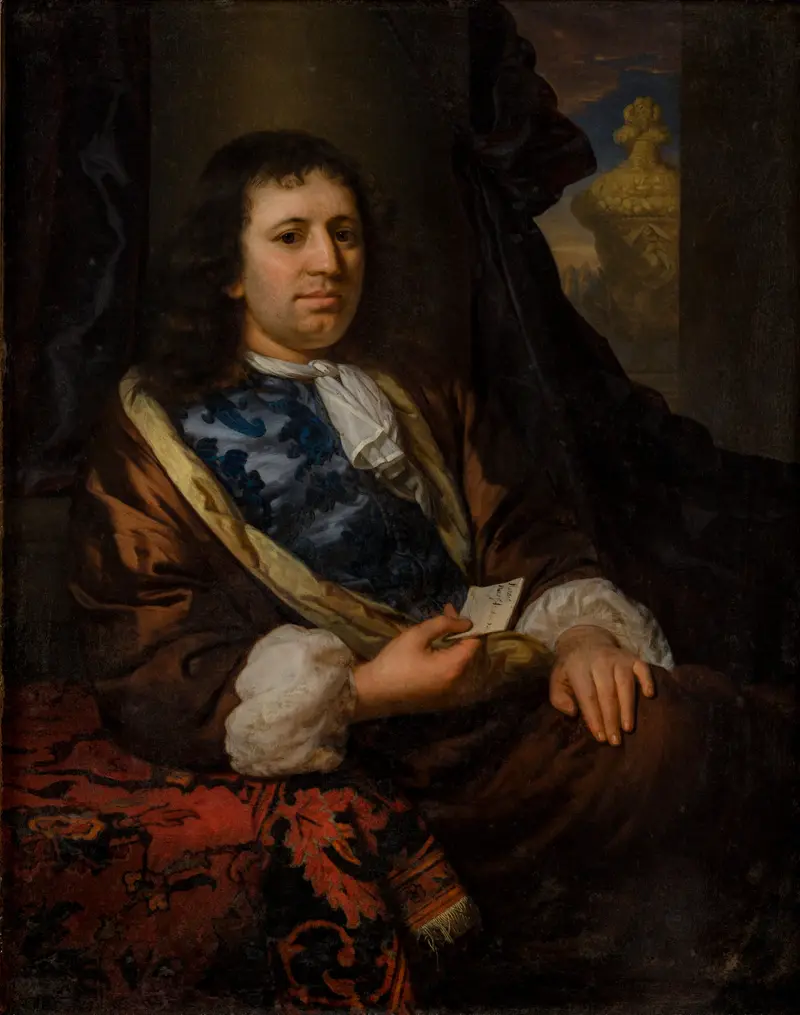
Portret van Johan de Bruin (1678-
Godfried Schalcken
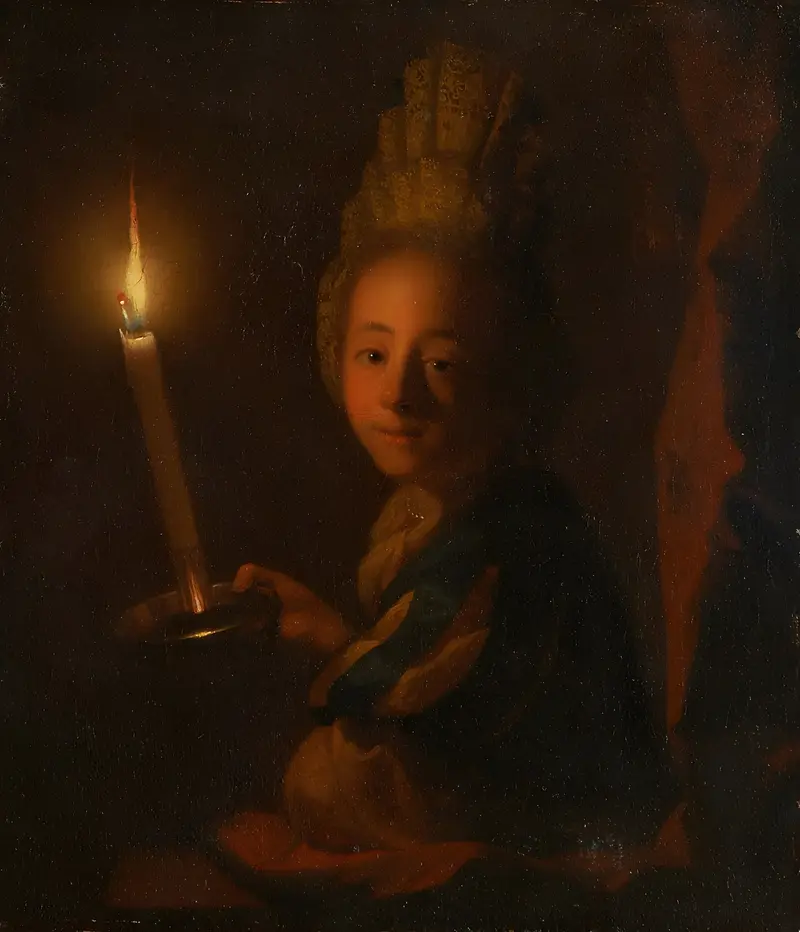
Girl with Burning Candle
Godfried Schalcken
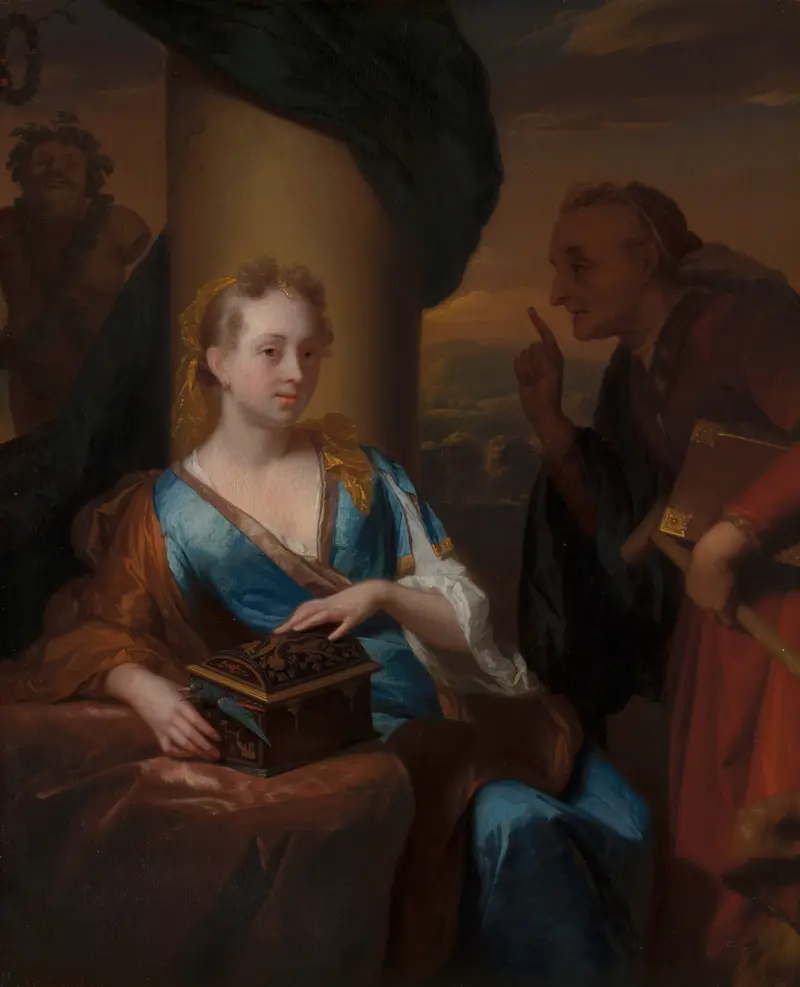
A Useless Moral Lesson
Godfried Schalcken
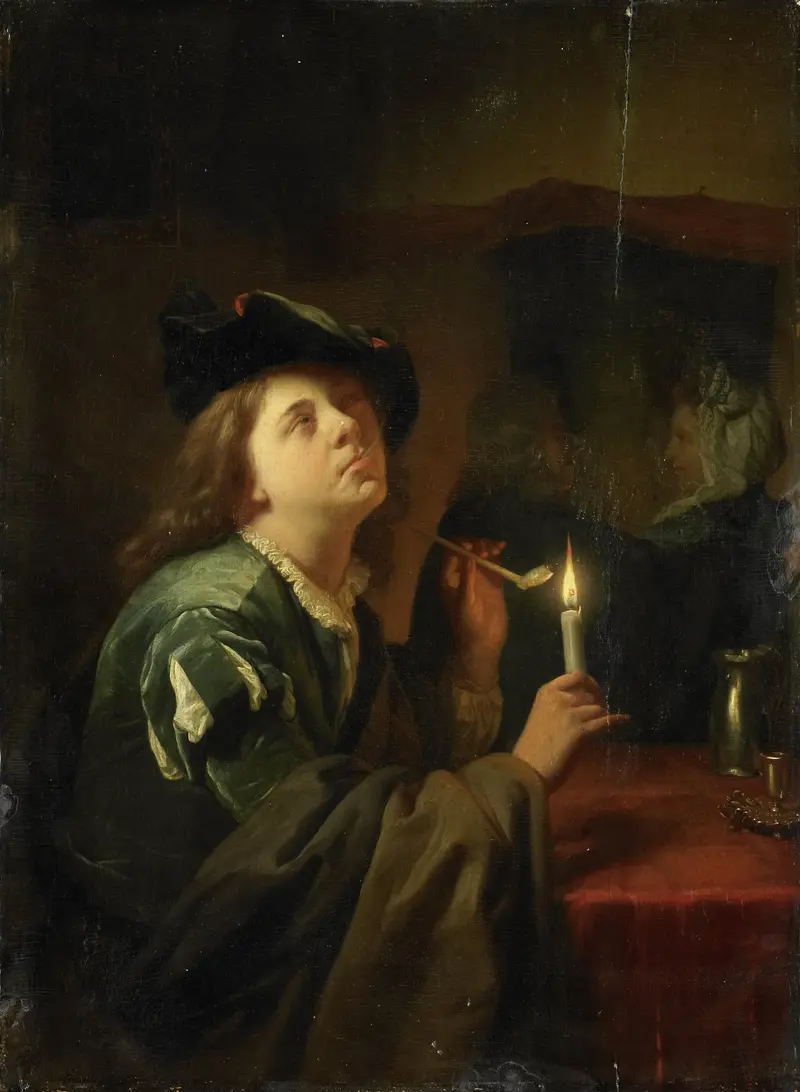
‘Differing tastes’
Godfried Schalcken
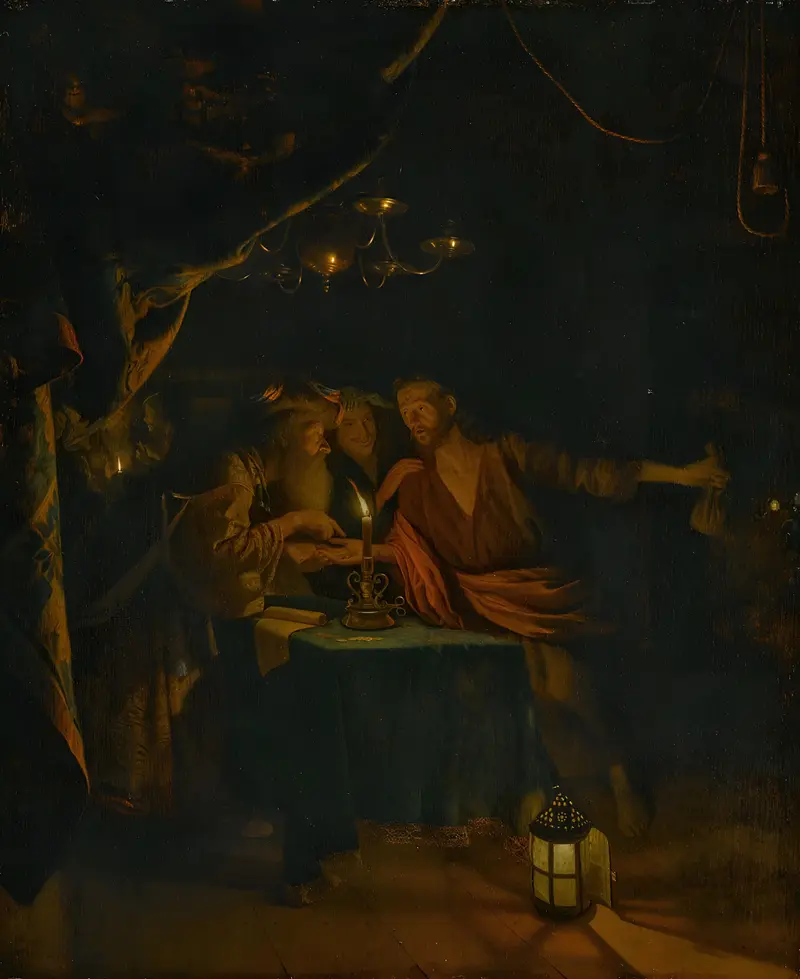
The betrayal of Judas
Godfried Schalcken
More Genre Scene Art

Banquet of the Officers of the St George Civic Guard
Frans Hals

Rembrandt and Saskia in the Scene of the Prodigal Son
Rembrandt van Rijn

Bal du moulin de la Galette
Pierre-Auguste Renoir

Quadrille at the Moulin Rouge
Henri de Toulouse-Lautrec

A Burial at Ornans
Gustave Courbet

When Will You Marry?
Paul Gauguin