
Farm Women at Work — History & Facts
When Georges Seurat exhibited Farm Women at Work in 1883, critics were startled by the artist’s radical approach to rural life. At just 23, Seurat was already experimenting with the division of color and light that would soon lead to his signature Pointillist style. The painting stands as a rare glimpse into Seurat’s formative years, before he fully embraced the scientific rigor that would define his later works like A Sunday Afternoon on the Island of La Grande Jatte.
Scholars have long noted that Farm Women at Work is among the earliest surviving examples of Seurat’s interest in the rhythms of peasant labor, a theme more commonly associated with Jean-François Millet and the Barbizon painters. In the painting, two women bend over their work in a sunlit field, their figures rendered with short, deliberate brushstrokes that hint at Seurat’s evolving technique. The moment is one of quiet labor: the women’s postures echo each other, their faces turned away, absorbed in the repetitive task of gathering crops. The earthy palette and careful attention to the fall of light across their dresses and the ground signal Seurat’s study of natural effects, while the flattened perspective and almost geometric arrangement of forms foreshadow his later, more analytical compositions.
Unlike Millet’s The Gleaners, which foregrounds the hardship of rural life, Seurat’s women seem almost abstracted into patterns of color and motion, emphasizing the harmony of work and landscape. The exact provenance of Farm Women at Work is uncertain, as the painting was not widely exhibited after its initial showing and its medium remains a subject of debate among art historians. It is thought to have remained in private hands for much of the twentieth century, surfacing only occasionally in exhibition catalogues and scholarly studies of Seurat’s early period. Today, it is recognized as a key document in the artist’s transition from academic training to the innovations that would shape Neo-Impressionism.
The painting’s quiet observation of rural life, filtered through Seurat’s emerging scientific approach, marks it as a bridge between tradition and modernity, and a testament to an artist on the verge of changing the course of painting.
More Artworks by Georges Seurat
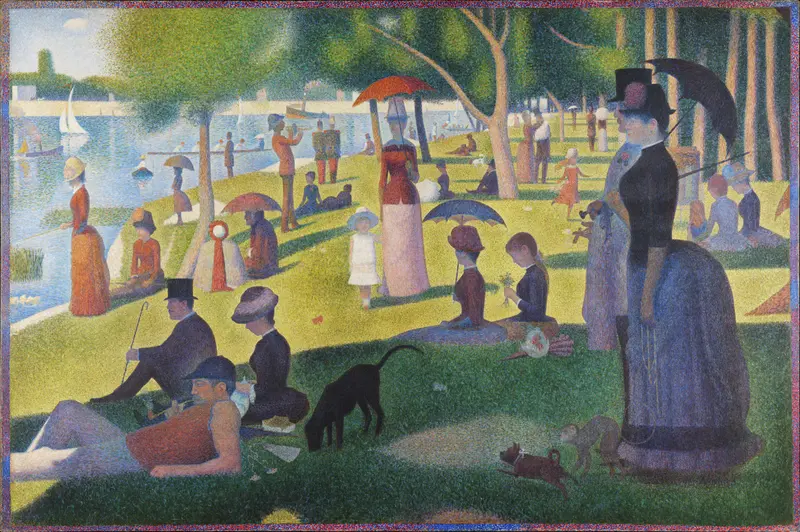
A Sunday Afternoon on the Island of La Grande Jatte
Georges Seurat
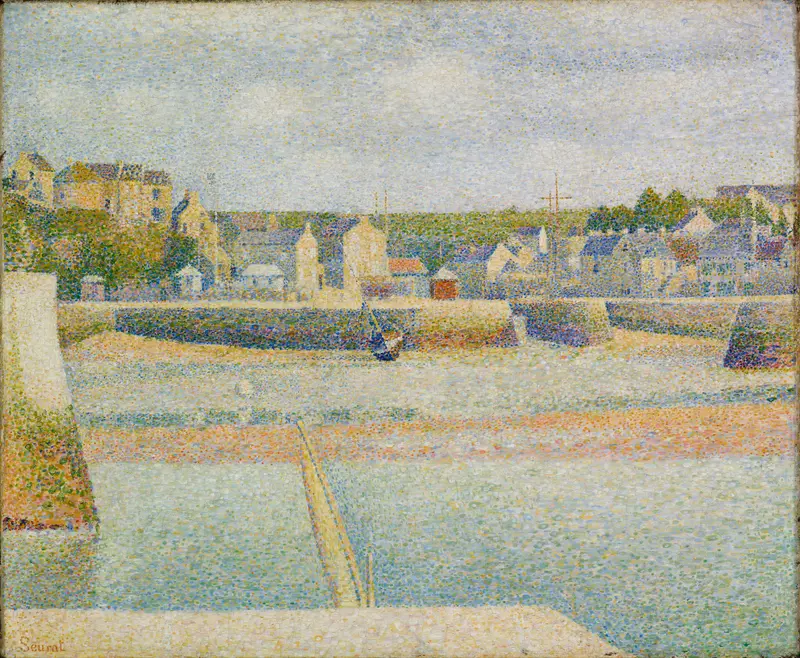
Port-en-Bessin, The Outer Harbor (Low Tide)
Georges Seurat
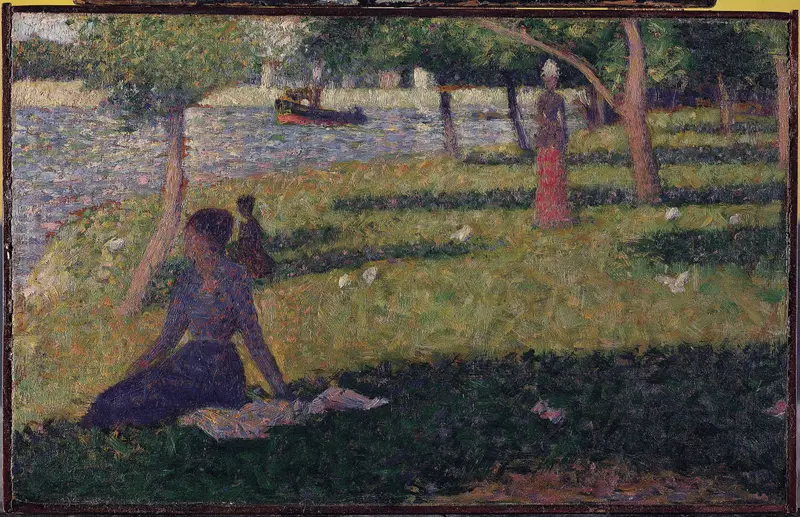
Étude pour ‘La Grande Jatte’ (Study for ‘La Grande Jatte’)
Georges Seurat
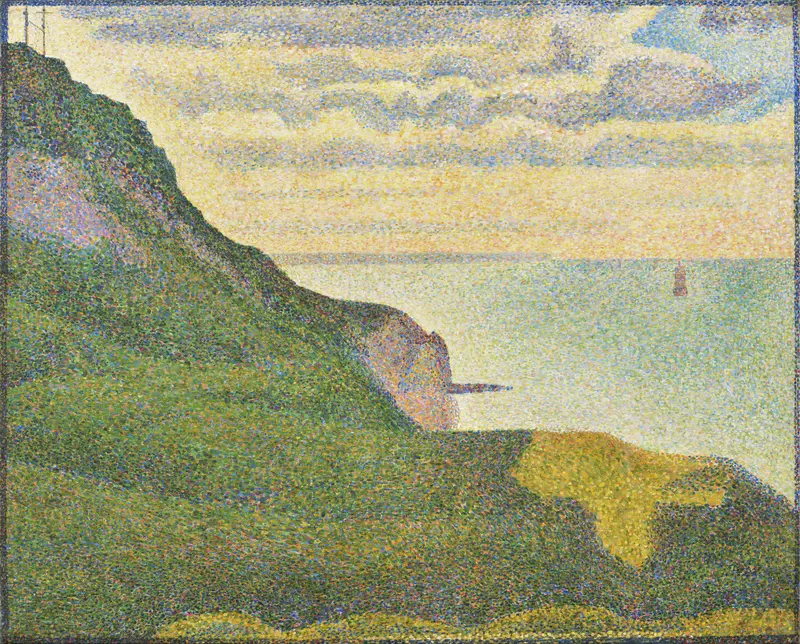
Seascape at Port-en-Bessin,Normandy
Georges Seurat
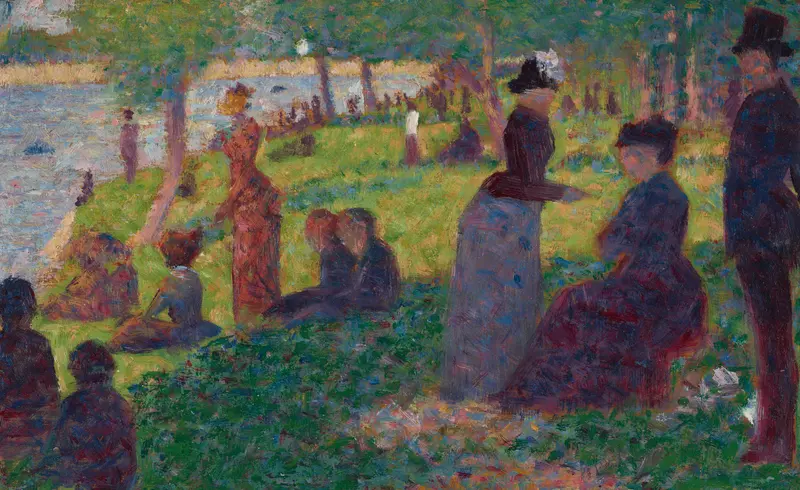
Oil Sketch for "A Sunday on La Grande Jatte — 1884"
Georges Seurat
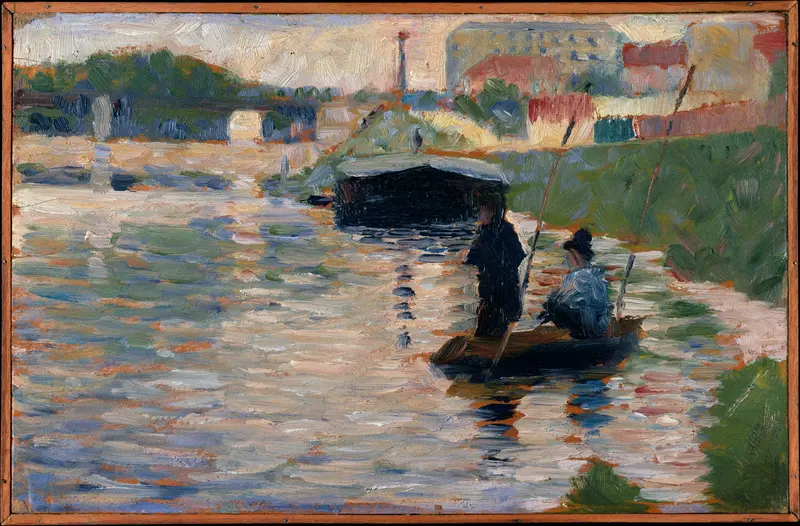
View of the Seine
Georges Seurat
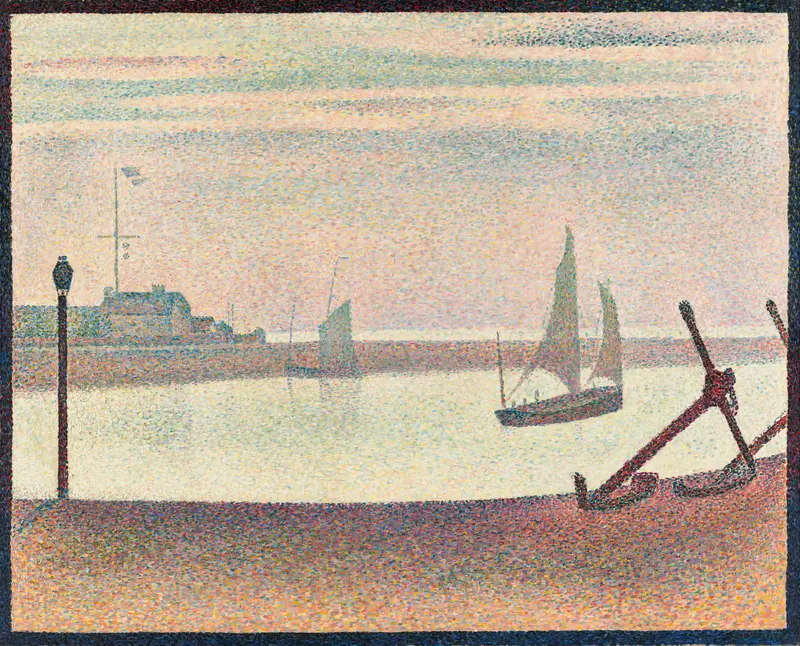
The Channel at Gravelines, Evening
Georges Seurat
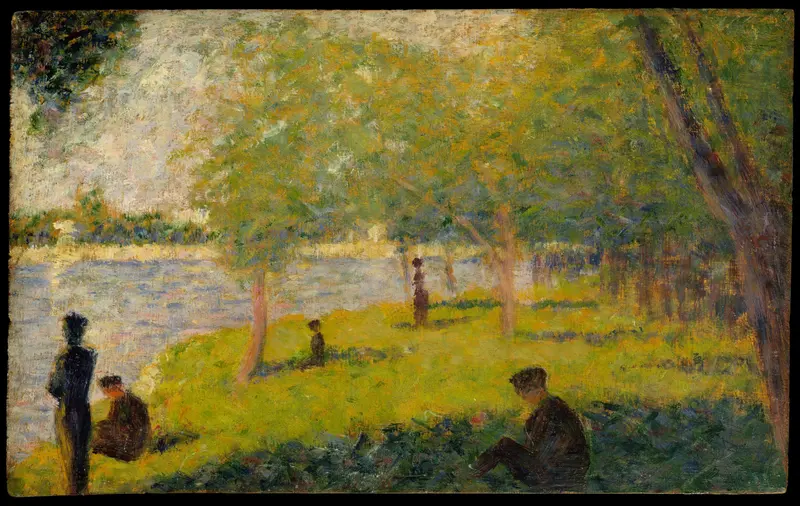
Study for ‘A Sunday on La Grande Jatte’
Georges Seurat
Study for A Sunday on La Grande Jatte
Georges Seurat
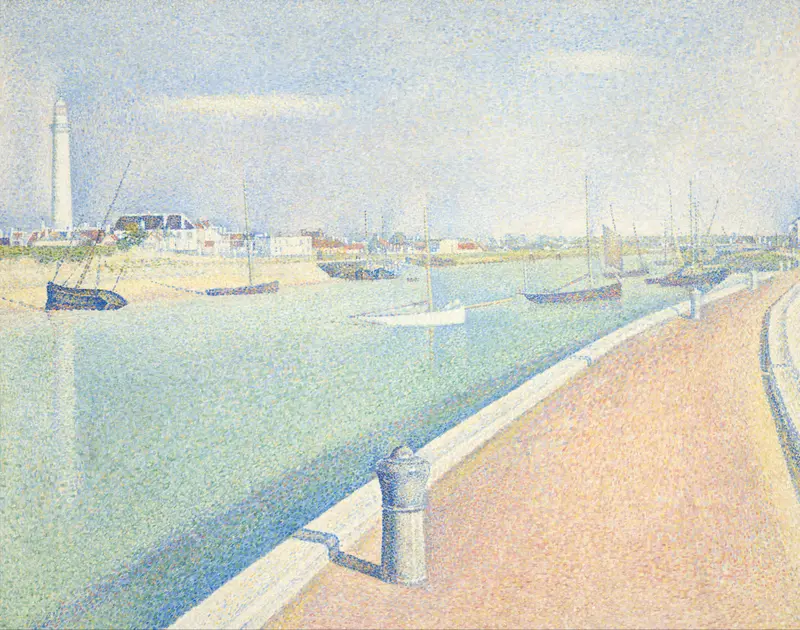
The Channel of Gravelines, Petit Fort Philippe
Georges Seurat
More Genre Scene Art

Banquet of the Officers of the St George Civic Guard
Frans Hals

Rembrandt and Saskia in the Scene of the Prodigal Son
Rembrandt van Rijn

Bal du moulin de la Galette
Pierre-Auguste Renoir

Quadrille at the Moulin Rouge
Henri de Toulouse-Lautrec

A Burial at Ornans
Gustave Courbet

When Will You Marry?
Paul Gauguin