
Head of a lion — History & Facts
When Théodore Géricault exhibited a series of animal studies in 1819, Parisian critics were surprised to find the same intensity he brought to his infamous The Raft of the Medusa now focused on the animal kingdom. Among these works, Head of a lion stands out for its sheer psychological force—rumor had it that Géricault frequented the Jardin des Plantes, sketching the great cats not just for their anatomy, but for their presence. The lion’s head, rendered with an immediacy that feels almost alive, became a talking point in the artist’s circle, with some contemporaries claiming that Géricault saw in these creatures a reflection of human struggle and grandeur. In this study, the lion is caught in a moment of alertness, its gaze fixed just beyond the frame, jaws slightly parted as if mid-breath or about to roar.
The mane, wild and unkempt, seems to radiate outward, each brushstroke capturing both the animal’s physical power and its restless spirit. The close cropping of the composition forces the viewer into an intimate confrontation with the beast, unlike the more decorative, distant lions of Delacroix or the stately calm of Rubens. Here, every detail—the glint in the eye, the tension in the jaw—suggests a creature caught between calm and ferocity, a living emblem of untamed nature. The exact medium of Head of a lion remains uncertain, though its vigorous handling suggests oil or perhaps a mixed technique favored by Géricault in his studies.
The work’s early provenance is unclear; it may have remained in the artist’s studio, part of the trove of animal sketches he produced in the last years of his short life. Today, it is valued not only as a testament to Géricault’s technical skill but as evidence of his fascination with the animal world—a theme that would influence later Romantic artists. Its survival offers a rare, unguarded glimpse into the artist’s process, bridging the gap between monumental history painting and the immediacy of direct observation.
More Artworks by Théodore Géricault
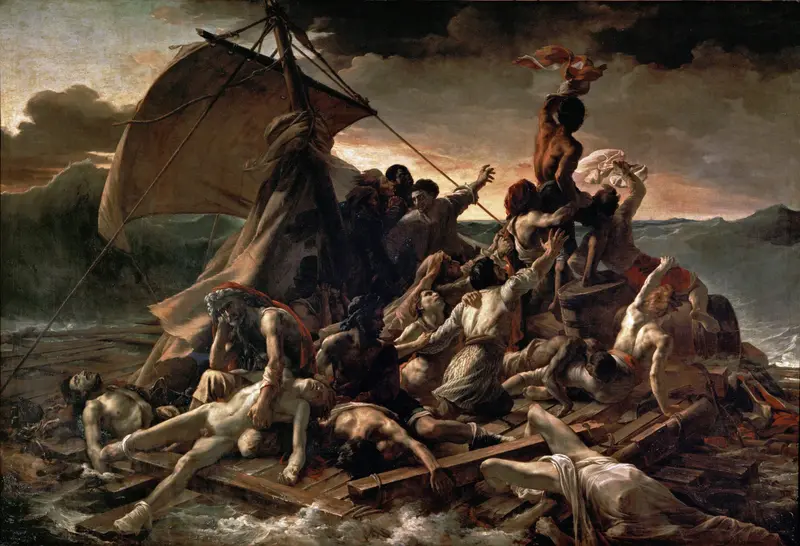
The Raft of the Medusa
Théodore Géricault

Géricault - Le naufrage du radeau de la Méduse, MBA 790
Théodore Géricault
Cattle Market
Théodore Géricault
Evening; Landscape with an Aqueduct
Théodore Géricault
Horse Race
Théodore Géricault

Horses Standing in a Mews
Théodore Géricault
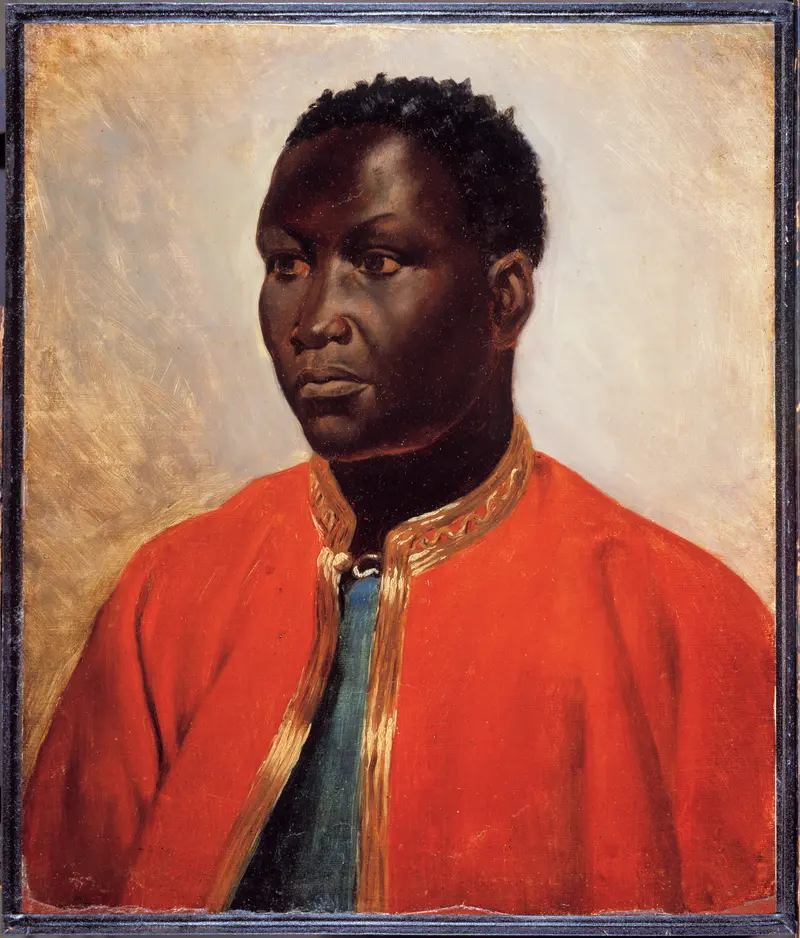
Portrait of a Negro
Théodore Géricault
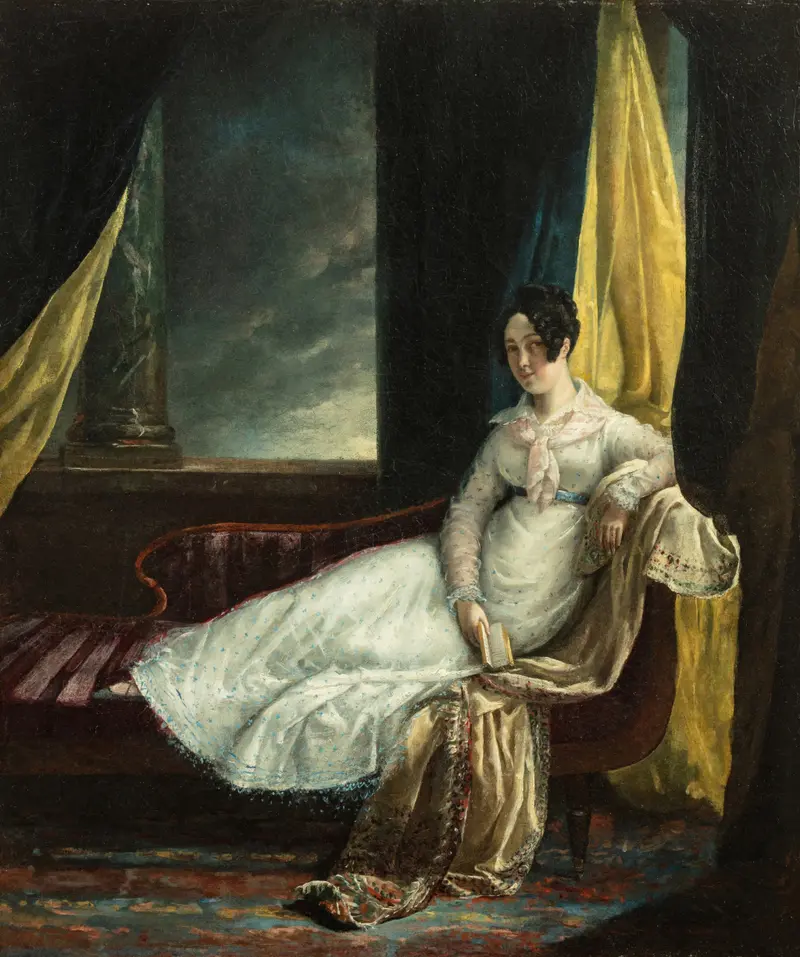
Portrait of Zoë Elmore
Théodore Géricault
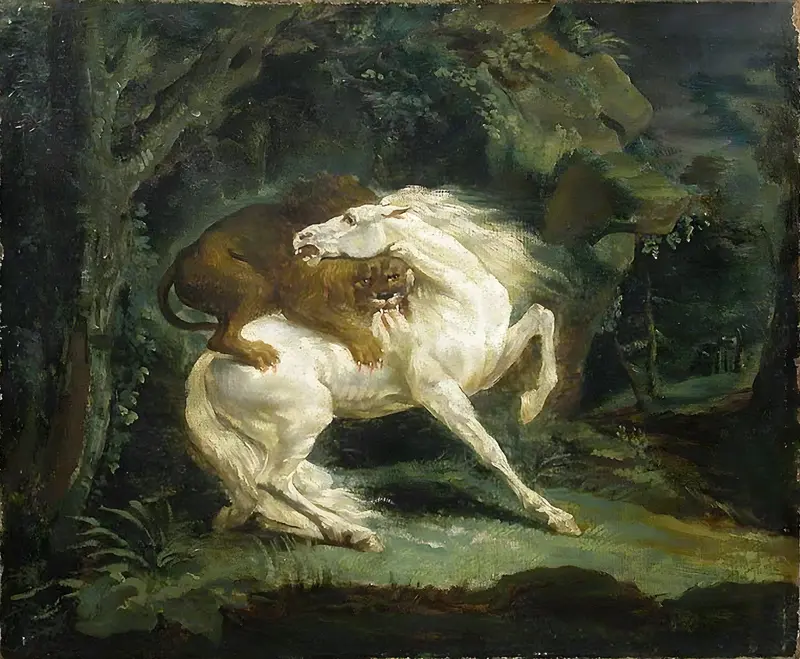
Cheval attaqué par un lion
Théodore Géricault
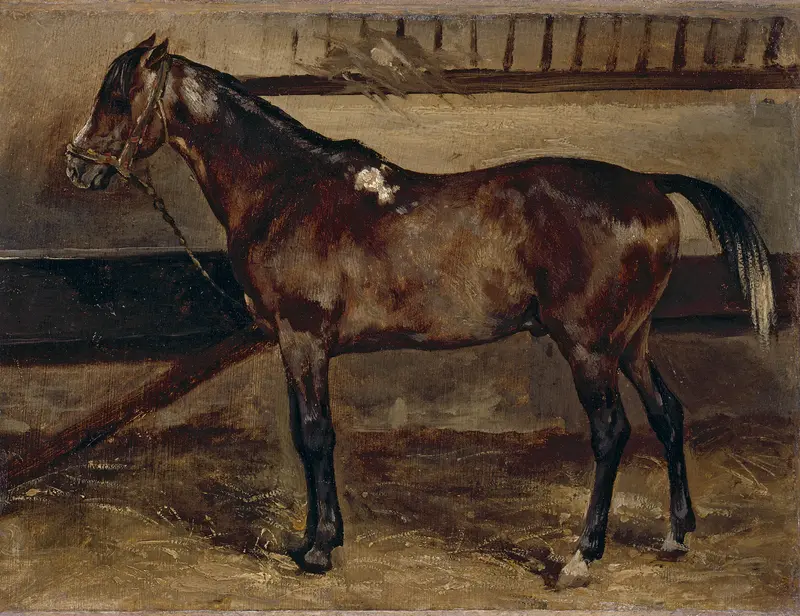
Cheval brun à l'écurie
Théodore Géricault





