
Head of a Man in Profile — History & Facts
No one knows for certain who posed for Head of a Man in Profile, but the painting’s unfinished, searching quality has made it a touchstone for scholars studying the early years of Diego Velázquez. Painted around 1618, when Velázquez was still in Seville, this small work has sparked debate: is it a study for a lost composition, a portrait of a friend, or even a self-portrait? The mystery is deepened by the fact that, unlike most of Velázquez’s later portraits, this head is rendered with quick, almost experimental brushwork, as if the artist were testing the limits of his own technique. The man’s gaze is fixed somewhere beyond the edge of the canvas, his features caught in a moment of thought or conversation. The light, falling strongly from the left, carves out the cheekbone and nose, leaving the far side of the face in shadow—a device Velázquez would perfect in later masterpieces.
The sitter’s rough hair and simple collar suggest an ordinary citizen rather than a figure of rank, setting him apart from the courtly portraits of Anthony van Dyck or the idealized saints of Francisco Pacheco, Velázquez’s own teacher. Here, the immediacy of the brushwork and the directness of the profile recall the studies of live models that were central to the artist’s early practice in Seville. The exact provenance of Head of a Man in Profile remains uncertain, as is often the case with Velázquez’s early works. It likely remained in private hands for centuries before entering a public collection, and its attribution has sometimes been questioned due to its informal character and the unknown sitter.
Today, it is valued as a rare glimpse into Velázquez’s formative years, when he was absorbing influences and developing the keen observational style that would later define the Spanish Baroque. Although not as famous as his royal portraits, this painting stands as a testament to the young artist’s restless curiosity and technical daring.
More Artworks by Diego Velázquez

Las Meninas
Diego Velázquez
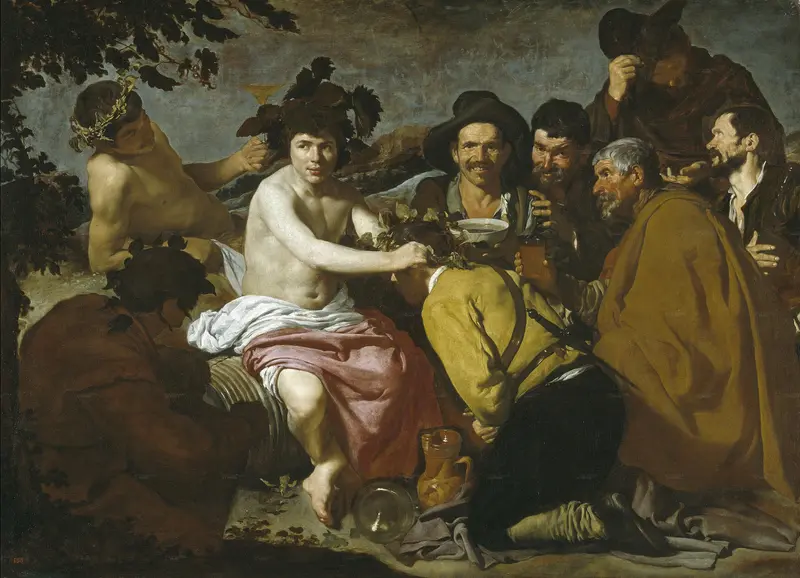
The Triumph of Bacchus
Diego Velázquez
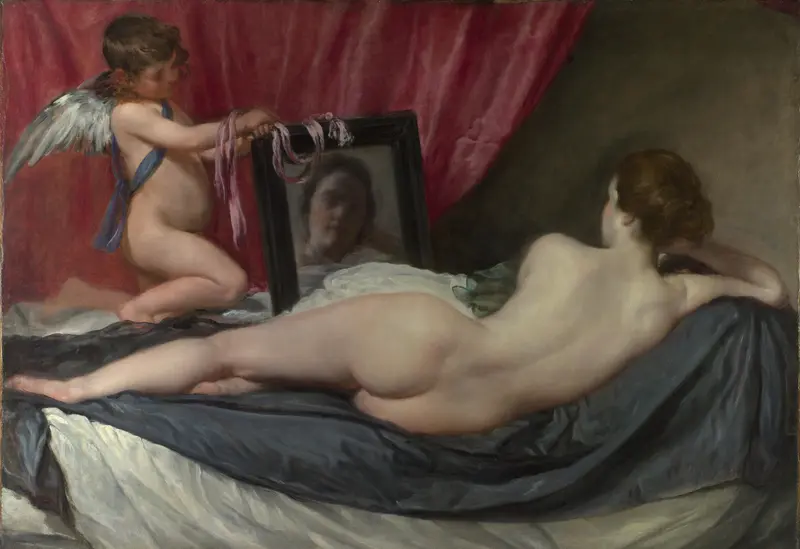
Rokeby Venus
Diego Velázquez
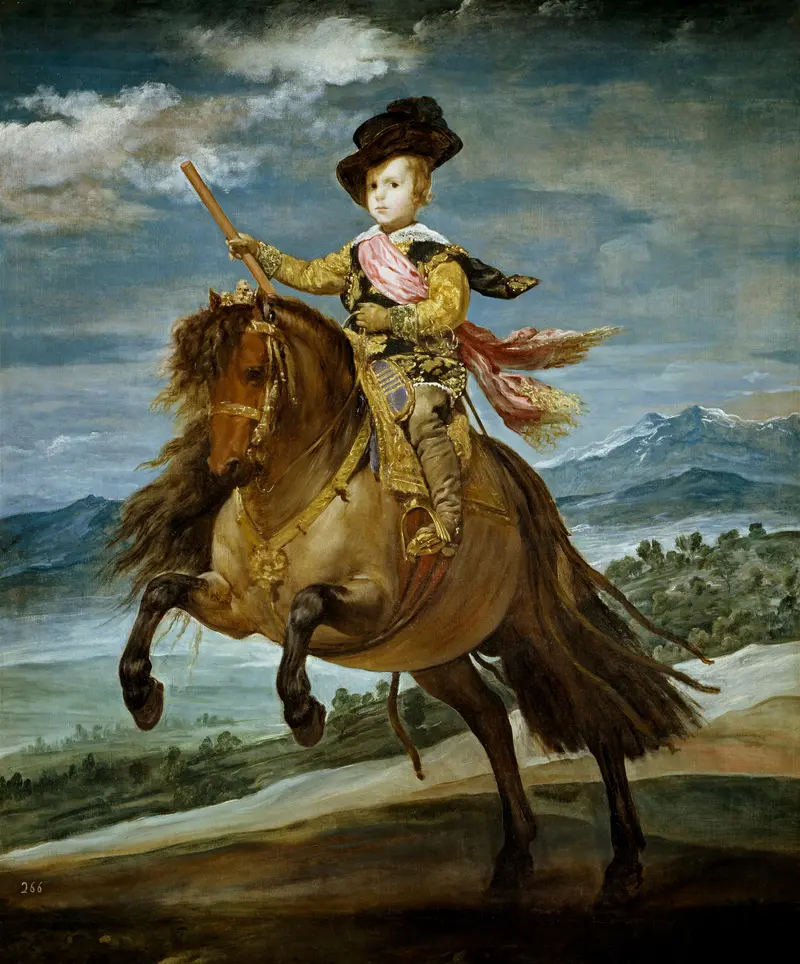
Equestrian Portrait of Prince Balthasar Charles
Diego Velázquez
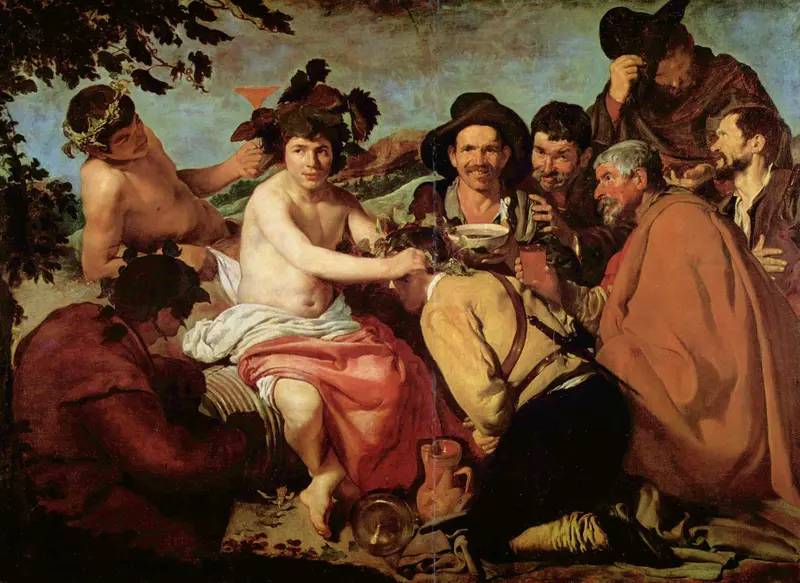
Bacchus
Diego Velázquez
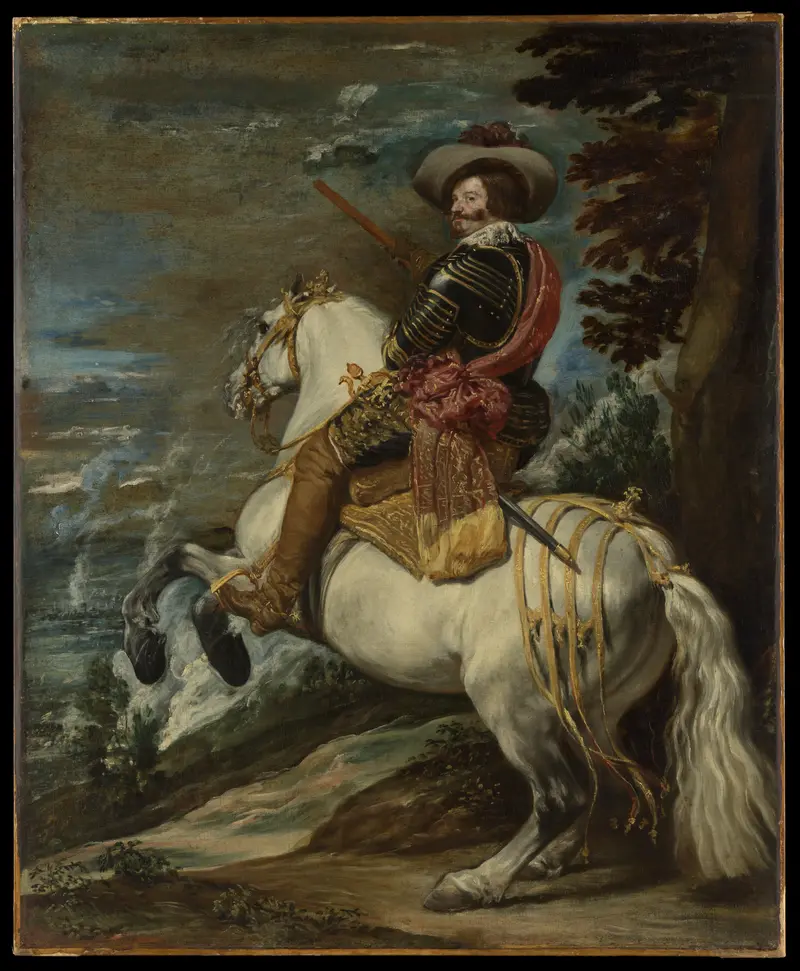
Don Gaspar de Guzmán (1587–1645), Count-Duke of Olivares
Diego Velázquez
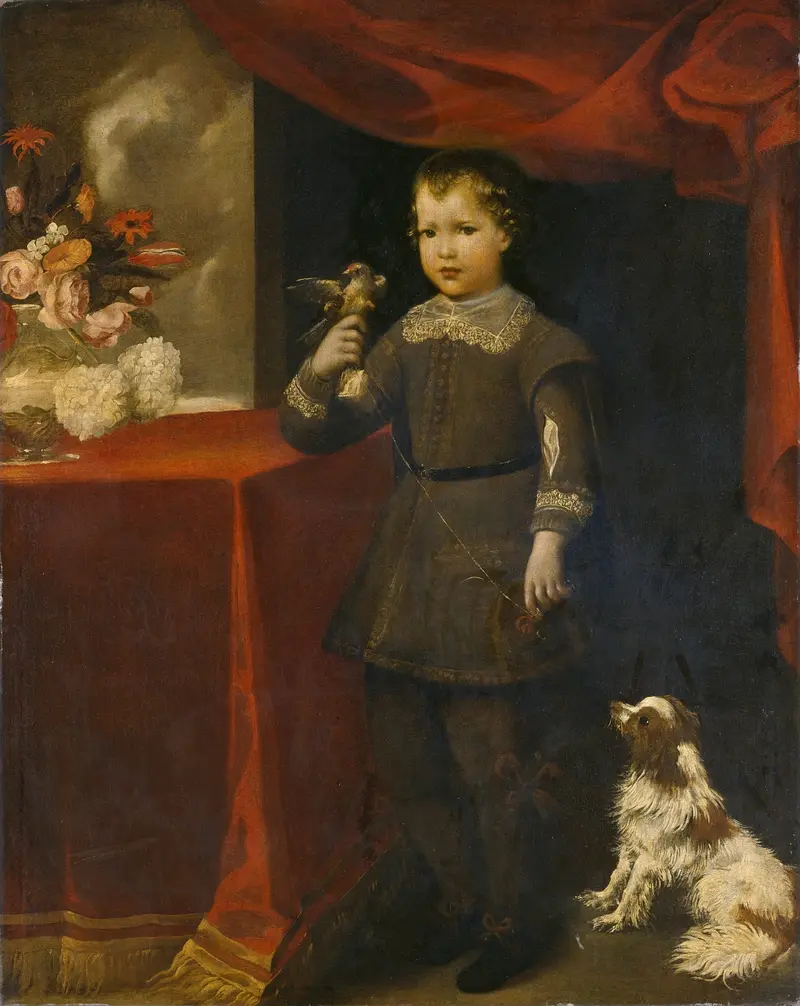
El príncipe Baltasar Carlos de Austria
Diego Velázquez
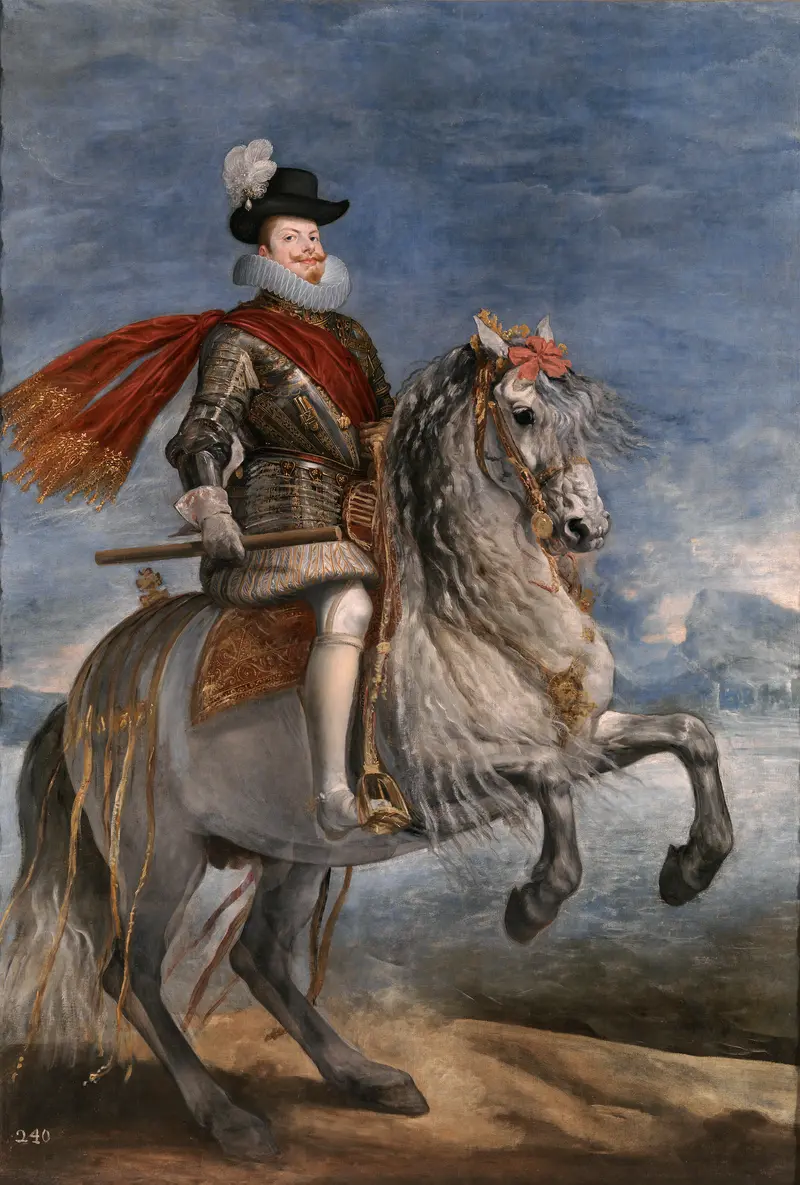
Equestrian Portrait of Philip III
Diego Velázquez
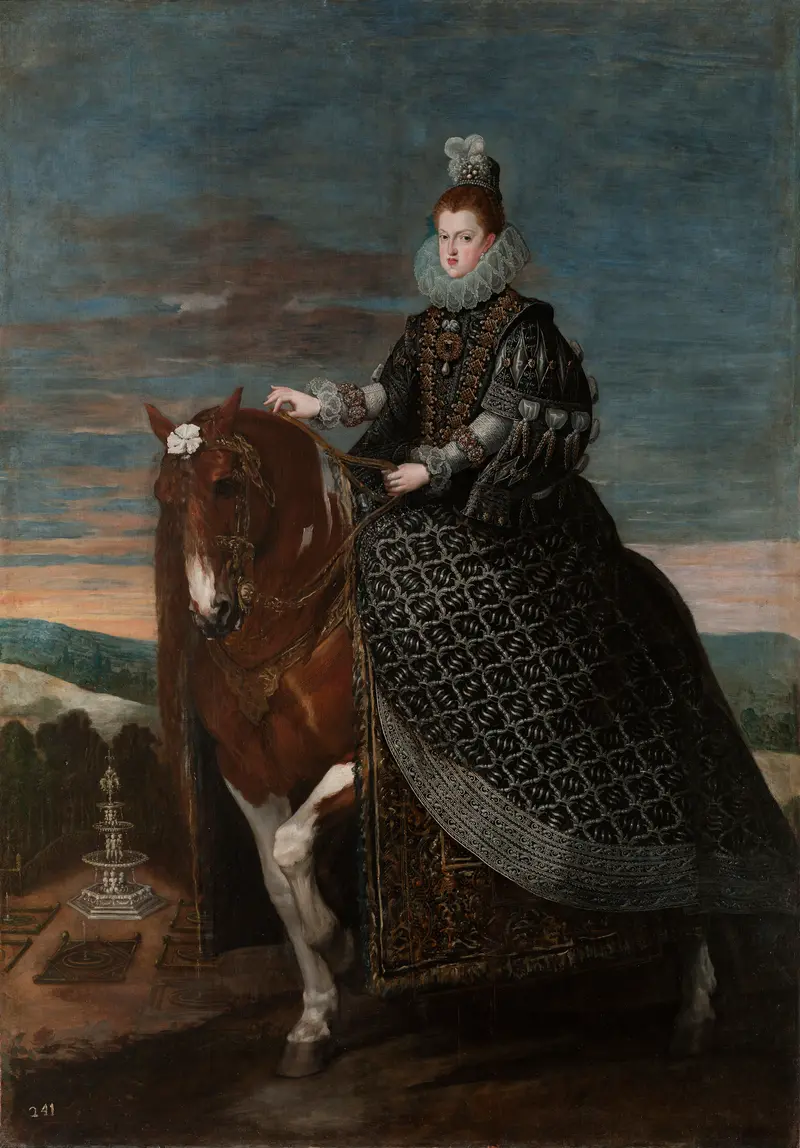
Equestrian Portrait of Margarita of Austria
Diego Velázquez
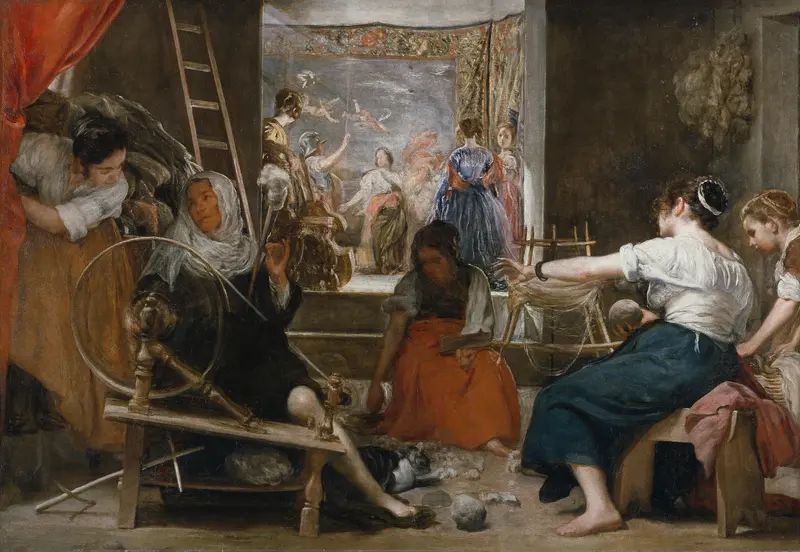
Las Hilanderas
Diego Velázquez




