
In the Box — History & Facts
When In the Box was first exhibited at the 1879 Impressionist Exhibition in Paris, it marked one of the earliest times an American woman, Mary Cassatt, presented her work alongside the likes of Degas and Monet. Critics and visitors alike were struck by Cassatt’s bold focus on the modern woman, a subject rarely treated with such directness or intimacy. The painting’s title itself hints at a fashionable ritual of the era: attending the opera, not just to watch the performance but to be seen.
Cassatt’s choice to spotlight this moment—rather than the stage—was considered both daring and insightful, capturing a slice of Parisian social life from a unique vantage point. At the center of In the Box sits a well-dressed woman, her gloved hands folded neatly on the velvet rail of her opera box, her gaze directed through opera glasses toward the audience rather than the stage. The lush textures of her attire, the gleam of her jewelry, and the subtle interplay of light across her face all serve to emphasize her presence and self-possession. Cassatt’s composition draws the viewer’s eye not only to the sitter’s fashionable ensemble but also to the act of looking itself—the opera glasses become a symbol of observation and, perhaps, judgment.
Unlike Manet’s La Loge, where the woman is accompanied and on display, Cassatt’s subject is alone and in control, reversing the usual dynamic of spectacle and spectator. The exact medium of In the Box is not always specified in early records, but it is widely believed to be oil on canvas, typical of Cassatt’s work from this period. After its debut, the painting remained in private hands for many years, reflecting the growing appreciation for Cassatt’s vision of modern life. Today, it stands as a key example of her early Impressionist phase, when she was forging her own path within the movement and challenging traditional roles for women both on and off the canvas.
The painting’s journey from the Parisian salons to museum collections mirrors the broader recognition of Mary Cassatt as a central figure in the history of Impressionism.
More Artworks by Mary Cassatt

The Child's Bath
Mary Cassatt
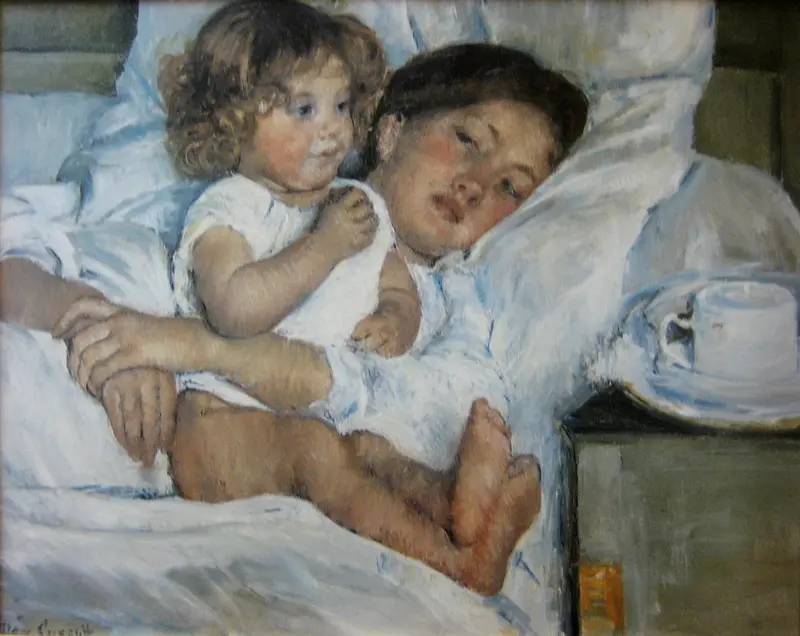
Breakfast in Bed
Mary Cassatt

Mother and Child (Baby Getting Up from His Nap)
Mary Cassatt
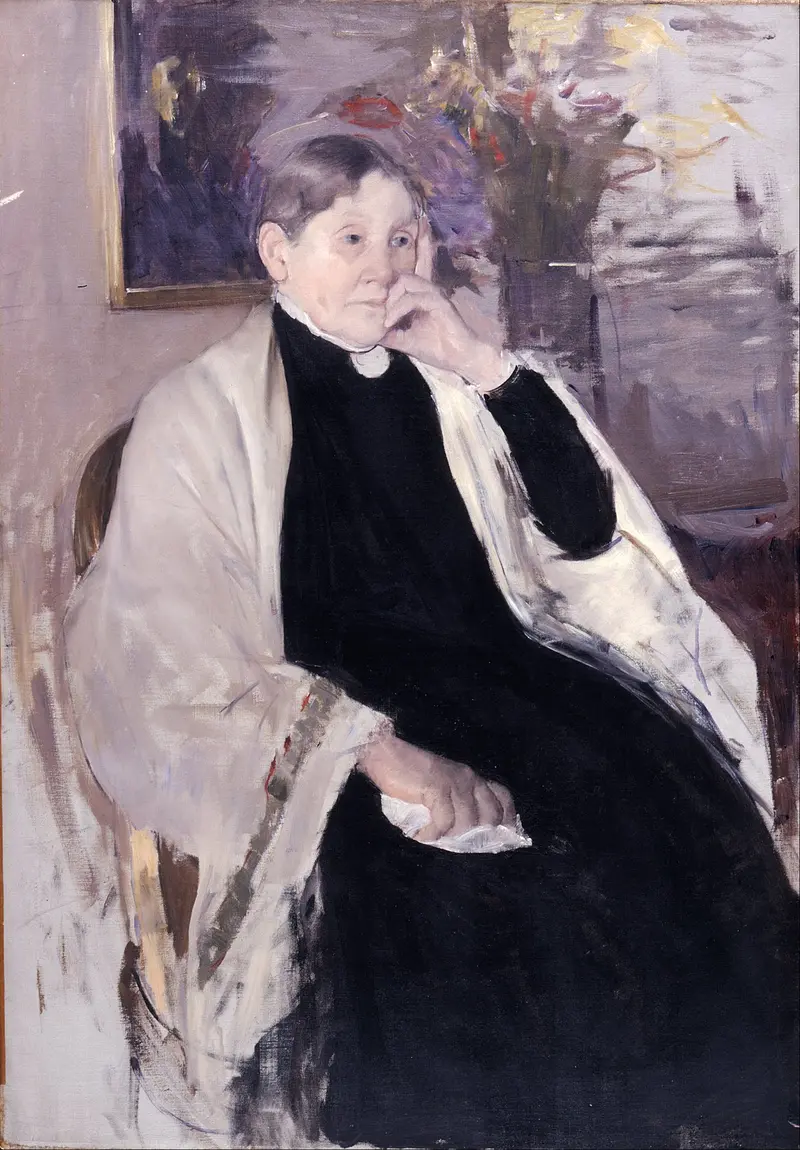
Mrs. Robert S. Cassatt, the Artist's Mother
Mary Cassatt
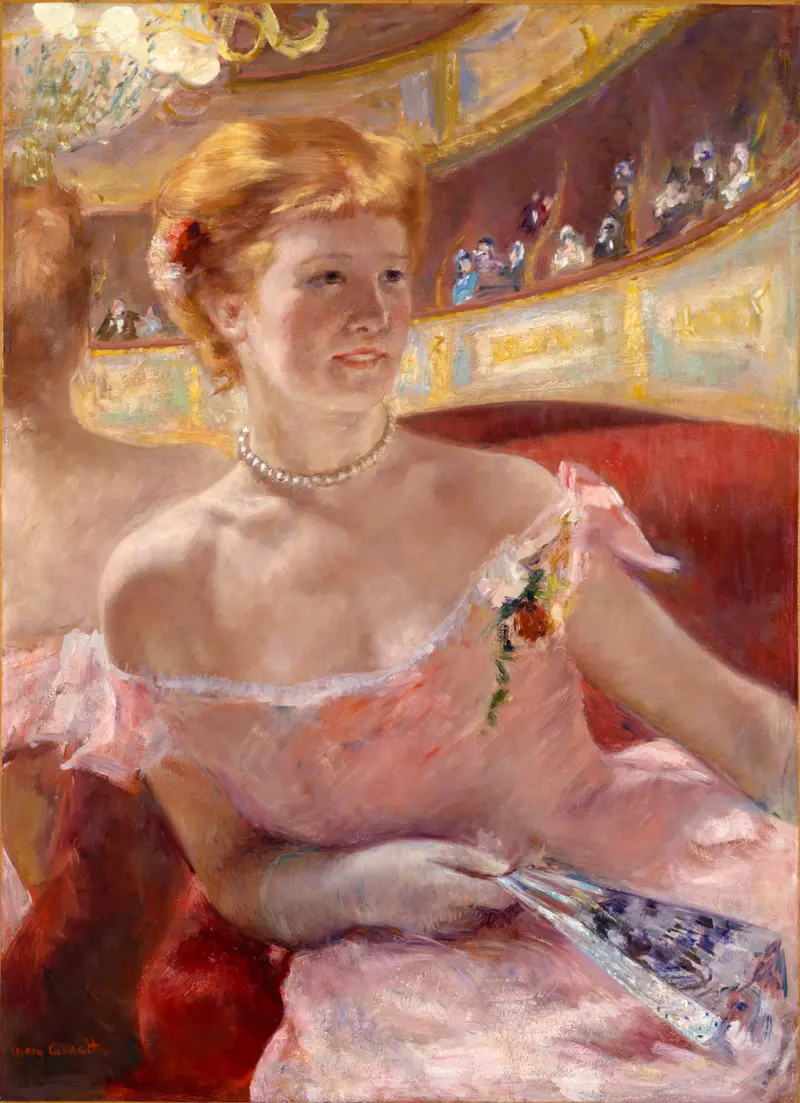
Woman with a Pearl Necklace in a Loge
Mary Cassatt
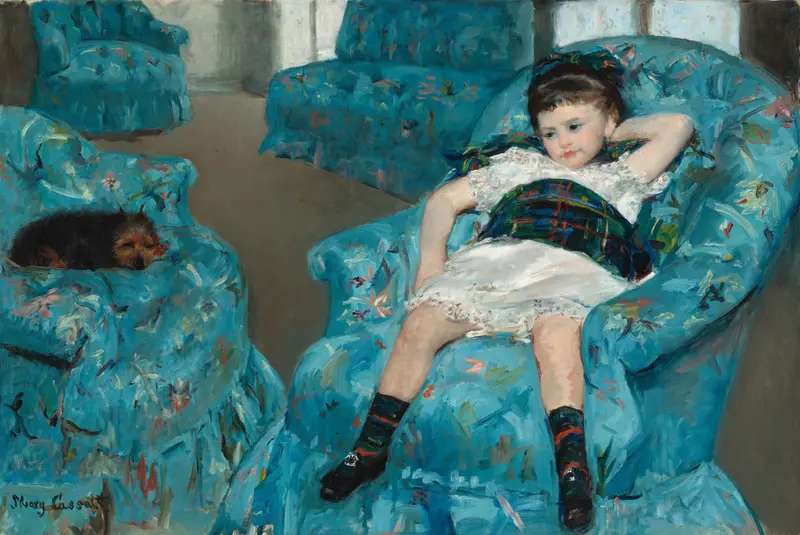
Little Girl in a Blue Armchair
Mary Cassatt
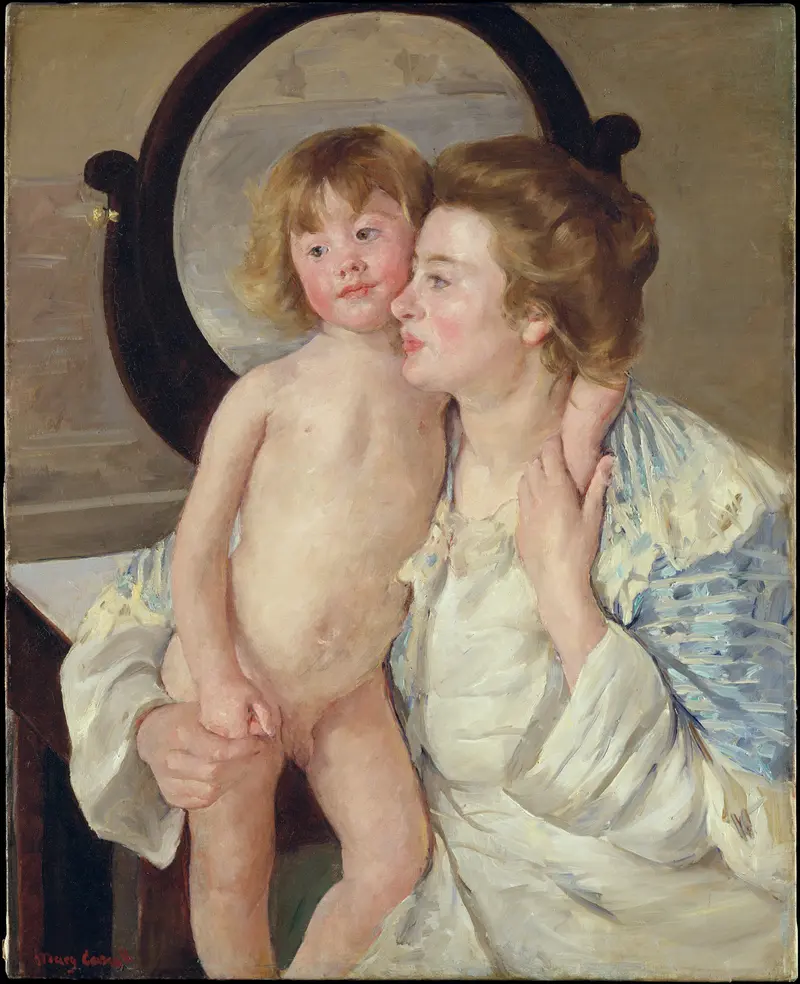
Mother and Child (The Oval Mirror)
Mary Cassatt
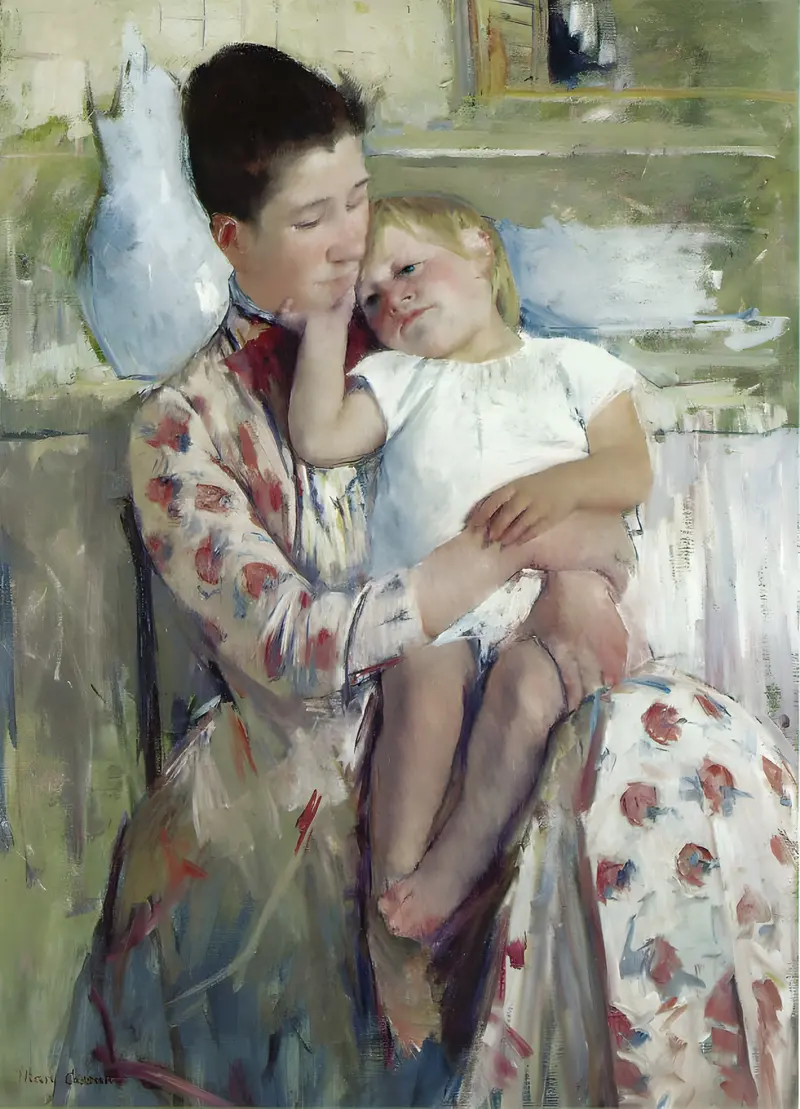
Mother and Child
Mary Cassatt
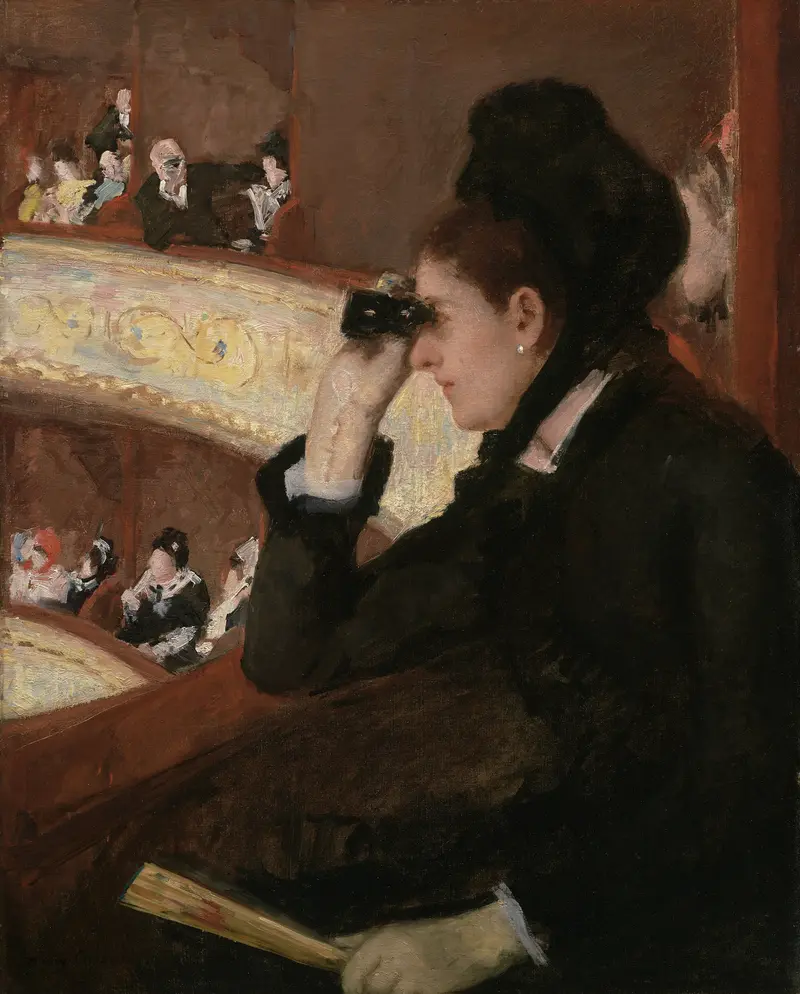
In The Loge
Mary Cassatt
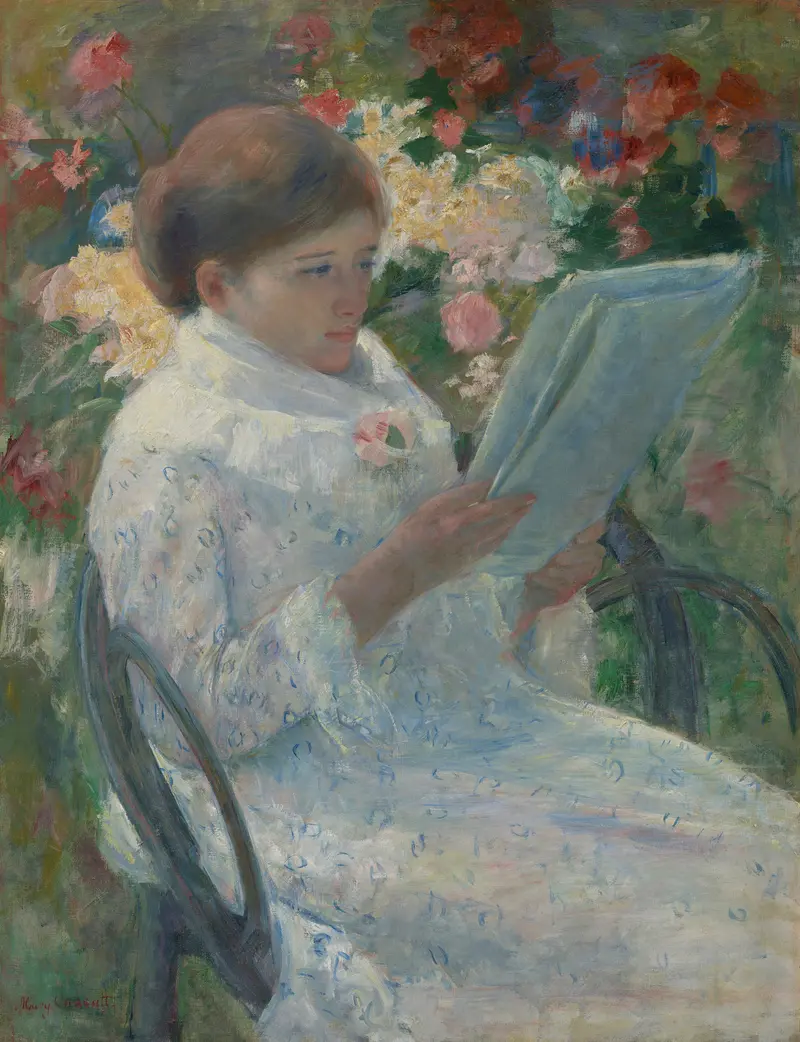
On a Balcony
Mary Cassatt
More Genre Scene Art

Banquet of the Officers of the St George Civic Guard
Frans Hals

Rembrandt and Saskia in the Scene of the Prodigal Son
Rembrandt van Rijn

Bal du moulin de la Galette
Pierre-Auguste Renoir

Quadrille at the Moulin Rouge
Henri de Toulouse-Lautrec

A Burial at Ornans
Gustave Courbet

When Will You Marry?
Paul Gauguin