
Infanta Margaret Theresa in a White and Silver Dress — History & Facts
When the young Infanta Margaret Theresa was sent from Madrid to Vienna in 1666 to marry her uncle, Emperor Leopold I, her likeness was already well known at the Habsburg court—thanks to a series of portraits by Diego Velázquez. Among these, Infanta Margaret Theresa in a White and Silver Dress stands out as one of the last images Velázquez painted before his death in 1660, and as a diplomatic gift, it played a key role in shaping the future empress’s image abroad. The painting was part of a carefully orchestrated campaign by the Spanish crown to present the infanta as both a cherished daughter and the living link between two great dynasties. Here, the five-year-old Margaret Theresa stands at the center of a luminous space, her elaborate white and silver dress spreading outward like the petals of a rare flower.
The infanta’s gaze is direct, her cheeks flushed, her small hands delicately holding a closed fan—a symbol of courtly restraint. The dazzling costume, with its stiff bodice and shimmering fabric, proclaims her rank and the wealth of the Spanish monarchy. Behind her, the subtle play of light and shadow gives the scene a sense of quiet grandeur, while the muted background focuses all attention on the child.
Unlike earlier, more formal portraits of royal children by artists such as Anthony van Dyck, Velázquez brings a sense of immediacy and psychological presence, capturing both the innocence and the burden of her role. Commissioned by King Philip IV, the painting was intended for the Habsburg relatives in Vienna, and it traveled across Europe as part of the marriage negotiations that would unite the Spanish and Austrian branches of the family. Over the centuries, the portrait has remained in Vienna, now housed in the Kunsthistorisches Museum. Its journey reflects the fate of many royal images: created for political purposes, cherished as family likenesses, and ultimately preserved as works of art.
For Velázquez, this portrait belongs to his final period, when his brushwork became more fluid and his understanding of light reached new heights, as seen also in Las Meninas, painted the same year.
More Artworks by Diego Velázquez

Las Meninas
Diego Velázquez
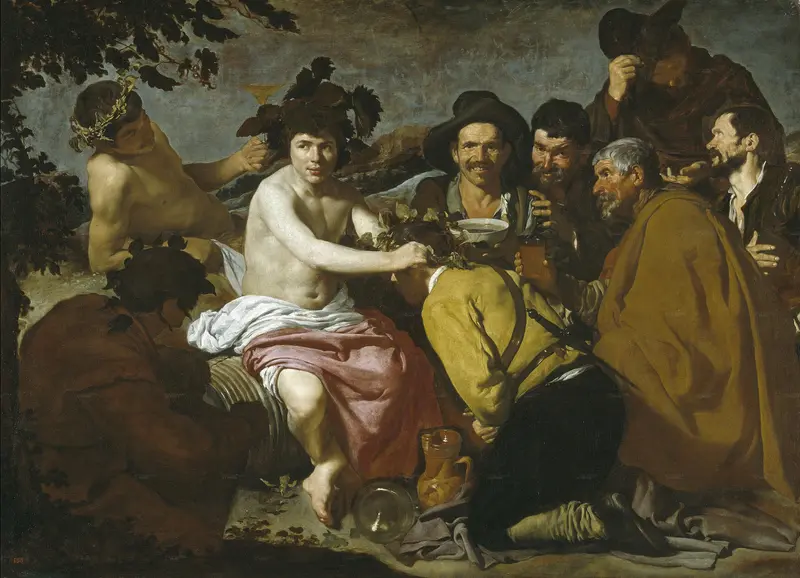
The Triumph of Bacchus
Diego Velázquez
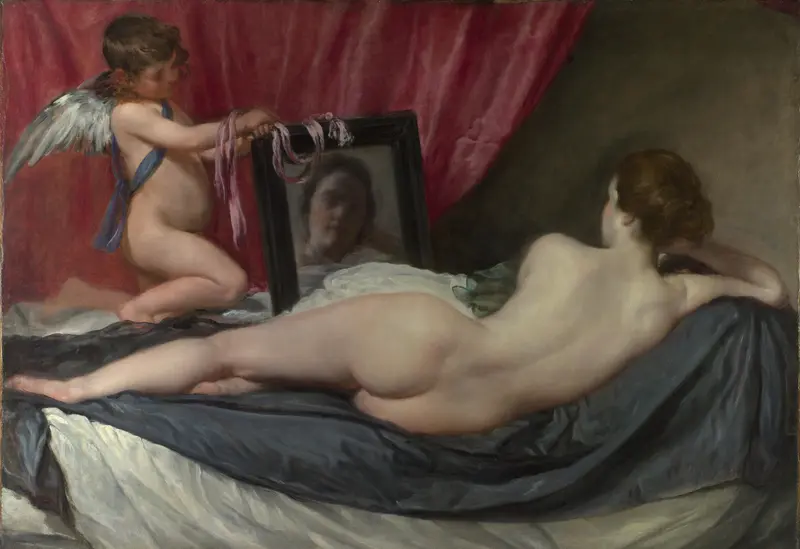
Rokeby Venus
Diego Velázquez
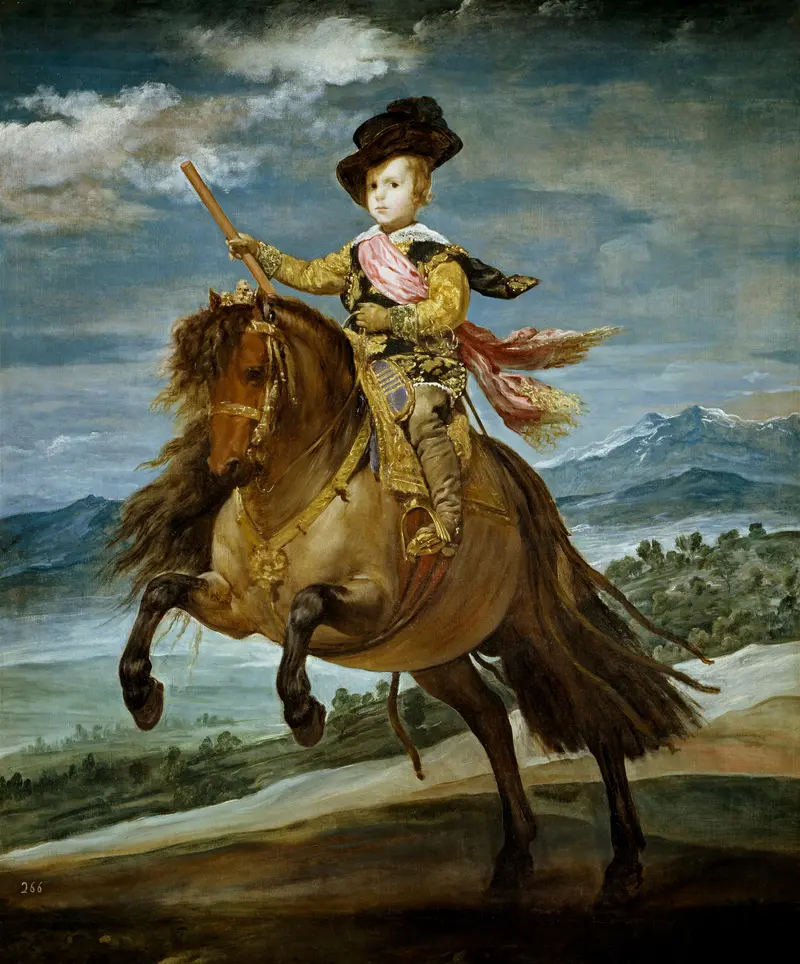
Equestrian Portrait of Prince Balthasar Charles
Diego Velázquez
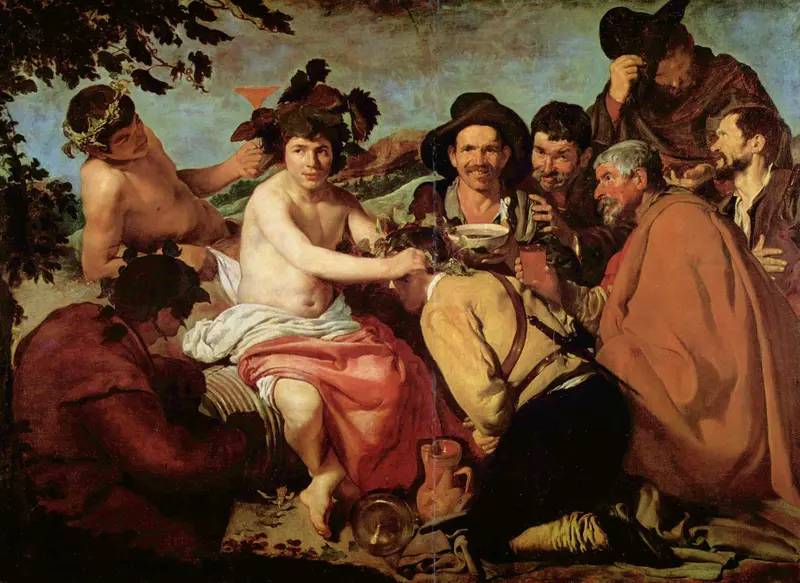
Bacchus
Diego Velázquez
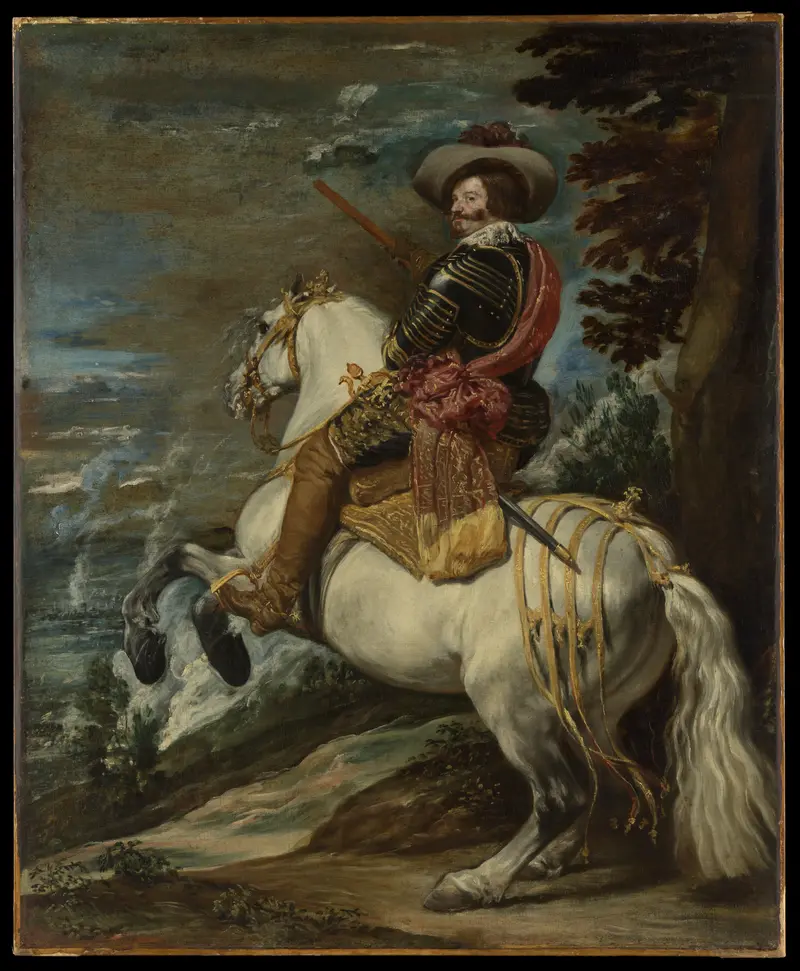
Don Gaspar de Guzmán (1587–1645), Count-Duke of Olivares
Diego Velázquez
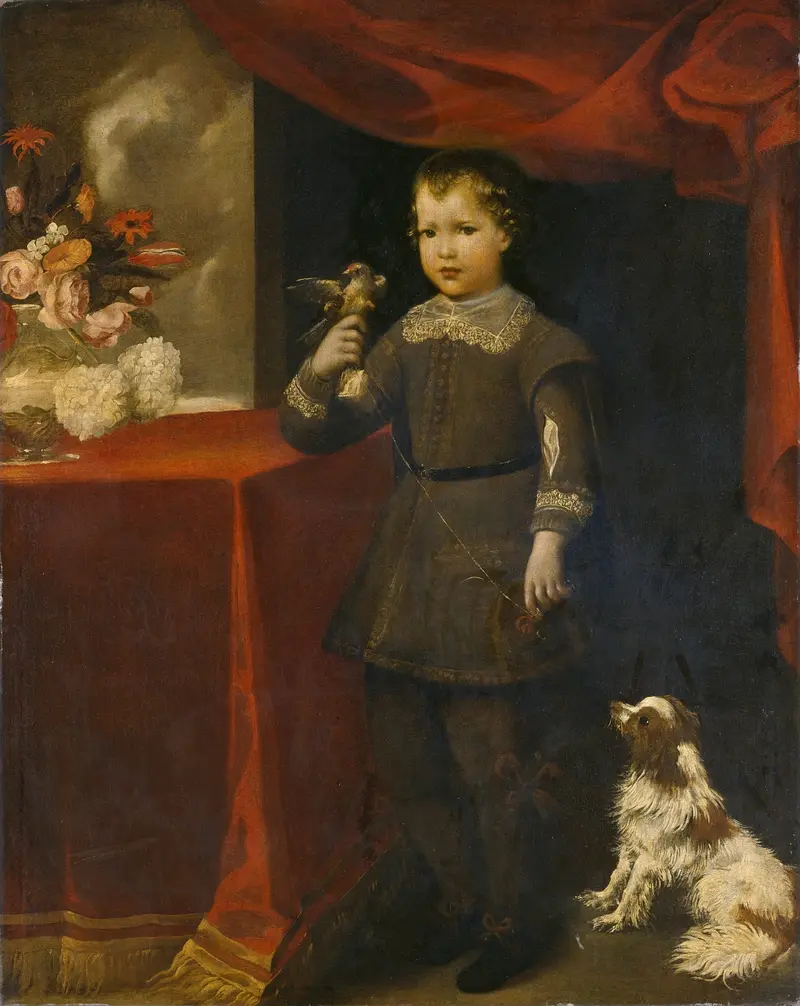
El príncipe Baltasar Carlos de Austria
Diego Velázquez
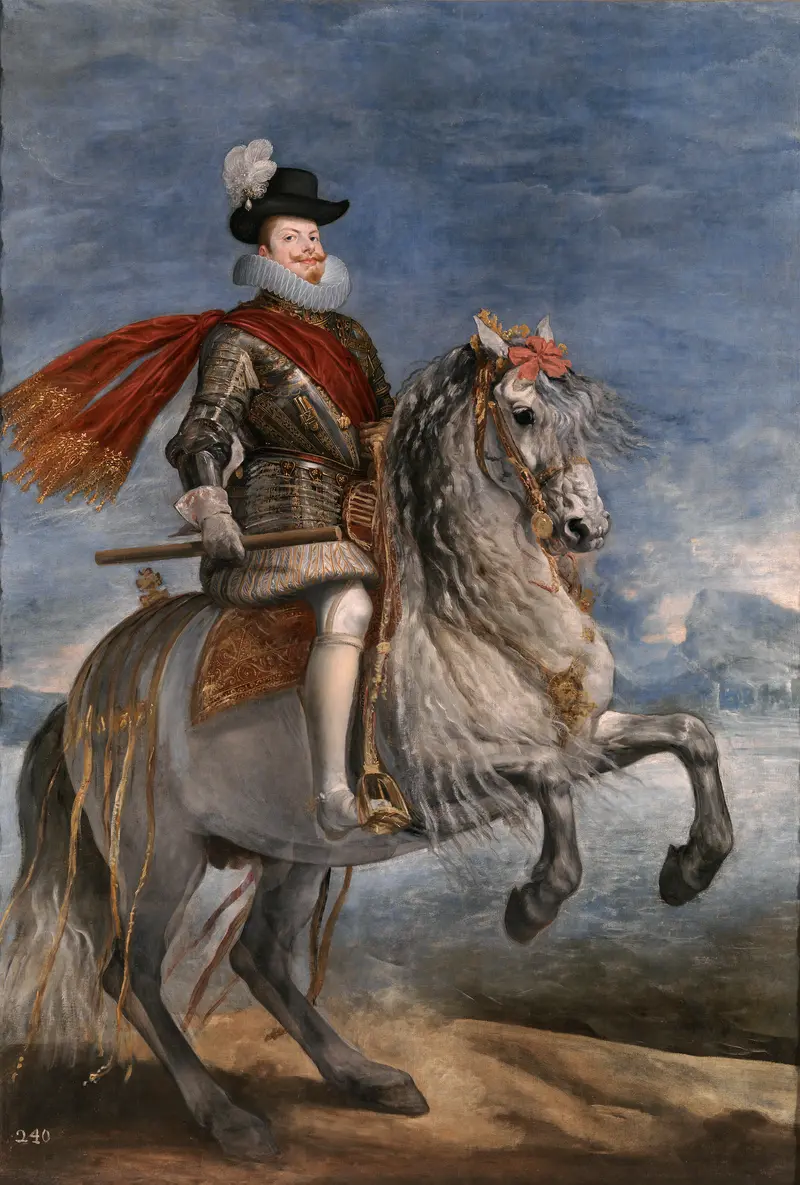
Equestrian Portrait of Philip III
Diego Velázquez
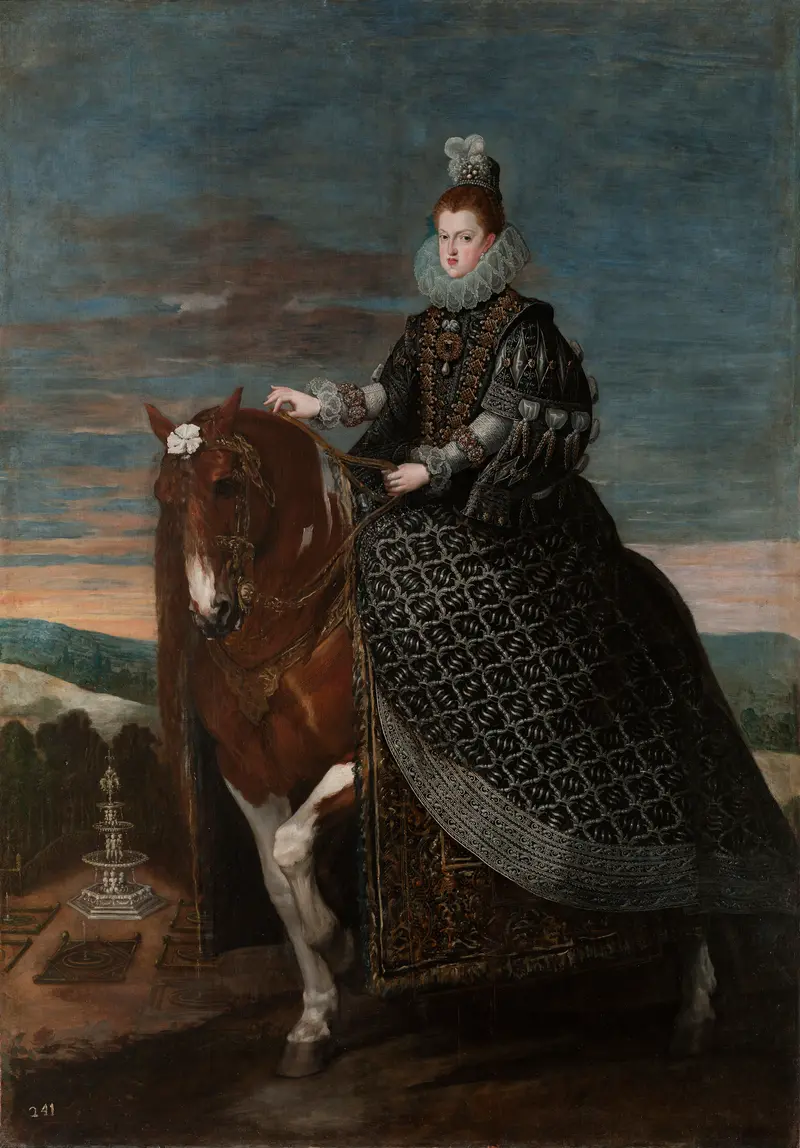
Equestrian Portrait of Margarita of Austria
Diego Velázquez
Las Hilanderas
Diego Velázquez




