
Love the Sentinel — History & Facts
When Love the Sentinel appeared at the Salon of 1773, Parisian critics immediately recognized Jean-Honoré Fragonard’s signature blend of wit and sensuality, but it was the painting’s playful ambiguity that fueled conversation. Unlike many of his contemporaries, Fragonard did not base this work on a well-known myth or literary source, leaving viewers to puzzle over its flirtatious scene. The painting’s title itself became a subject of speculation: was the “sentinel” a literal guard, or a lover keeping watch? The lack of documentation about its commission only heightened its air of intrigue, and the work quickly became a favorite topic among the city’s salonnières. At the heart of the composition, a young woman leans out from a garden alcove, her face half-shadowed as she exchanges a conspiratorial glance with a uniformed sentinel.
The sentinel’s hand hovers near his sword, yet his posture is relaxed—suggesting his true duty is not defense, but discretion. A small lapdog at the woman’s feet, a symbol of fidelity or perhaps comic witness, watches the exchange. The lush foliage and soft, golden light envelop the pair, heightening the sense of secrecy and anticipation.
Unlike the direct, moralizing tone of Greuze, Fragonard’s approach is light and teasing, inviting the viewer to share in the private joke. The subsequent history of Love the Sentinel is less well documented than some of Fragonard’s grander commissions. It is believed to have remained in private French collections throughout the nineteenth century, escaping both revolutionary confiscations and the dispersals of the Napoleonic era. The painting’s medium remains uncertain, though its scale and handling suggest it was intended for intimate viewing, perhaps as part of a decorative ensemble.
Today, it is recognized as a quintessential example of Fragonard’s late Rococo style, capturing the spirit of a society on the brink of change—where pleasure and secrecy still reigned, if only for a moment.
More Artworks by Jean-Honoré Fragonard
The Swing
Jean-Honoré Fragonard

The Swing
Jean-Honoré Fragonard
A Young Girl Reading
Jean-Honoré Fragonard
The Lock
Jean-Honoré Fragonard

The Triumph of Venus
Jean-Honoré Fragonard
A Game of Hot Cockles
Jean-Honoré Fragonard
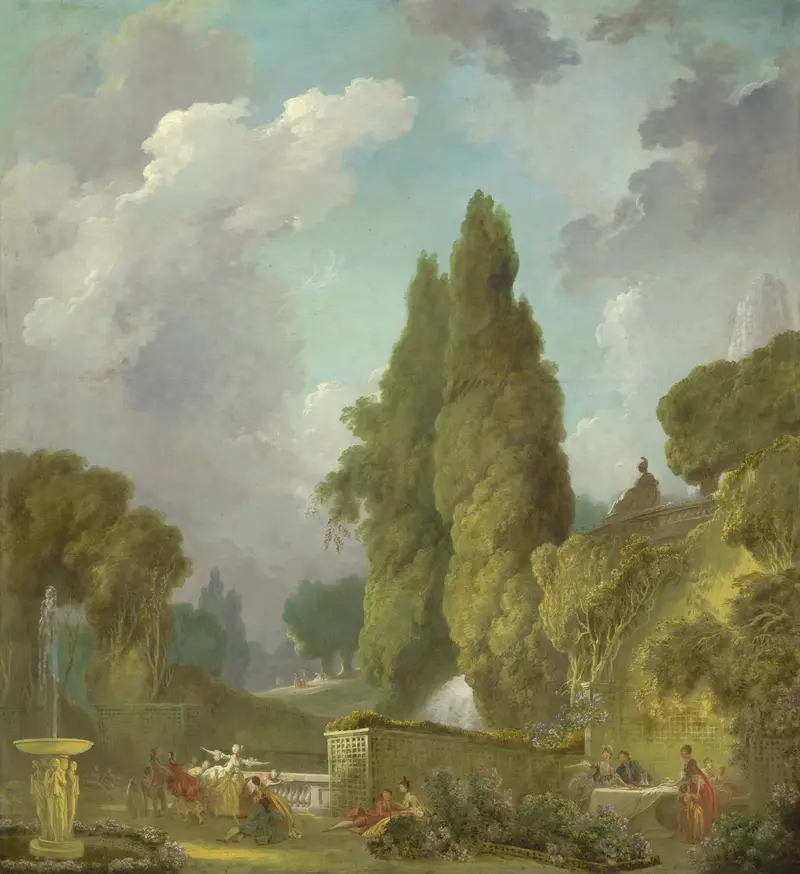
Blindman’s Buff
Jean-Honoré Fragonard
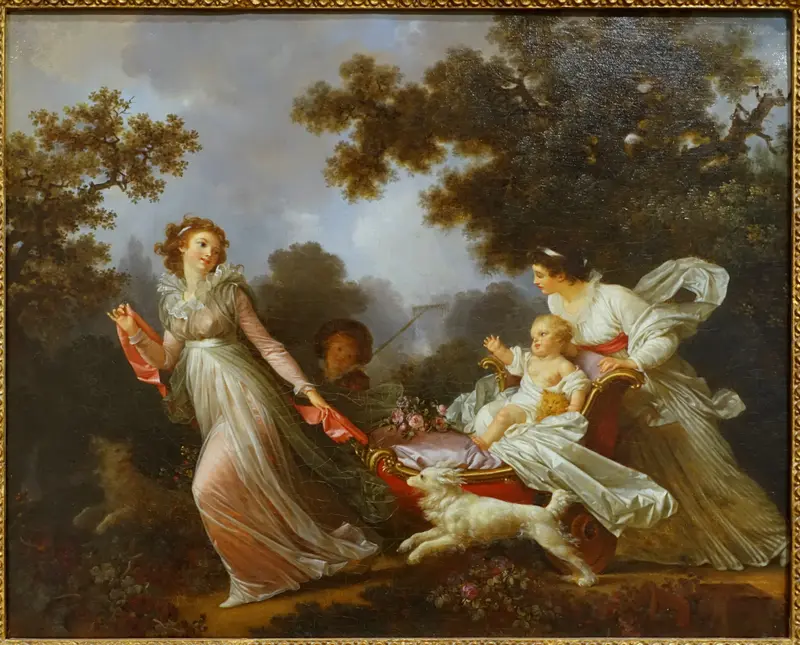
The Beloved Child
Jean-Honoré Fragonard
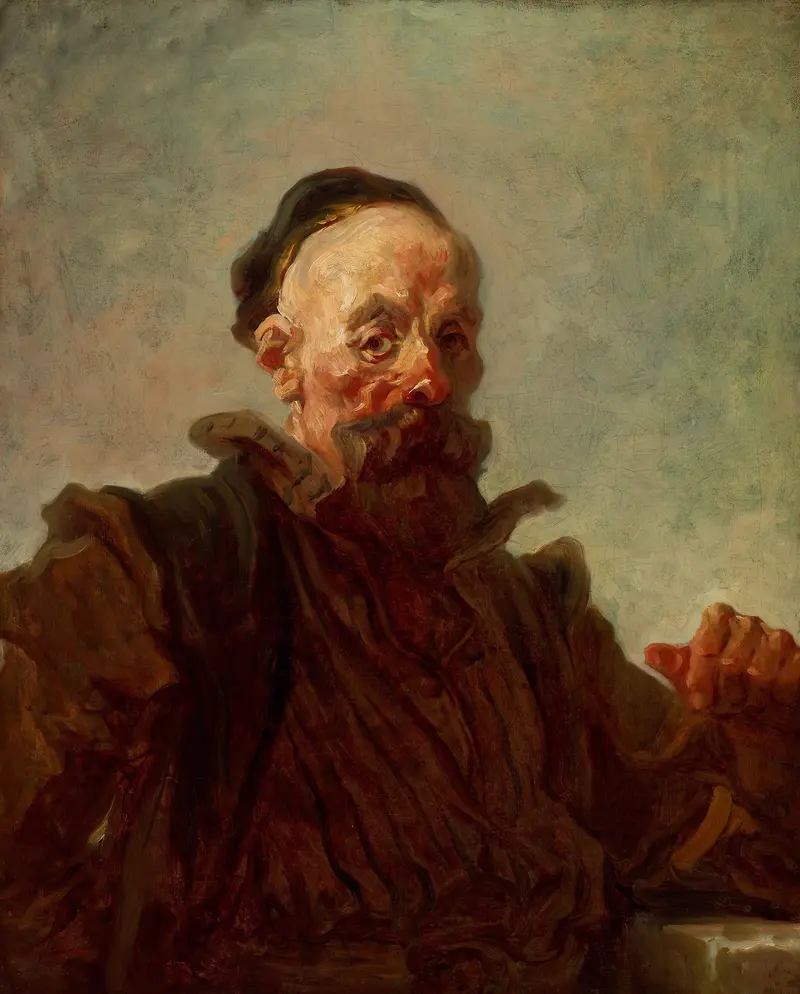
Portrait of a Man in Costume
Jean-Honoré Fragonard
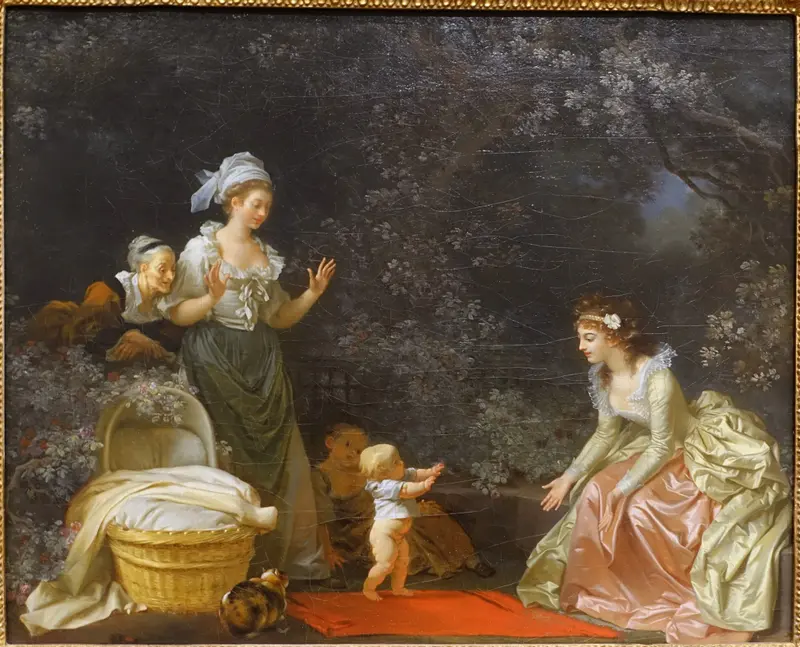
The First Steps
Jean-Honoré Fragonard
More Genre Scene Art

Banquet of the Officers of the St George Civic Guard
Frans Hals

Rembrandt and Saskia in the Scene of the Prodigal Son
Rembrandt van Rijn

Bal du moulin de la Galette
Pierre-Auguste Renoir

Quadrille at the Moulin Rouge
Henri de Toulouse-Lautrec

A Burial at Ornans
Gustave Courbet

When Will You Marry?
Paul Gauguin