
Music — History & Facts
When Music was first exhibited in Paris in the early 1760s, it was celebrated as a prime example of Jean-Honoré Fragonard’s ability to capture the spirit of the Rococo age—an era when pleasure and wit reigned in the salons of the French elite. The painting’s playful atmosphere and flirtatious charm quickly made it a favorite among collectors of the day, and it was soon reproduced in engravings that spread its fame beyond France. Unlike many of his contemporaries, Fragonard was not content to simply imitate the Dutch or Italian masters; instead, he infused his scenes with a distinctly French sense of intimacy and delight.
The exact circumstances of the painting’s commission remain unclear, but its popularity helped cement Fragonard’s reputation as a painter of refined amusements. At the heart of Music is a lively domestic scene: a young woman, cheeks flushed, leans over a keyboard instrument, her fingers poised to play, while a companion looks on with an air of anticipation. The soft golden light caresses the satin folds of her dress and the polished wood of the instrument, drawing the eye to the delicate interplay between music, beauty, and social ritual. The scattered sheet music and the gentle tilt of the woman’s head suggest a moment of spontaneous performance, perhaps for the benefit of a suitor or family member.
Unlike the more formal musical gatherings depicted by Vermeer in works like The Music Lesson, Fragonard’s scene is intimate and informal, emphasizing the pleasures of private life rather than public display. The artist’s loose, fluid brushwork heightens the sense of immediacy, as if the music might begin at any moment. The precise journey of Music as an object is not fully documented, a common fate for many of Fragonard’s smaller cabinet paintings. It is likely that the work was originally created for a private patron, reflecting the tastes of the Parisian bourgeoisie who favored such scenes for their homes.
Over the centuries, Music has passed through several collections, sometimes misattributed or overshadowed by the artist’s more famous series, such as The Progress of Love. Today, it stands as a testament to Fragonard’s enduring appeal and his unique ability to capture the fleeting joys of everyday life at the height of the Rococo movement.
More Artworks by Jean-Honoré Fragonard
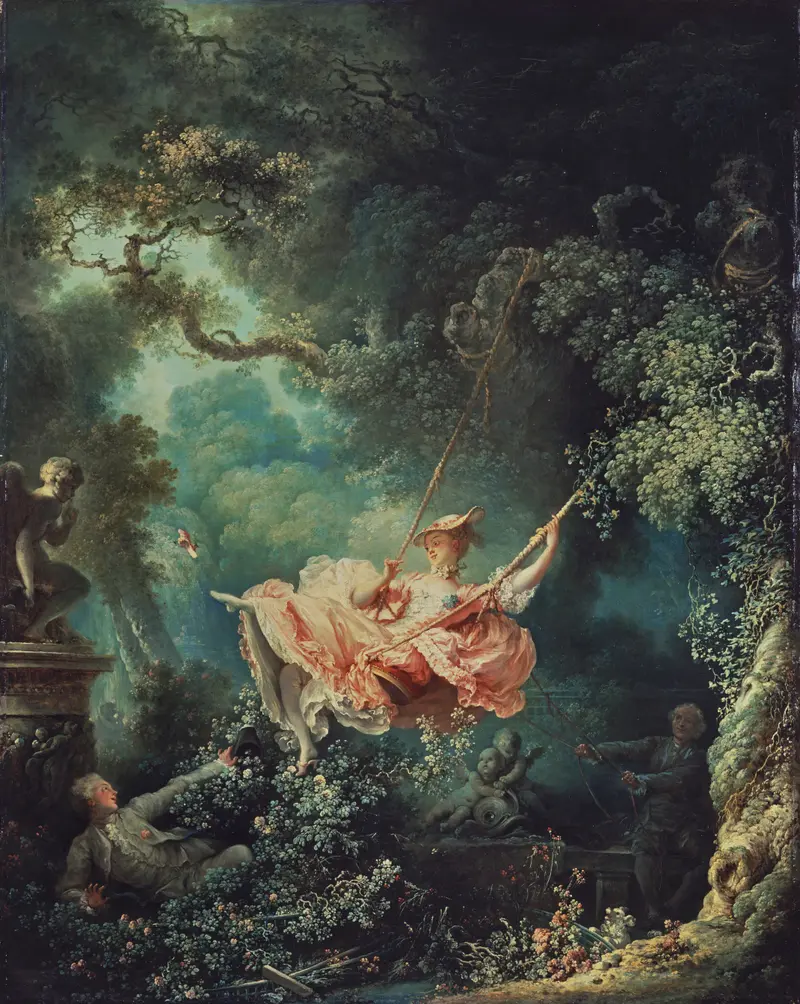
The Swing
Jean-Honoré Fragonard

The Swing
Jean-Honoré Fragonard
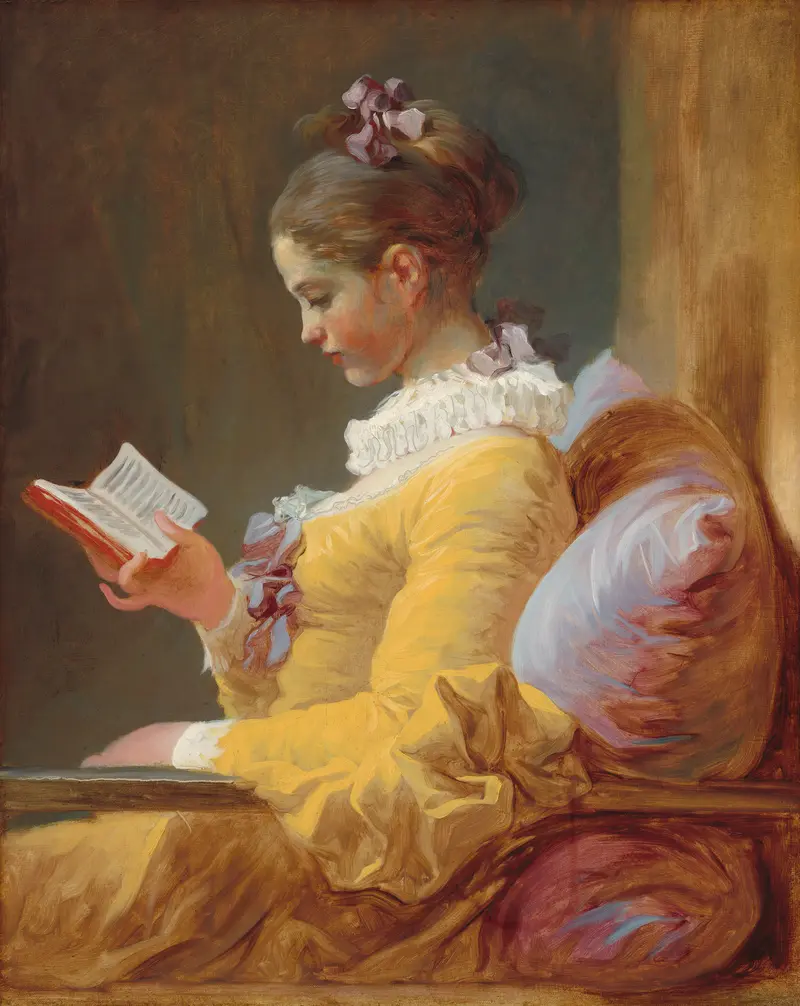
A Young Girl Reading
Jean-Honoré Fragonard
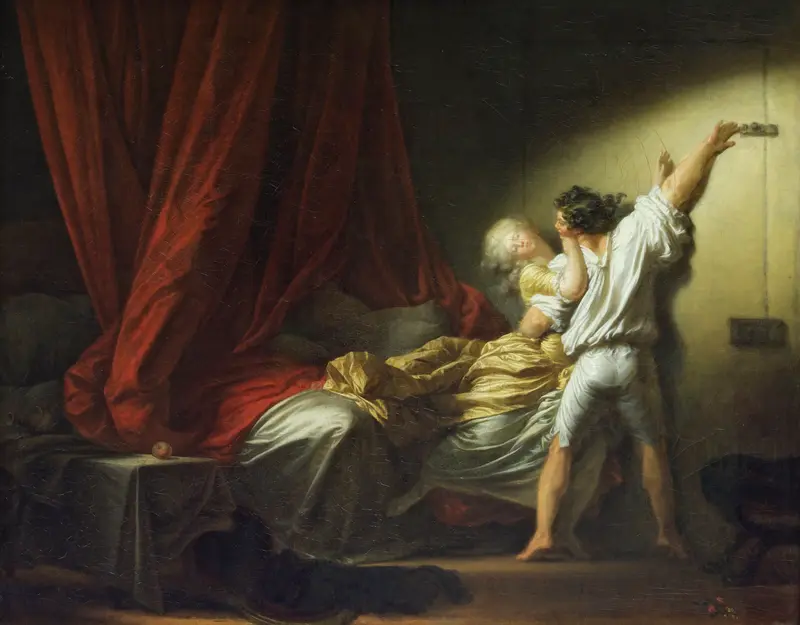
The Lock
Jean-Honoré Fragonard
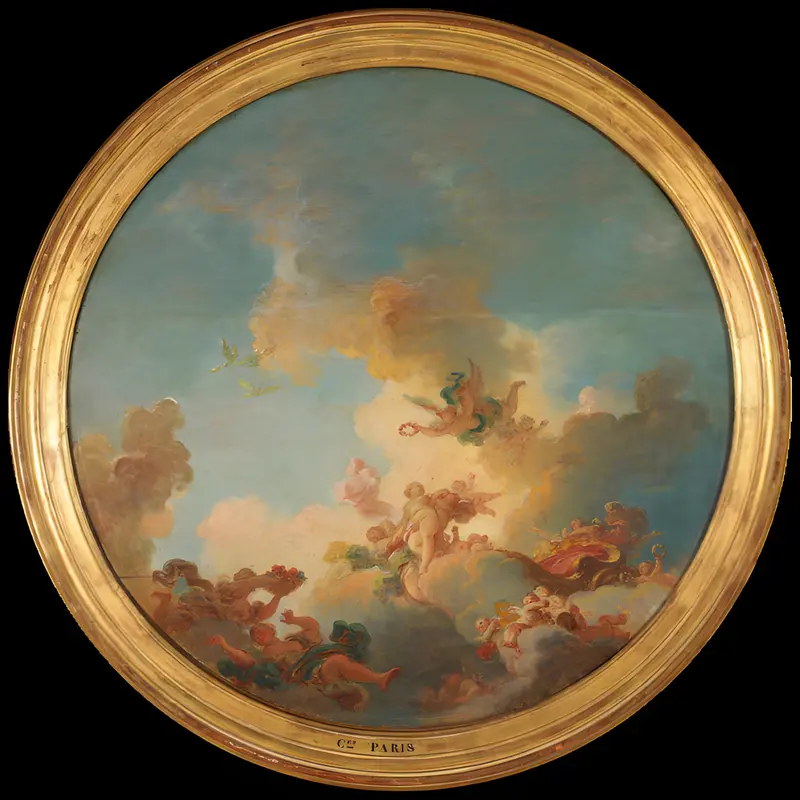
The Triumph of Venus
Jean-Honoré Fragonard
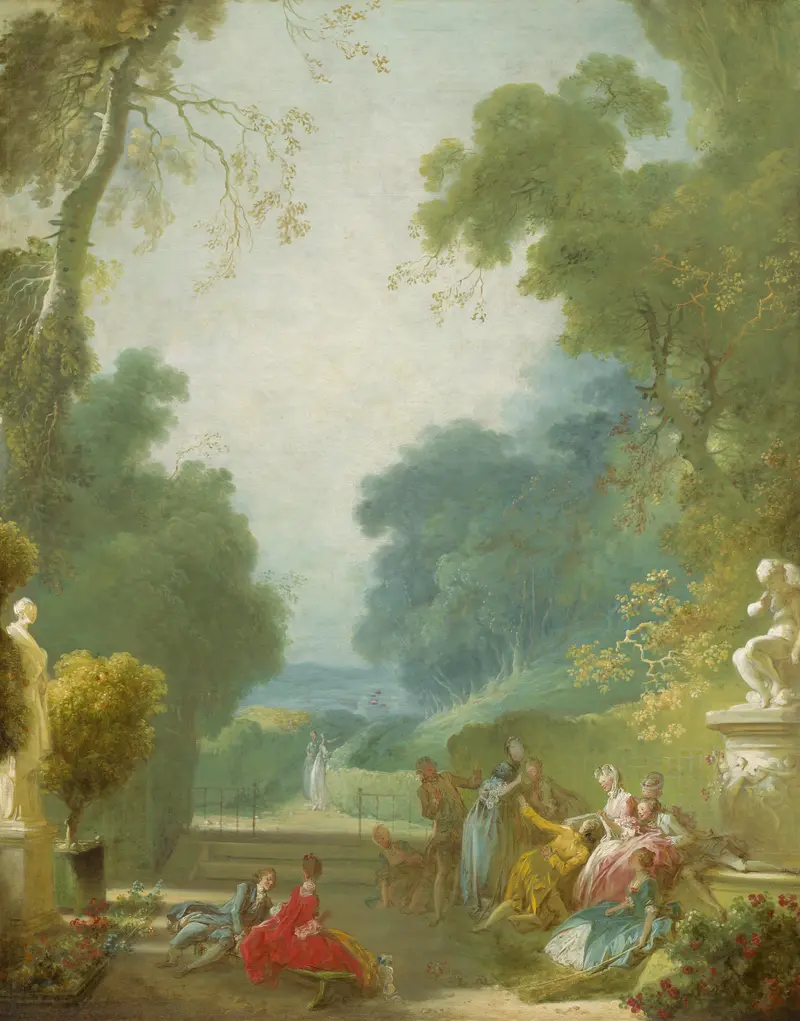
A Game of Hot Cockles
Jean-Honoré Fragonard
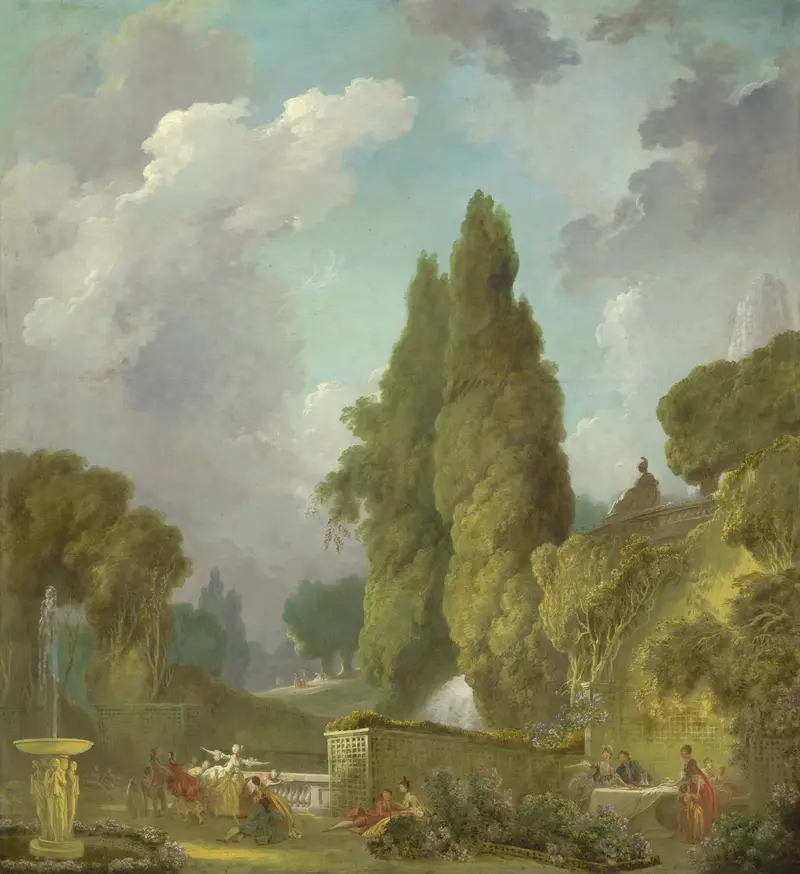
Blindman’s Buff
Jean-Honoré Fragonard
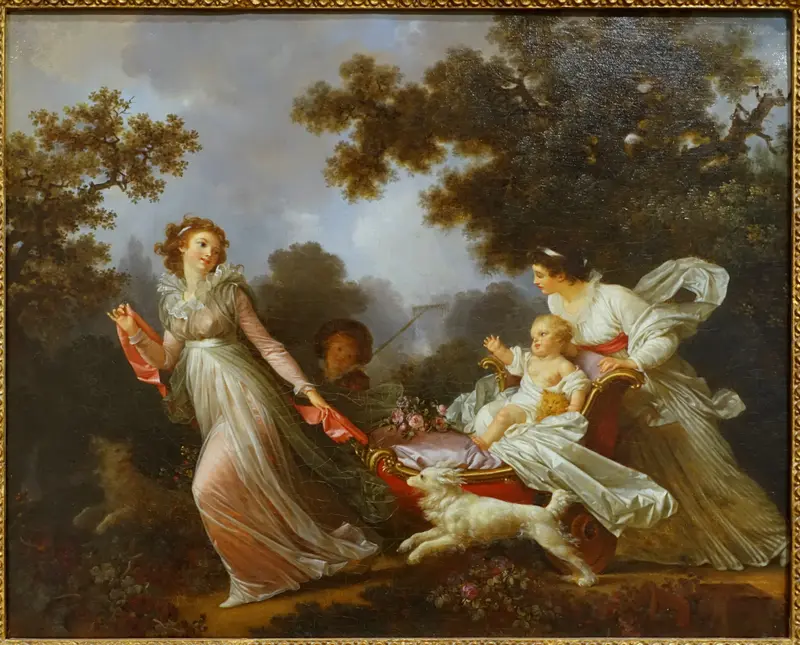
The Beloved Child
Jean-Honoré Fragonard
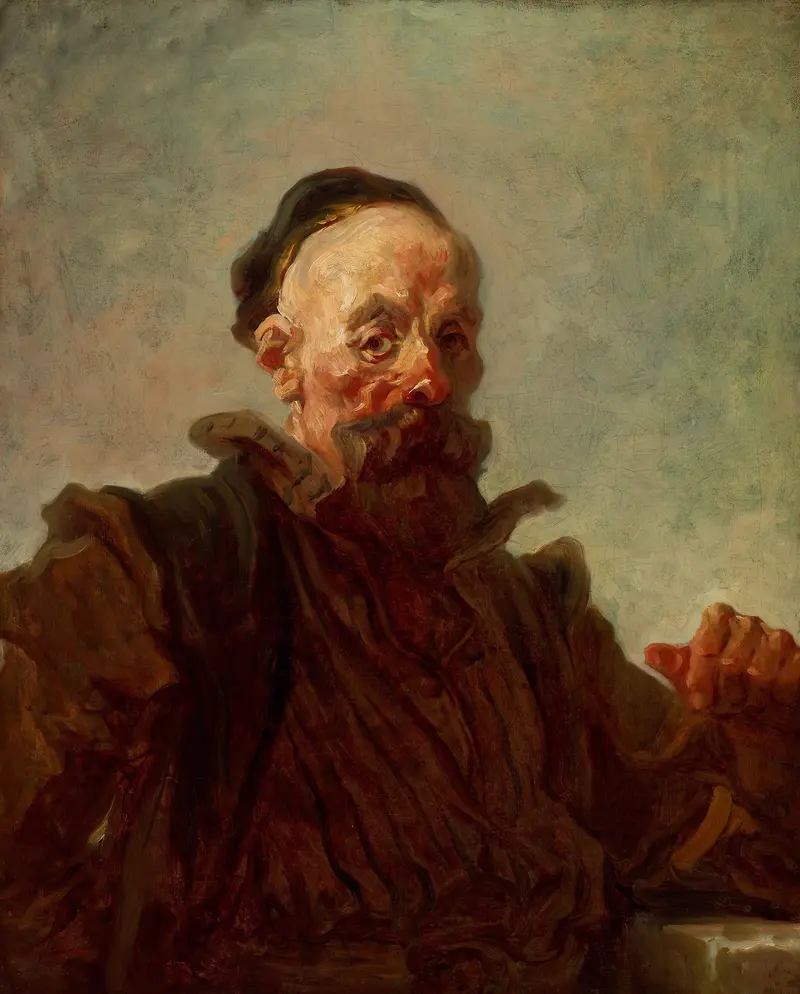
Portrait of a Man in Costume
Jean-Honoré Fragonard
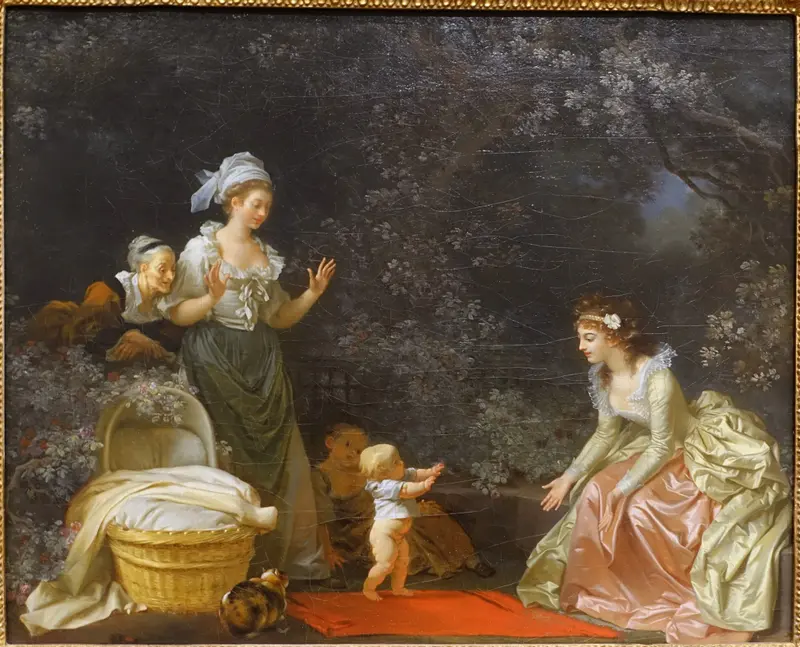
The First Steps
Jean-Honoré Fragonard
More Genre Scene Art

Banquet of the Officers of the St George Civic Guard
Frans Hals

Rembrandt and Saskia in the Scene of the Prodigal Son
Rembrandt van Rijn

Bal du moulin de la Galette
Pierre-Auguste Renoir

Quadrille at the Moulin Rouge
Henri de Toulouse-Lautrec

A Burial at Ornans
Gustave Courbet

When Will You Marry?
Paul Gauguin