
Ondine — History & Facts
A pale figure stands at the heart of a fountain, her bare feet on the wet stone, her arms raised in a gesture that is both defensive and entranced. The most striking thing here is the way the water seems to spring up in answer to her presence, as if the fountain itself were enchanted by her touch. Her loose white gown clings to her form, and her golden hair, long and unbound, glistens with droplets.
The background is a quiet, almost dreamlike courtyard, its architecture blurred by mist and the fading light. The nymph’s tilted head and distant gaze suggest longing or sorrow, while the vertical rush of water beside her hints at a supernatural force at work. Everything in the image draws the eye back to her: the cool palette, the gentle shadows, the way the light pools around her figure. Works like this, painted in the late nineteenth century, are steeped in the fascination with myth and legend that gripped the Victorian imagination.
Water nymphs—ondines or undines—were popular subjects for artists inspired by Romantic literature and the revival of folklore. Such paintings were rarely mere decoration: they invited viewers to contemplate the boundaries between nature and the supernatural, between longing and loss. This particular Ondine by John William Waterhouse is documented as appearing on 2 June 2016 in an online collection dedicated to the artist, but little else is recorded about its journey or commission.
It stands as a quiet testament to the era’s love of the mysterious and the melancholy, inviting us to linger in the cool, uncertain space between myth and reality.
More Artworks by John William Waterhouse
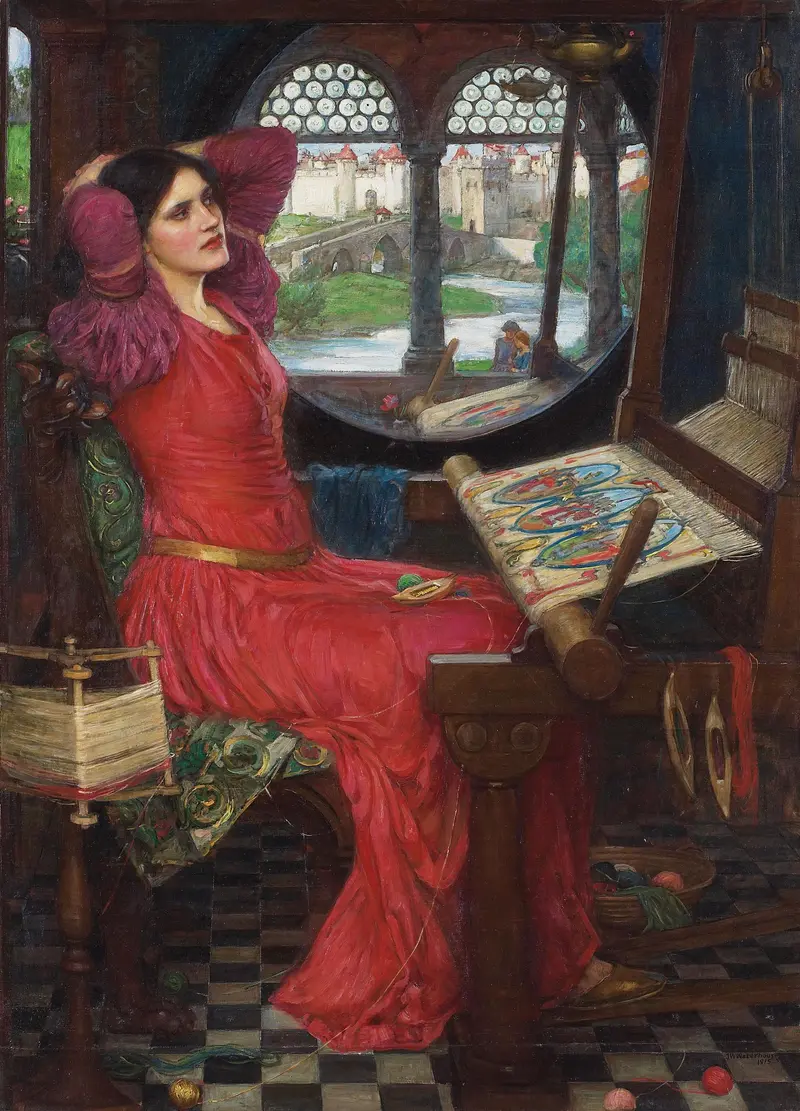
'I Am Half-Sick of Shadows,' Said the Lady of Shalott
John William Waterhouse

The Favourites of the Emperor Honorius, 1883
John William Waterhouse
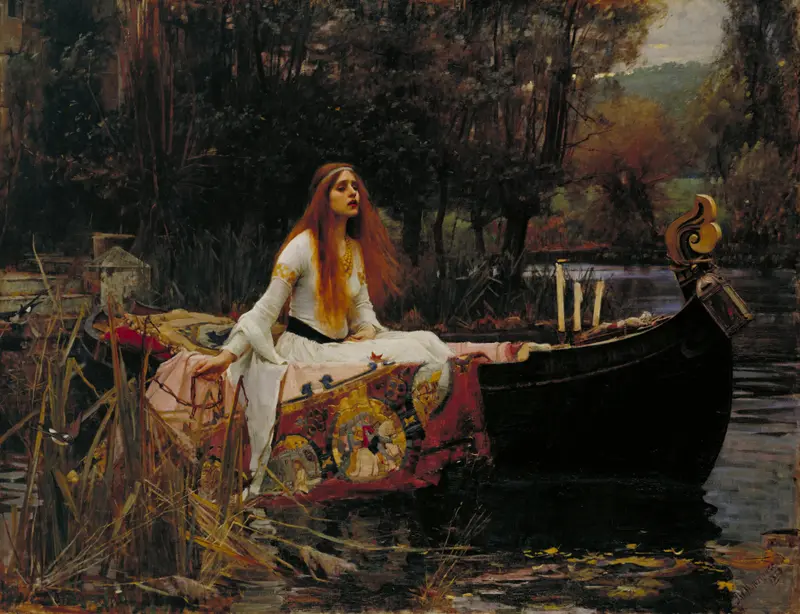
The Lady of Shalott
John William Waterhouse
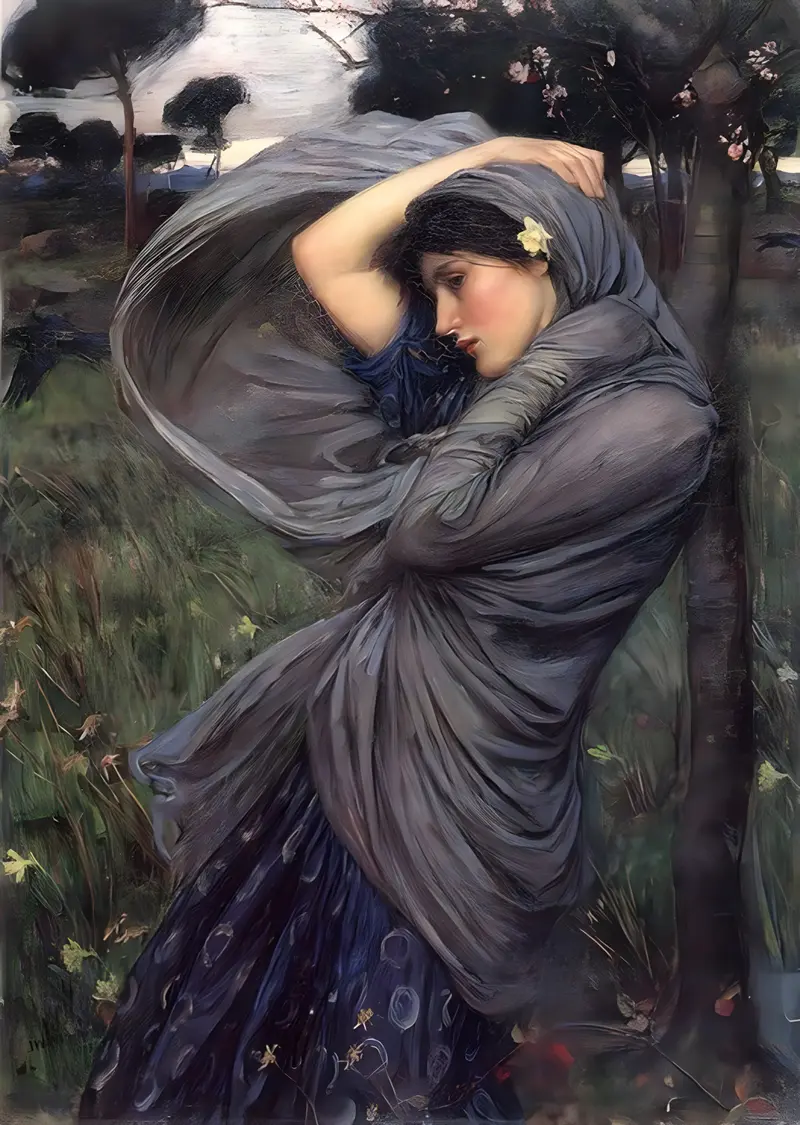
Boreas
John William Waterhouse
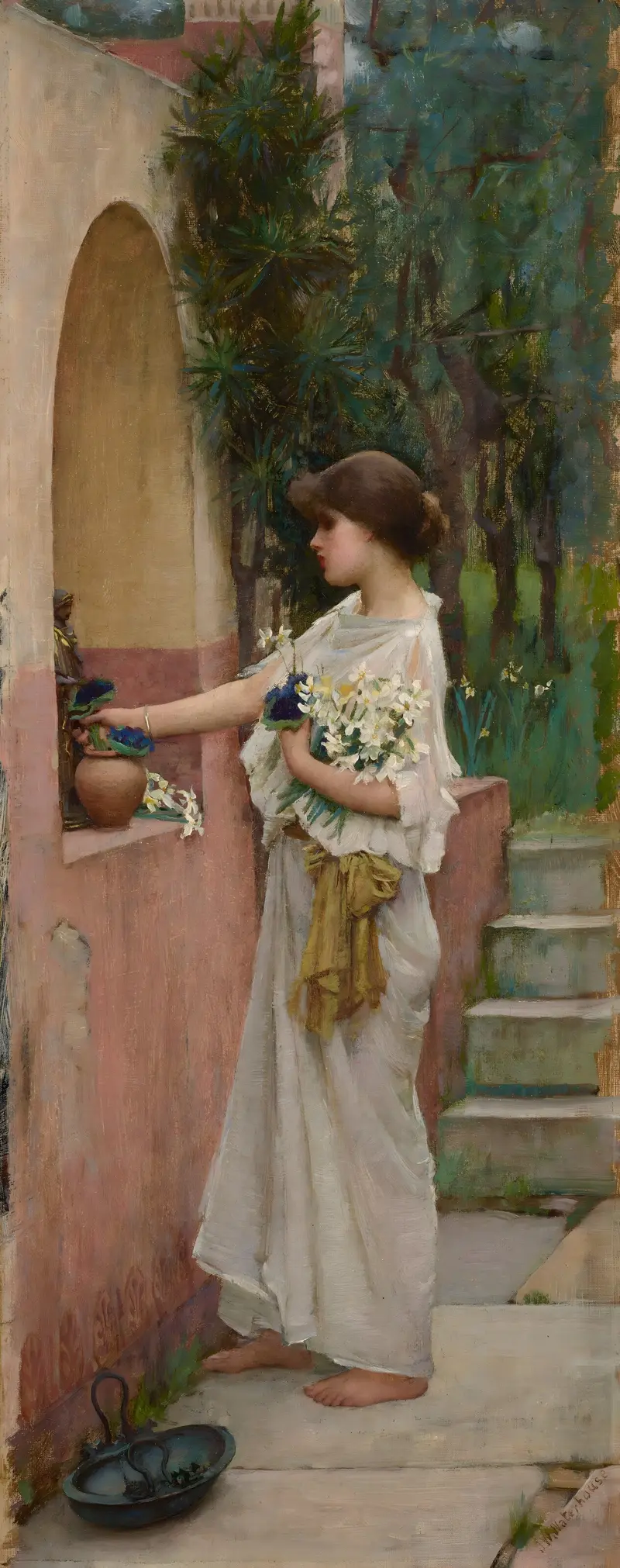
A Roman Offering
John William Waterhouse
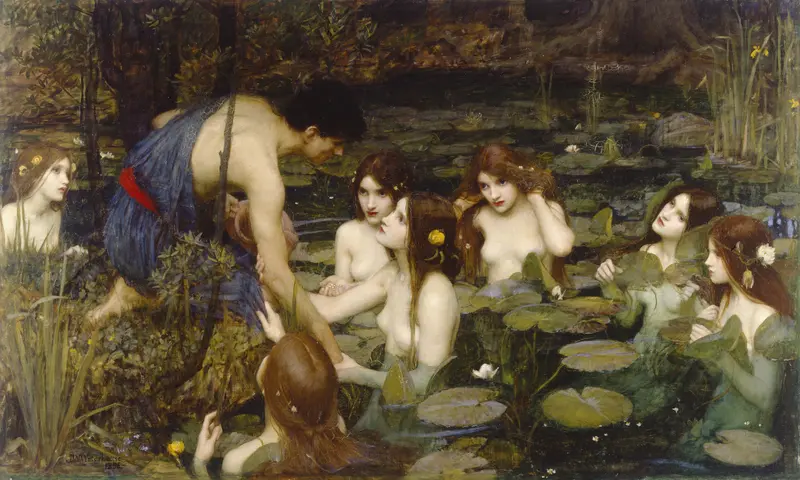
Hylas and the Nymphs
John William Waterhouse
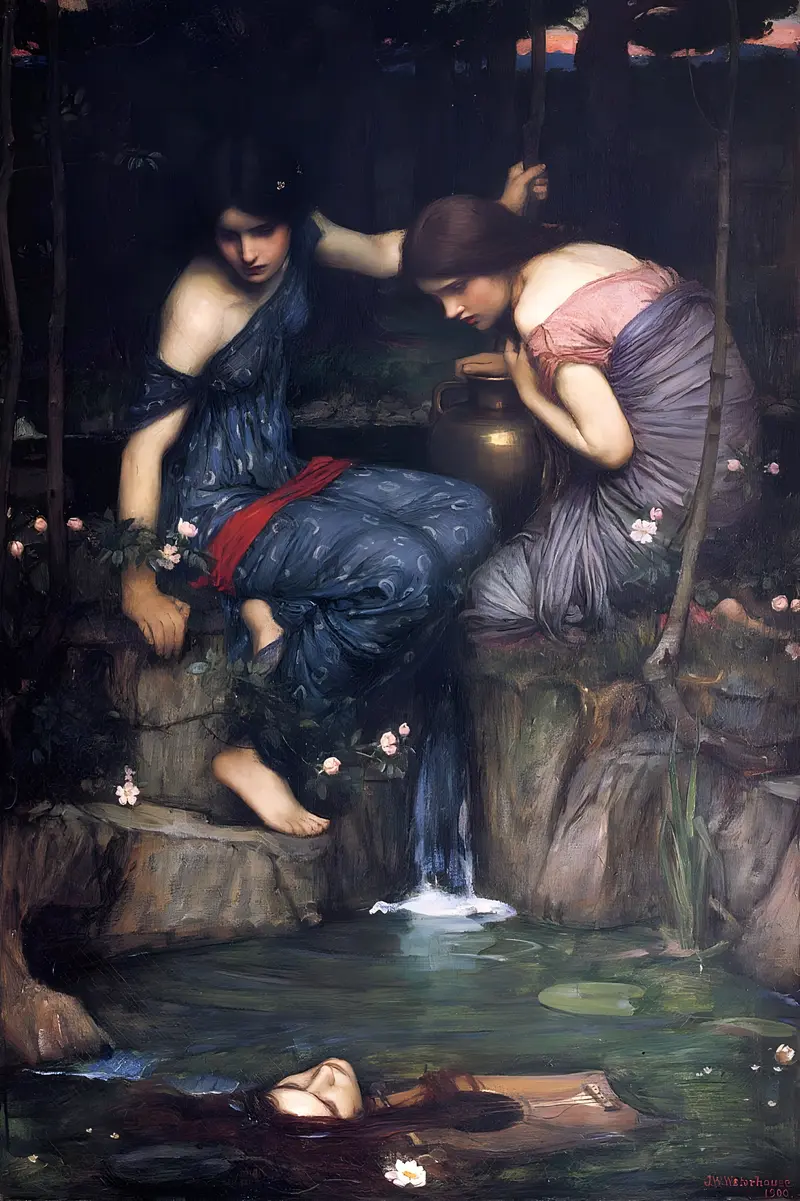
Nymphs Finding the Head of Orpheus
John William Waterhouse
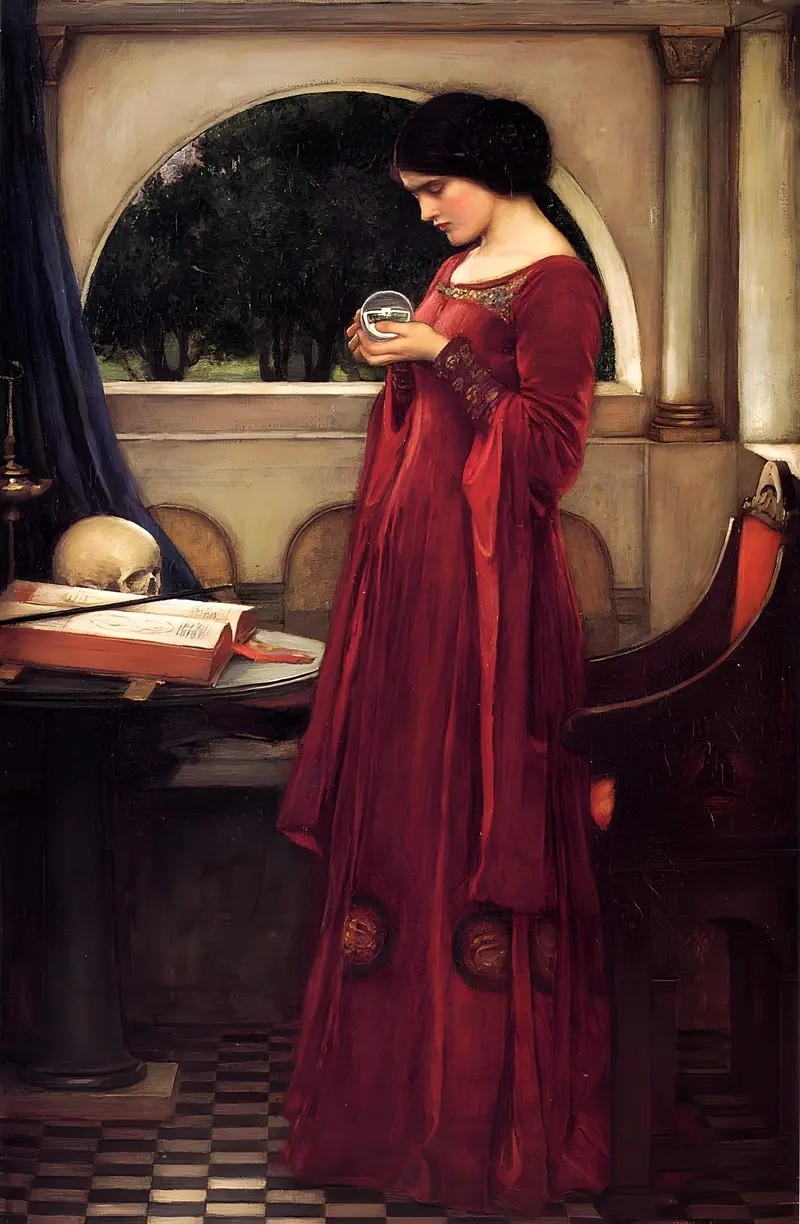
The Crystal Ball
John William Waterhouse
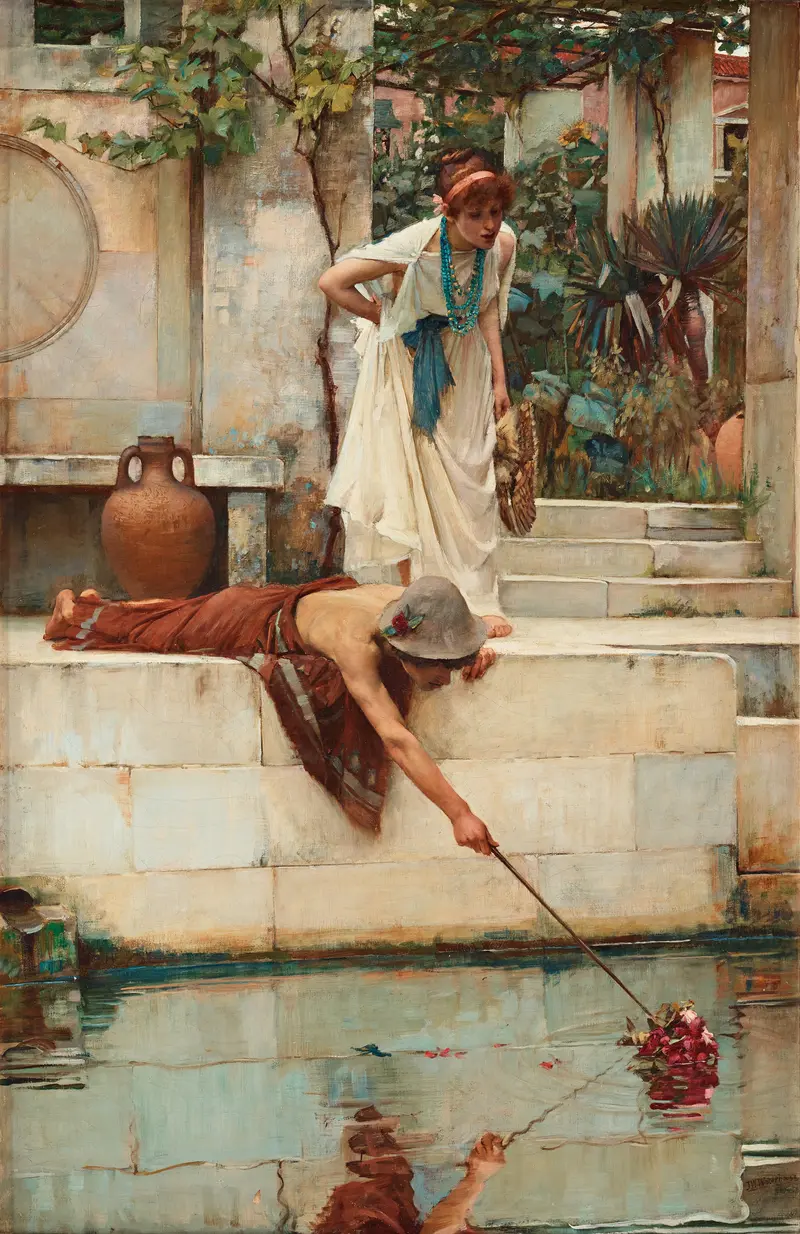
The Rescue
John William Waterhouse
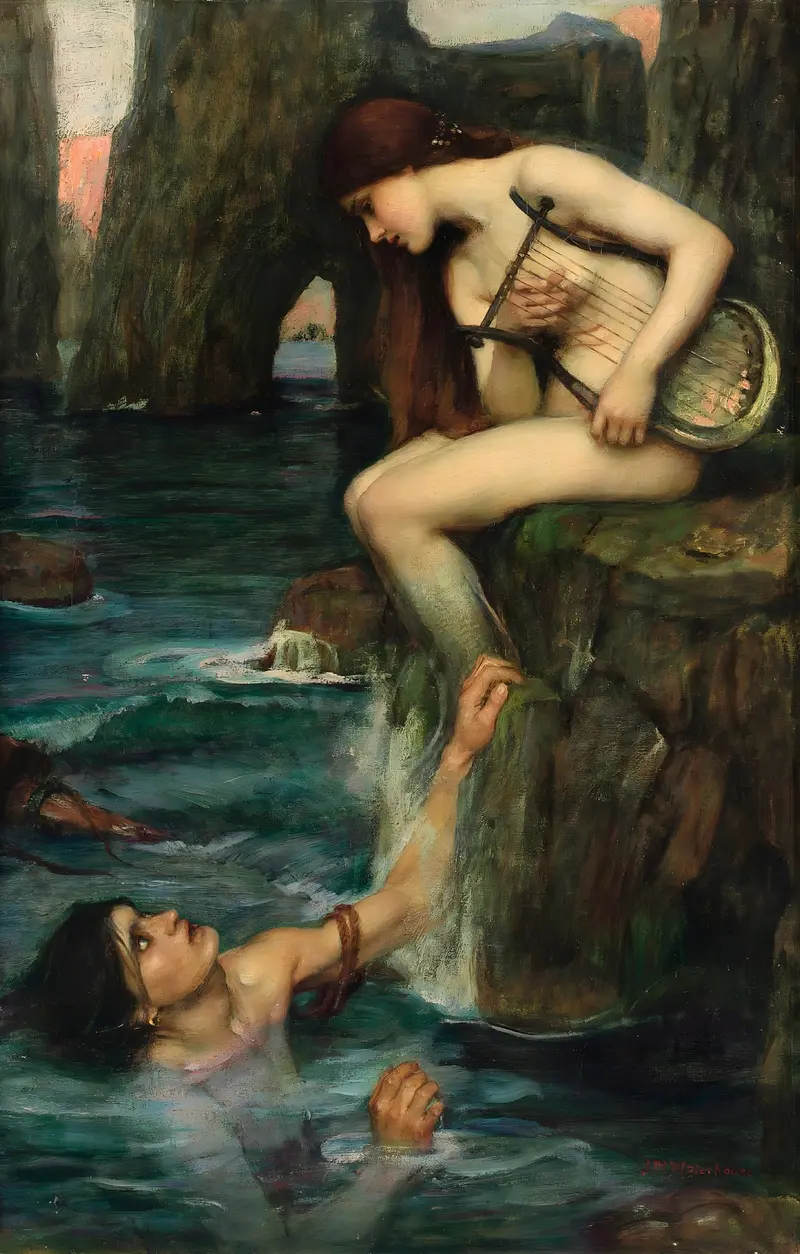
The Siren, 1900
John William Waterhouse





