Ornament of Indigenous Peoples No. 1 — History & Facts
What first catches the eye in Ornament of Indigenous Peoples No. 1 by Owen Jones is the sheer energy of repetition and variation—twelve panels, each a world of pattern, stacked and aligned with the precision of a textile loom. The chromolithograph draws you in with its bold palette of ochre, red, and black, each block pulsing with rhythm and contrast.
Some patterns are tight lattices, others burst with zigzags or radiate from a central sun-like dot. The arrangement invites the viewer to move from one motif to the next, tracing the logic of symmetry and the surprises of asymmetry, as if deciphering a visual language whose grammar is rooted in both order and play. Created in the mid-nineteenth century, this work belongs to a period when European designers like Owen Jones turned to the arts of cultures then labeled “savage” or “primitive” for inspiration and instruction. Published in London and now preserved in the Polona Digital Library, this plate is one of many from Jones’s influential studies of ornament, which sought to catalogue and celebrate the decorative arts of the world.
Such works were not only reference tools for architects and designers but also statements about the universality and diversity of human creativity. While the terminology and approach reflect the colonial attitudes of their time, the patterns themselves remain compelling—each a testament to the ingenuity of makers whose names, unlike Jones’s, history has not recorded. Let your eye wander again across these panels, and consider how abstraction and repetition can speak across centuries and continents.
More Artworks by Owen Jones

Greek Ornament No. 1
Owen Jones
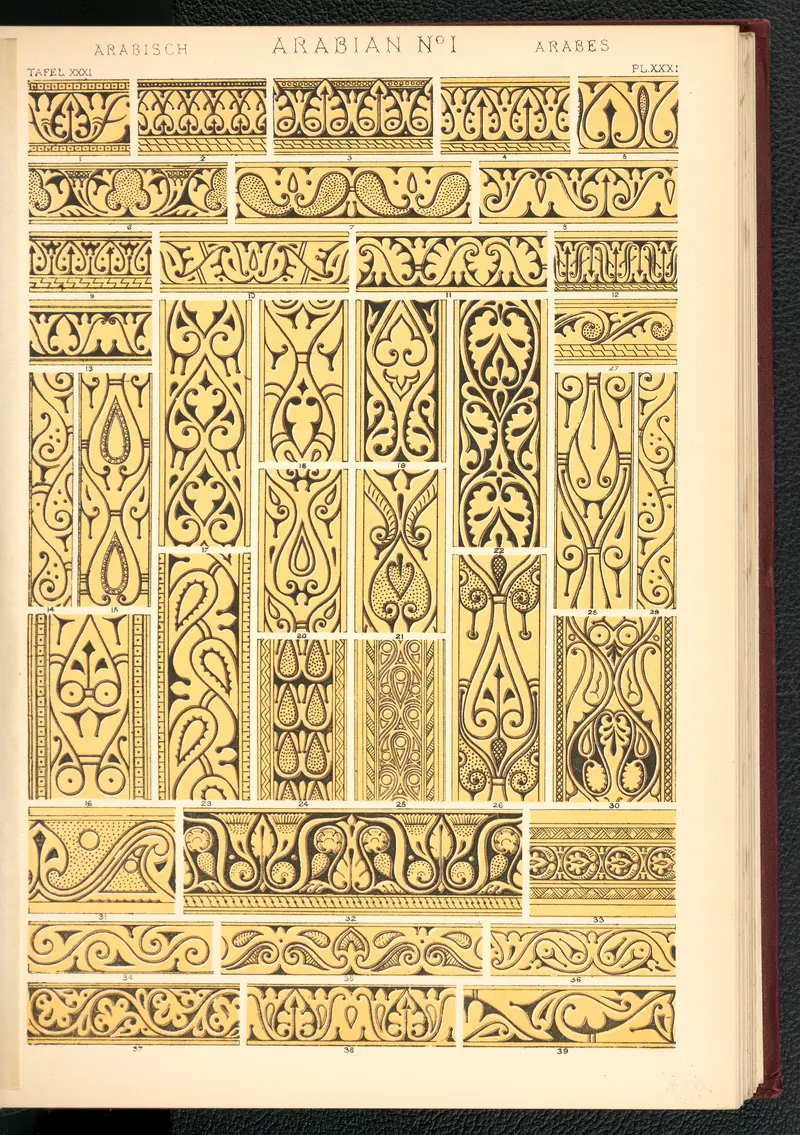
Arabian Ornament No. 1
Owen Jones
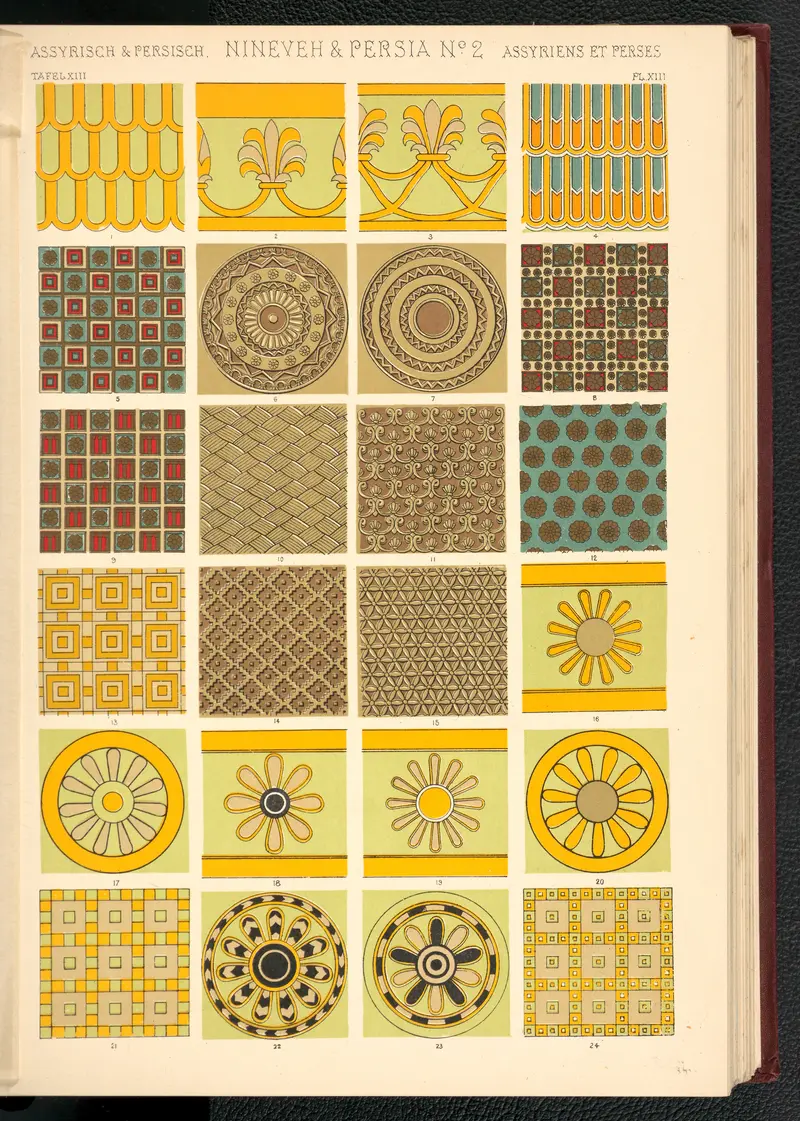
Assyrian Ornament No. 2
Owen Jones

Egyptian Ornament No. 3
Owen Jones
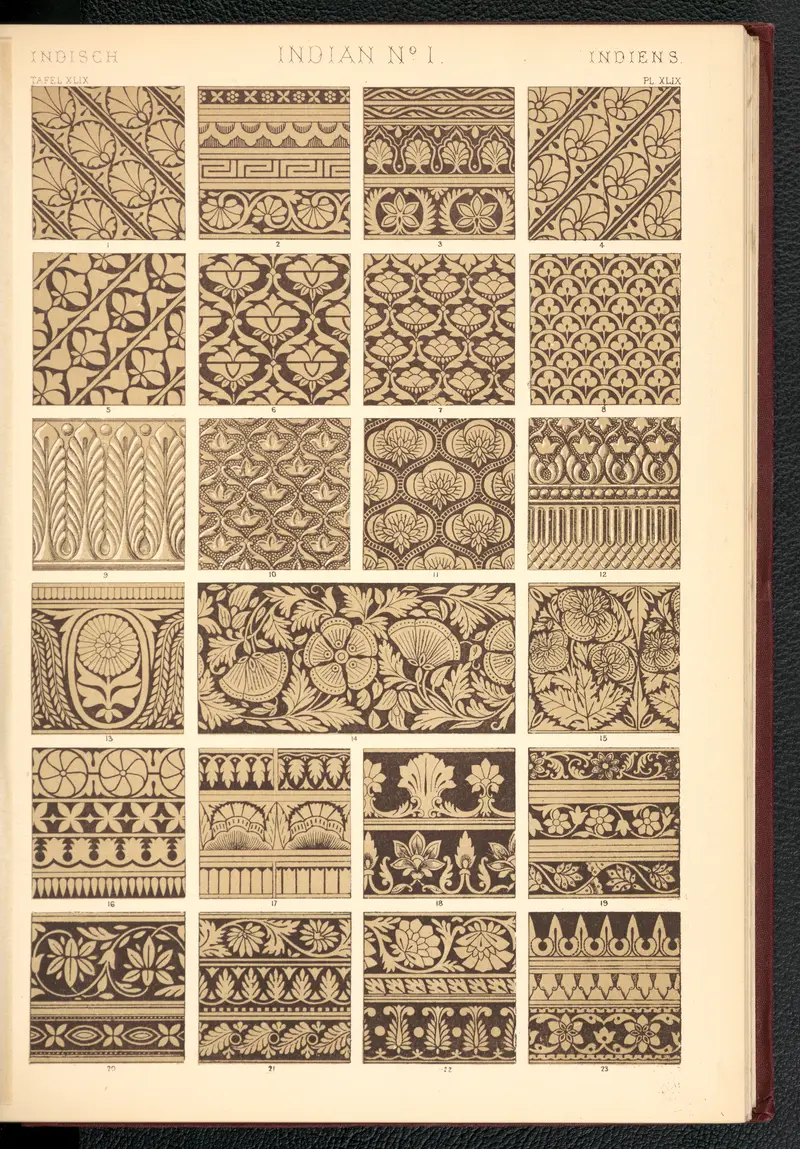
Indian Ornament No. 1
Owen Jones
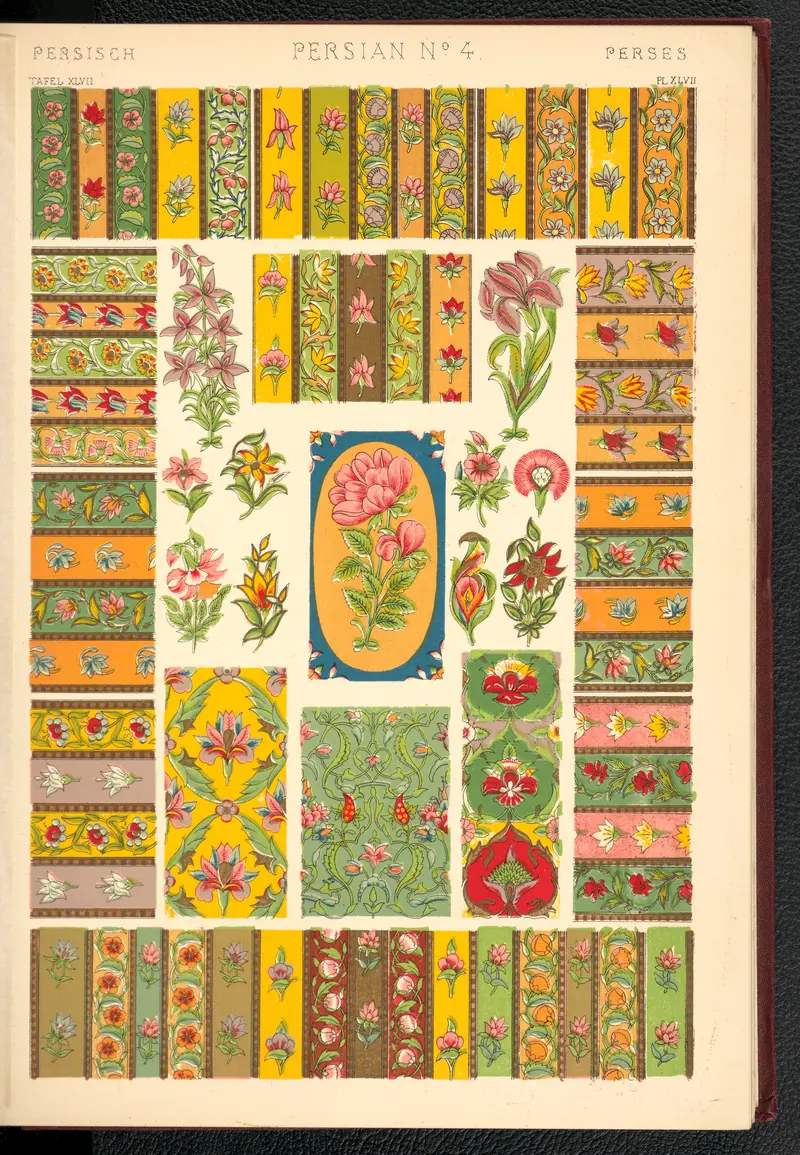
Persian Ornament No. 4
Owen Jones
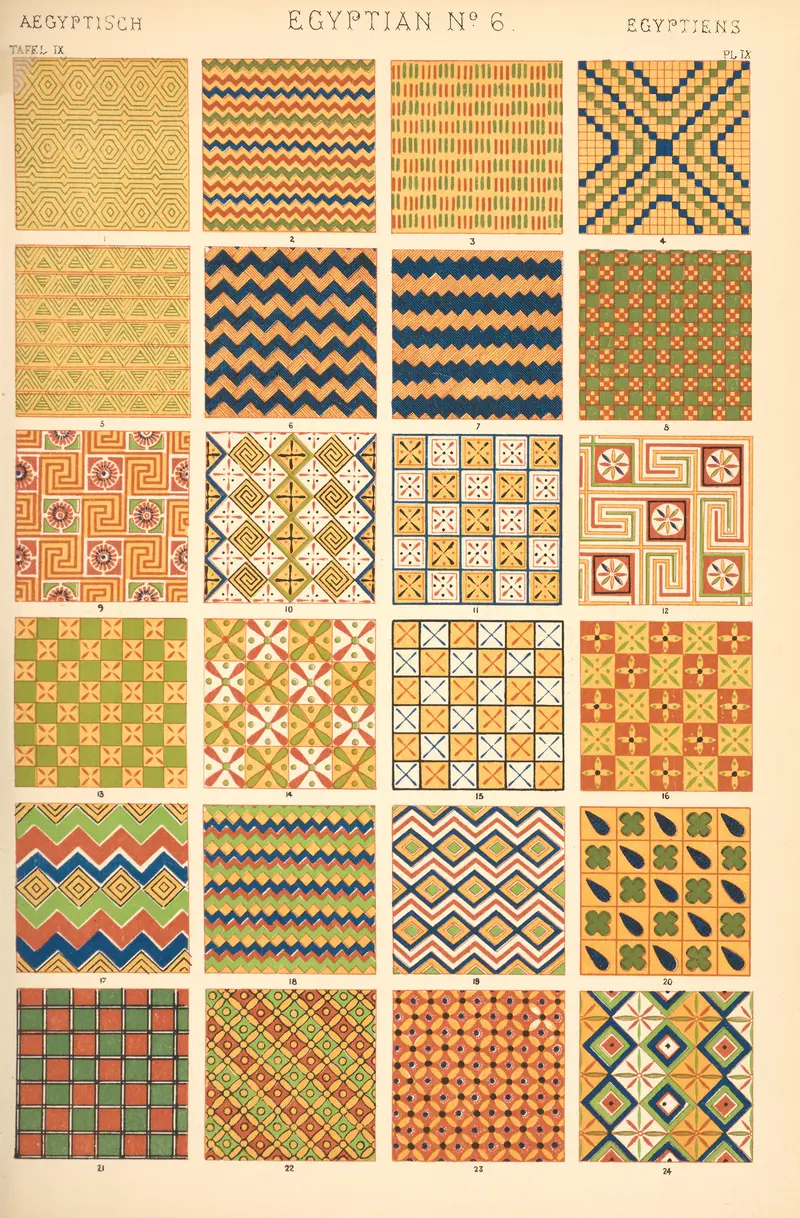
Egyptian Ornament No. 6
Owen Jones
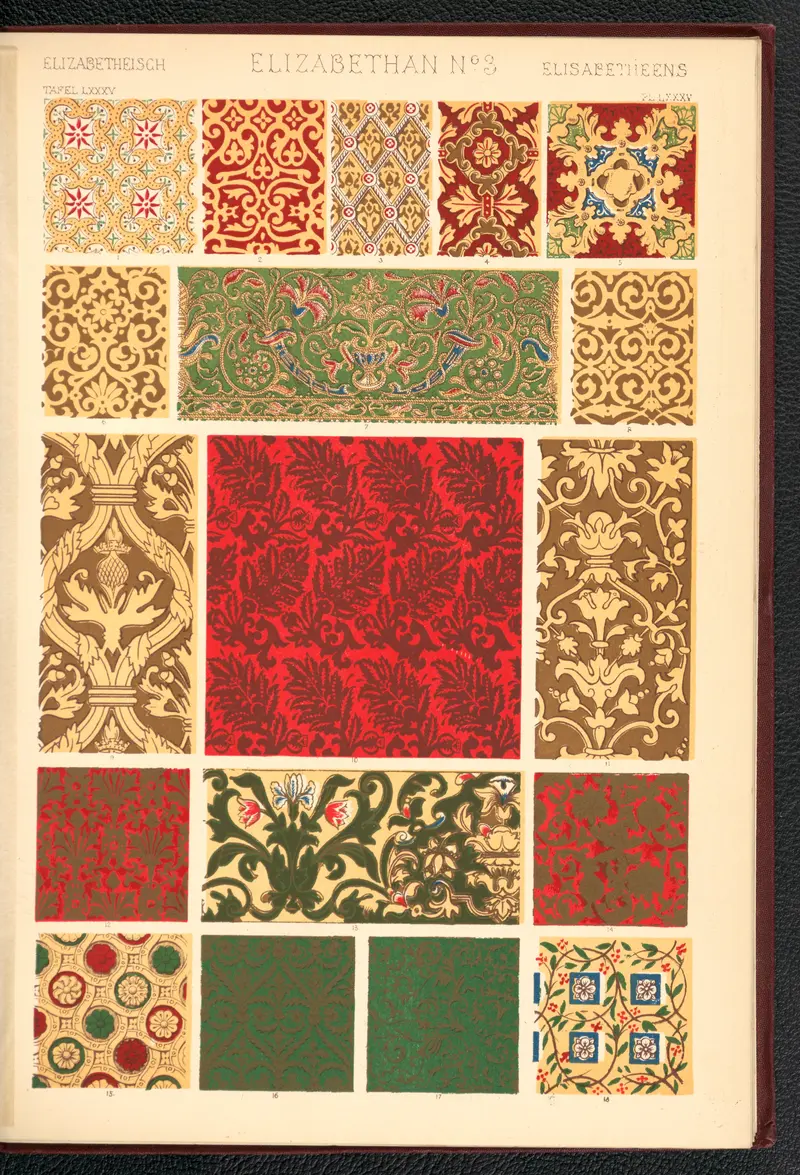
Elizabethan Ornament No. 3
Owen Jones
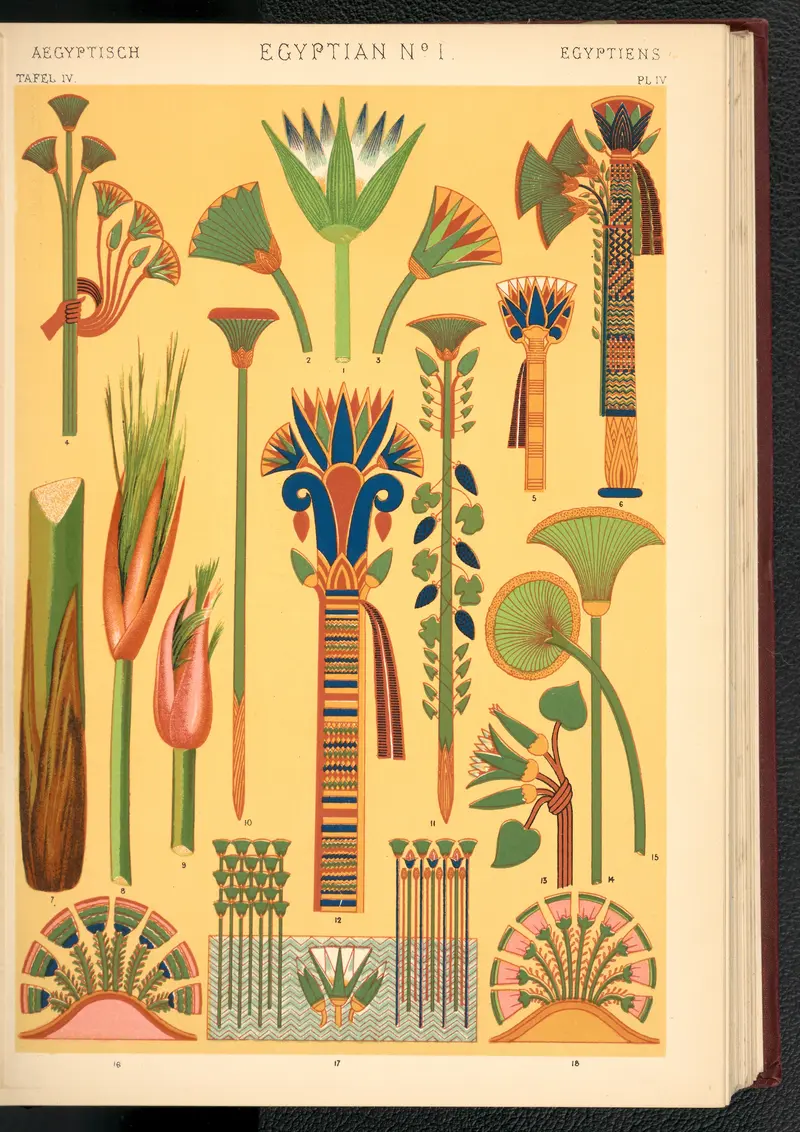
Egyptian Ornament No. 1
Owen Jones
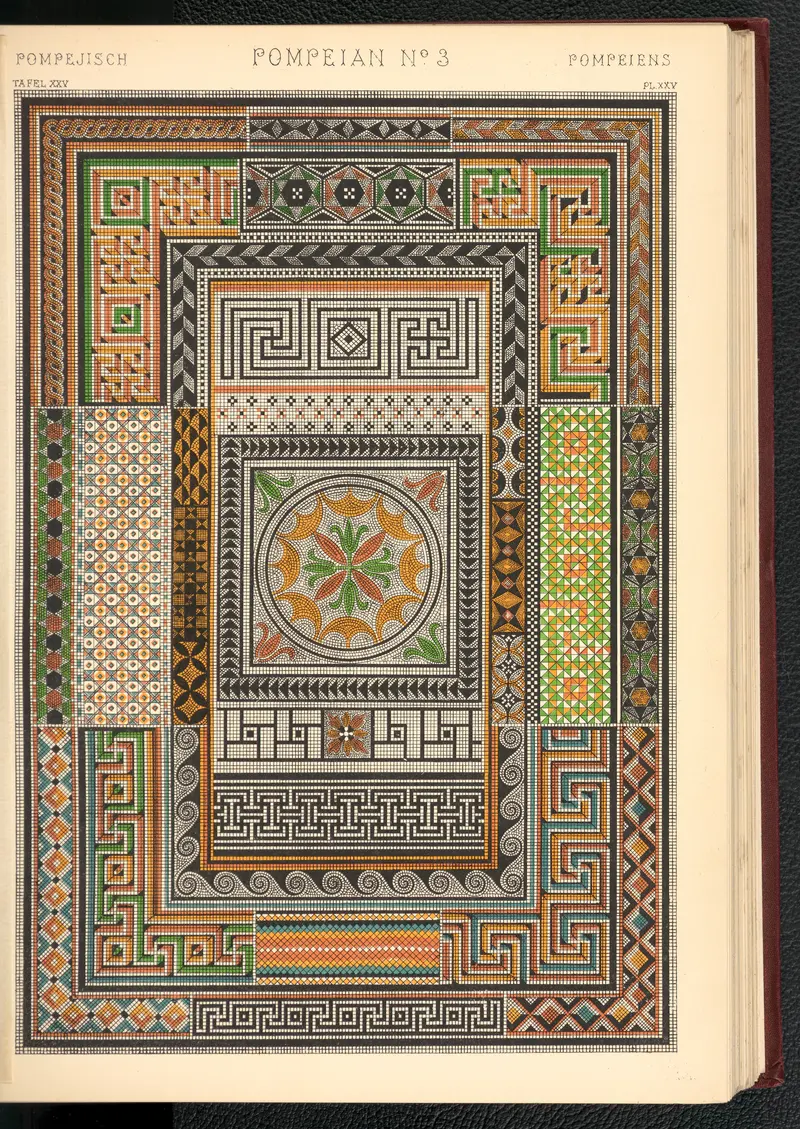
Pompeian Ornament No. 3
Owen Jones