
Pope Innocent X (1574–1655) — History & Facts
A man in a crimson cap and voluminous robe sits against a dark, undefined background. The sitter’s expression is stern and alert, with tightly pressed lips and a hint of tension in the jaw. Light falls from the upper left, illuminating the right side of his face and the folds of his robe, while casting the left side into gentle shadow.
The white collar stands out crisply against the deep red of the garment, its edges rendered with swift, textured brushwork. The robe itself is painted with loose, visible strokes that suggest the sheen and weight of the fabric, especially across the shoulders and chest. The background is a flat, dark greenish-brown, with no objects or architectural details to distract from the figure.
The composition is tightly focused on the sitter’s upper body, with his head and shoulders filling most of the frame and his hands not visible. Small details, such as the subtle gray in the beard and the delicate modeling of the ear, reveal the artist’s close observation. The lower corners of the painting reveal broad, sweeping brushstrokes that blend the crimson garment into the shadowy background with little distinct edge.
The sitter’s left ear, partially visible, is rendered with a soft pinkish tone and subtle highlights, standing out against the dark backdrop. A faint highlight runs along the upper edge of the cap, suggesting its slightly crumpled texture and catching the light from above. The background color transitions subtly from a deeper greenish-brown at the top left to a slightly warmer, lighter tone near the lower right edge.
The collar’s shadow falls onto the neck, creating a cool, bluish-gray contrast against the warmer flesh tones of the face and the red of the robe. Diego Velázquez painted this work in the 1650s, during the later years of his career. Velázquez’s handling of paint is especially evident in the energetic brushwork of the robe and the subtle transitions of tone in the sitter’s face. The restrained palette, dominated by reds, whites, and muted greens, focuses attention on the psychological presence of the sitter rather than on decorative detail.
Sources: Apsley House, record WM.1590-1948 · Wikidata Q118895689 · Image source (Wikimedia Commons)
More Artworks by Diego Velázquez

Las Meninas
Diego Velázquez
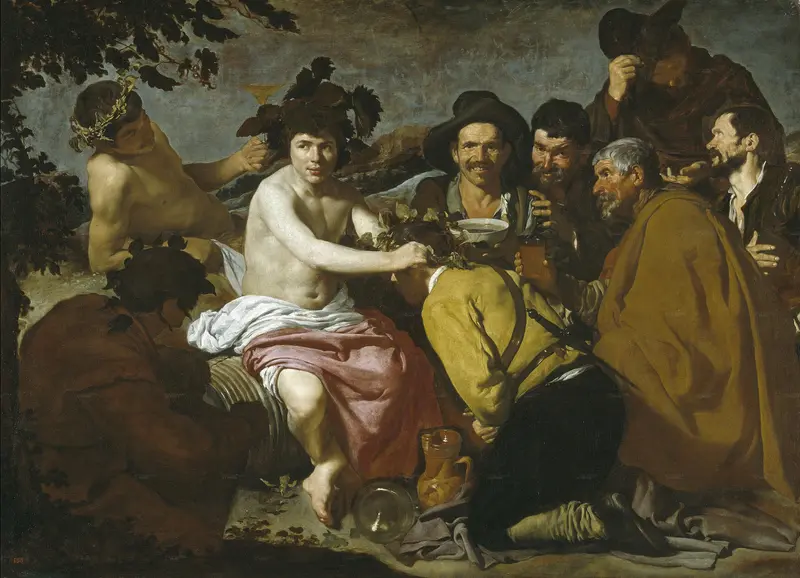
The Triumph of Bacchus
Diego Velázquez
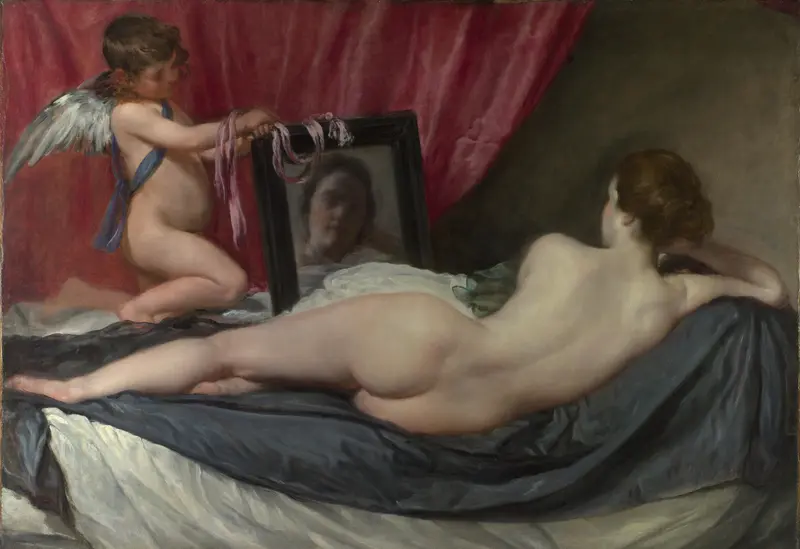
Rokeby Venus
Diego Velázquez
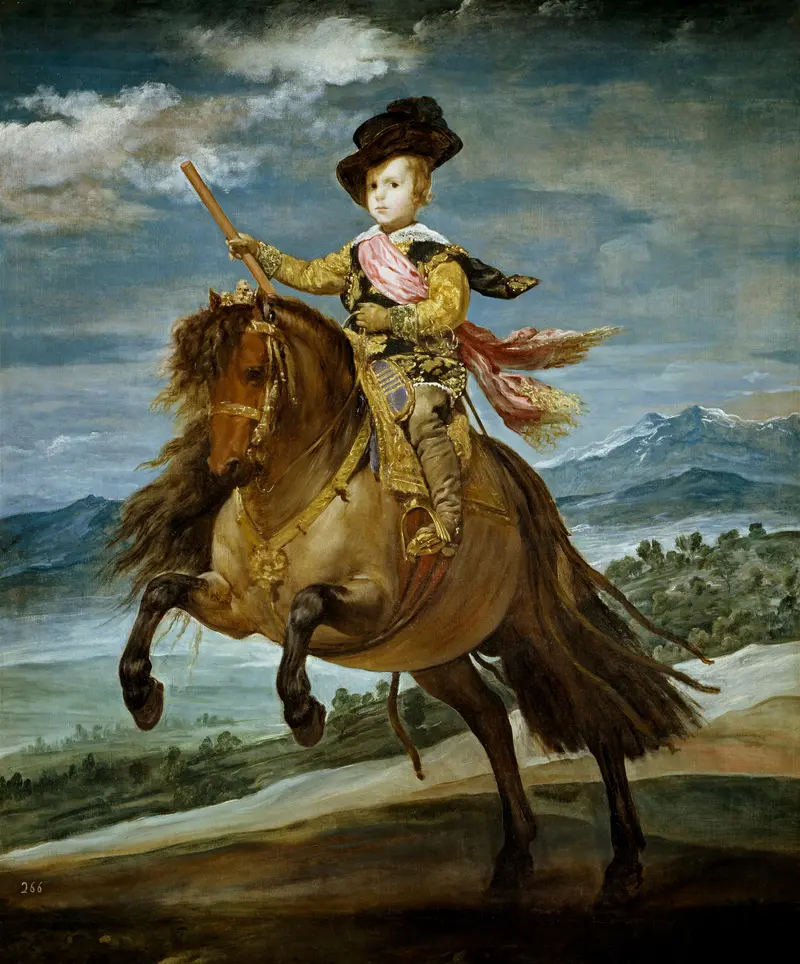
Equestrian Portrait of Prince Balthasar Charles
Diego Velázquez
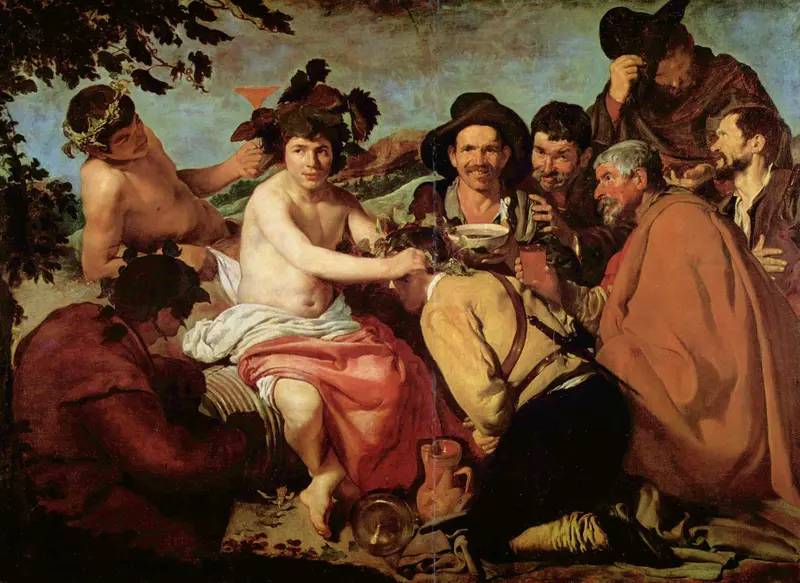
Bacchus
Diego Velázquez
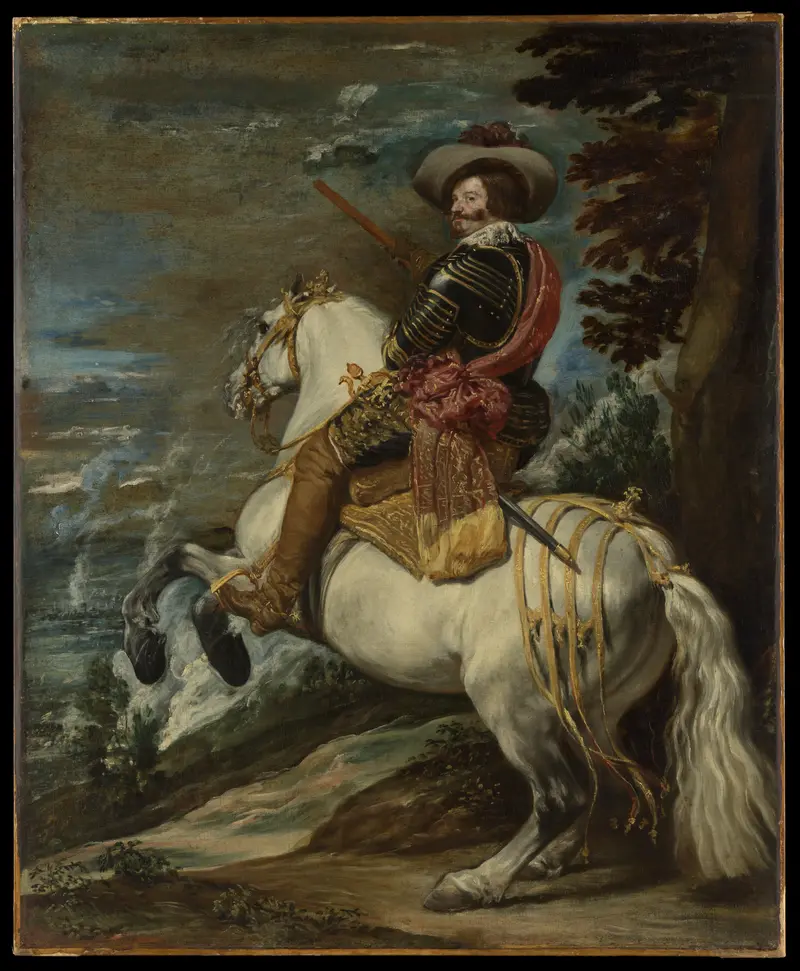
Don Gaspar de Guzmán (1587–1645), Count-Duke of Olivares
Diego Velázquez
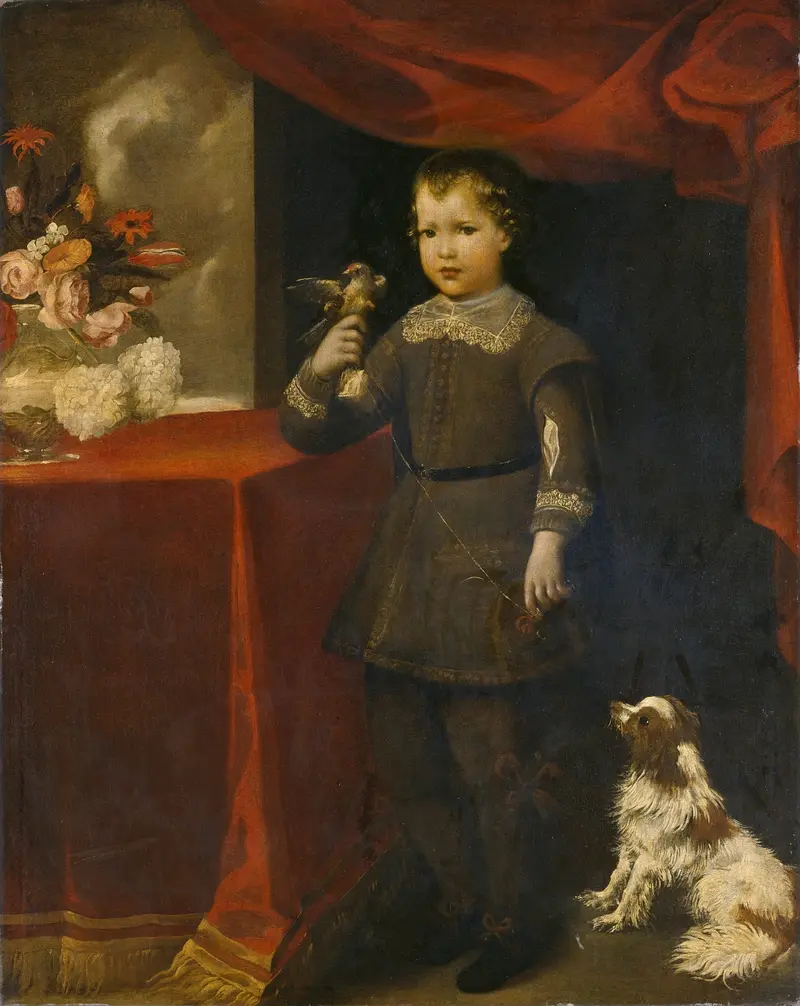
El príncipe Baltasar Carlos de Austria
Diego Velázquez
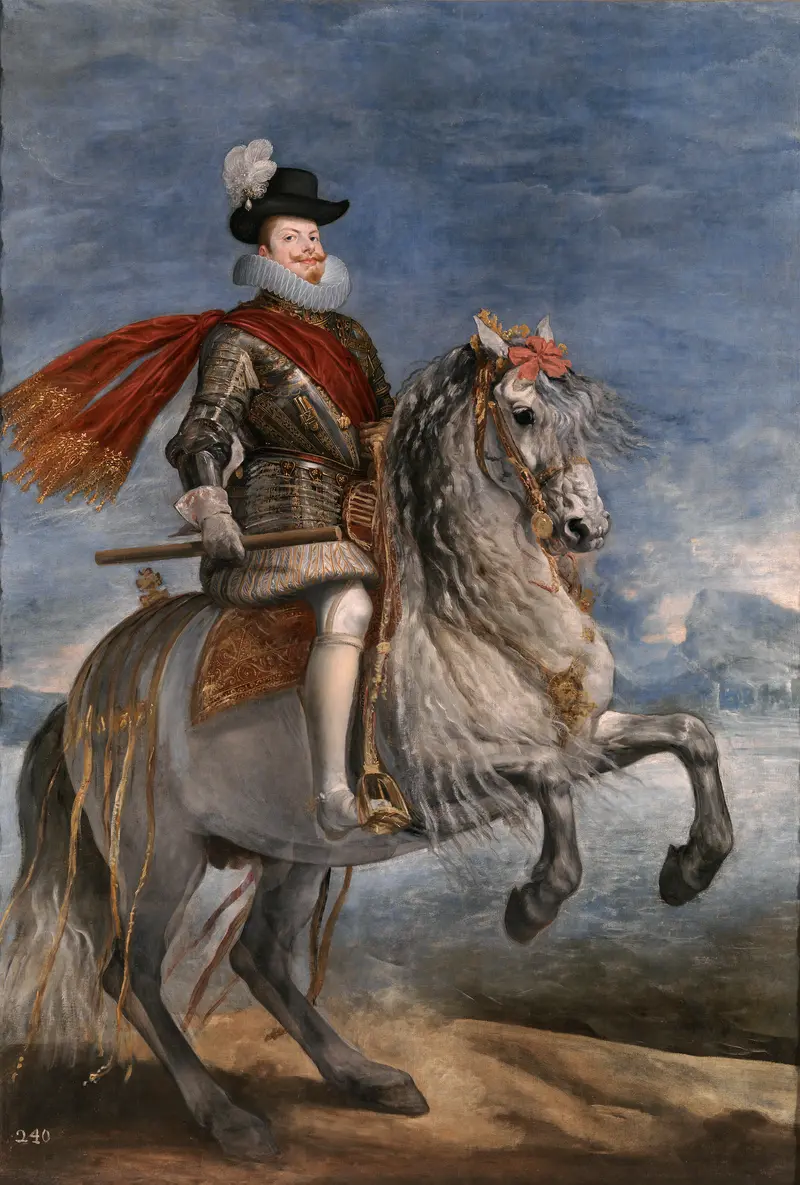
Equestrian Portrait of Philip III
Diego Velázquez
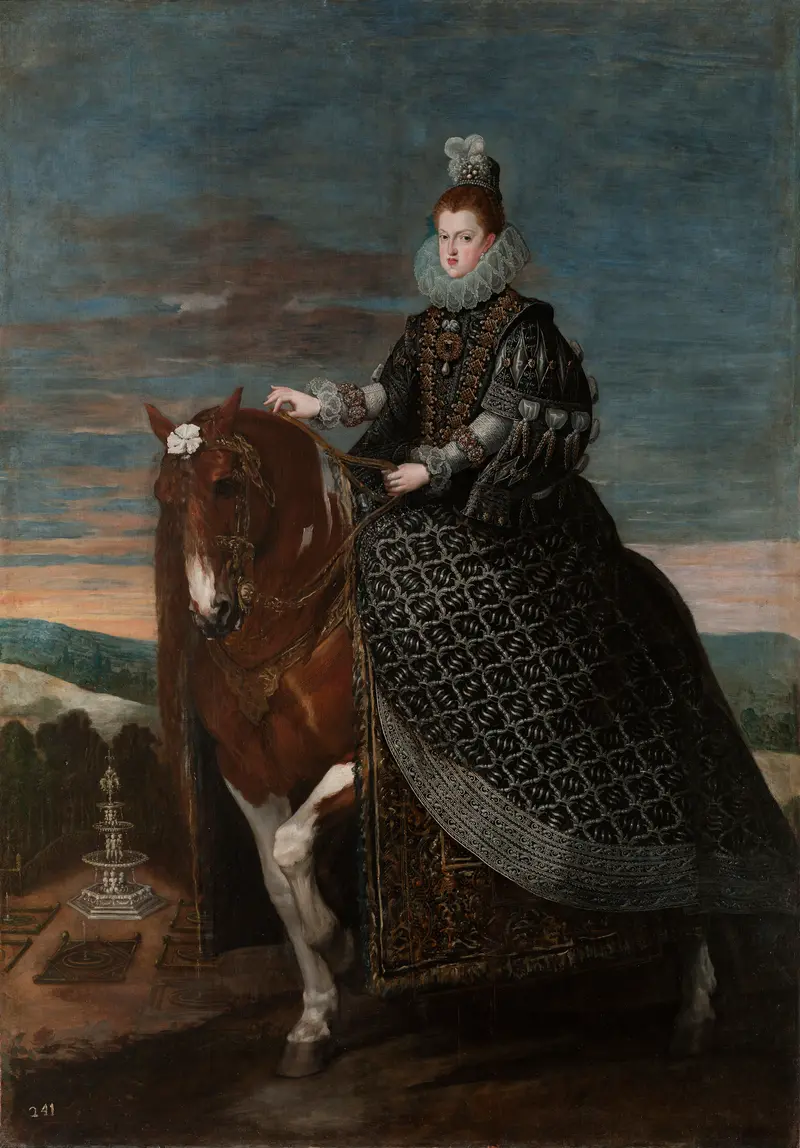
Equestrian Portrait of Margarita of Austria
Diego Velázquez
Las Hilanderas
Diego Velázquez




