
Portrait of a young woman — History & Facts
No one knows for certain who posed for Portrait of a young woman, painted by Raphael in 1519, but for centuries, her identity has been the subject of passionate debate. Some have claimed she was La Fornarina, the baker’s daughter and rumored muse of the artist; others believe she was a noblewoman of Rome, immortalized just months before Raphael’s untimely death. The painting’s authorship itself was once questioned, but careful study of the brushwork and composition has since confirmed it as one of the final works from Raphael’s own hand—a haunting farewell from the artist at the height of his powers. The young woman meets the viewer’s gaze with a calm self-possession, her dark eyes framed by delicate shadows and her lips caught in a faint, enigmatic smile.
Her attire is rich but understated: a velvet sleeve, a translucent veil, a simple gold chain that glimmers at her throat. Each element is rendered with the meticulous care typical of Raphael’s late portraits, where psychological presence takes precedence over ornament. The gentle modeling of her face, bathed in soft light, recalls Leonardo da Vinci’s Mona Lisa, yet Raphael’s sitter appears more open, less guarded, her personality shining through the painter’s subtle handling of flesh and fabric. The painting’s early history is obscure, with no surviving records of its first owner or commission.
By the eighteenth century, it had entered the collection of the Borghese family in Rome, where it was admired as a prime example of Raphael’s portraiture. Over time, the work passed through various hands and was subject to restoration and scholarly scrutiny, particularly regarding its attribution. Today, Portrait of a young woman stands as a testament to Raphael’s enduring fascination with the human soul, and is recognized as one of the last and most intimate achievements of the High Renaissance.
More Artworks by Raphael

Madonna of the Goldfinch
Raphael

Madonna with the Fish
Raphael
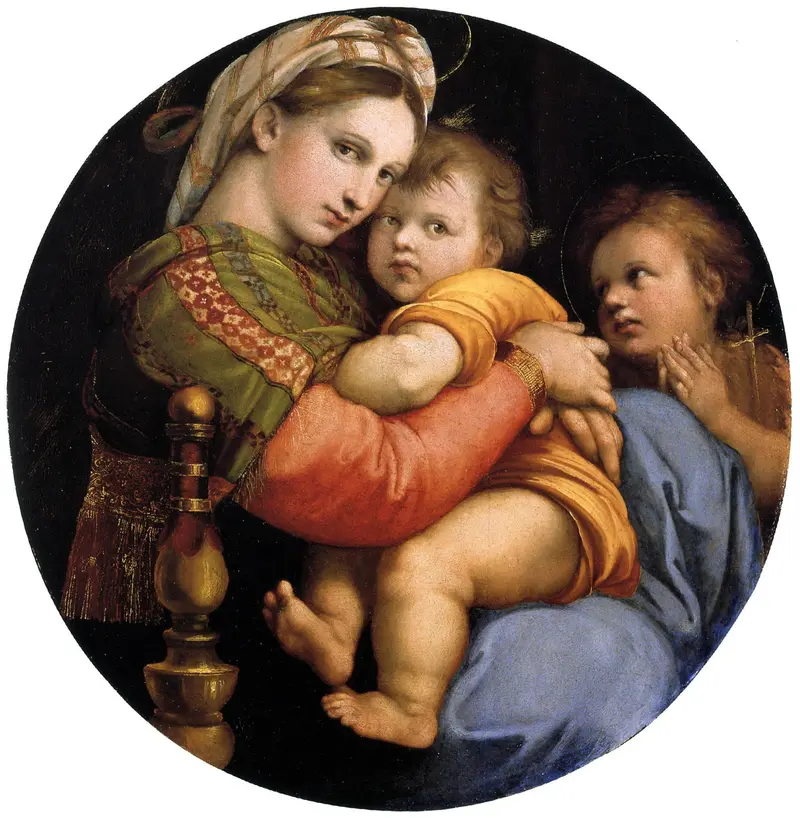
Madonna and Child (Madonna della Seggiola)
Raphael
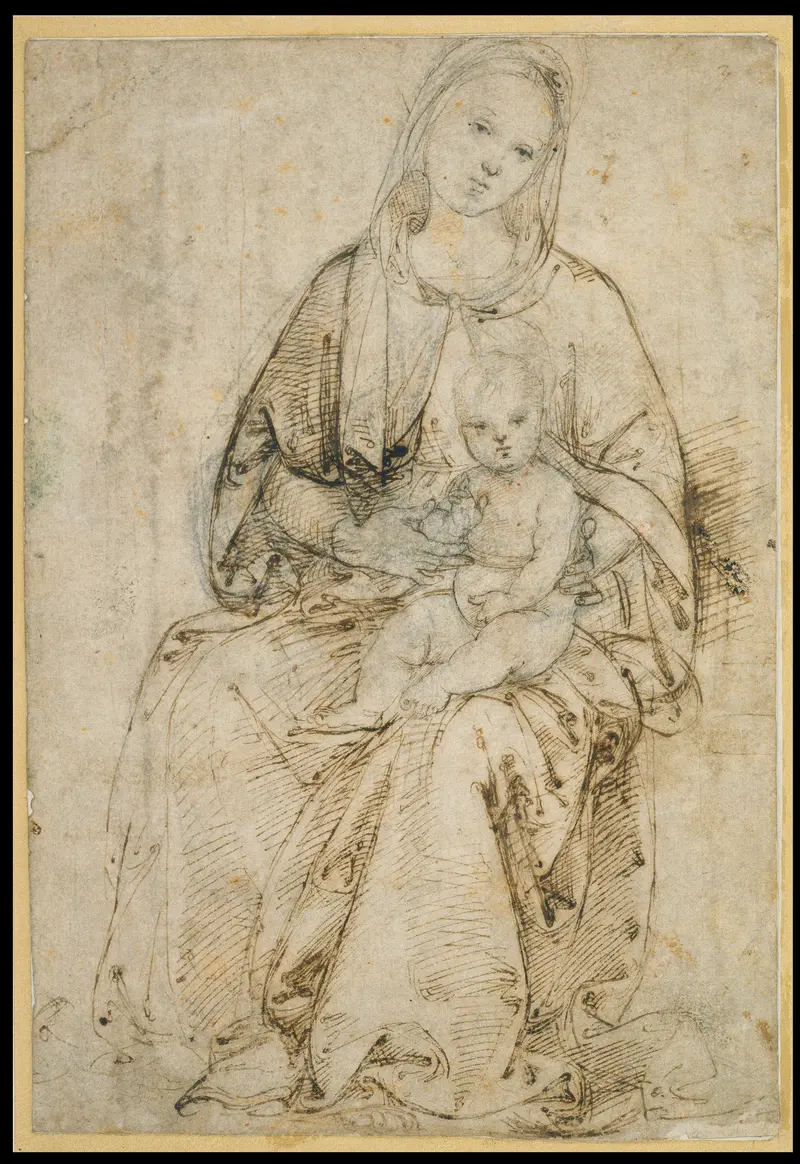
Seated Madonna and Child
Raphael
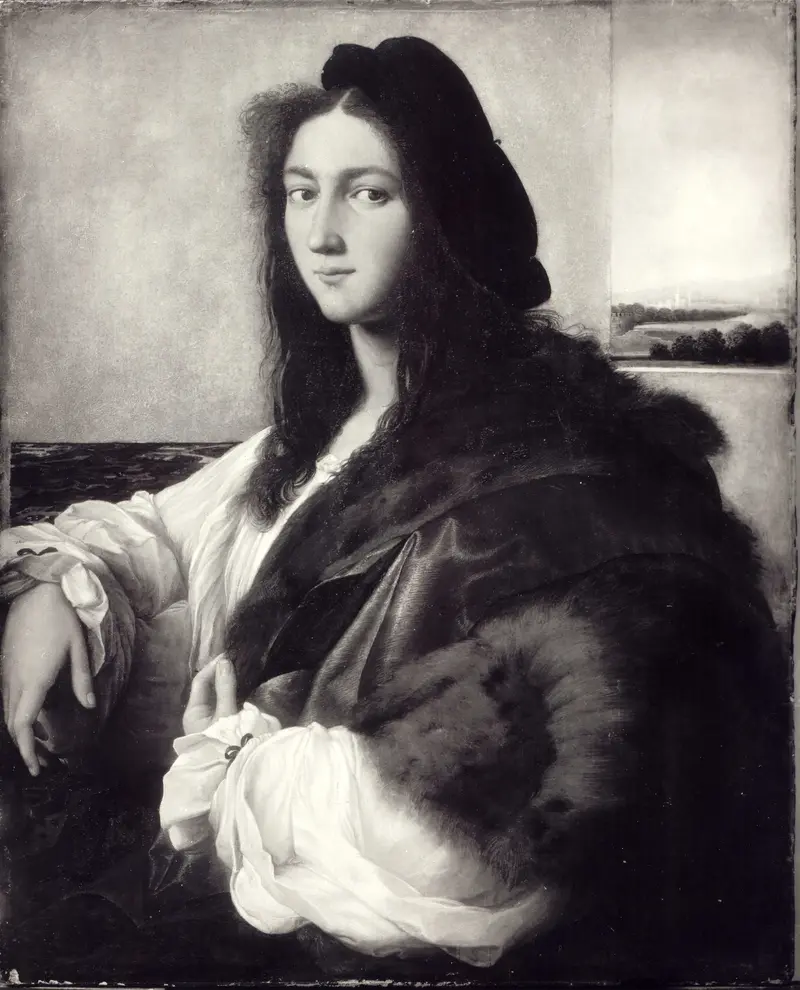
Portrait of a Young Man
Raphael
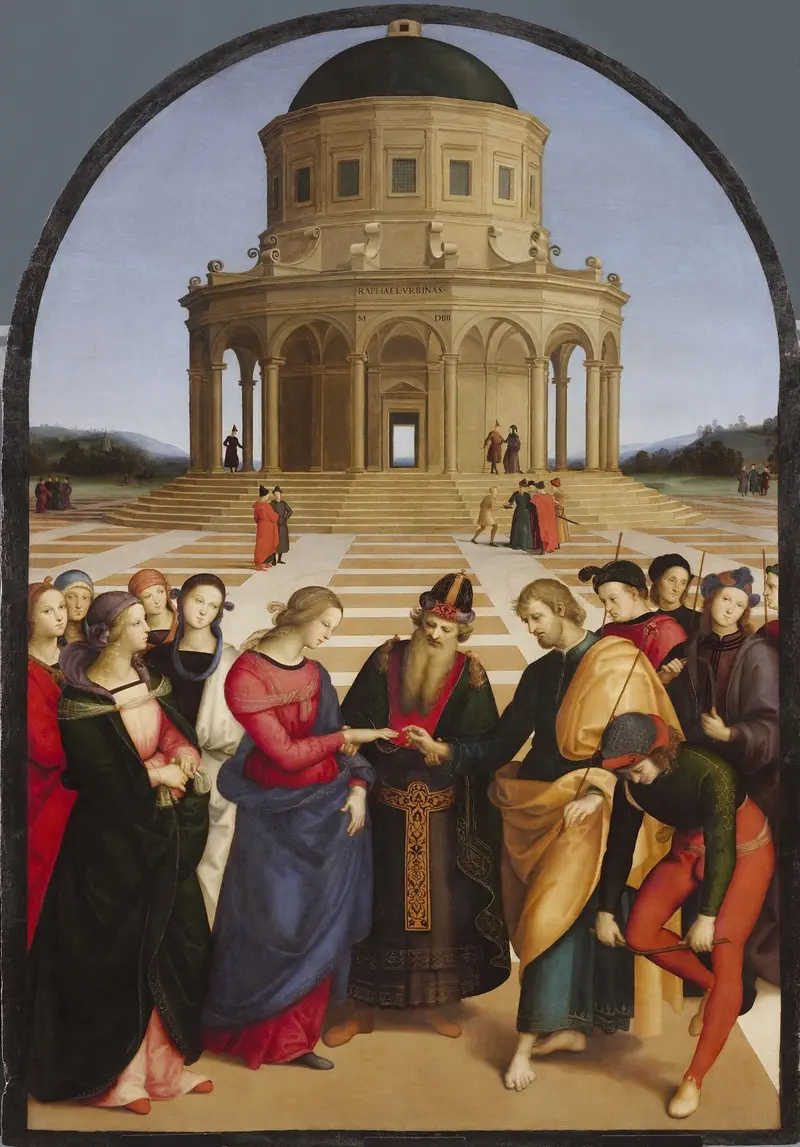
The Marriage of the Virgin
Raphael
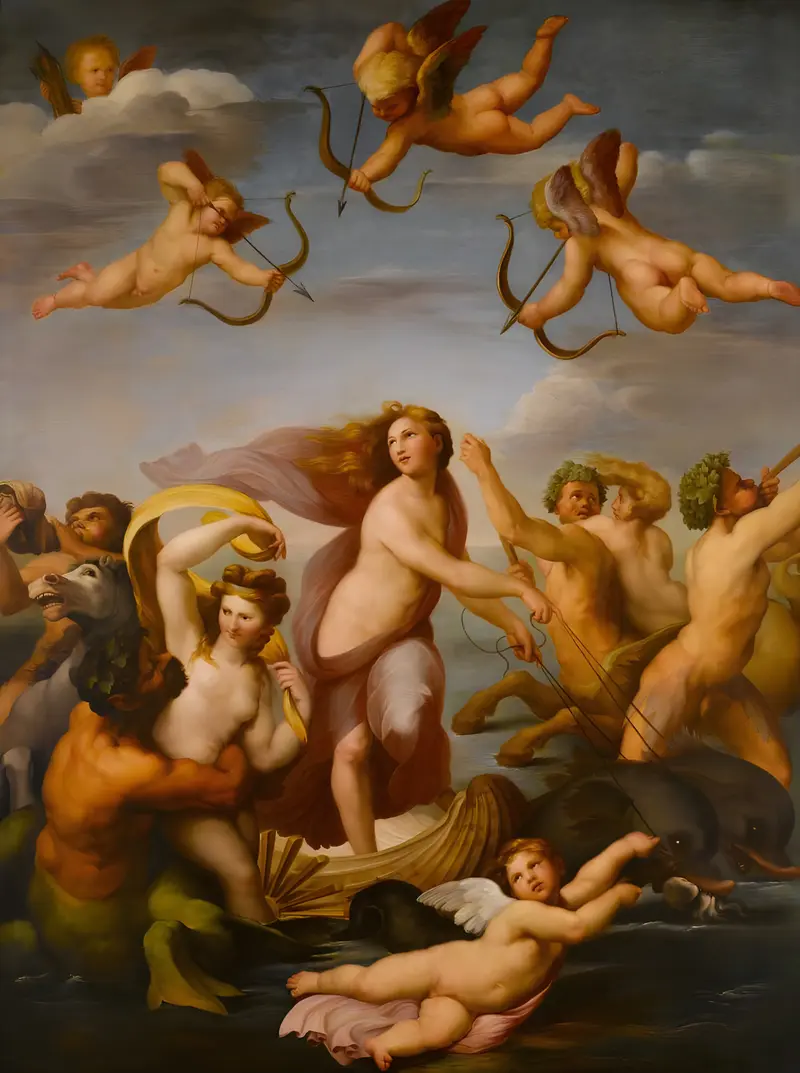
The Triumph of Galatea (copy after Raphael)
Raphael
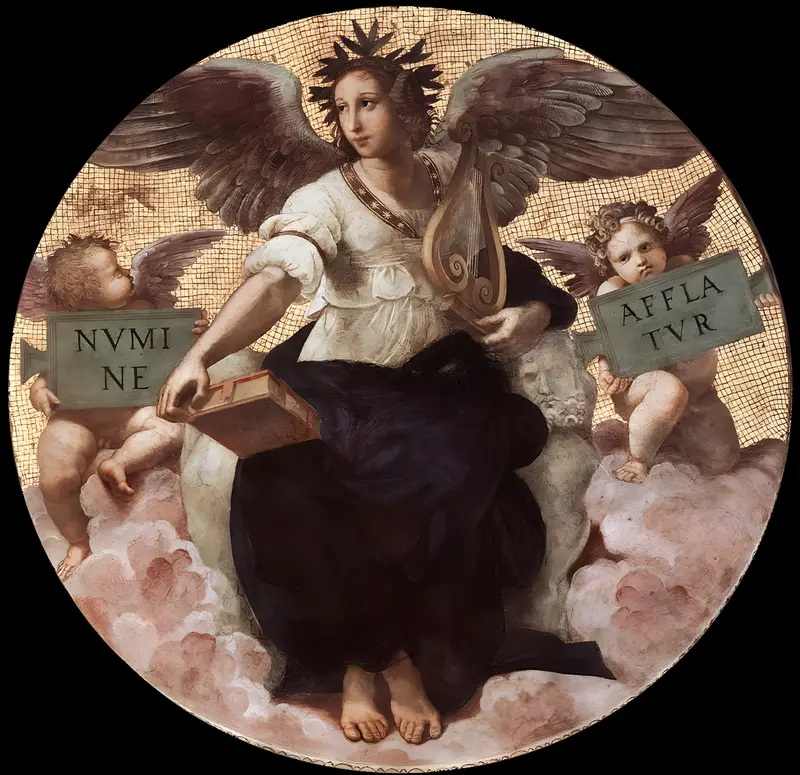
Poetry
Raphael
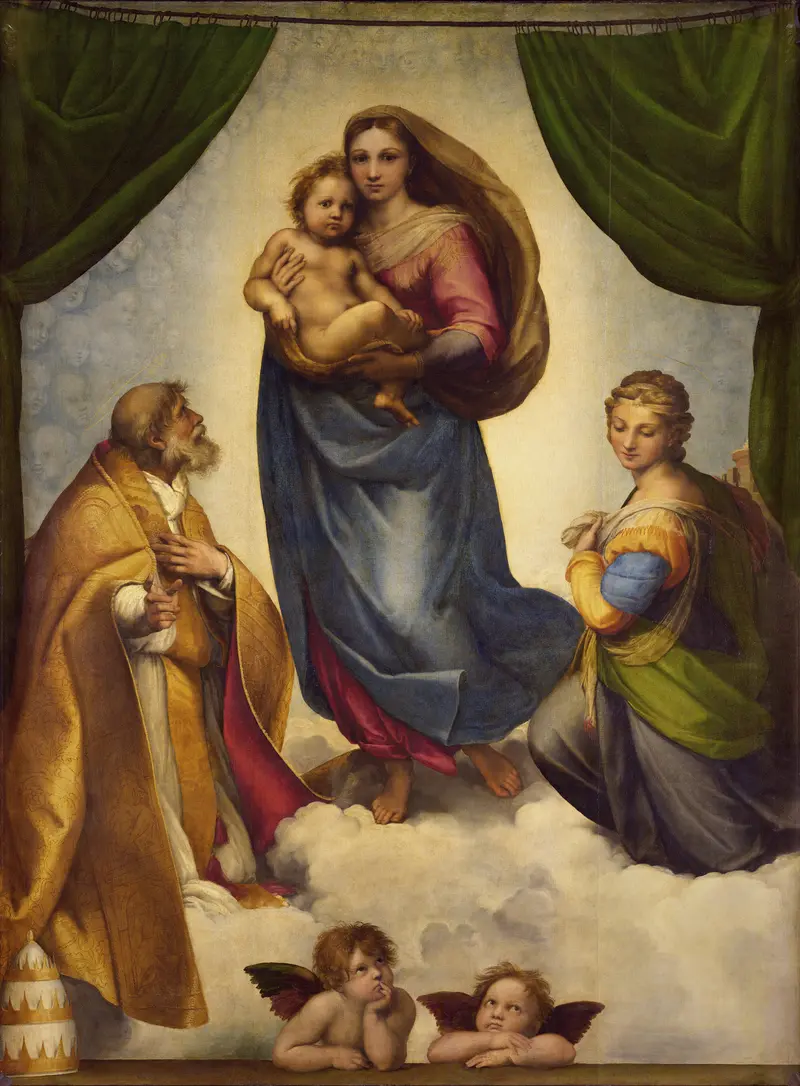
Sistine Madonna
Raphael
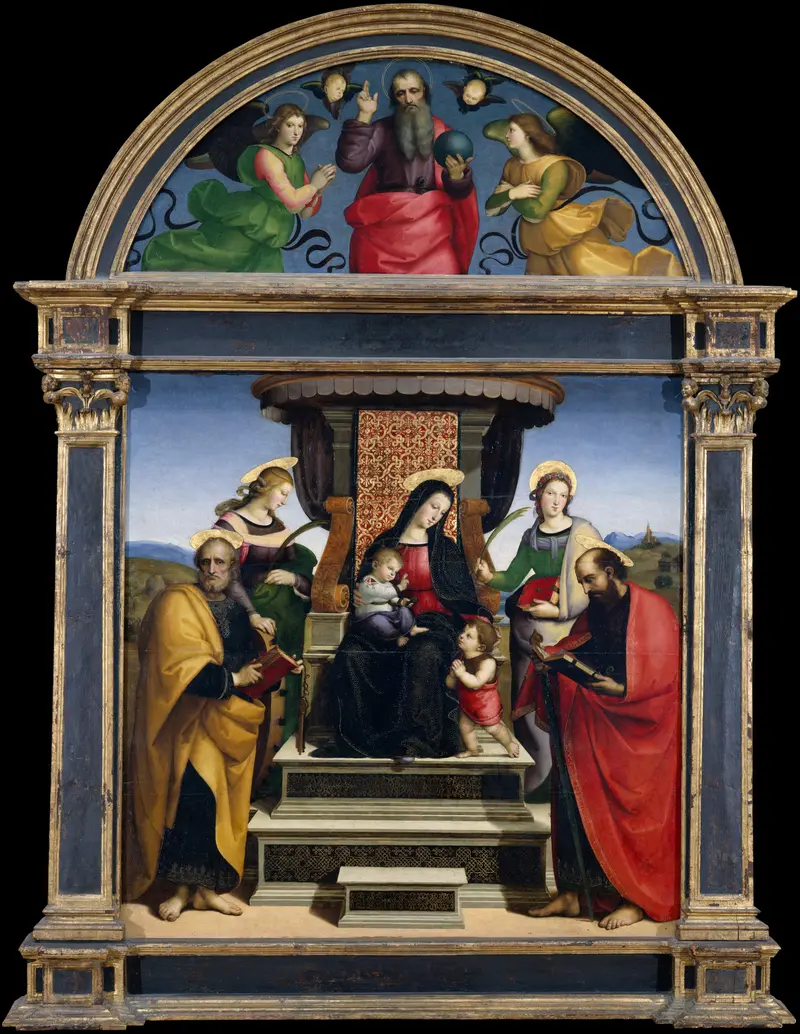
Madonna and Child Enthroned with Saints
Raphael





