
Portrait of Doña Isabel de Requesens y Enríquez de Cardona-Anglesola — History & Facts
Few portraits of the Renaissance have sparked as much intrigue as Portrait of Doña Isabel de Requesens y Enríquez de Cardona-Anglesola. Commissioned in 1518 by Cardinal Bibbiena for Francis I of France, the painting was intended as a diplomatic gift, but its authorship has long been debated. Though attributed to Raphael, many believe his pupil Giulio Romano executed much of the work, following Raphael’s design.
The sitter’s identity, too, was uncertain for centuries—once thought to be Giovanna d’Aragona, she is now widely accepted as Doña Isabel, the viceroy’s wife. This air of mystery, both in brush and biography, has made the portrait a touchstone for scholars of Renaissance court life. Doña Isabel sits turned toward the viewer, her body angled, her gaze direct yet reserved. The painter captures her in a moment of poised stillness, her right hand delicately resting atop the arm of her chair, her left gently holding a fan—an emblem of status and refinement.
The sumptuous velvet and fur of her gown, along with the intricate gold chain at her neck, signal her high rank in Neapolitan society. The subtle play of light across her face and hands draws attention to her presence and individuality, a technique reminiscent of Leonardo da Vinci’s Mona Lisa, yet with a more formal, courtly distance. The architectural backdrop, with its open loggia, hints at both her noble world and the painter’s Roman influences. After its creation, Portrait of Doña Isabel de Requesens y Enríquez de Cardona-Anglesola traveled from Rome to France, entering the royal collection at Fontainebleau.
Over the centuries, the painting’s attribution shifted between Raphael and his workshop, reflecting the collaborative nature of large Renaissance studios. It was later acquired by the Museo del Prado, where it now hangs as a highlight of their Renaissance galleries. The portrait stands as a testament to the complex interplay of art, politics, and identity in early sixteenth-century Europe, and marks a period when Raphael’s influence was at its height, even as his own hand may have been less present than once believed.
More Artworks by Raphael

Madonna of the Goldfinch
Raphael

Madonna with the Fish
Raphael
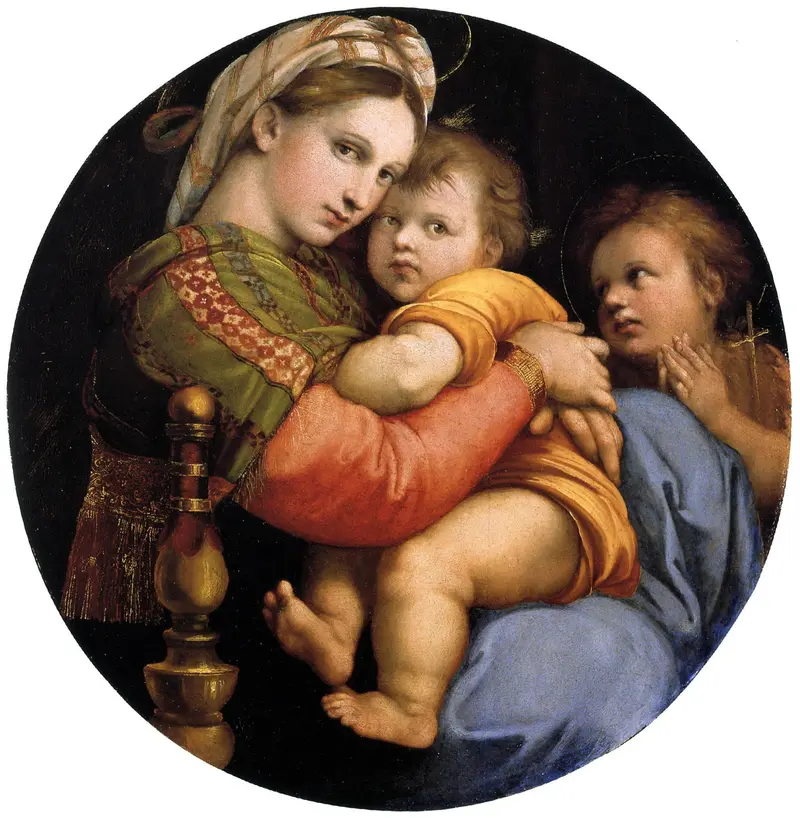
Madonna and Child (Madonna della Seggiola)
Raphael
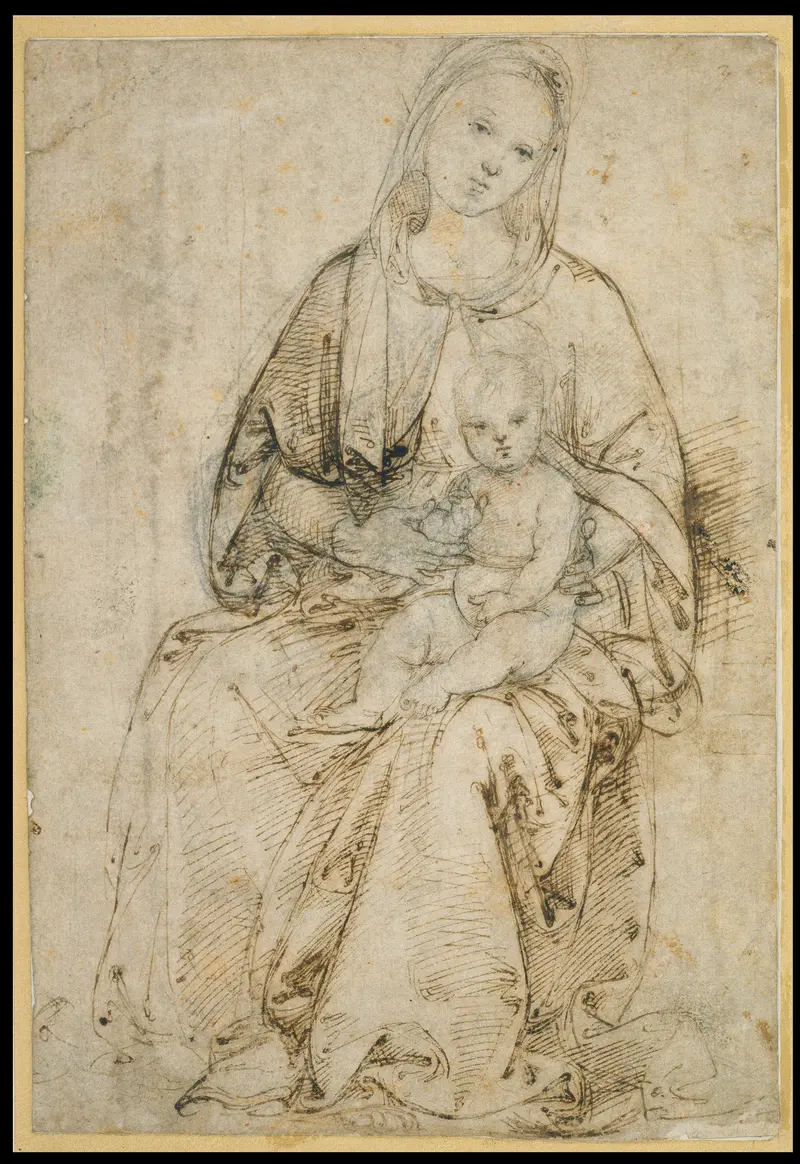
Seated Madonna and Child
Raphael
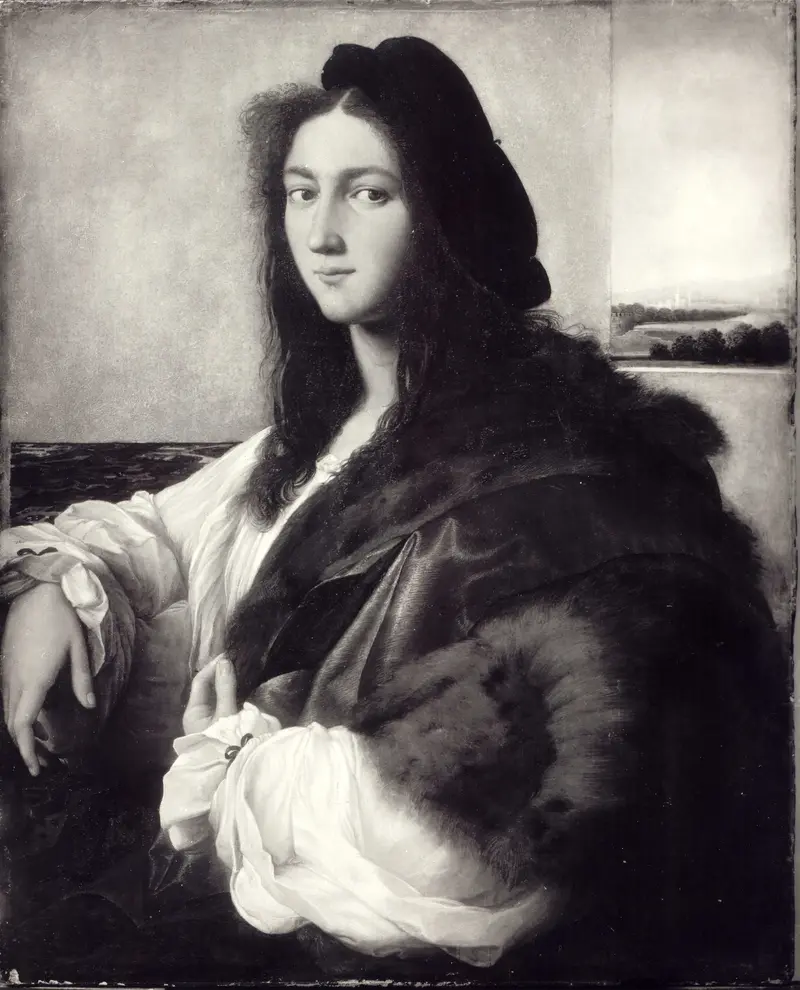
Portrait of a Young Man
Raphael
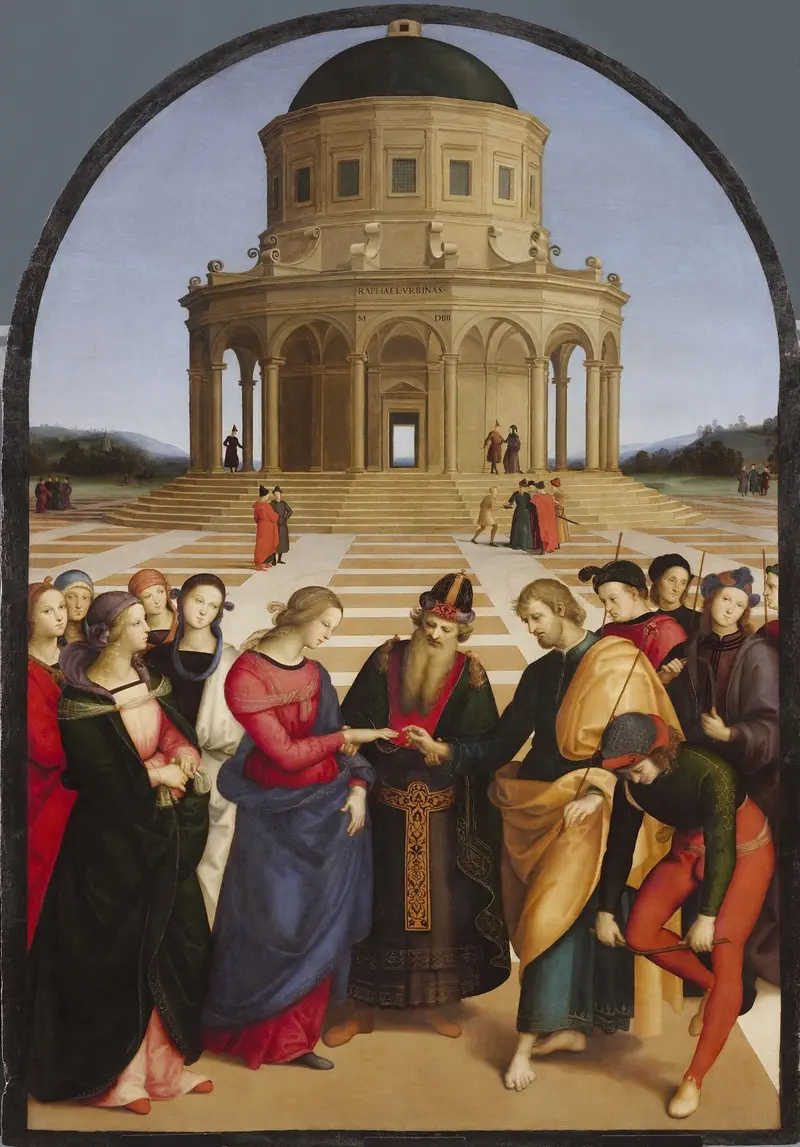
The Marriage of the Virgin
Raphael
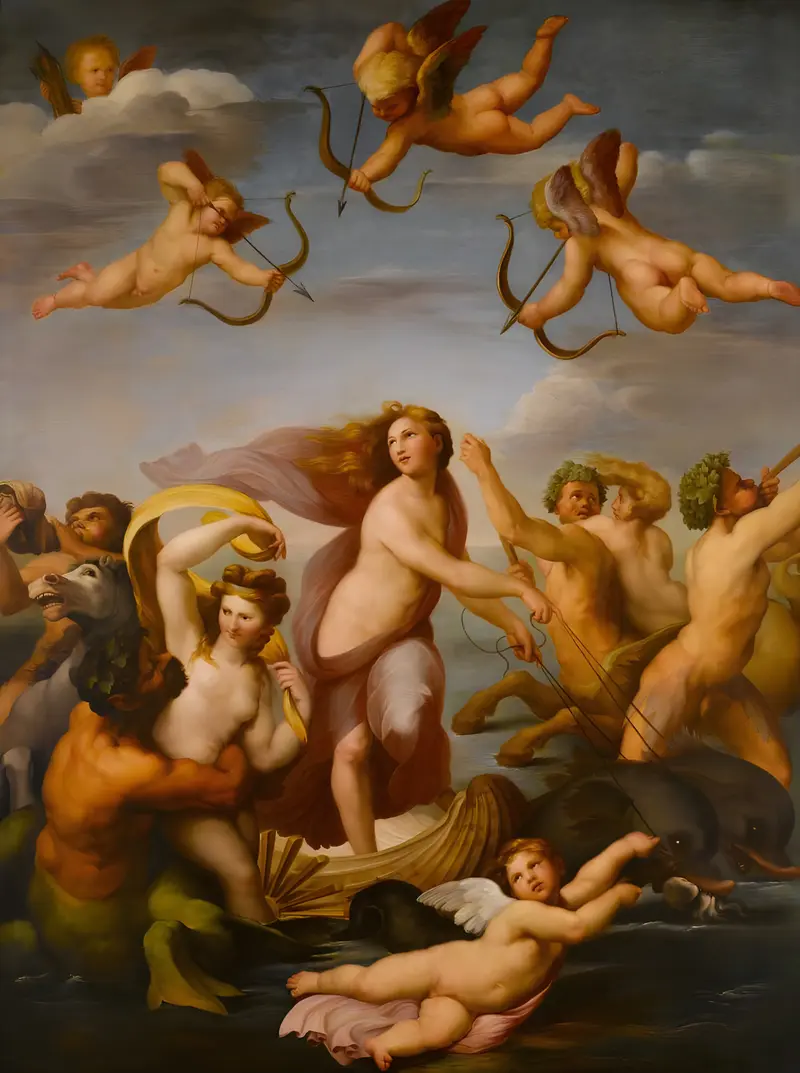
The Triumph of Galatea (copy after Raphael)
Raphael
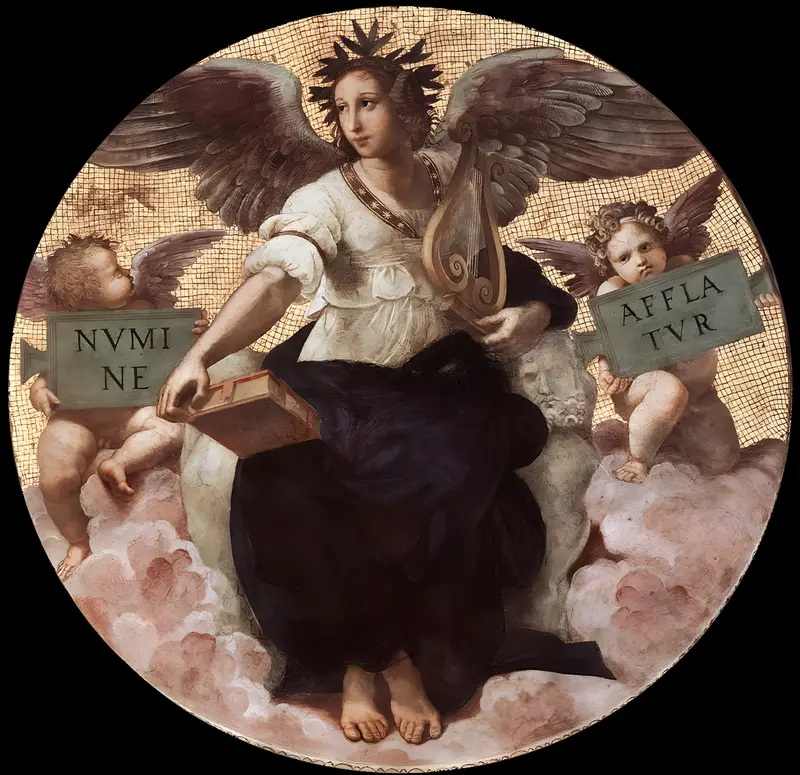
Poetry
Raphael
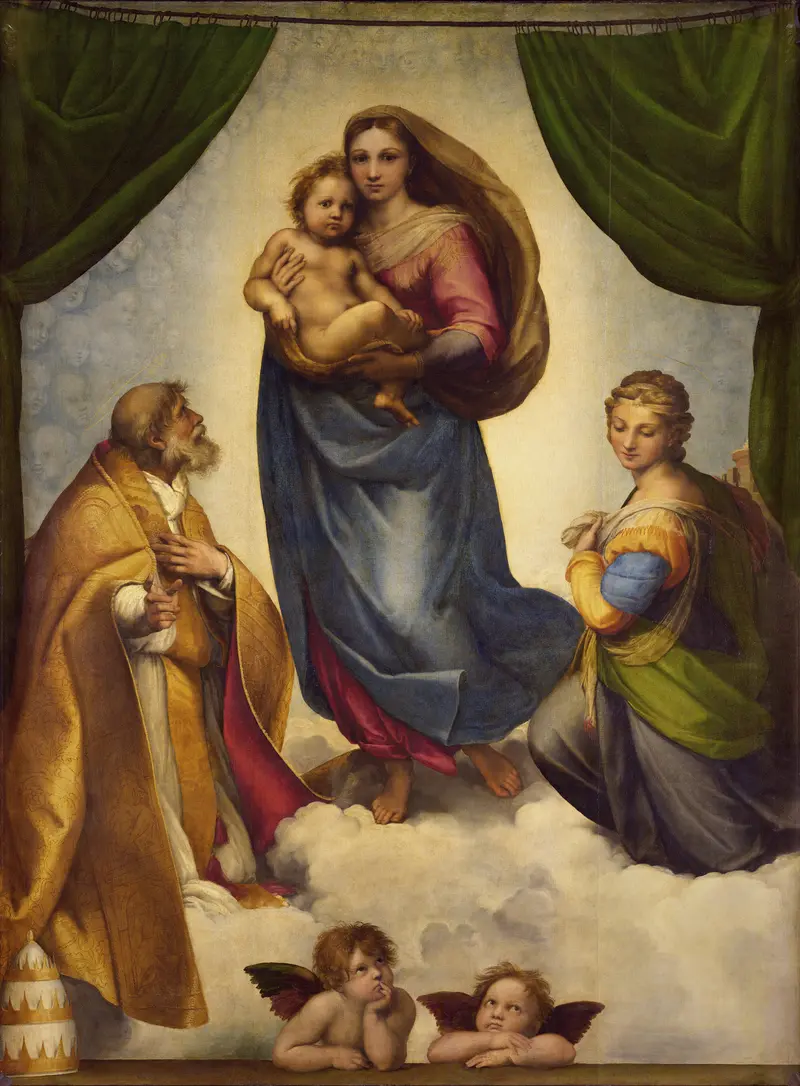
Sistine Madonna
Raphael
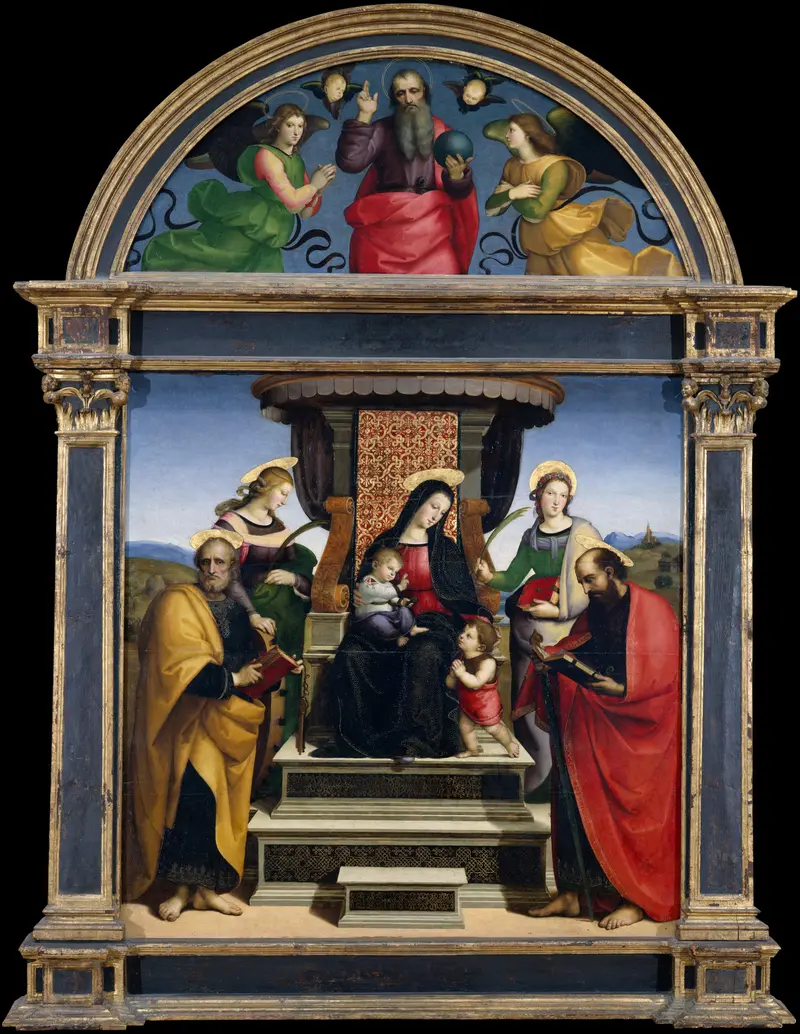
Madonna and Child Enthroned with Saints
Raphael





