
Portrait of Elisabetta Gonzaga — History & Facts
No one who gazes at Portrait of Elisabetta Gonzaga can ignore the sitter’s extraordinary headdress—a black balzo, shaped like a crescent moon, that became so associated with Elisabetta herself that it set a fashion across Renaissance Italy. Painted by Raphael around 1504, the portrait captures the Duchess of Urbino, a woman renowned in her own time for her intellect and her role as a patron of the arts. The painting’s authorship was once debated, but most scholars now agree it is an early work by Raphael, created during his formative years in Florence.
The sitter’s identity, however, was not confirmed until the 19th century, when comparison with medals and written descriptions settled the matter. Elisabetta sits upright, her gaze steady and reserved, hands folded with a string of pearls that speak to both wealth and chastity. Her elaborate costume—rich black velvet, gold embroidery, and that iconic balzo—signals her status at the sophisticated court of Urbino, a center of literature and learning. The cool detachment in her expression, combined with the precise rendering of her features, suggests not only her personal dignity but the careful balance of power and grace expected of a Renaissance duchess.
Unlike Leonardo da Vinci’s Mona Lisa, where the sitter’s smile invites the viewer in, Raphael holds us at a polite distance, emphasizing Elisabetta’s role as a public figure rather than a private individual. The painting’s early history is obscure, as is often the case with portraits of women from this period, but it was likely commissioned to commemorate Elisabetta’s status at court. Over centuries, it passed through various collections, at times misattributed or overshadowed by more famous works from Raphael’s later career. Today, Portrait of Elisabetta Gonzaga is recognized as a key example of Raphael’s portraiture, marking his transition from the influence of Perugino to the more psychologically complex figures of his Roman period.
It now hangs in the Galleria degli Uffizi in Florence, a testament to both the sitter’s legacy and the young artist’s growing mastery.
More Artworks by Raphael

Madonna of the Goldfinch
Raphael

Madonna with the Fish
Raphael
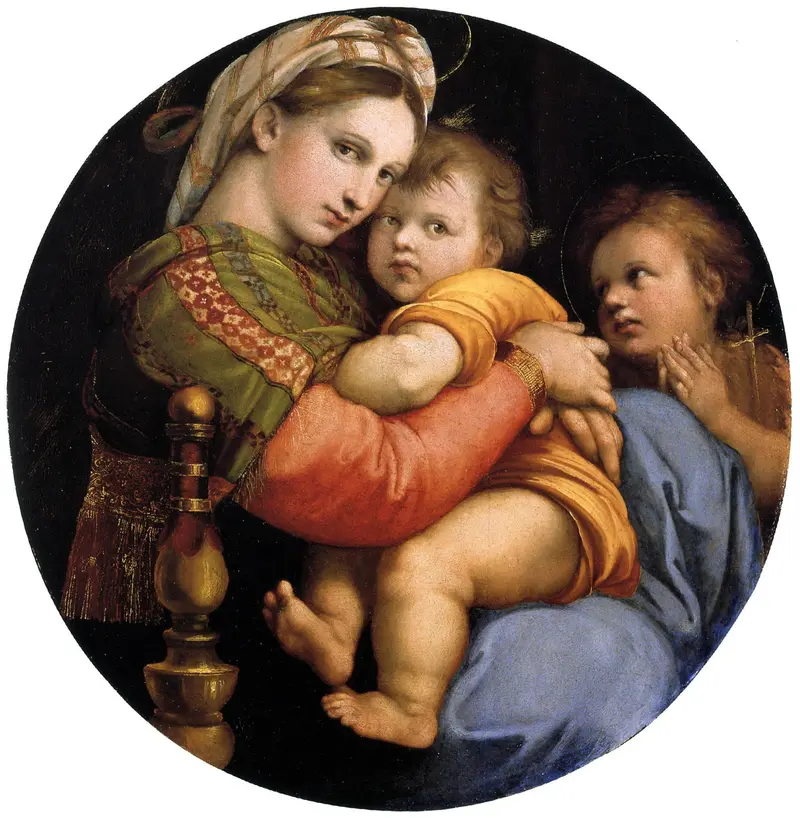
Madonna and Child (Madonna della Seggiola)
Raphael
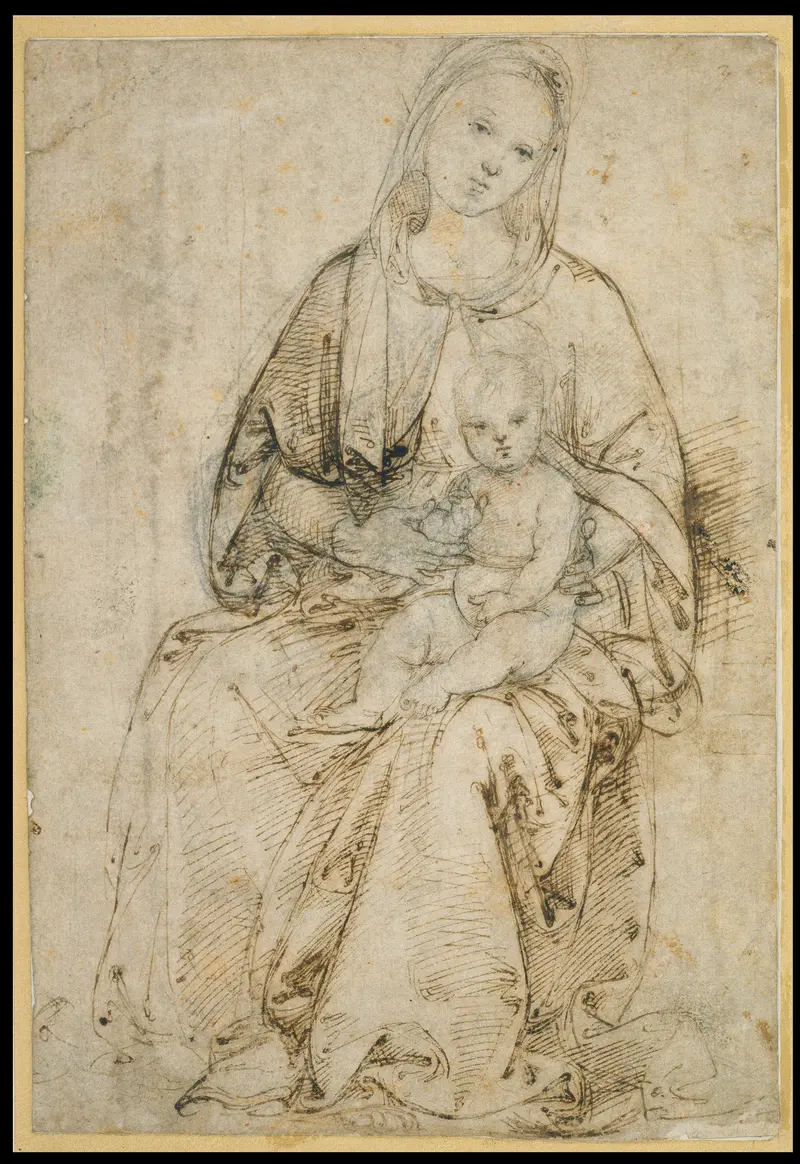
Seated Madonna and Child
Raphael
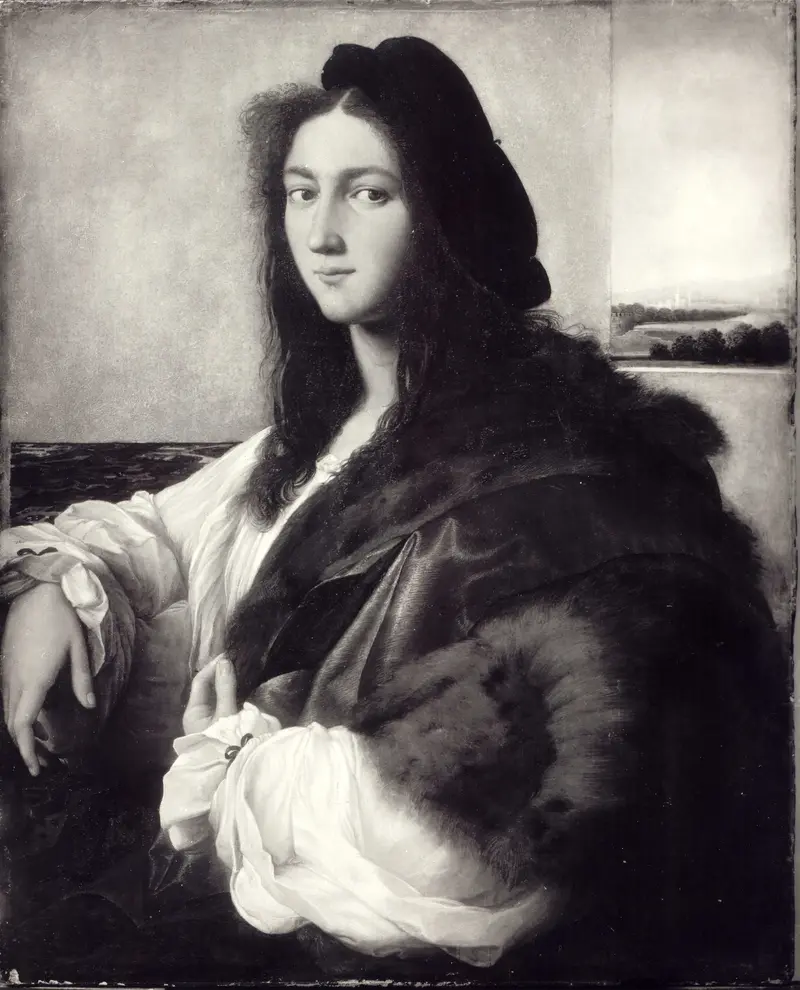
Portrait of a Young Man
Raphael
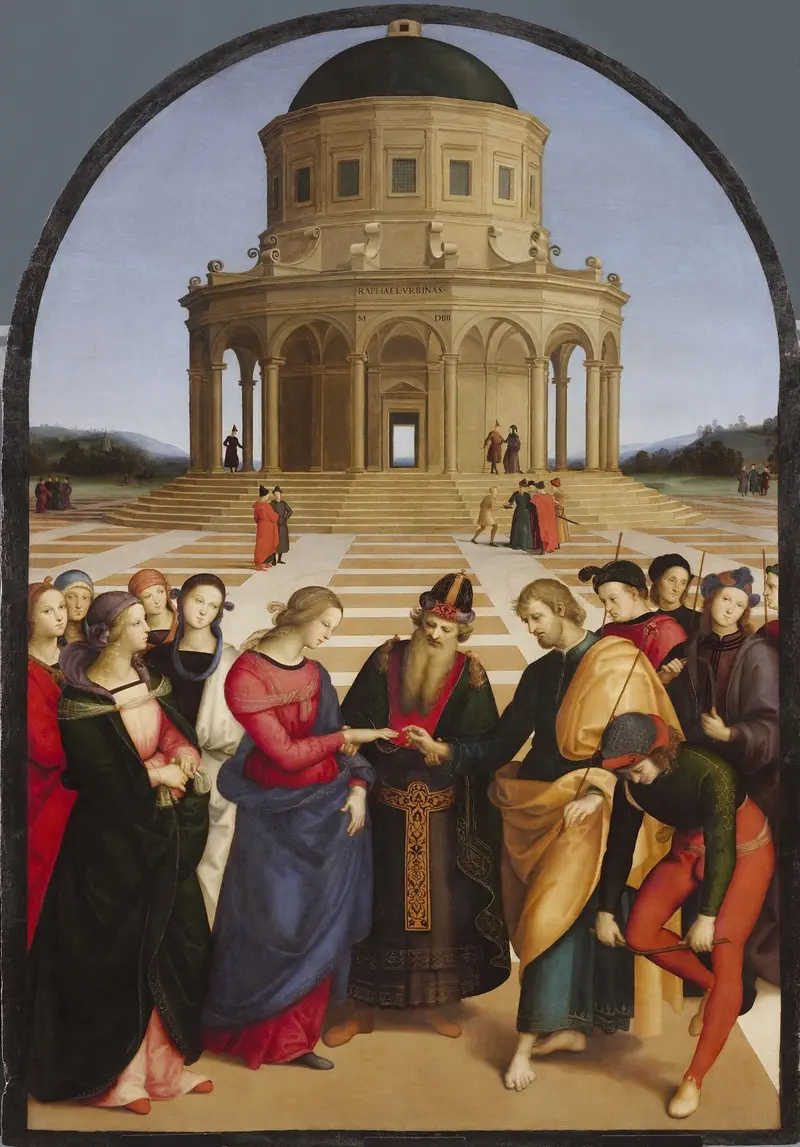
The Marriage of the Virgin
Raphael
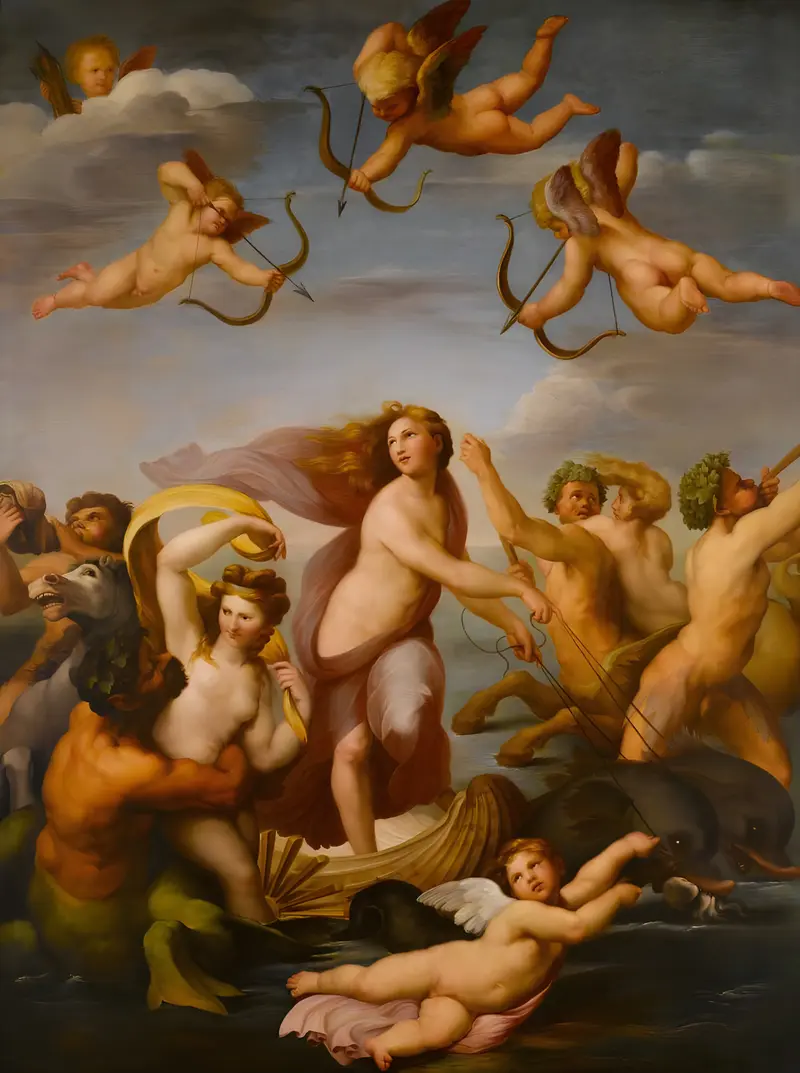
The Triumph of Galatea (copy after Raphael)
Raphael
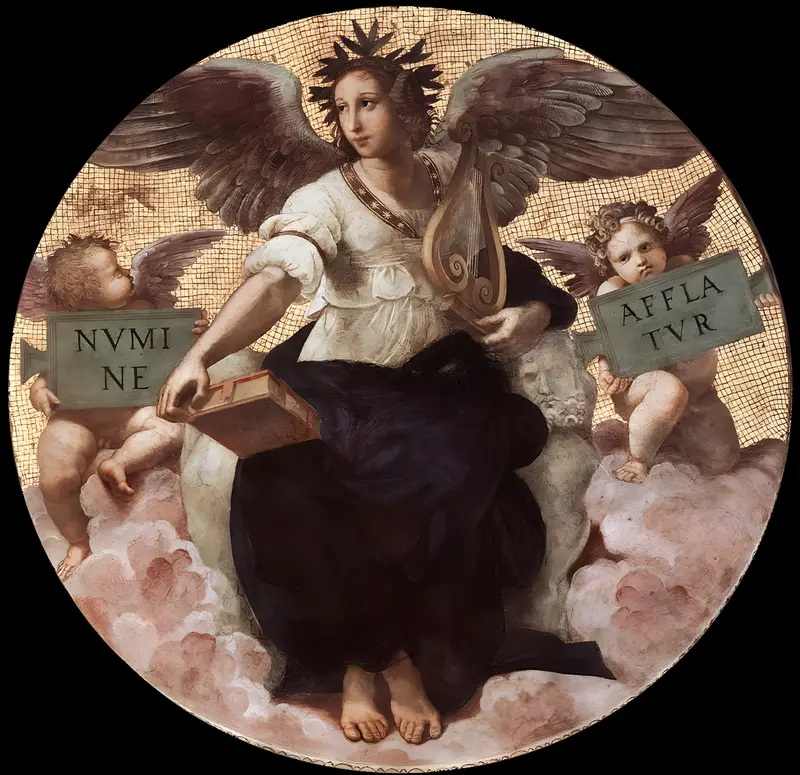
Poetry
Raphael
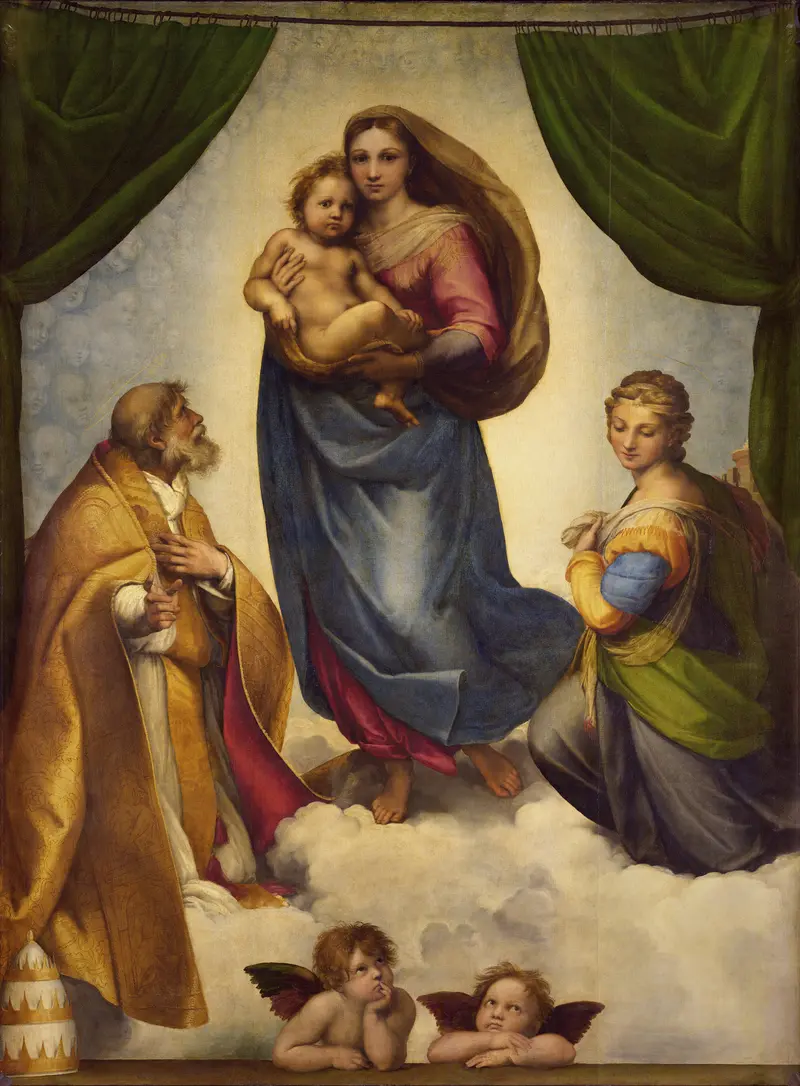
Sistine Madonna
Raphael
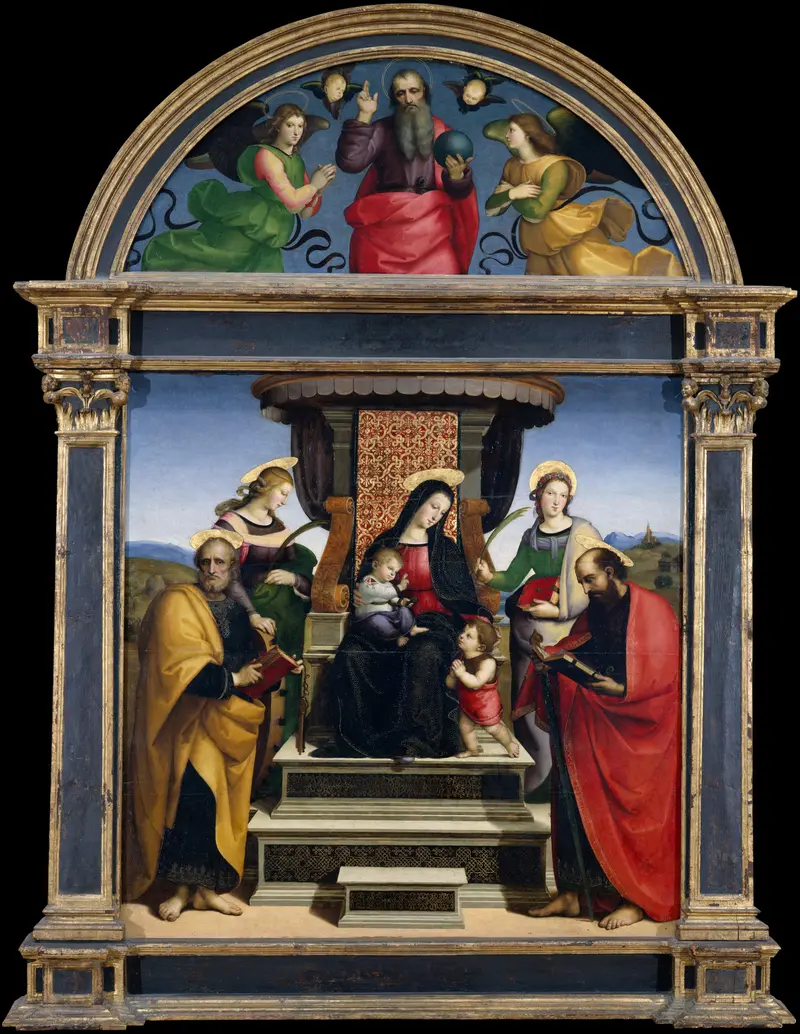
Madonna and Child Enthroned with Saints
Raphael





