
Procne and Philomela show Tereus the head of his son Itys — History & Facts
Few stories from Ovid’s Metamorphoses have inspired such visceral responses as the tale of Procne, Philomela, and Tereus, and few artists have dared to capture its climax with the force of Artemisia Gentileschi. Painted around 1700, Procne and Philomela show Tereus the head of his son Itys stands out for its rare focus on the moment of revelation—when vengeance is served not with words, but with a grisly, silent gesture. While many artists shied away from the horror of this myth, Gentileschi’s painting is among the very few known to confront the aftermath, not just the violence, but the psychological reckoning. At the table, Procne lifts a covered dish to reveal the severed head of her son Itys, whom she and her sister Philomela have killed and served to Tereus as retribution for his crimes.
Philomela, voiceless from her mutilation, locks eyes with her brother-in-law, her hand gripping the tablecloth—a detail that echoes her struggle to reclaim agency. The sisters’ faces are lit with cold determination, while Tereus recoils in horror, his goblet frozen mid-air. The heavy drapery and shadowed background amplify the claustrophobia of the scene.
Where Peter Paul Rubens chose to depict the abduction in his own version, Gentileschi zeroes in on the aftermath, making the women’s act of justice, not their suffering, the focal point. The painting’s early history remains somewhat obscure; no original patron is recorded, and its medium is uncertain, though it is presumed to be oil on canvas, typical of late Baroque works. Its attribution to Artemisia Gentileschi has been debated, but stylistic analysis—especially the psychological intensity and robust figuration—supports her authorship. Today, the work is recognized as a late-career statement, reflecting Gentileschi’s enduring interest in female agency and vengeance.
It is believed to reside in a private collection, surfacing only rarely in exhibitions, a hidden testament to the enduring power of myth retold through a woman’s eyes.
More Artworks by Artemisia Gentileschi

Judith Beheading Holofernes
Artemisia Gentileschi
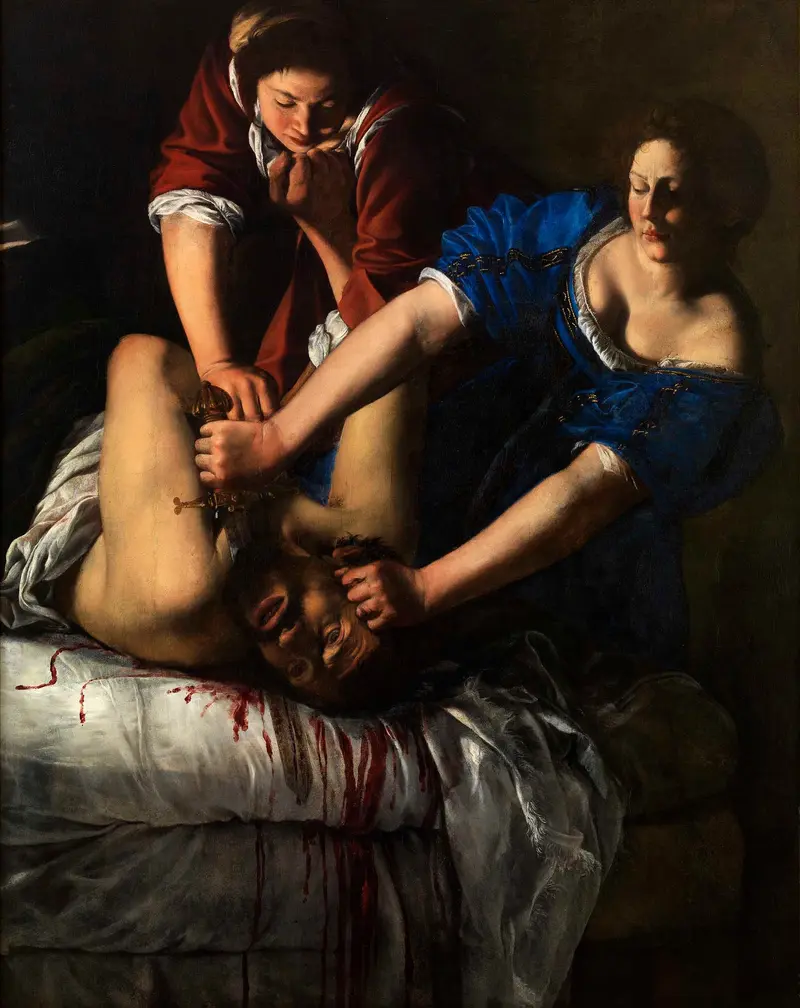
Judith Slaying Holofernes
Artemisia Gentileschi
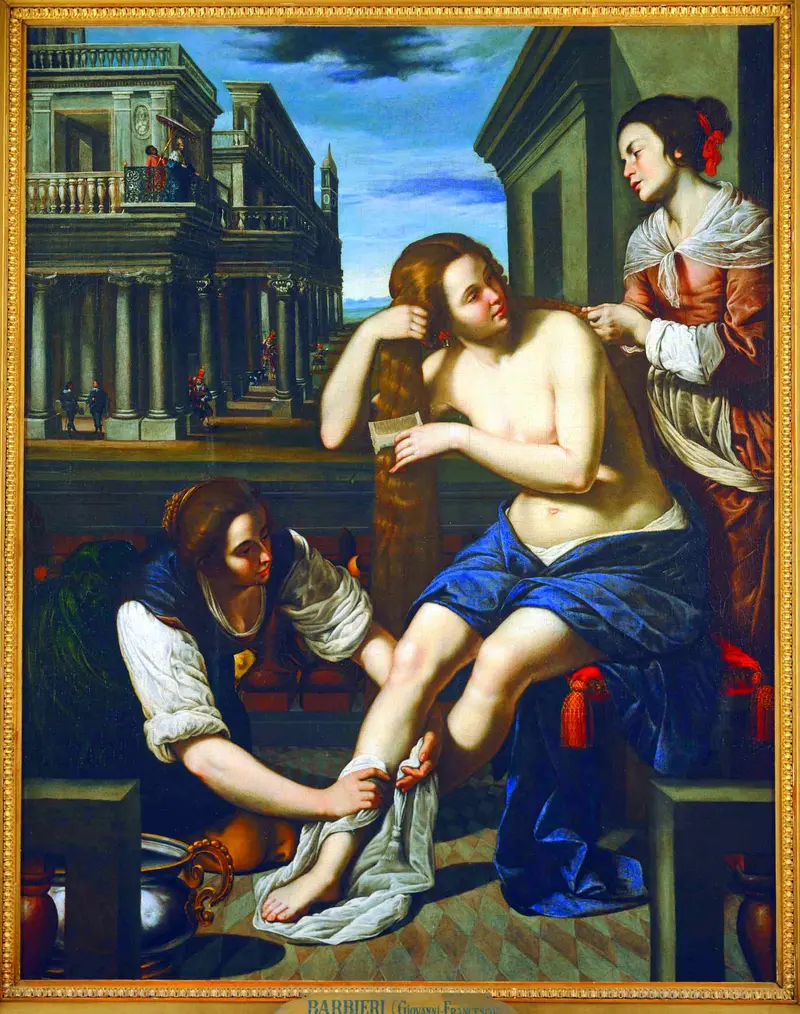
Bathsheba at Her Bath
Artemisia Gentileschi
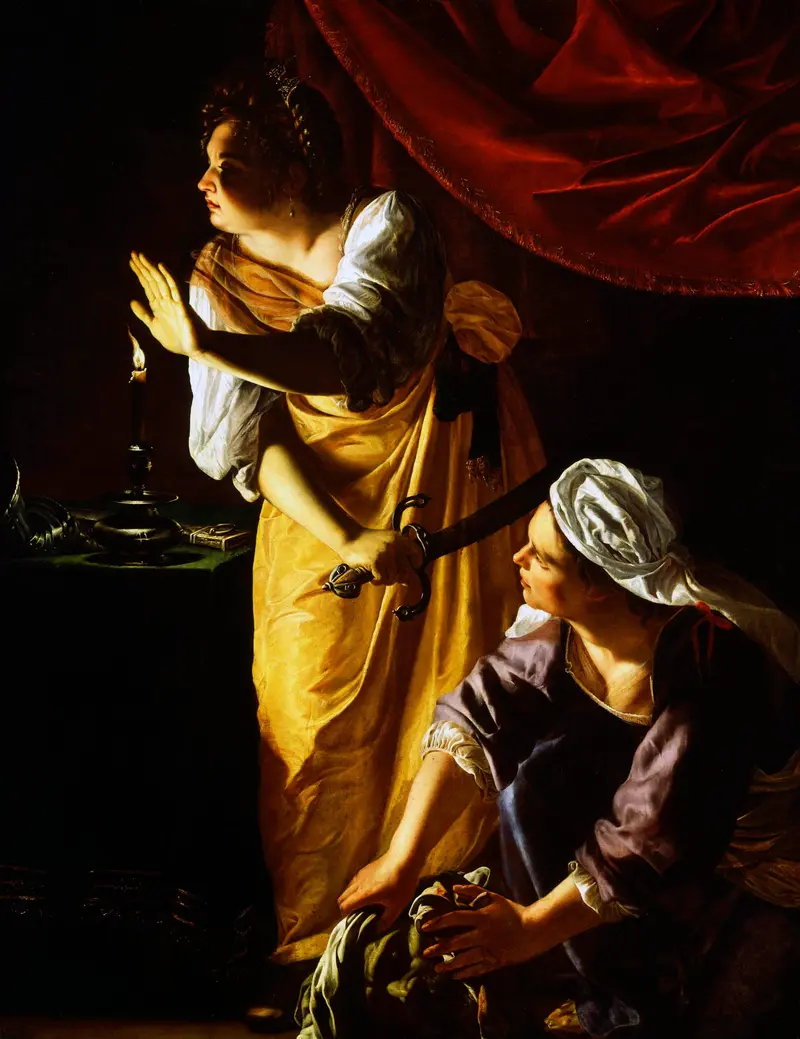
Judith and Maidservant with Head of Holofernes
Artemisia Gentileschi
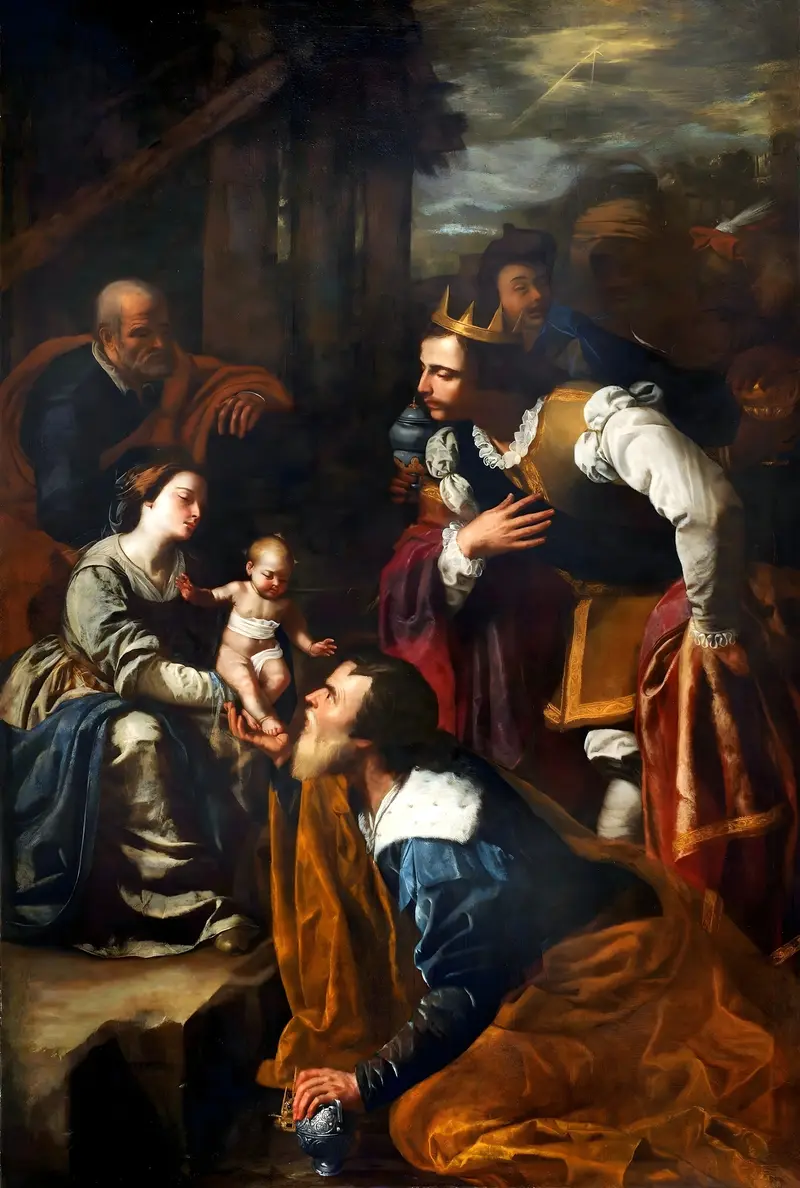
Adoration of the Magi
Artemisia Gentileschi
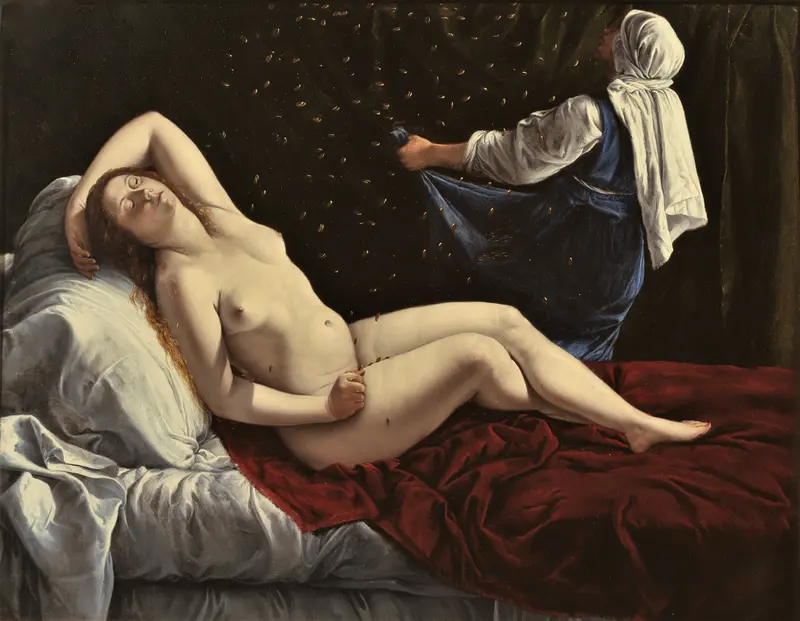
Danaë
Artemisia Gentileschi
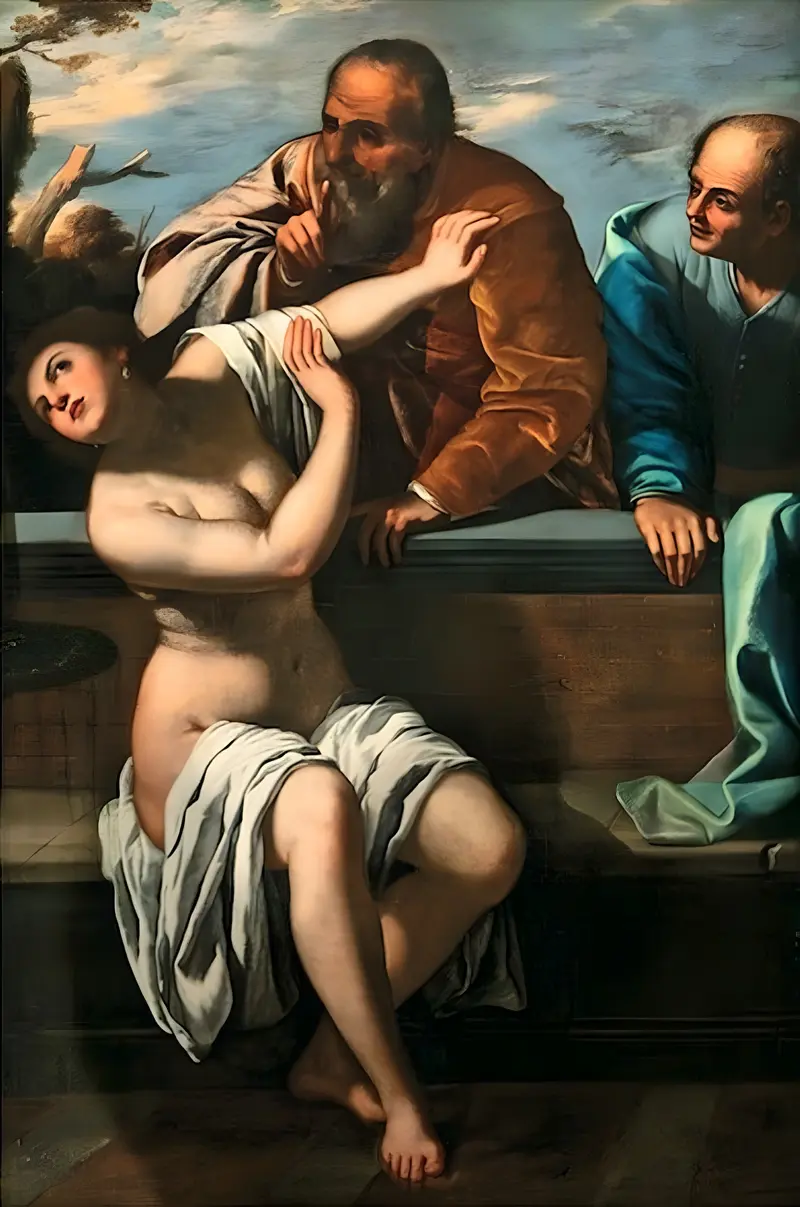
Susannah and the Elders
Artemisia Gentileschi

Judith and her Servant with the Head of Holofernes
Artemisia Gentileschi
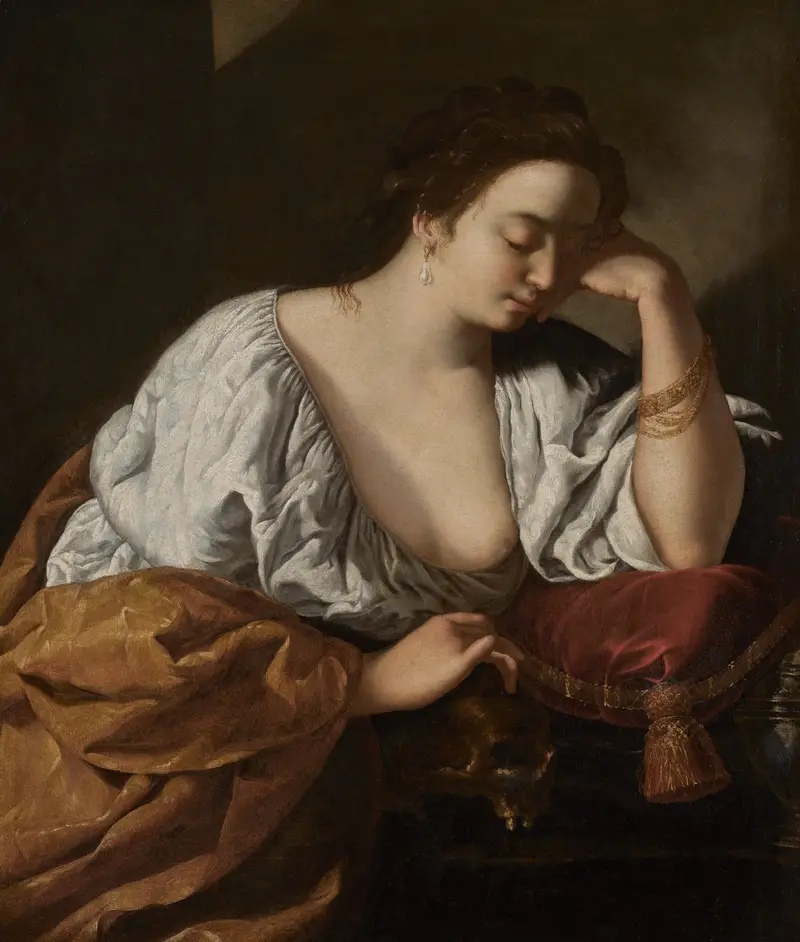
Madeleine pénitente, par
Artemisia Gentileschi
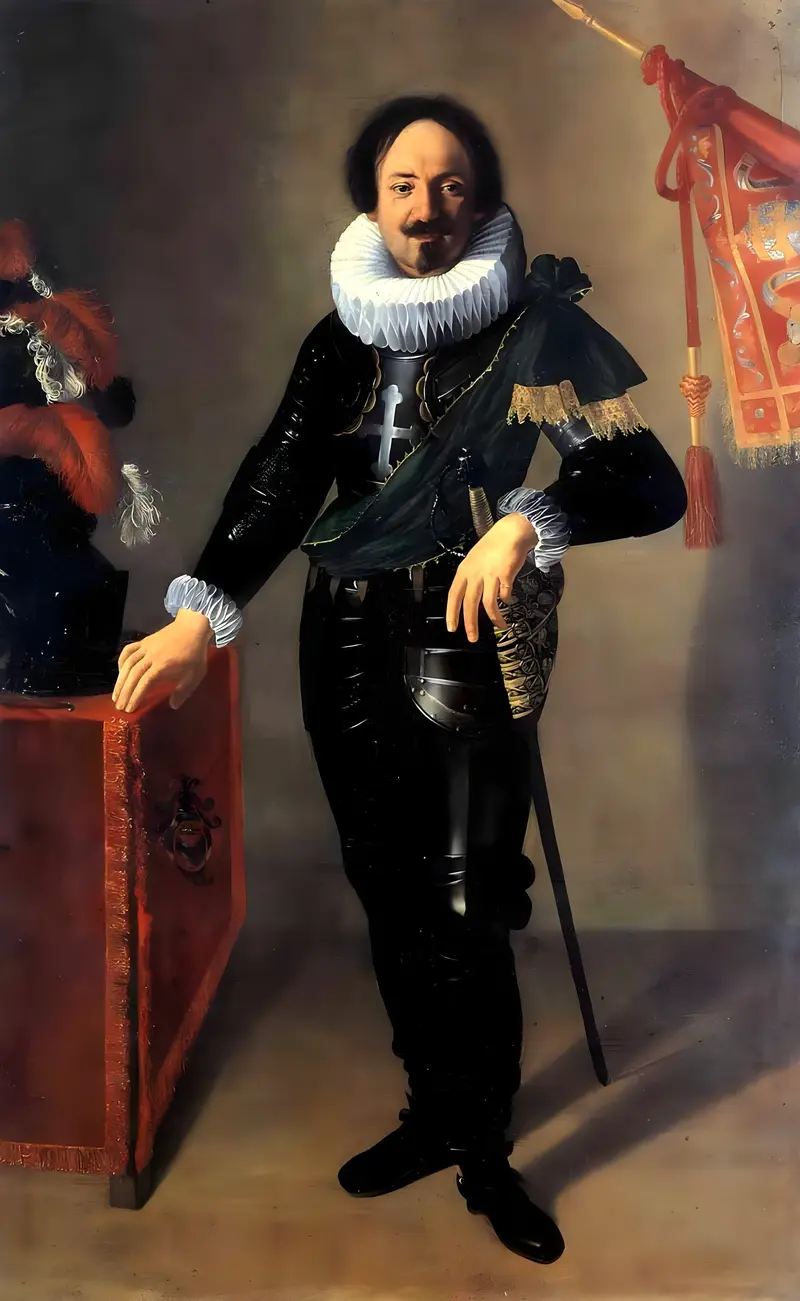
Portrait of a Gonfaloniere
Artemisia Gentileschi





