Roman Ornament No. 1 — History & Facts
What first seizes the eye in Roman Ornament No. 1 is the sheer exuberance of ancient Roman decoration, caught mid-whirl in a parade of mythic beasts, lush foliage, and human-animal hybrids. Each panel is a world unto itself, yet all are bound by the same restless energy: a winged griffin faces a nude youth, their encounter frozen in a moment of ambiguous ritual or greeting, while elsewhere, satyrs cradle urns and acanthus leaves spiral outward in endless, leafy arabesques.
The light, rendered in careful gradations of ochre and sepia, picks out every curl and feather, giving the illusion that these forms might at any moment break free from their stone origins. This chromolithograph, created by Owen Jones in 1856 and published in London by B. Quaritch, is a testament to the 19th-century fascination with the grammar of ornament—the idea that beauty could be studied, catalogued, and, above all, learned from the ancients. Such works were not mere decoration; they were guides for architects, designers, and craftsmen eager to revive the splendors of Rome in a modern world.
The very existence of this plate in the Polona Digital Library, more than a century and a half after its creation, is a reminder of how the language of ornament travels—across centuries, across continents, and, now, across the digital ether. Every scroll and flourish here invites the viewer to look again, to trace the logic of beauty as the Romans once imagined it.
More Artworks by Owen Jones

Greek Ornament No. 1
Owen Jones
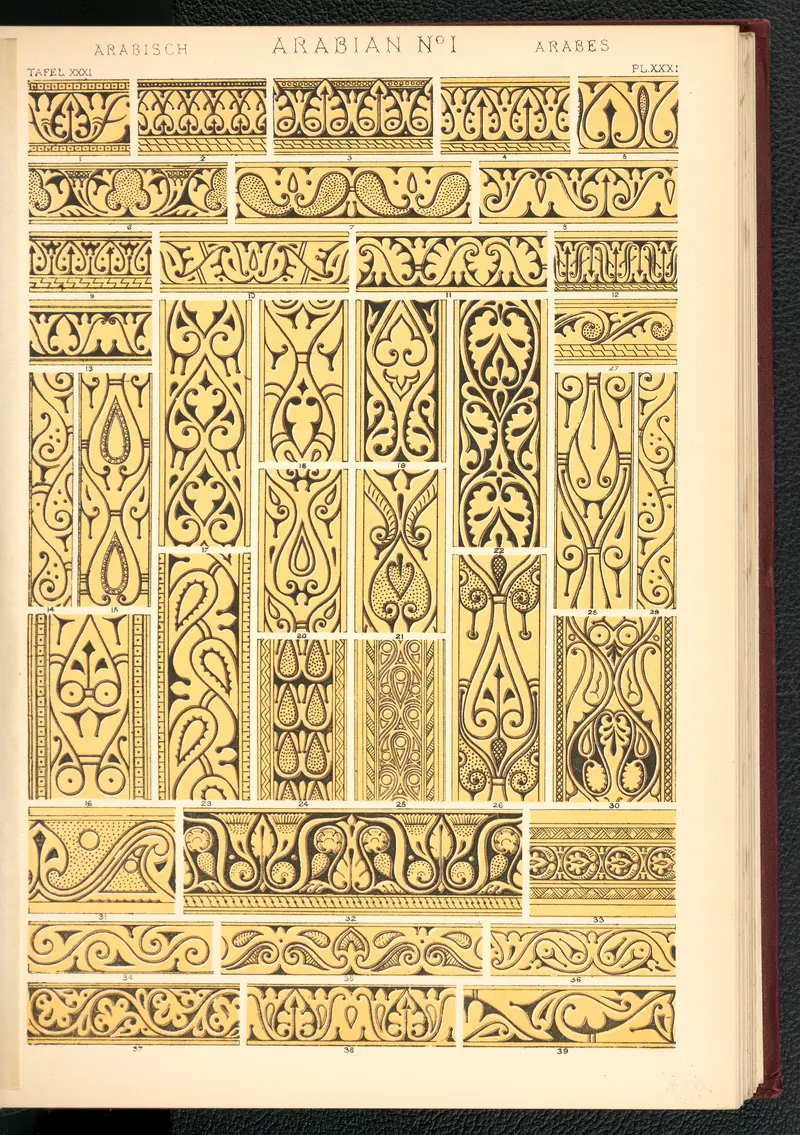
Arabian Ornament No. 1
Owen Jones
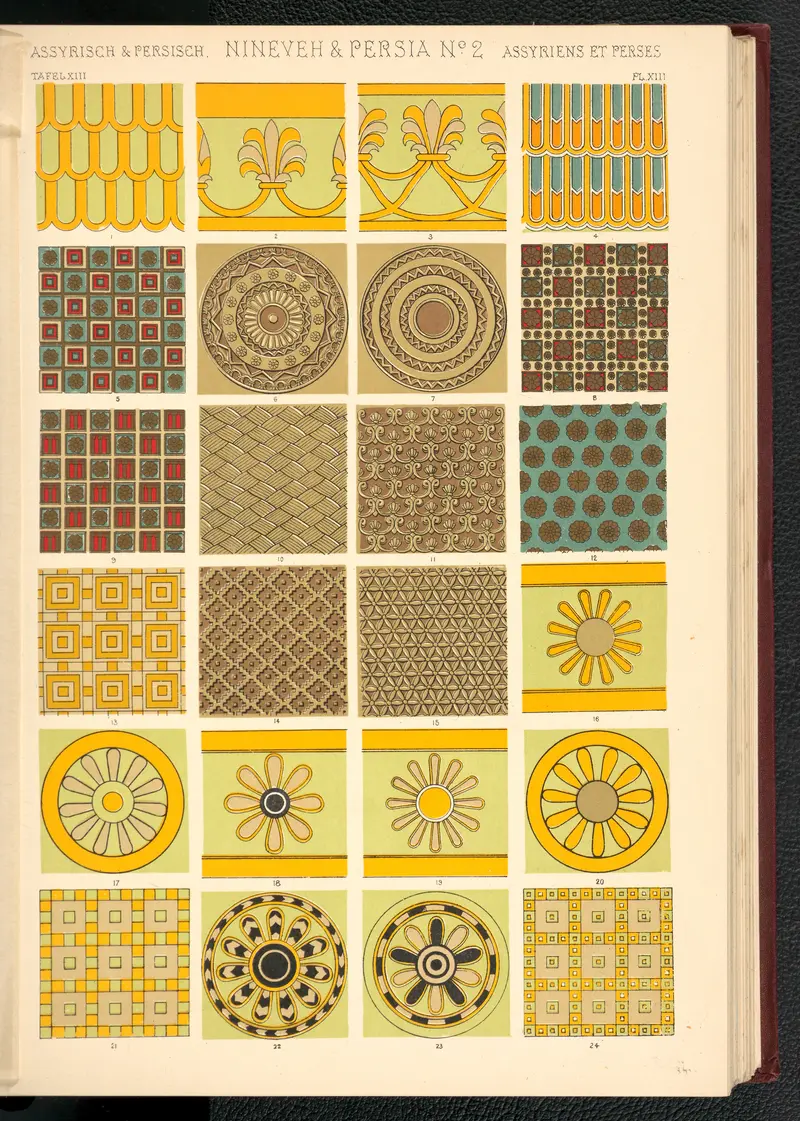
Assyrian Ornament No. 2
Owen Jones

Egyptian Ornament No. 3
Owen Jones
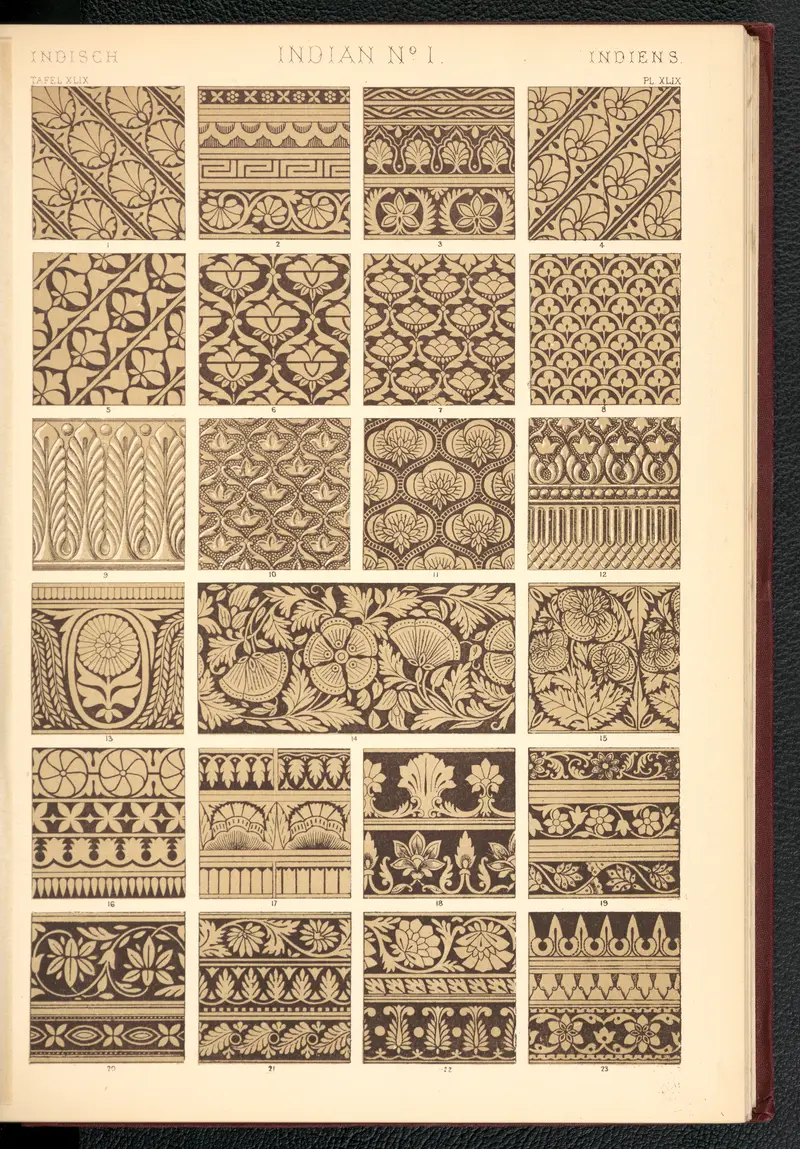
Indian Ornament No. 1
Owen Jones
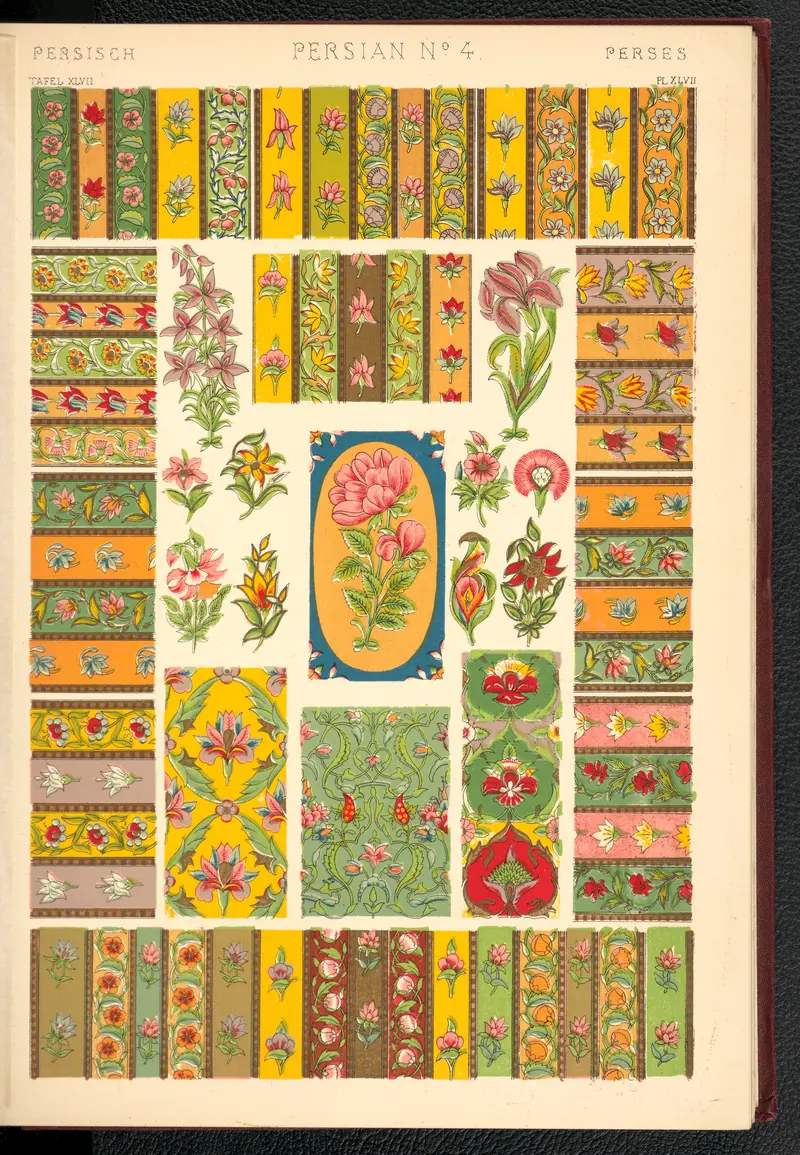
Persian Ornament No. 4
Owen Jones
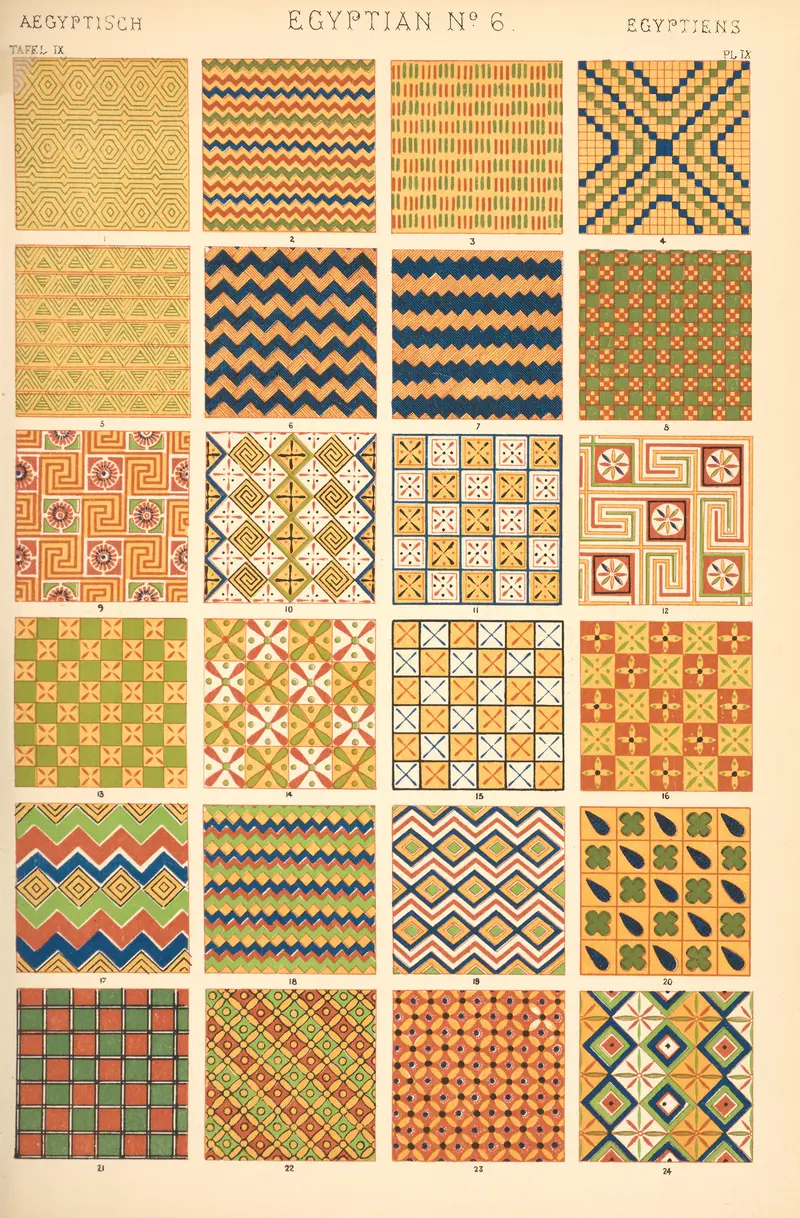
Egyptian Ornament No. 6
Owen Jones
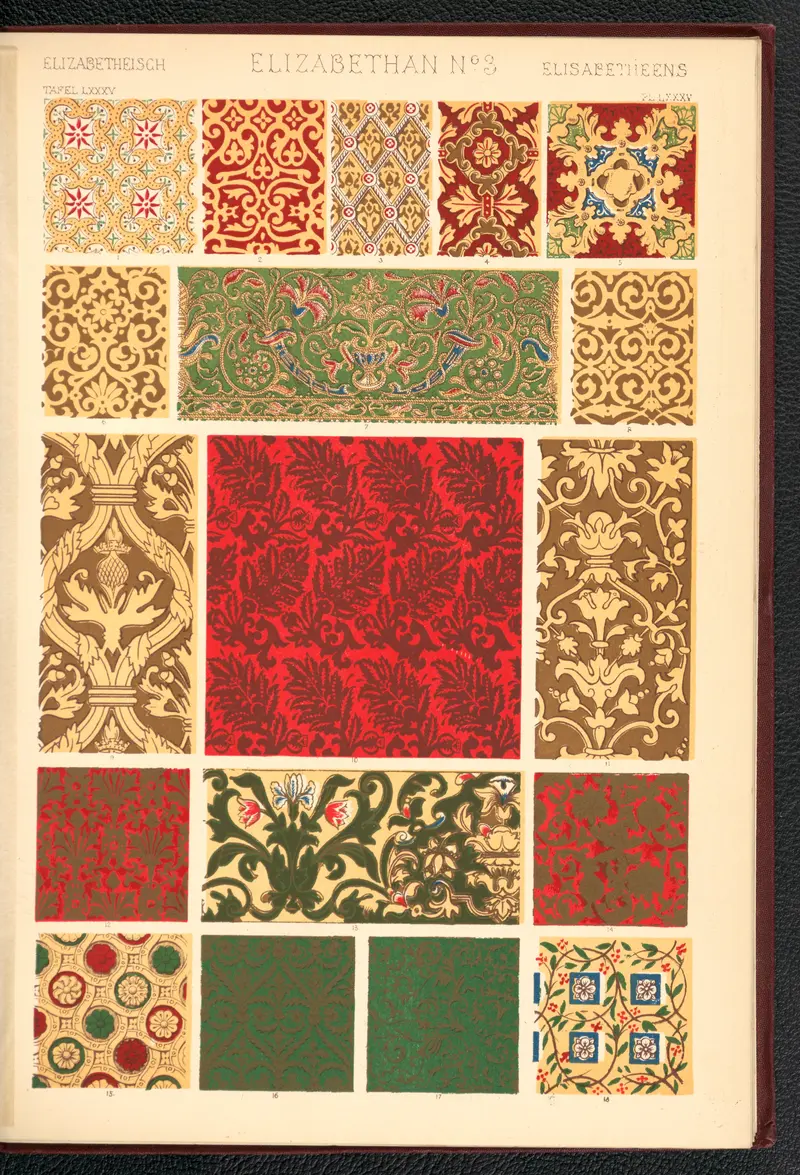
Elizabethan Ornament No. 3
Owen Jones
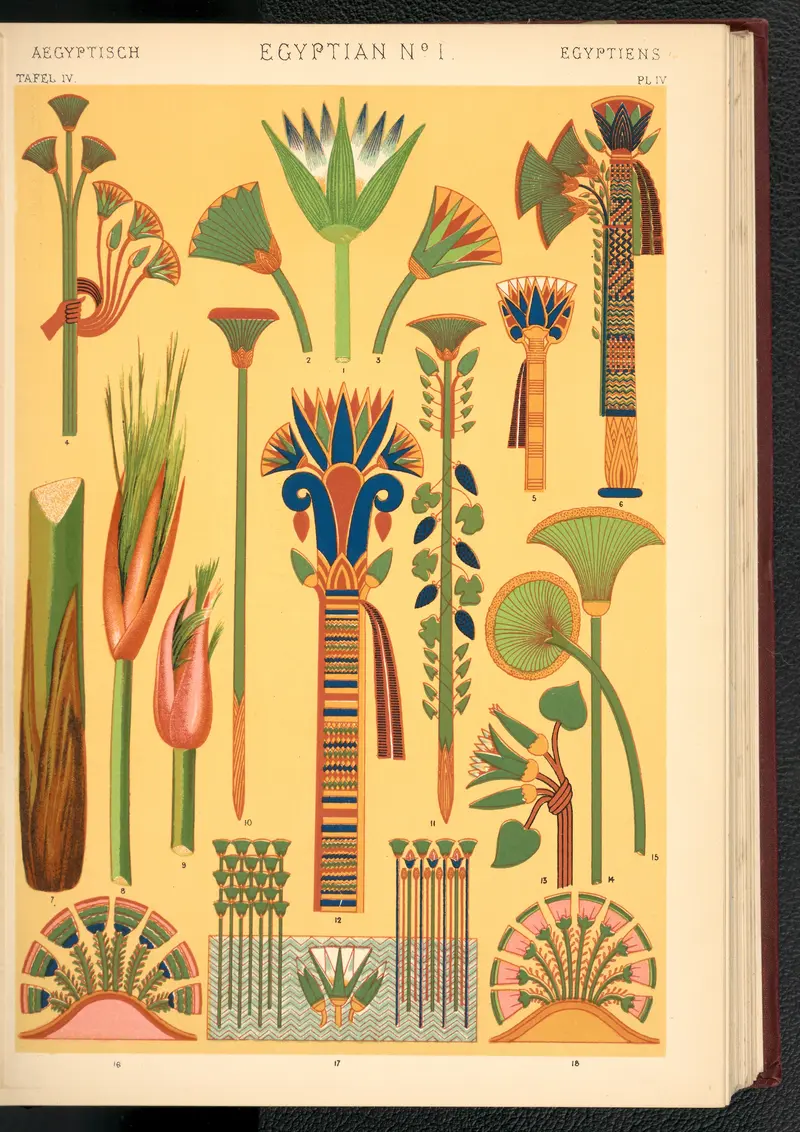
Egyptian Ornament No. 1
Owen Jones
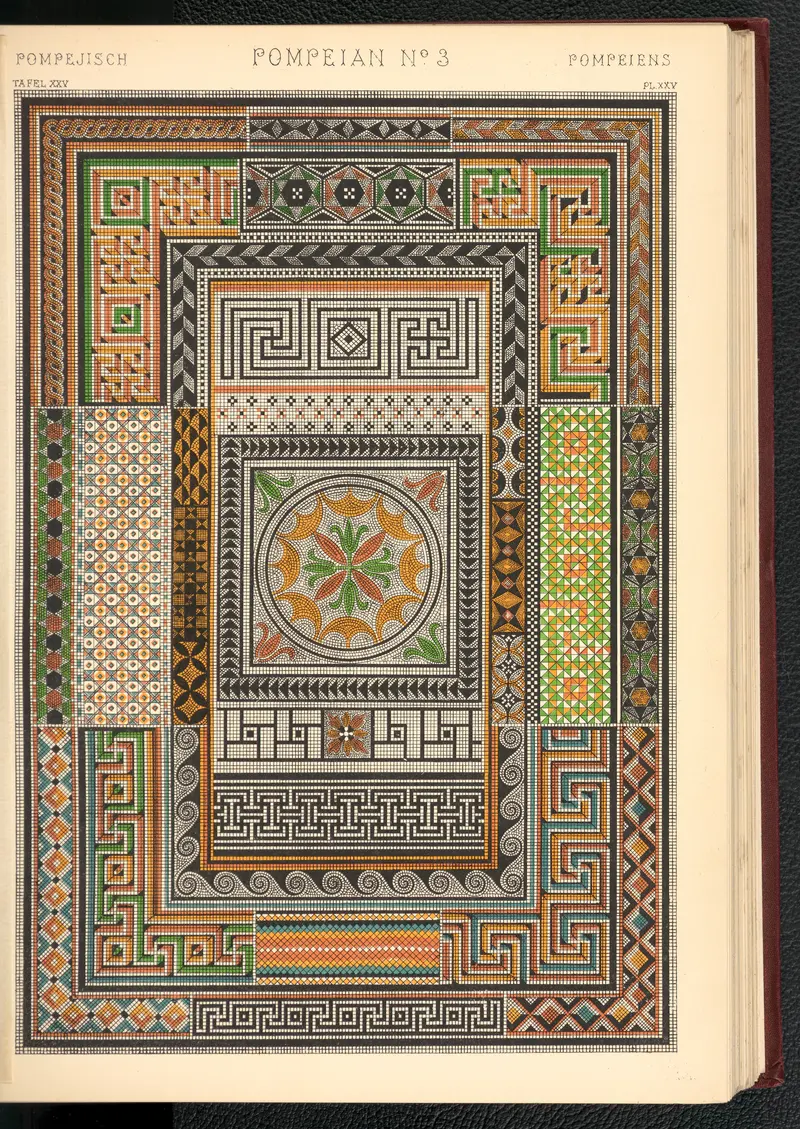
Pompeian Ornament No. 3
Owen Jones