
Scenes from the New Testament: Lamentation — History & Facts
In the late 13th century, a revolution in painting began not in the grand cathedrals of Florence or Rome, but on the walls of a small chapel in Padua. There, Giotto di Bondone painted a cycle of frescoes for Enrico Scrovegni, a wealthy banker seeking redemption for his family's sins. Among these, Scenes from the New Testament: Lamentation stands out as a moment where art broke from the stiff, symbolic forms of the medieval world and reached toward the living, breathing drama of human grief.
Vasari would later write that Giotto "changed the art of painting from Greek to Latin," recognizing the seismic shift these works represented. The scene Giotto chose is the moment after Christ’s crucifixion, when his body is lowered from the cross and mourned by his followers. Mary cradles her son’s lifeless form, her face pressed close in anguish, while the disciples and angels encircle the body in a silent, shared sorrow. The rocky outcrop, sloping down to Christ, draws the eye to the center of pain, and the bare tree behind echoes the theme of death and hope.
Unlike earlier Byzantine icons, where figures float in gold backgrounds, here the mourners kneel, touch, and weep, their gestures and faces alive with individual emotion. In contrast to Duccio’s more decorative approach in his own Lamentation, Giotto roots his figures in real space, their grief made tangible by the weight of their bodies and the gravity of the earth. The original medium of Scenes from the New Testament: Lamentation is not precisely known, though it is often associated with fresco technique, typical of Giotto’s era and major cycles. The work forms part of the celebrated Scrovegni (Arena) Chapel decorations, which have survived centuries of neglect, restoration, and war, remaining in situ in Padua to this day.
As a cornerstone of Giotto’s career, this painting helped define the early Italian Renaissance and inspired generations of artists who followed. Though its exact commission details are lost, its impact is undisputed: it marks the moment when Western painting began to speak in the language of real human experience.
More Artworks by Giotto di Bondone
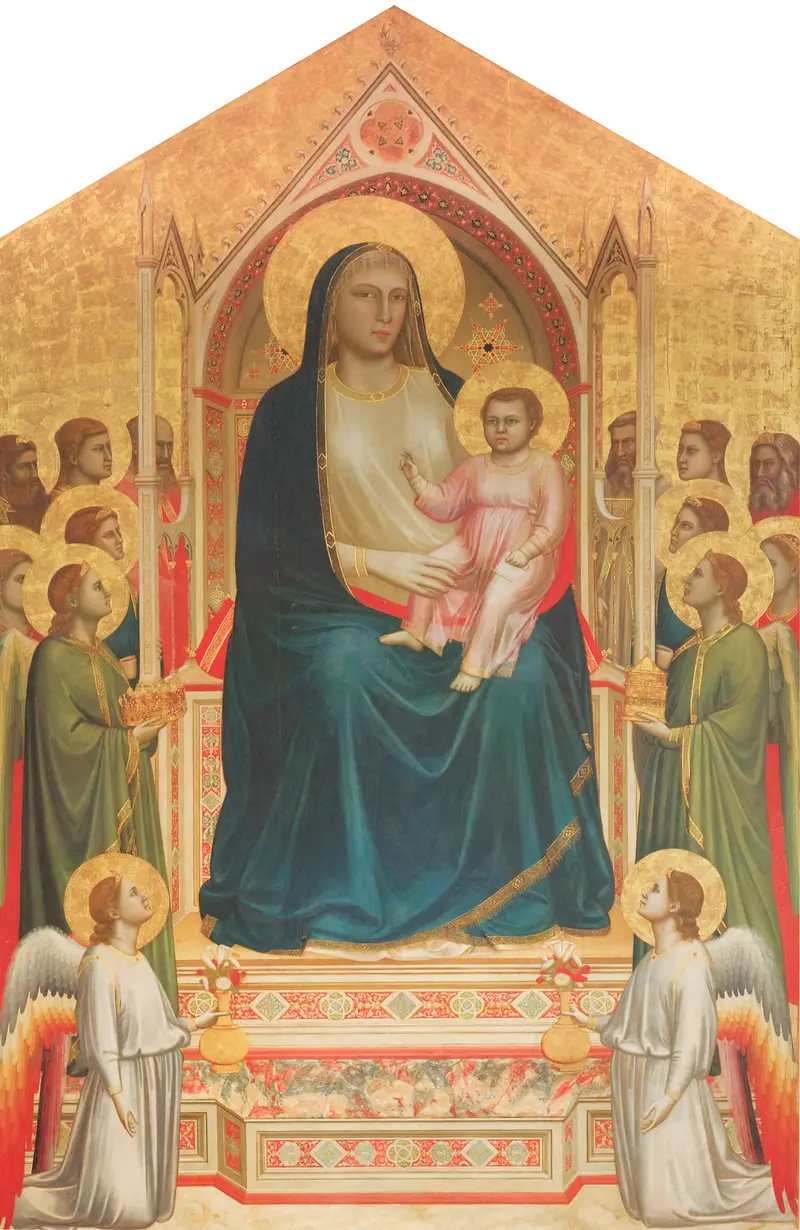
Ognissanti Madonna
Giotto di Bondone
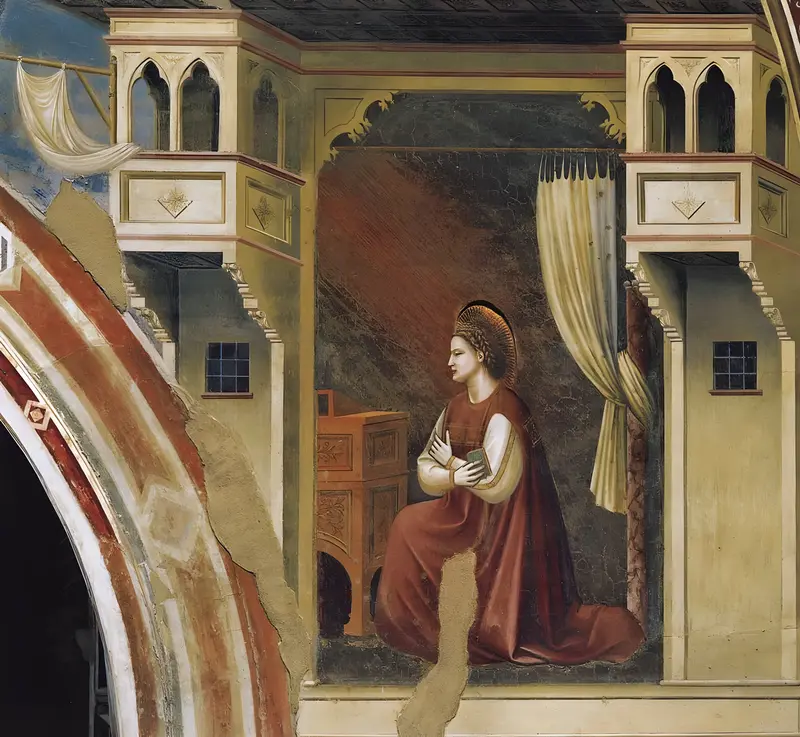
The Virgin of the Annunciation
Giotto di Bondone
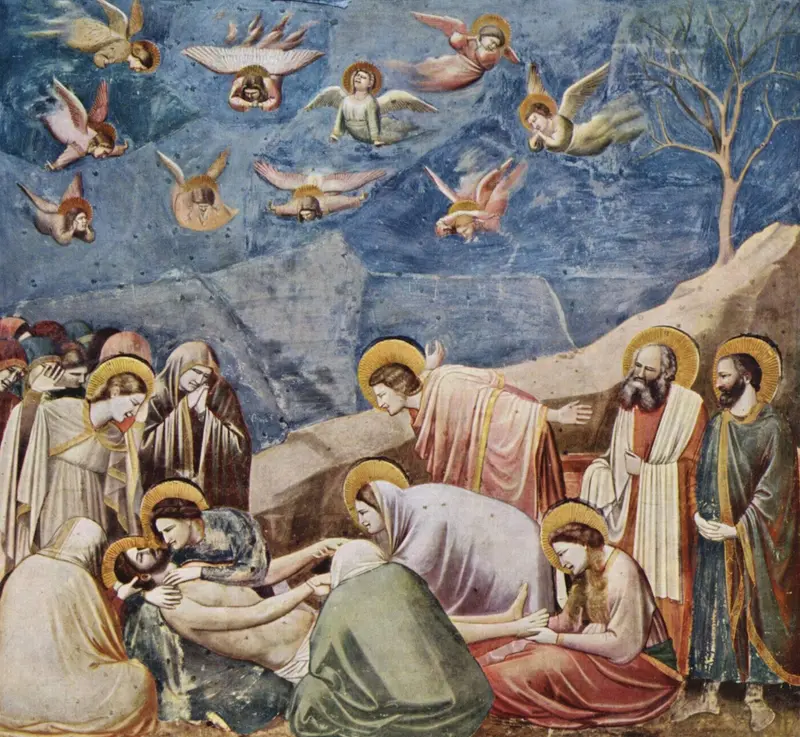
Lamentation (The Mourning of Christ)
Giotto di Bondone
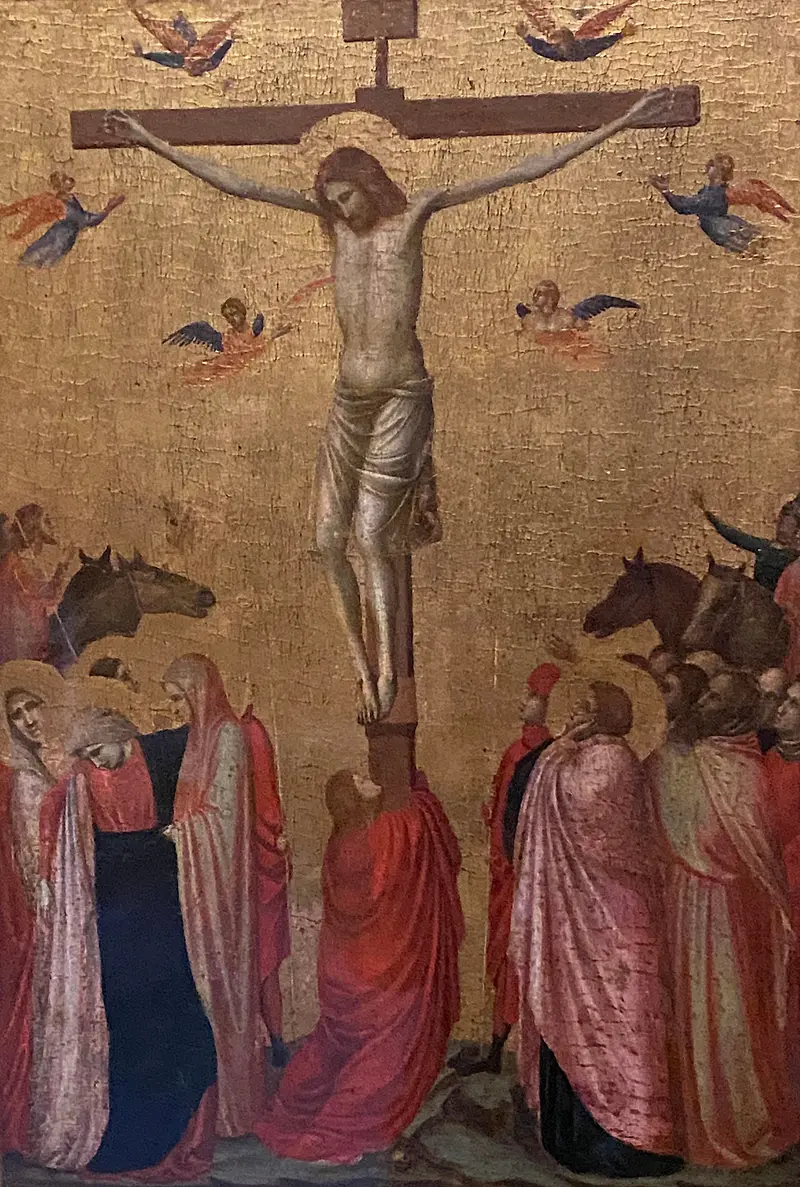
Crucifixion of Strasbourg
Giotto di Bondone
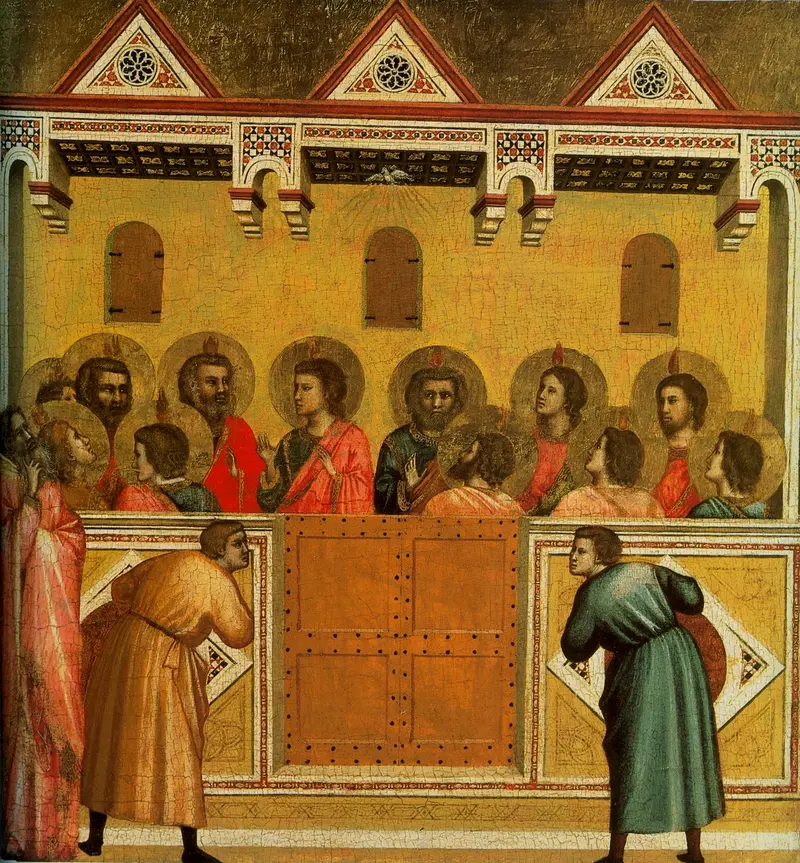
Pentecost
Giotto di Bondone
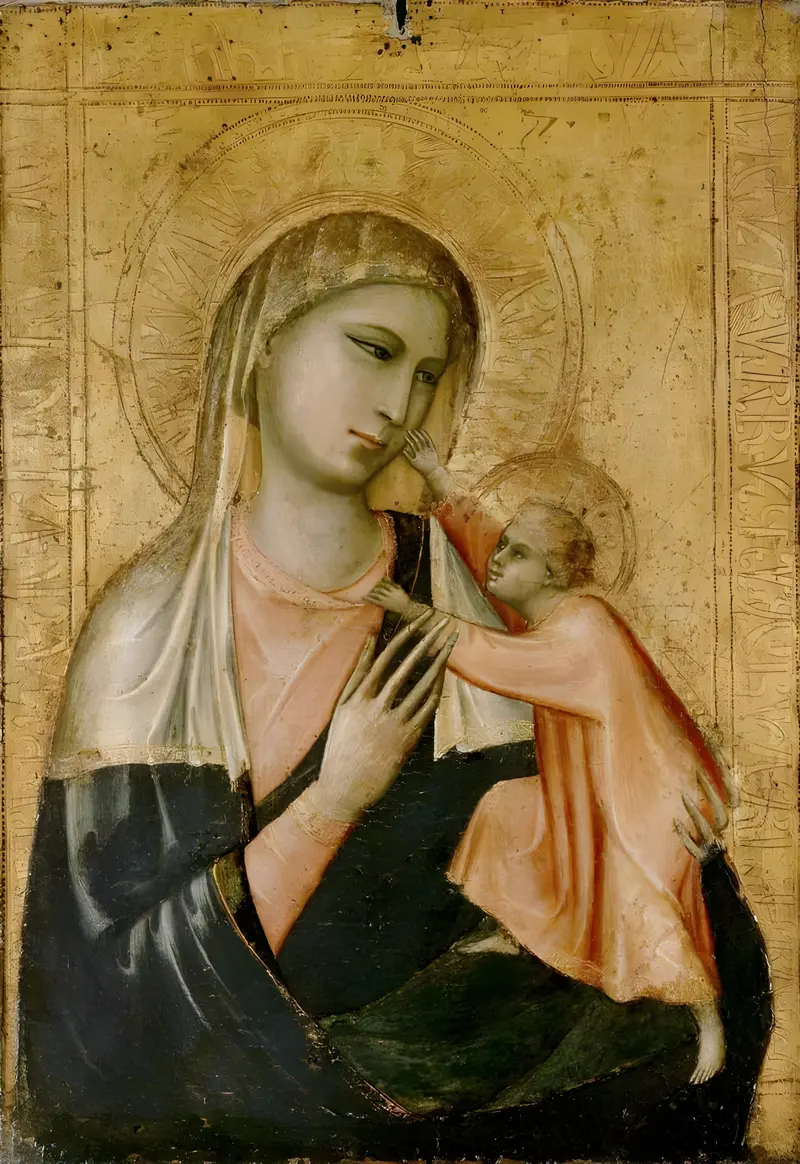
The Virgin and Child
Giotto di Bondone
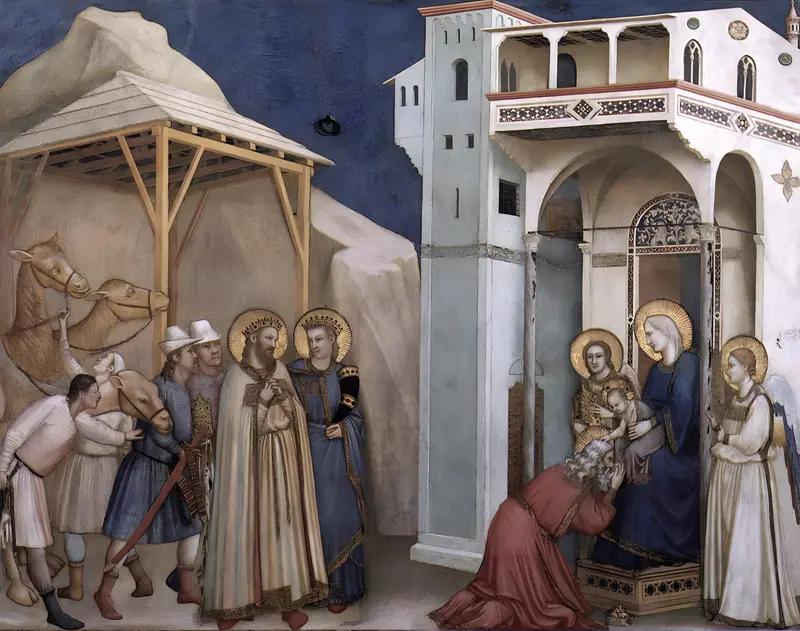
Anbetung der Könige
Giotto di Bondone
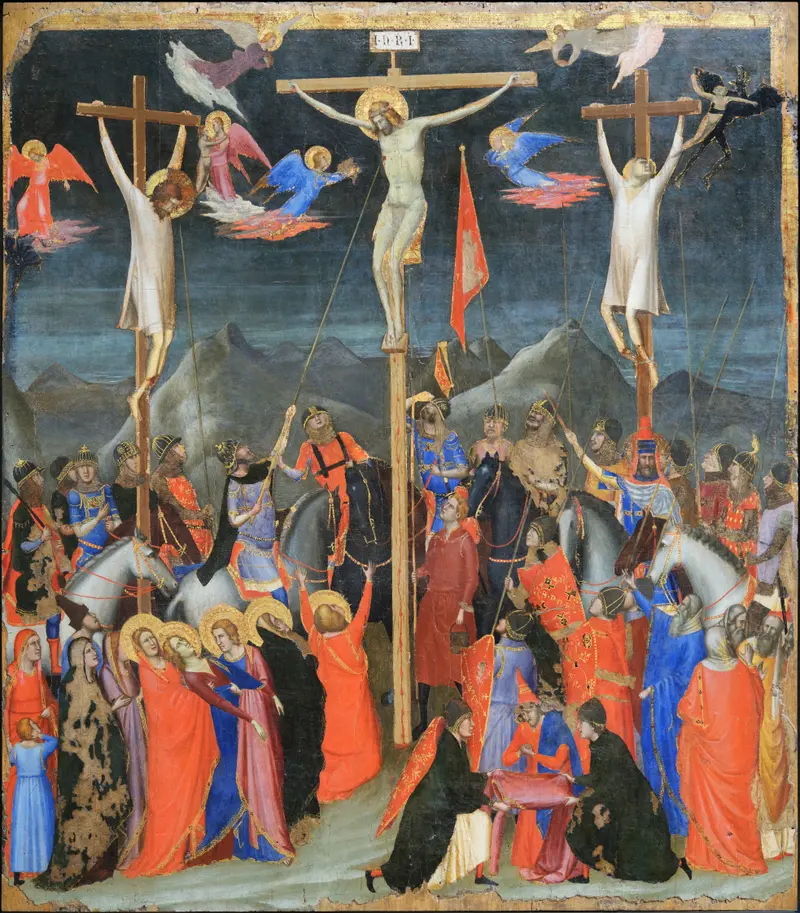
Crucifixion
Giotto di Bondone
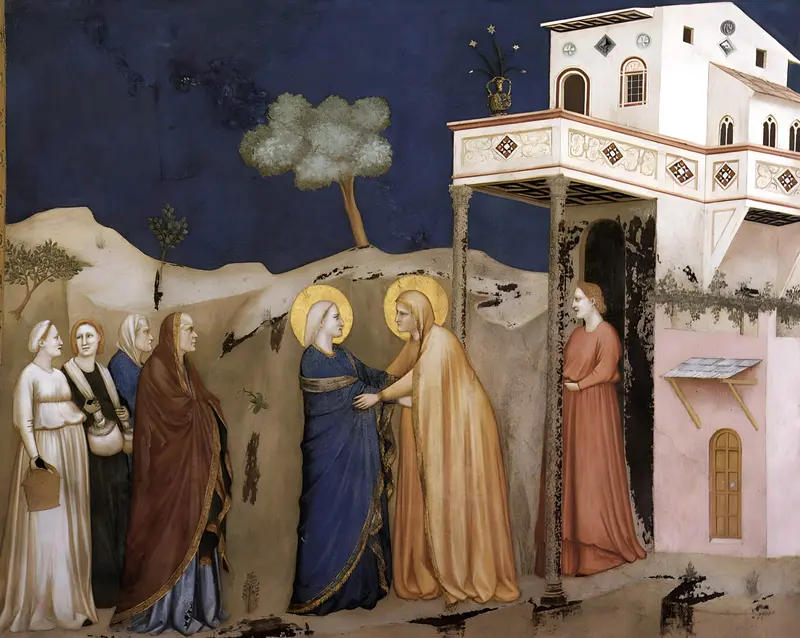
The Visitation
Giotto di Bondone
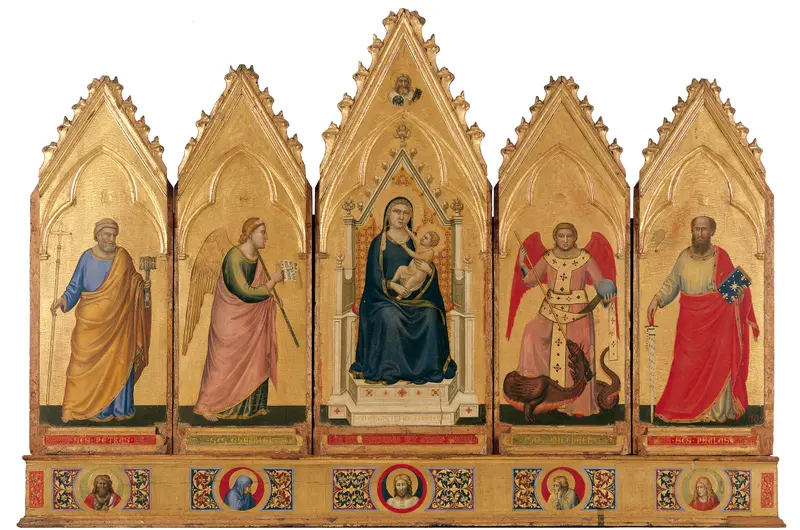
Bologna Polyptych
Giotto di Bondone





