
Shepherdess with a bowl of grapes — History & Facts
No one knows for certain who first owned Shepherdess with a bowl of grapes, but the painting’s subject—a humble country girl—was a favored theme in the Dutch Republic during the early seventeenth century, when city collectors sought scenes of rural life for their homes. This work is one of several by Abraham Bloemaert exploring the shepherdess motif, a genre that straddled the line between idealized pastoral and subtle allegory. The painting’s precise date and original commission remain unknown, adding a note of mystery to its journey through history. The shepherdess stands at the edge of a sunlit meadow, pausing in her duties to offer a bowl brimming with grapes.
Her gaze meets the viewer’s with a gentle directness, while her simple dress and bare feet root her firmly in the countryside. The grapes she holds are more than a rustic snack: in the visual language of the time, they could allude to abundance, innocence, or even the Eucharist. Bloemaert’s soft, luminous handling of flesh and fabric recalls his training in the Mannerist tradition, yet the earthy realism of the scene aligns him with contemporaries like Jan Brueghel the Elder, whose shepherdesses also balance ideal beauty with everyday detail. As with many works by Bloemaert, the painting's early history is unclear, though it likely circulated among Dutch collectors who prized such pastoral scenes.
Over time, Shepherdess with a bowl of grapes has been attributed to both Bloemaert and his workshop, reflecting the collaborative nature of his studio and the popularity of the theme. Today, the painting is recognized as a fine example of Bloemaert’s ability to blend allegory with observation, standing as a testament to his role in shaping Dutch pastoral imagery at the dawn of the seventeenth century.
More Artworks by Abraham Bloemaert

Adam and Eve
Abraham Bloemaert
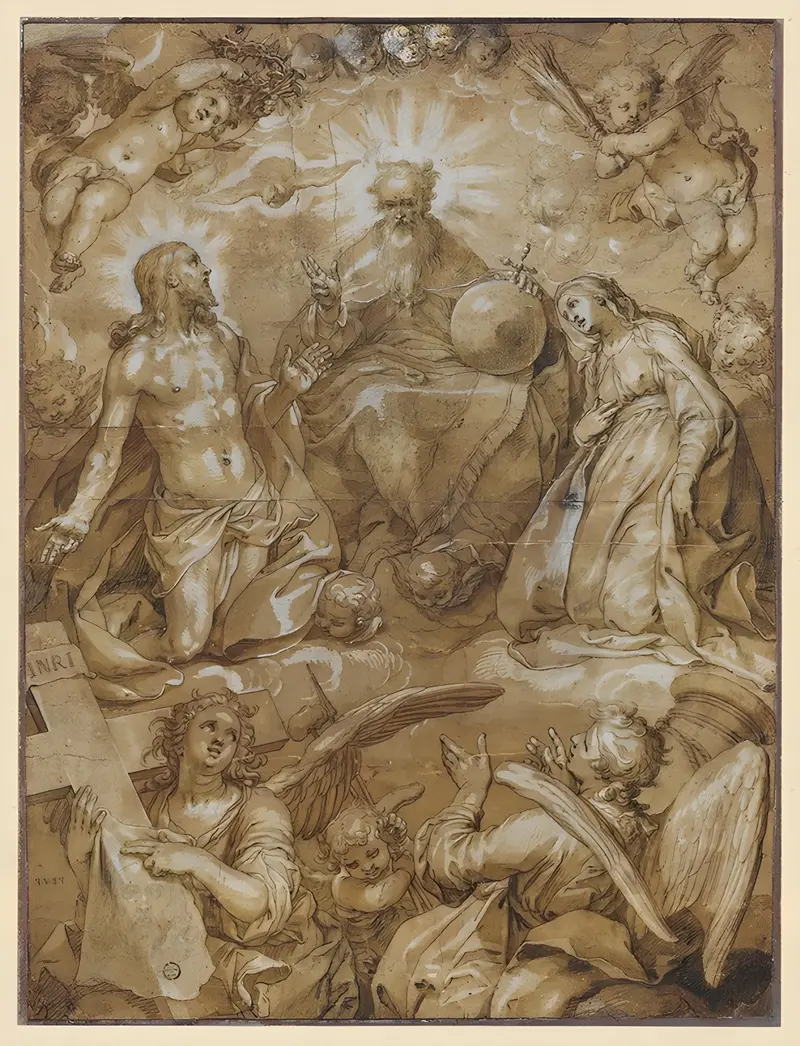
Intercession of Christ and Mary before God the Father
Abraham Bloemaert
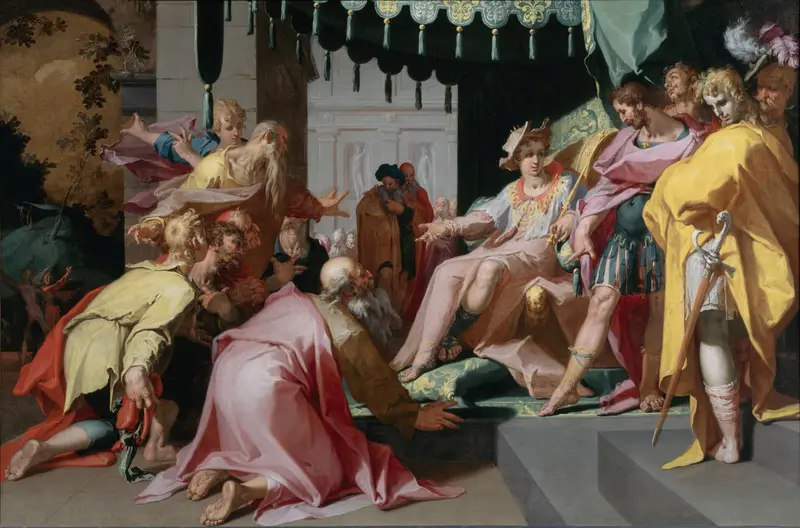
Joseph and his Brothers
Abraham Bloemaert
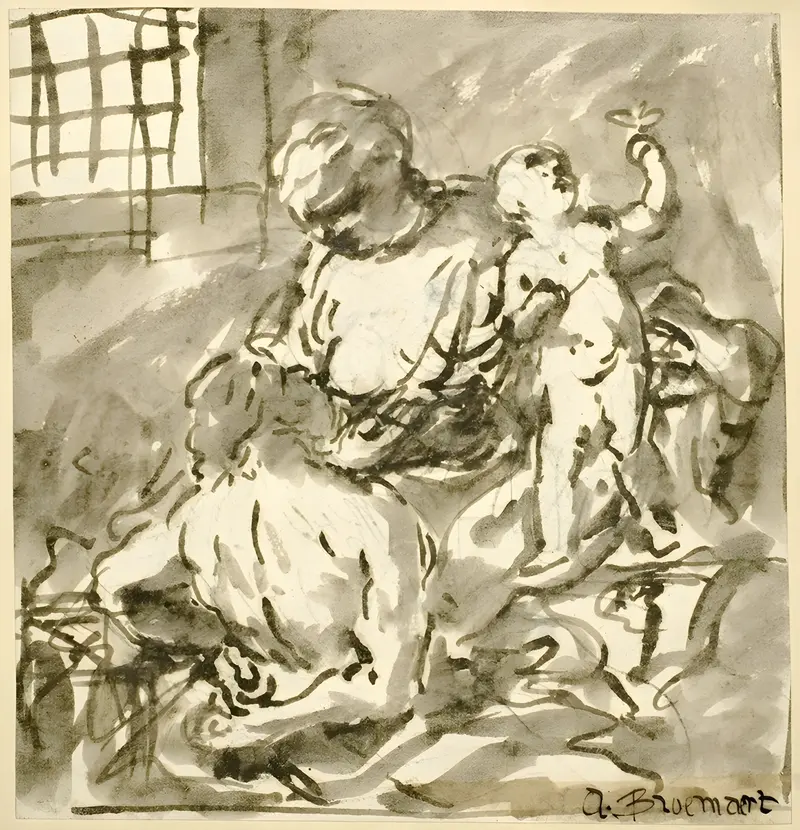
Caritas Romana
Abraham Bloemaert
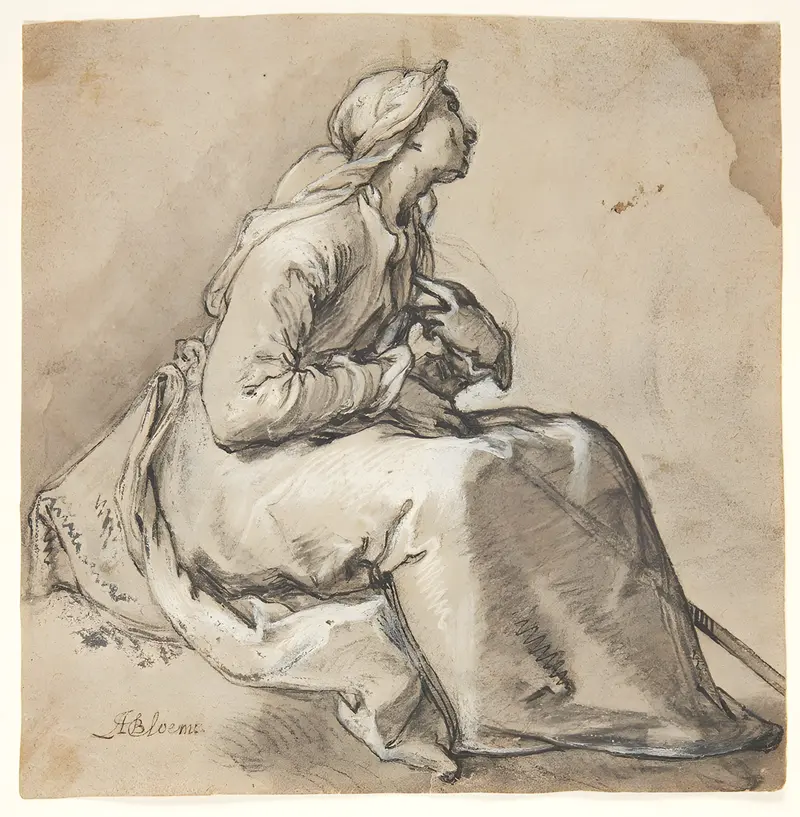
A seated woman facing right
Abraham Bloemaert
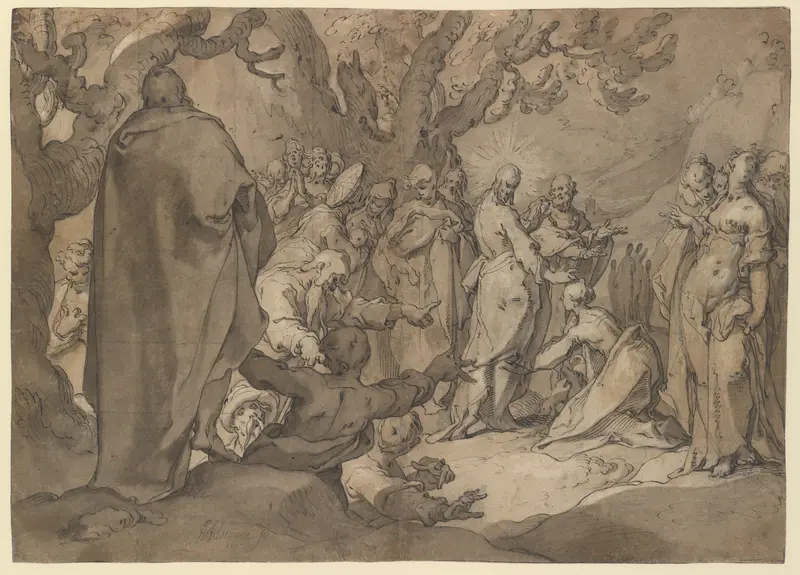
Christ and the Canaanite Women
Abraham Bloemaert
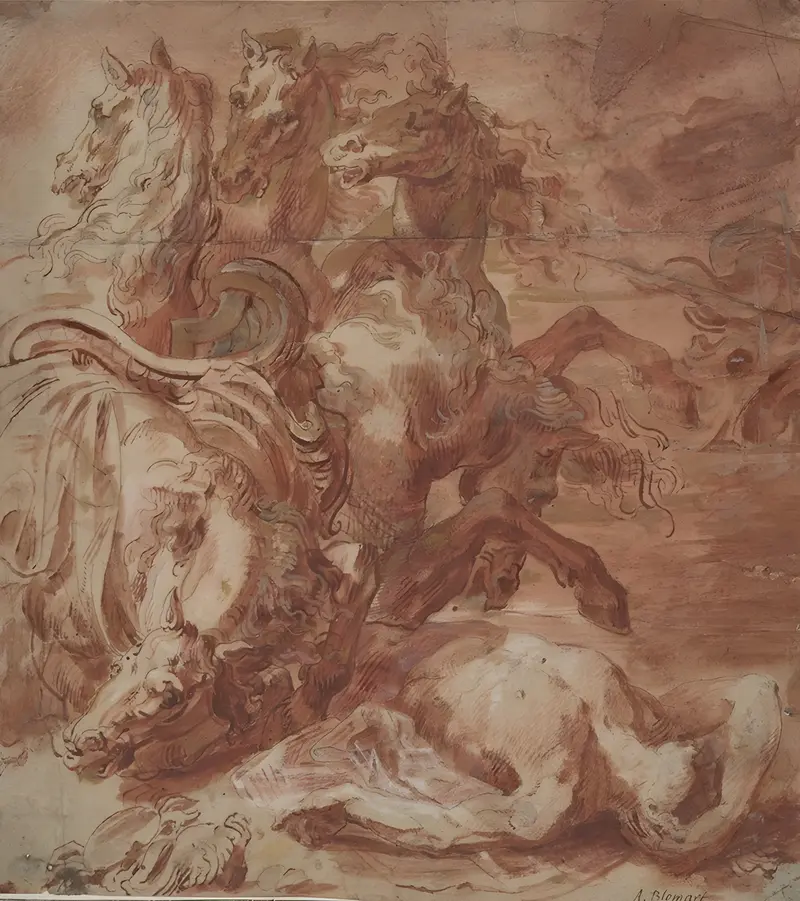
Hippolytus
Abraham Bloemaert
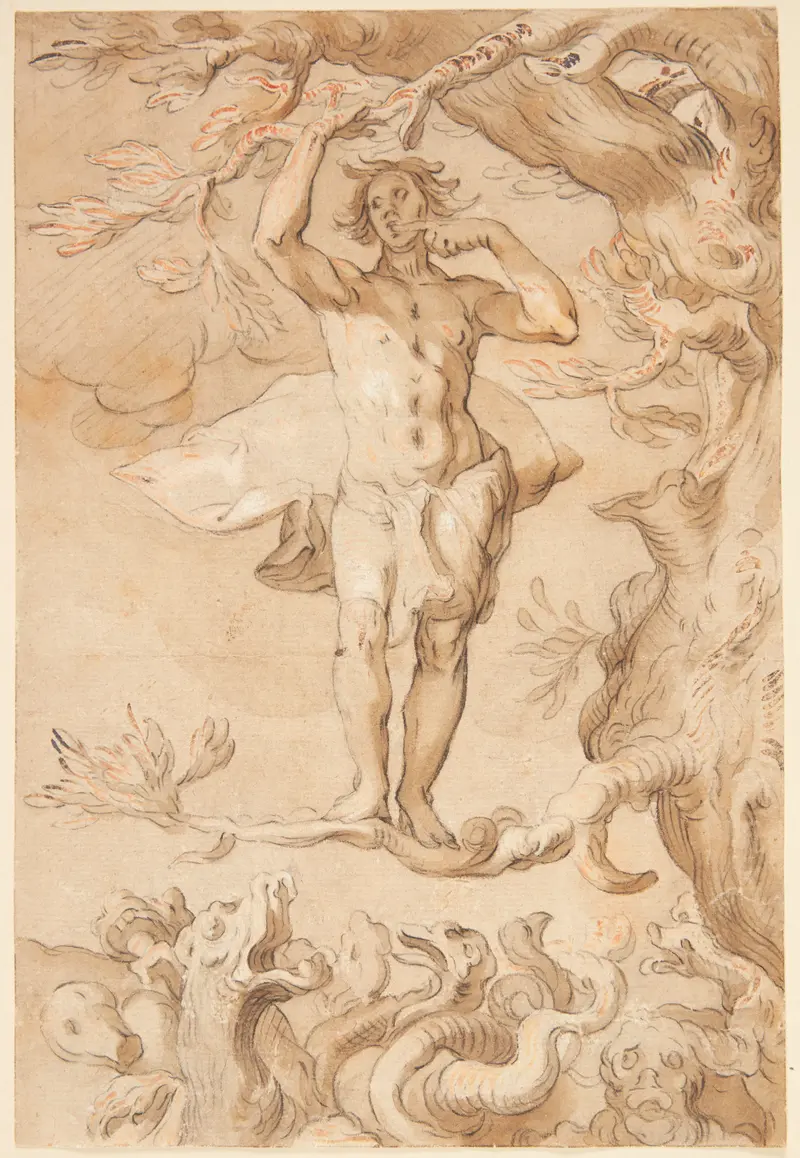
Den menneskelige glædes skrøbelighed En mand, der jages af en drage, klynger sig til en gren, mens han slikker honning af sin finger
Abraham Bloemaert

Moses Striking the Rock
Abraham Bloemaert
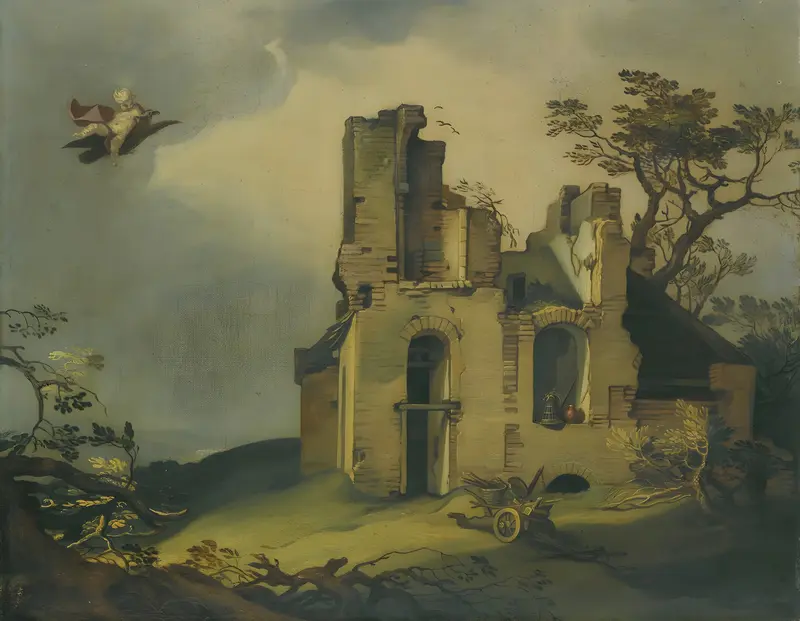
A Landscape With Ruins, With The Rape Of Ganymede
Abraham Bloemaert
More Genre Scene Art

Banquet of the Officers of the St George Civic Guard
Frans Hals

Rembrandt and Saskia in the Scene of the Prodigal Son
Rembrandt van Rijn

Bal du moulin de la Galette
Pierre-Auguste Renoir

Quadrille at the Moulin Rouge
Henri de Toulouse-Lautrec

A Burial at Ornans
Gustave Courbet

When Will You Marry?
Paul Gauguin