
Sibyl — History & Facts
No one is quite sure who posed for Sibyl by Diego Velázquez, or even which sibyl she is meant to be—yet the painting’s direct gaze and enigmatic gesture have fascinated viewers since the 17th century. Painted around 1632, during Velázquez’s early years at the Spanish court, this work stands out for its mysterious subject: a woman from antiquity who, according to legend, could foretell the future. The lack of clear attributes or inscriptions has led to debates among scholars, with some suggesting she represents the Cumaean Sibyl, while others see her as a generic prophetess or even a veiled portrait of a contemporary woman. The moment Velázquez captures is one of suspended speech.
The sibyl looks over her shoulder, lips parted as if about to utter a prophecy, her right hand raised in a gesture that both signals and withholds revelation. The loose, dark drapery and the soft modeling of her features set her apart from the grand, heavily symbolic sibyls of Michelangelo’s Sistine Chapel. Instead, Velázquez opts for immediacy and ambiguity, focusing on the psychological tension of the moment rather than elaborate iconography.
The light falls gently across her face, drawing the viewer’s attention to her expression—a mixture of resolve and uncertainty. The exact origins of Sibyl remain uncertain, and there is no known patron or commission. Some believe it was painted as a study or as part of a now-lost series of sibyls, a popular subject in early Baroque Spain. The painting’s medium is also debated, though it is commonly thought to be oil on canvas.
Today, Sibyl is housed in the Museo del Prado, where it is recognized as an important example of Velázquez’s early experimentation with portraiture and psychological depth, foreshadowing the subtlety he would later bring to his royal sitters. Its unresolved identity continues to intrigue historians and visitors alike.
More Artworks by Diego Velázquez

Las Meninas
Diego Velázquez
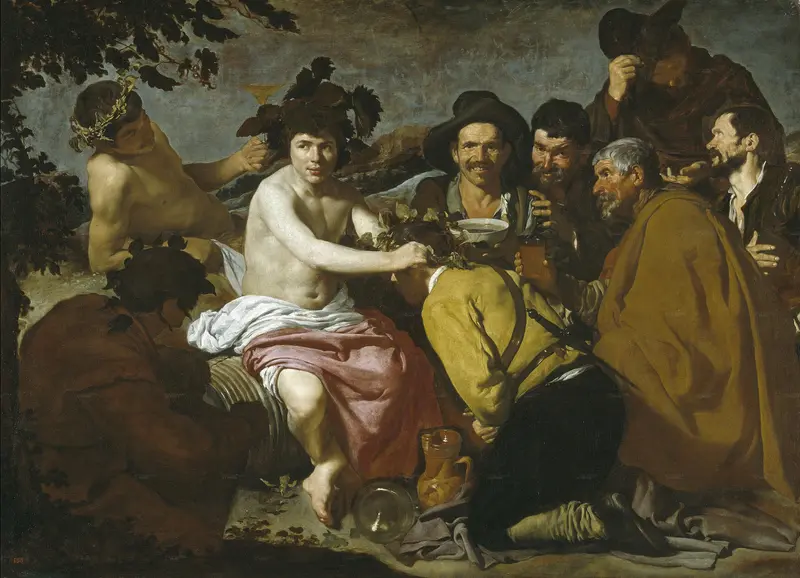
The Triumph of Bacchus
Diego Velázquez
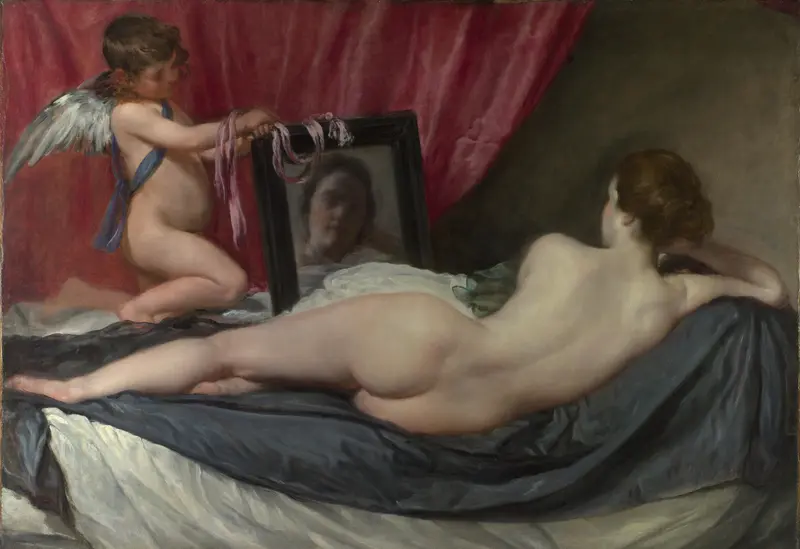
Rokeby Venus
Diego Velázquez
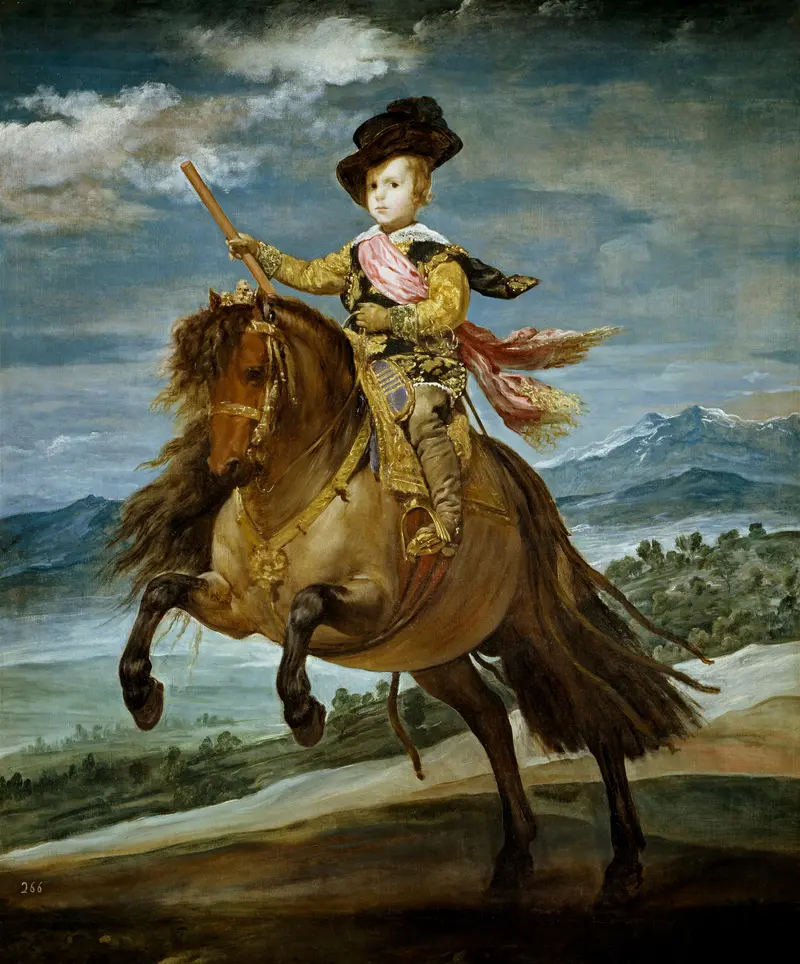
Equestrian Portrait of Prince Balthasar Charles
Diego Velázquez
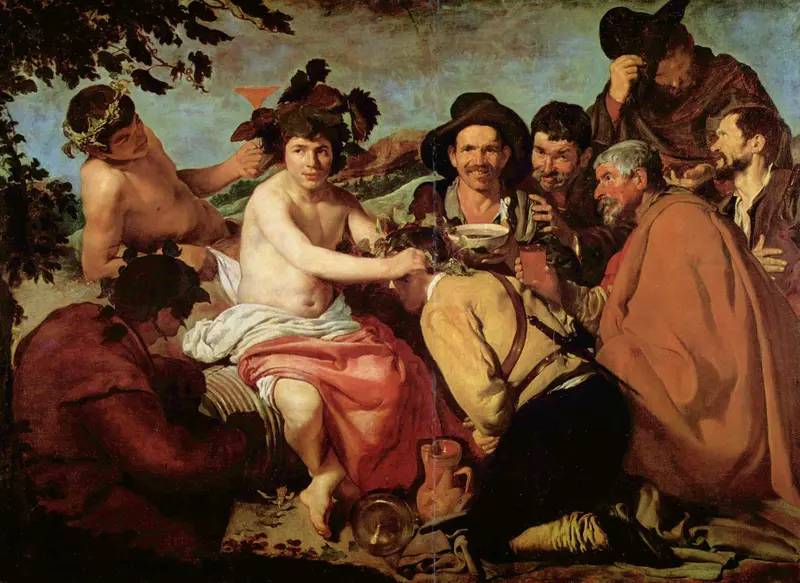
Bacchus
Diego Velázquez
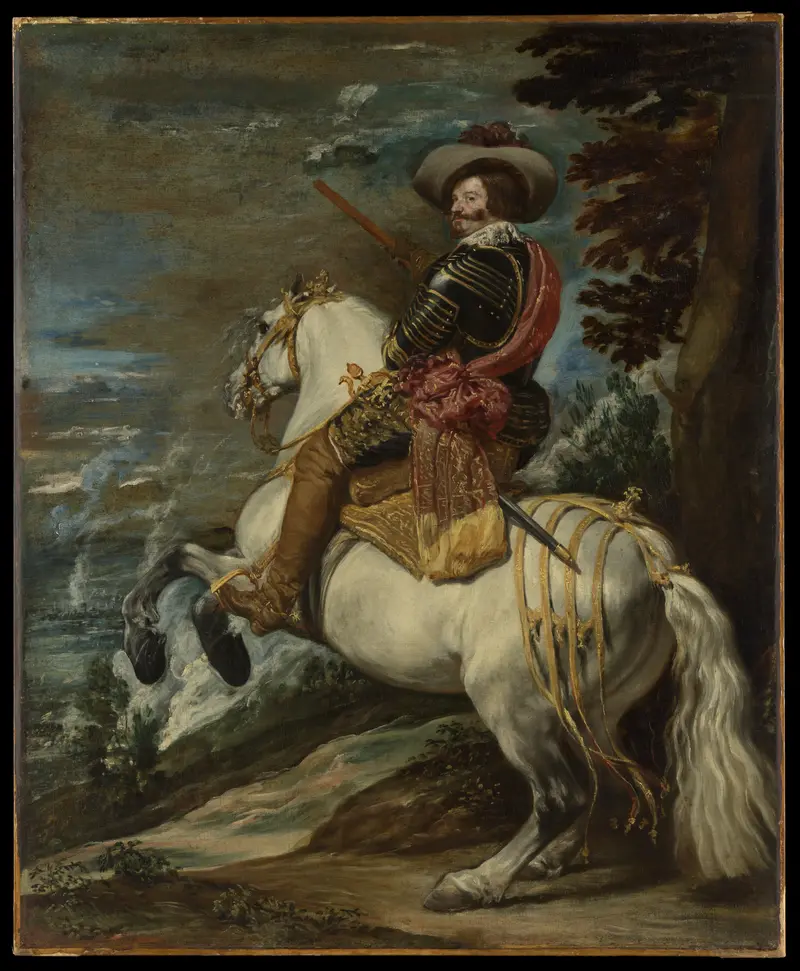
Don Gaspar de Guzmán (1587–1645), Count-Duke of Olivares
Diego Velázquez
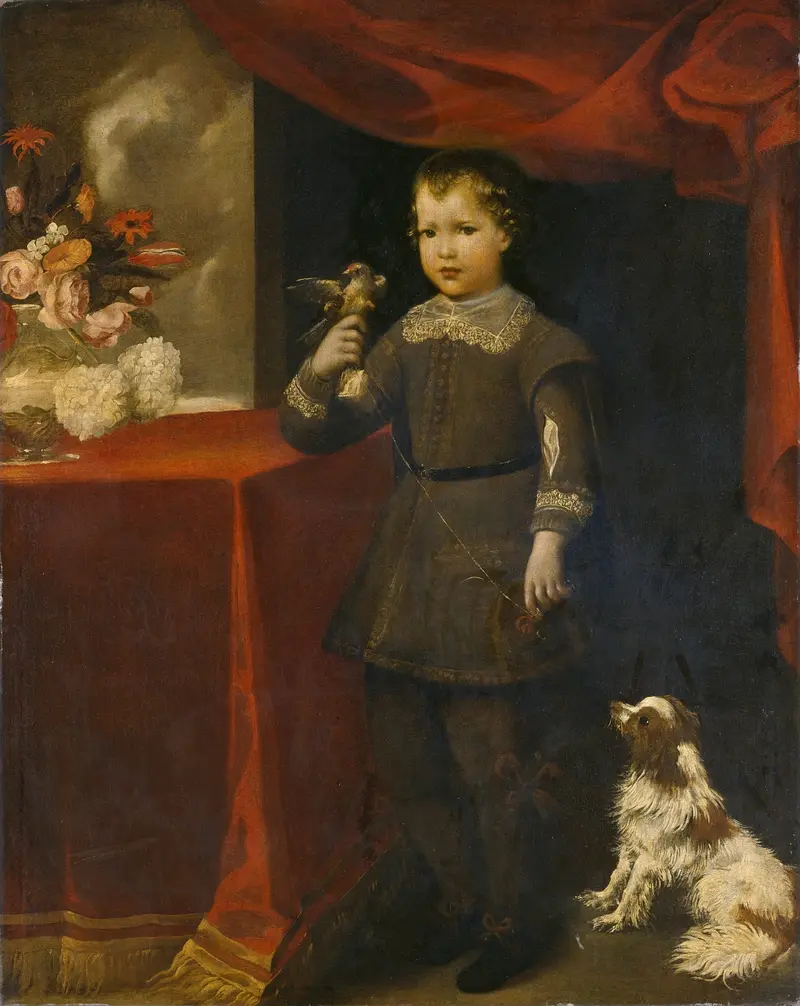
El príncipe Baltasar Carlos de Austria
Diego Velázquez
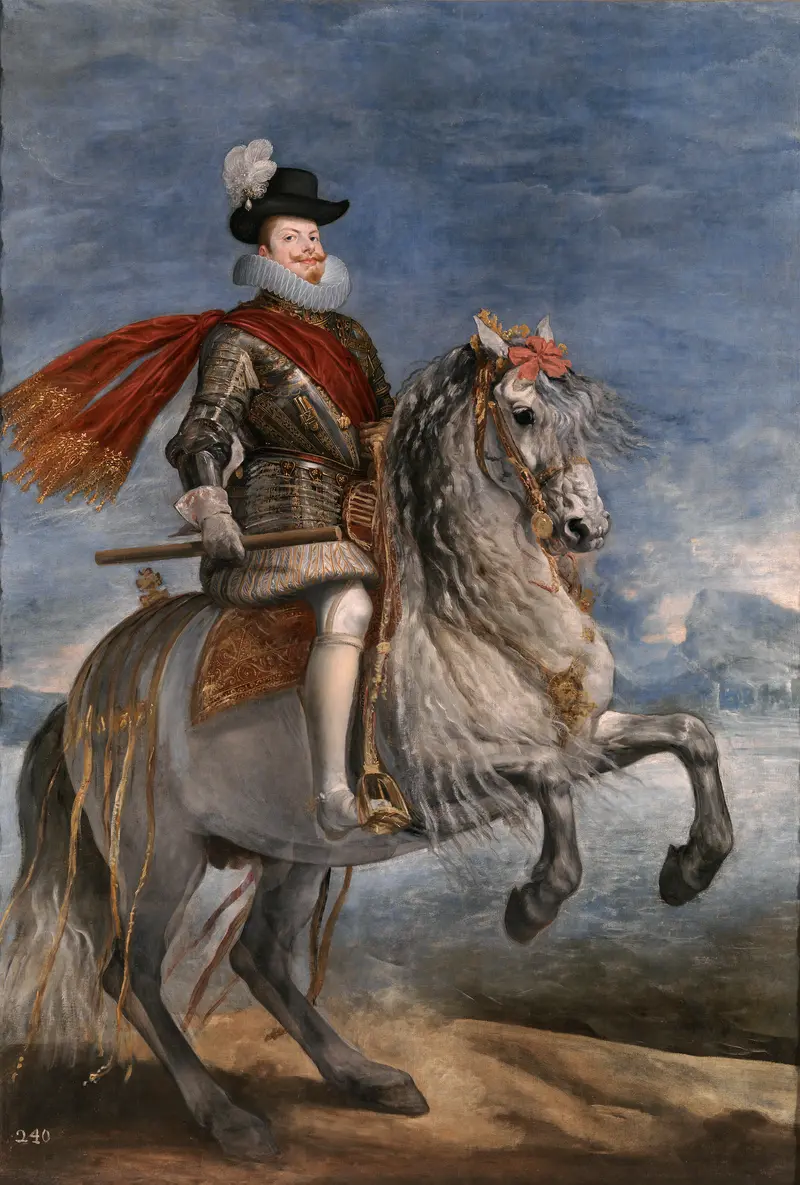
Equestrian Portrait of Philip III
Diego Velázquez
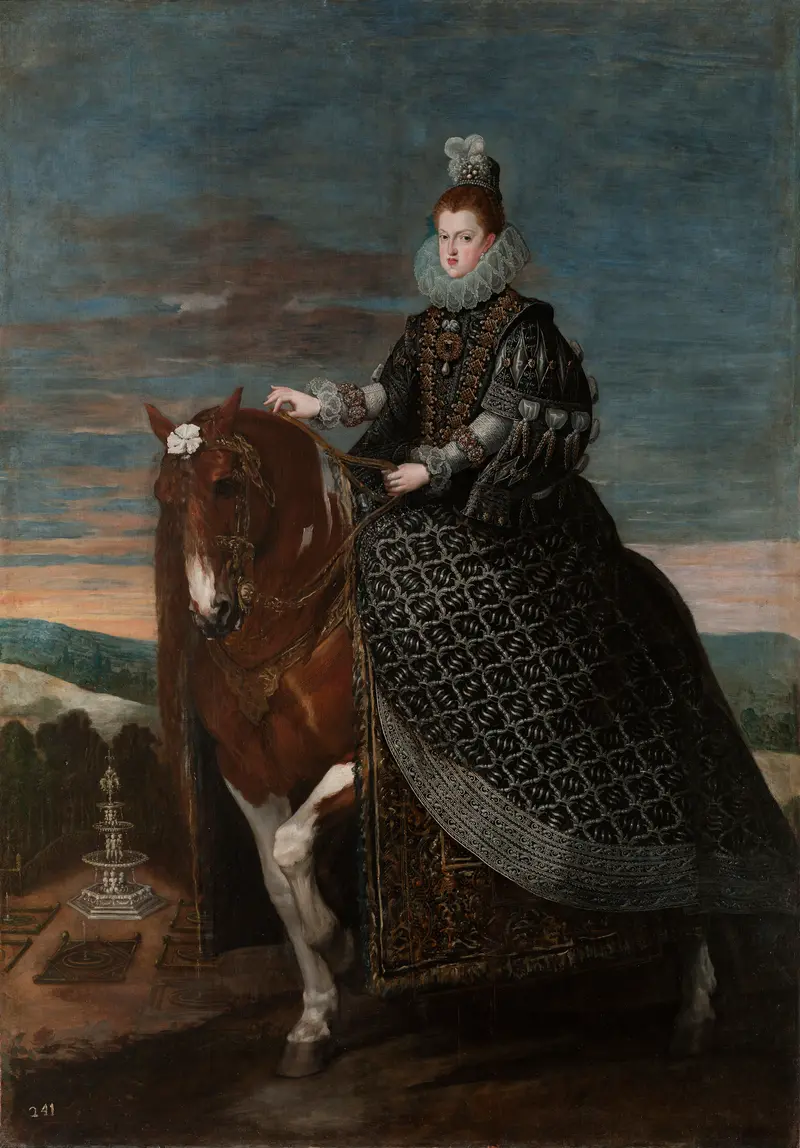
Equestrian Portrait of Margarita of Austria
Diego Velázquez
Las Hilanderas
Diego Velázquez





