
Sleepy Baby — History & Facts
In the final decade of her life, Mary Cassatt returned again and again to the theme of mothers and children, but Sleepy Baby stands out as one of her last and most intimate treatments of the subject. Painted around 1910, this work emerges from a period when Cassatt’s eyesight was failing, making each brushstroke an act of perseverance. Unlike her earlier, more formal portraits, this painting was never exhibited in her lifetime, and its precise medium remains a matter of scholarly debate—some suggest pastel, others oil.
The lack of exhibition and documentation has lent Sleepy Baby an air of quiet secrecy within Cassatt’s oeuvre. The scene captures a moment of everyday tenderness: a drowsy infant cradled in the arms of a mother, their forms melting into one another in soft, almost dissolving contours. Cassatt focuses our attention on the baby’s heavy eyelids and the gentle, protective curve of the mother’s hand, using delicate color harmonies to evoke the hush of the nursery. The background is barely suggested, drawing the eye to the central bond between parent and child.
Unlike Renoir’s more decorative mother-and-child scenes, Cassatt’s approach is intimate and unsentimental, emphasizing the physical and emotional weight of care. The composition’s closeness invites the viewer into a private world, one that feels both universal and deeply personal. Sleepy Baby’s early history is not well documented, but it is typical of Cassatt’s late work, which was often created for friends or family rather than for public sale or exhibition. As her health declined, Cassatt withdrew from the Paris art world, focusing on small, domestic subjects that reflected her lifelong fascination with the inner lives of women and children.
Today, Sleepy Baby is held in a private collection, rarely loaned, and remains less well known than her celebrated prints and earlier oils. Yet it is prized by scholars as a testament to Cassatt’s enduring sensitivity and her ability to find beauty in the simplest of moments, even as her own artistic journey was drawing to a close.
More Artworks by Mary Cassatt

The Child's Bath
Mary Cassatt
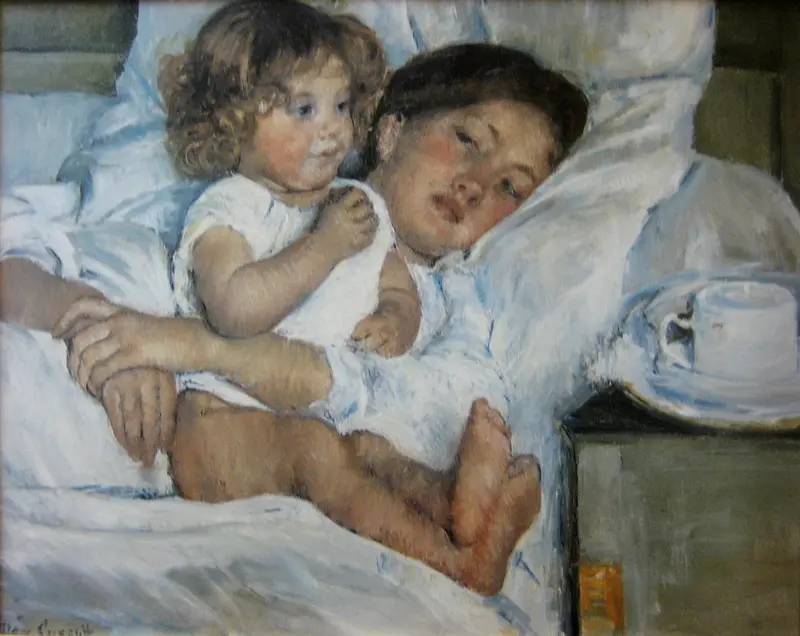
Breakfast in Bed
Mary Cassatt

Mother and Child (Baby Getting Up from His Nap)
Mary Cassatt
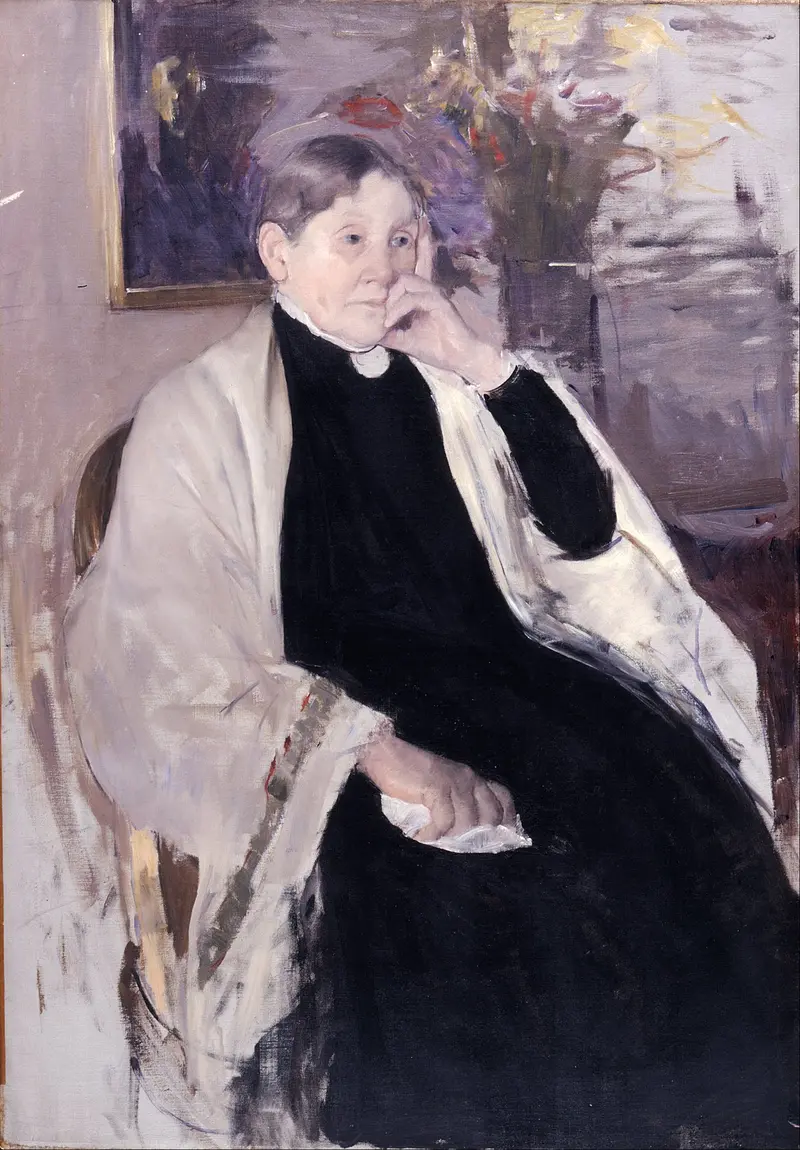
Mrs. Robert S. Cassatt, the Artist's Mother
Mary Cassatt
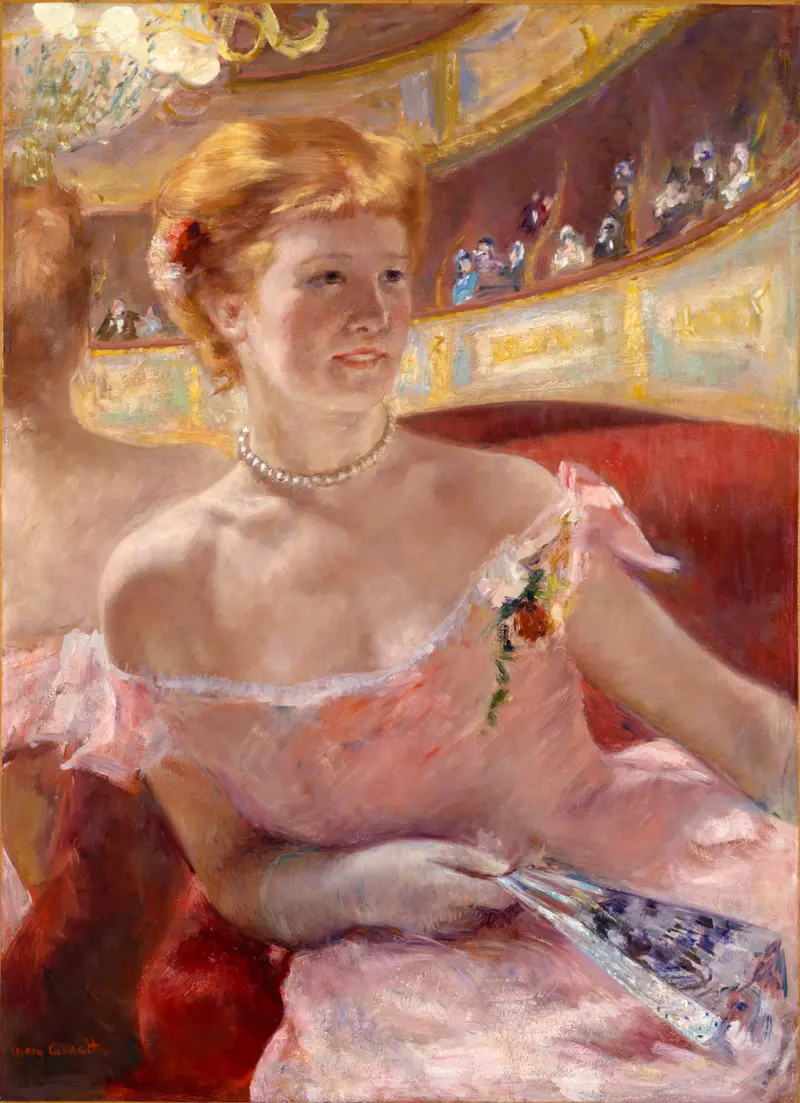
Woman with a Pearl Necklace in a Loge
Mary Cassatt
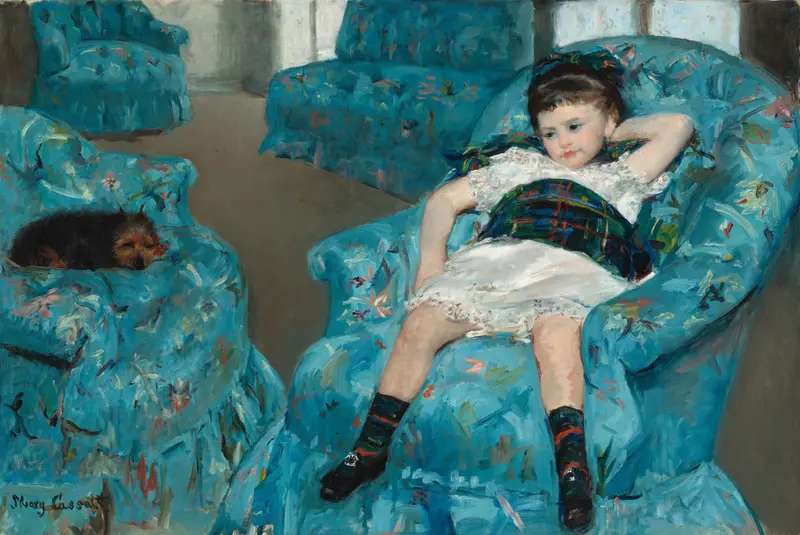
Little Girl in a Blue Armchair
Mary Cassatt
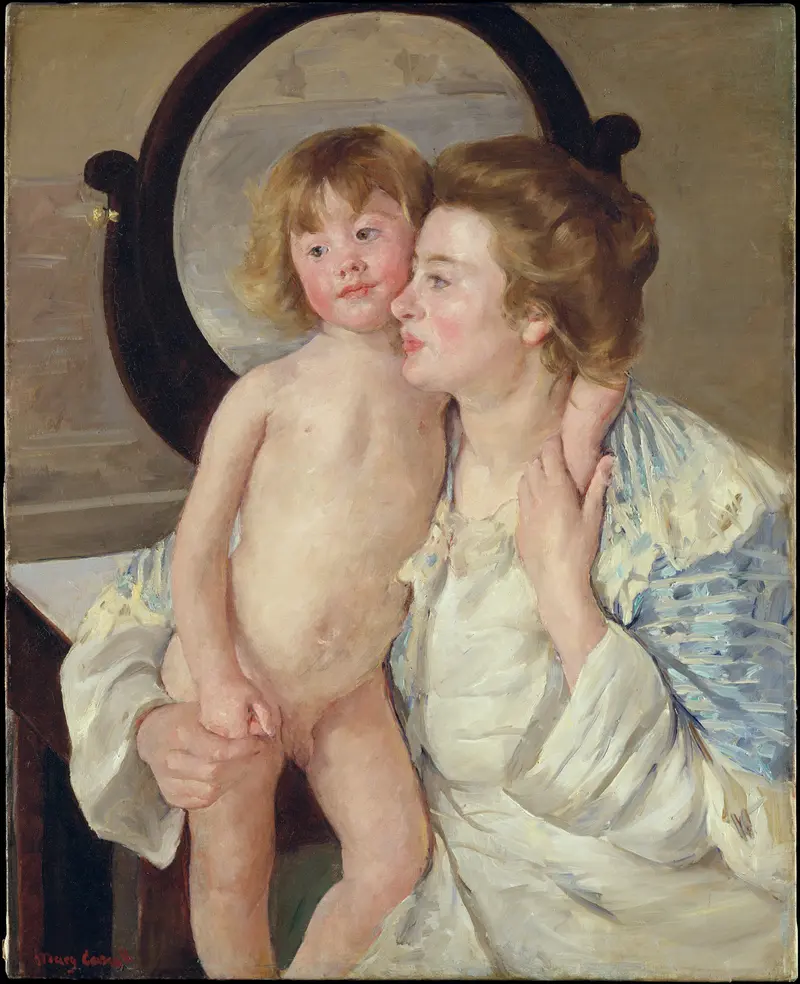
Mother and Child (The Oval Mirror)
Mary Cassatt
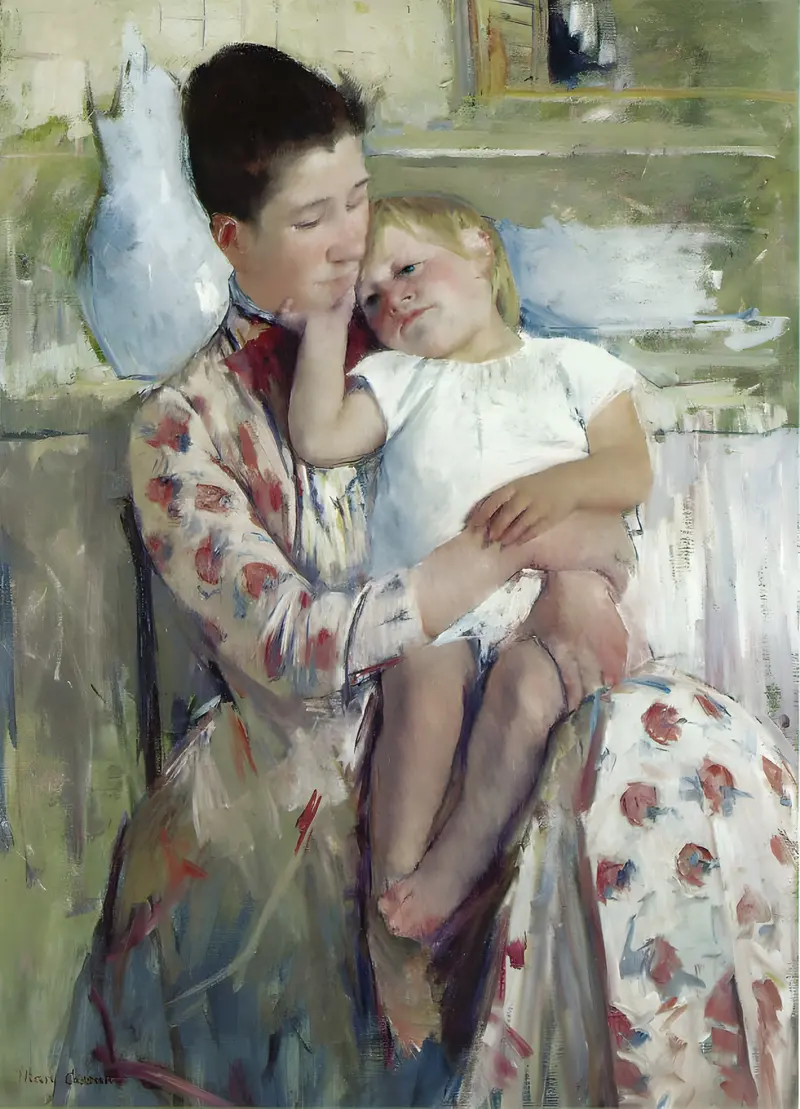
Mother and Child
Mary Cassatt
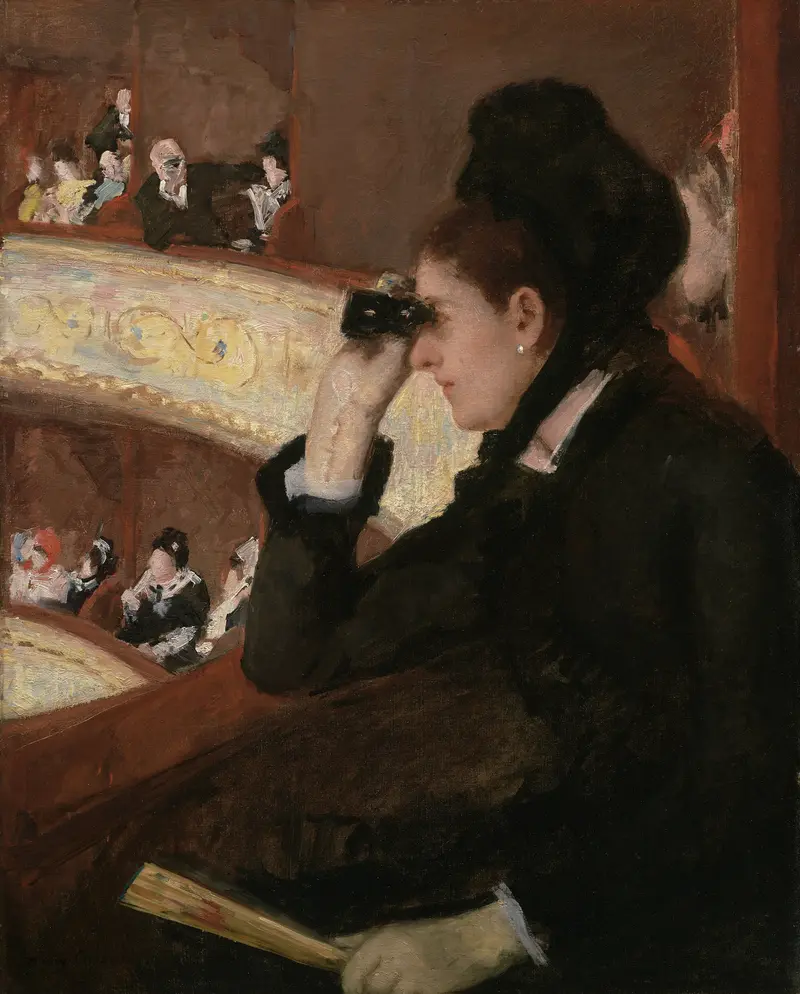
In The Loge
Mary Cassatt
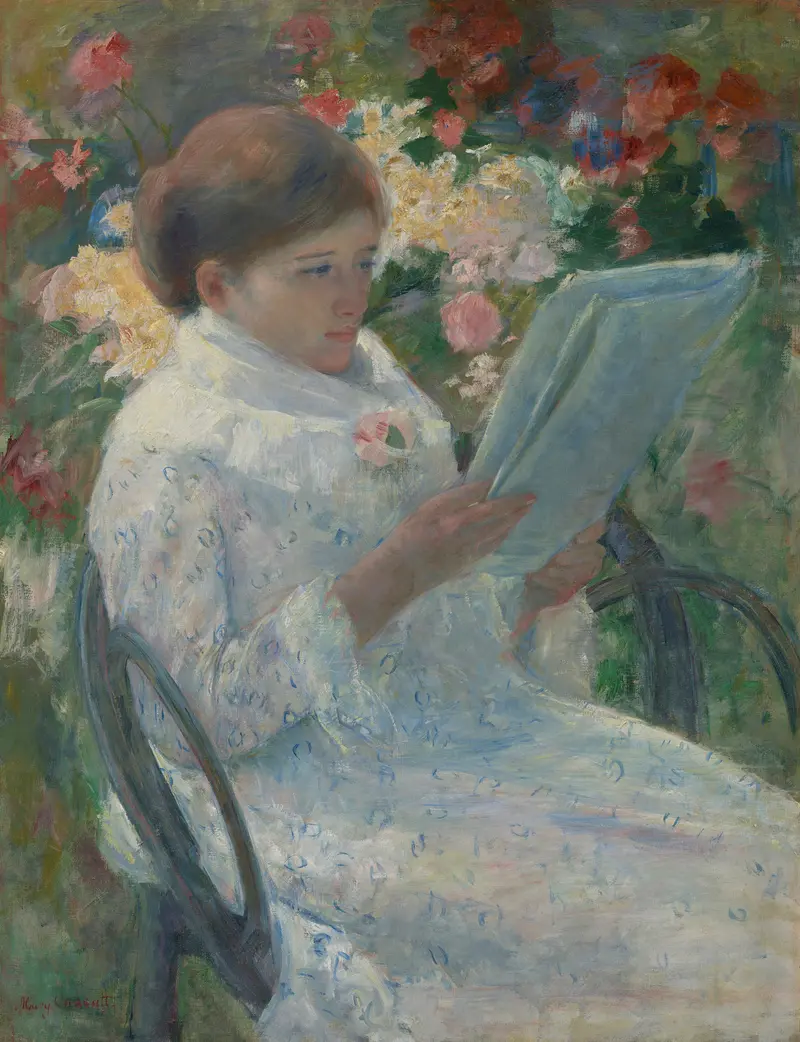
On a Balcony
Mary Cassatt
More Genre Scene Art

Banquet of the Officers of the St George Civic Guard
Frans Hals

Rembrandt and Saskia in the Scene of the Prodigal Son
Rembrandt van Rijn

Bal du moulin de la Galette
Pierre-Auguste Renoir

Quadrille at the Moulin Rouge
Henri de Toulouse-Lautrec

A Burial at Ornans
Gustave Courbet

When Will You Marry?
Paul Gauguin