
The Annunciation — History & Facts
No one knows exactly when Filippino Lippi painted The Annunciation, and that uncertainty has intrigued scholars for generations. The painting’s origins are shrouded in mystery, with no surviving contract or patron’s name to anchor it in time. Unlike many Annunciations of the Renaissance, this one stands apart for its blend of tender emotion and restless energy, hallmarks of Filippino Lippi’s unique vision.
The work’s attribution has never been seriously doubted, owing to the unmistakable hand visible in the faces and drapery, but its original home and intended purpose remain lost to history. The scene captures the instant the Angel Gabriel appears before Mary, his gesture both commanding and gentle as he delivers the message that she will bear the Christ child. Mary recoils in surprise, her hand raised in a gesture of humility and acceptance, while a shaft of light—symbolizing the Holy Spirit—descends from above. The lilies at Gabriel’s feet speak of Mary’s purity, and the enclosed garden behind her hints at her untouched state, a visual device borrowed from earlier Florentine painters like Fra Angelico.
Yet, unlike Fra Angelico’s serene Annunciations, Filippino Lippi infuses the moment with a sense of movement and psychological tension, the figures alive with emotion and uncertainty. The physical journey of The Annunciation is largely undocumented; it is not clear for whom it was painted or where it first hung. Works by Filippino Lippi were highly sought after in Florence during the late 15th century, often commissioned for private devotion or small chapels. Today, the painting is celebrated as a fine example of Filippino Lippi’s mature style, blending the influence of his father, Filippo Lippi, with his own inventive approach.
Its place in the artist’s career is secure, representing a moment when Florentine painting was moving toward greater expressiveness and complexity. While the painting’s early history is lost, its emotional force continues to draw viewers into the mystery of the Annunciation.
More Artworks by Filippino Lippi

Portrait of a Youth
Filippino Lippi
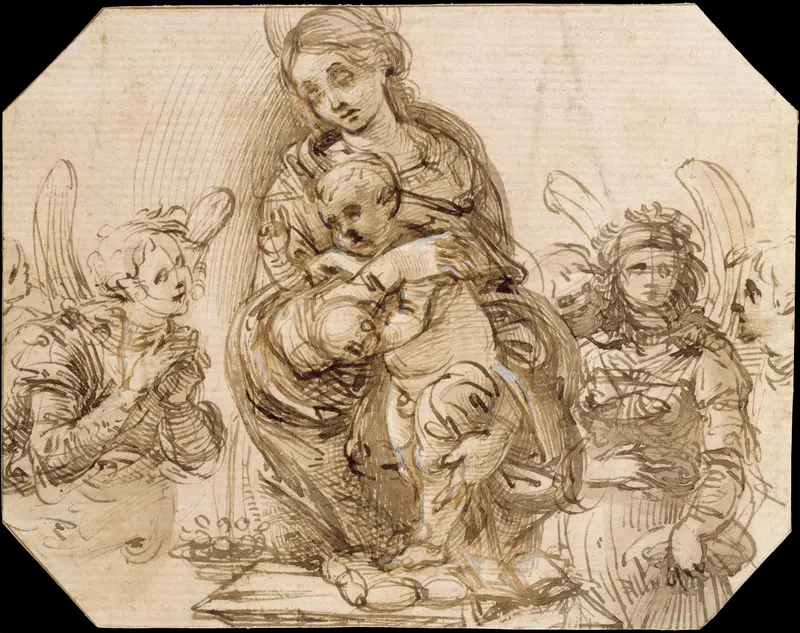
Virgin and Child Attended by Angels
Filippino Lippi

Christ on the Cross
Filippino Lippi
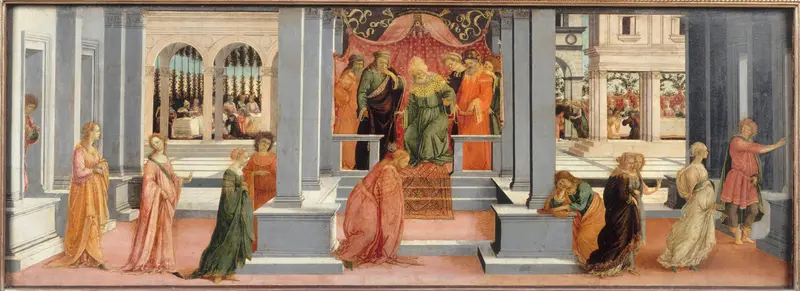
Esther choisie par Assuérus
Filippino Lippi
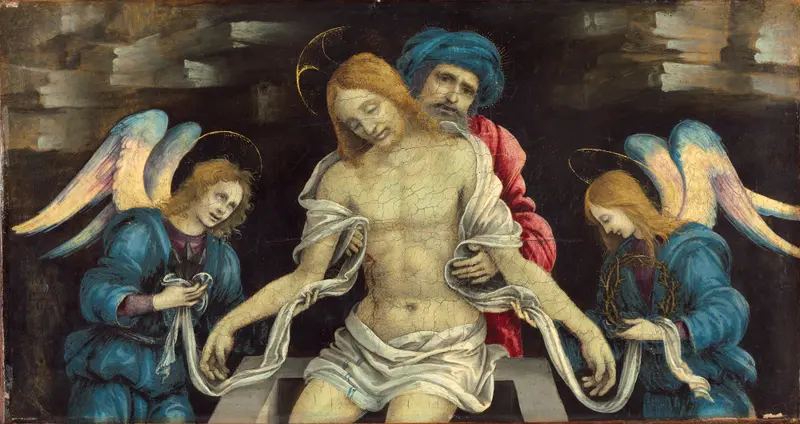
Pietà (The Dead Christ Mourned by Nicodemus and Two Angels)
Filippino Lippi
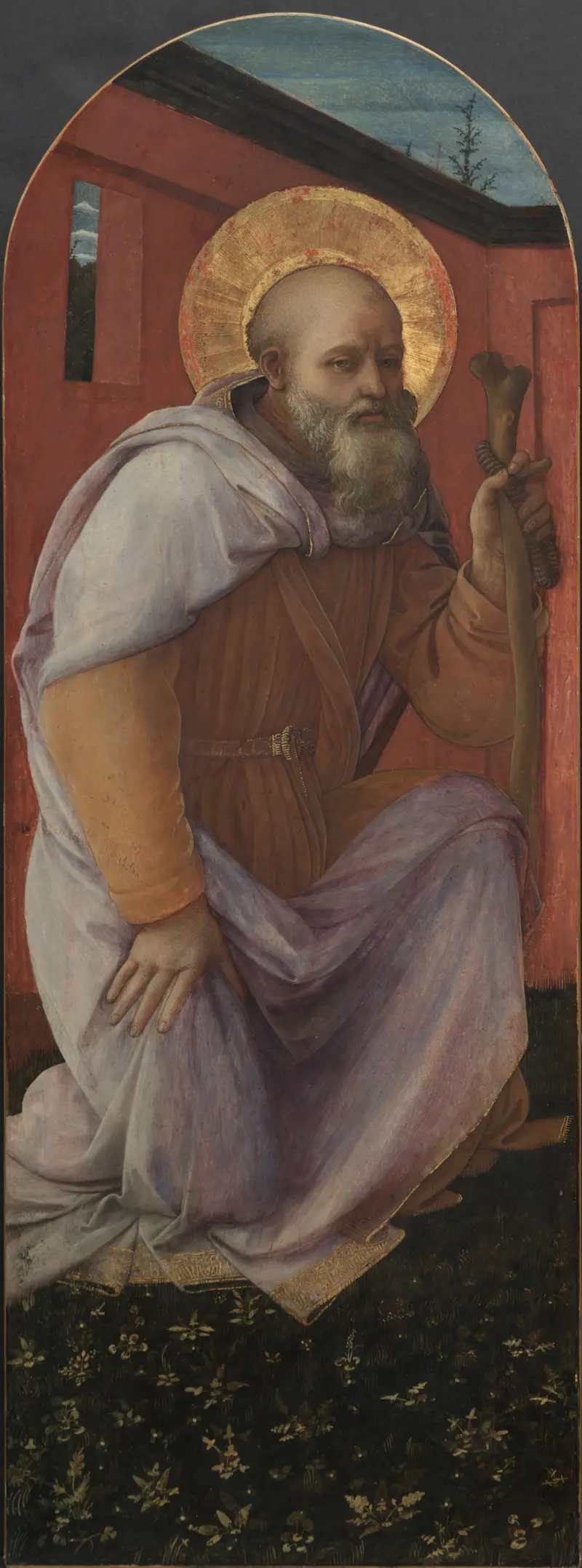
St. Anthony Abbot
Filippino Lippi
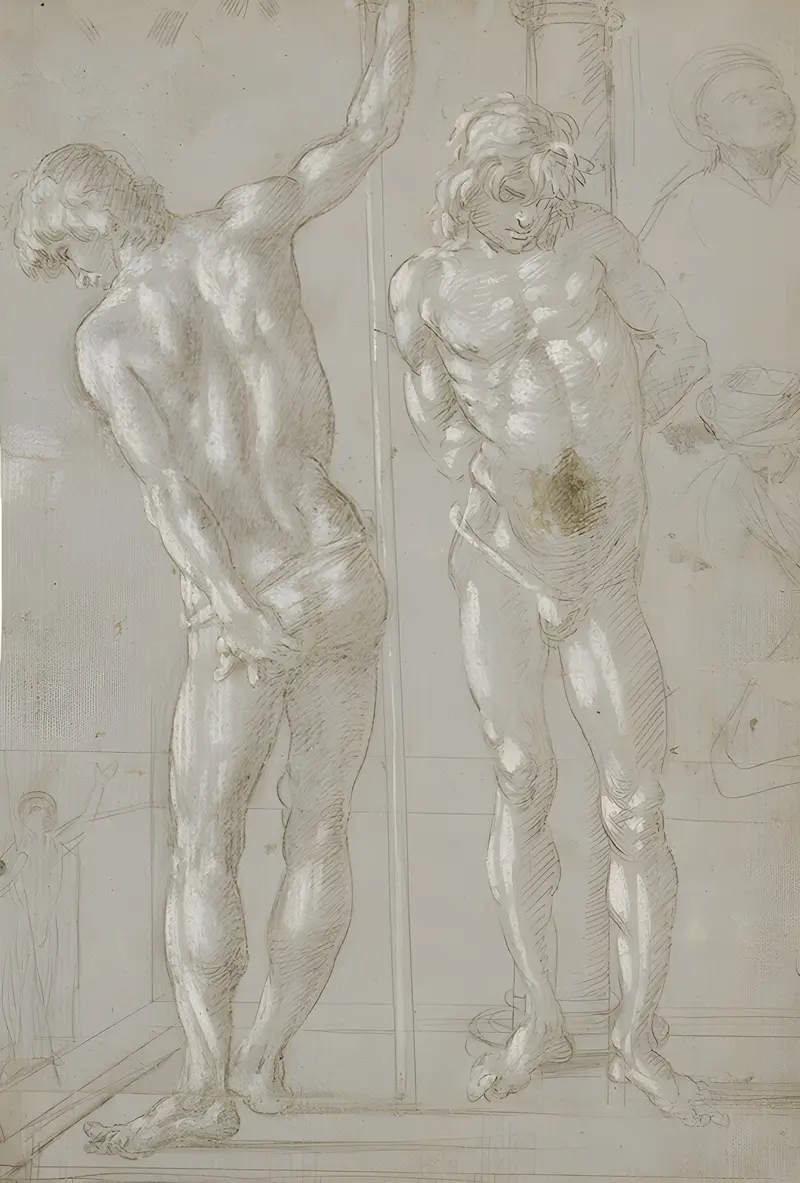
Studies of Christ at the Column, a Nude from Behind, and Various Figures
Filippino Lippi
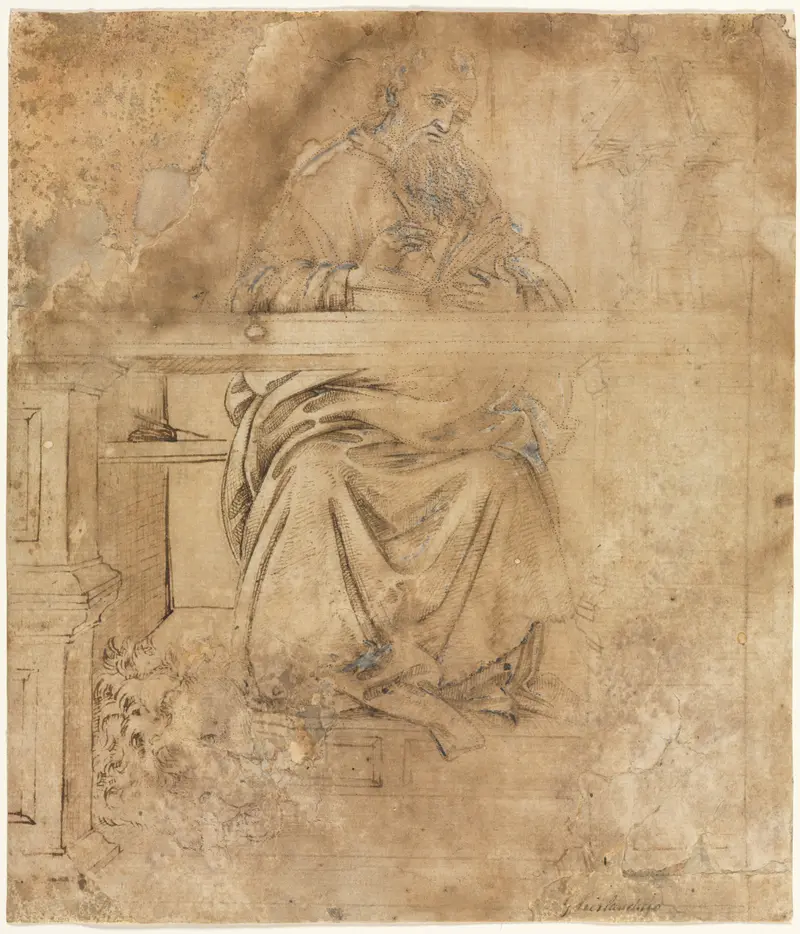
St. Jerome in His Study
Filippino Lippi
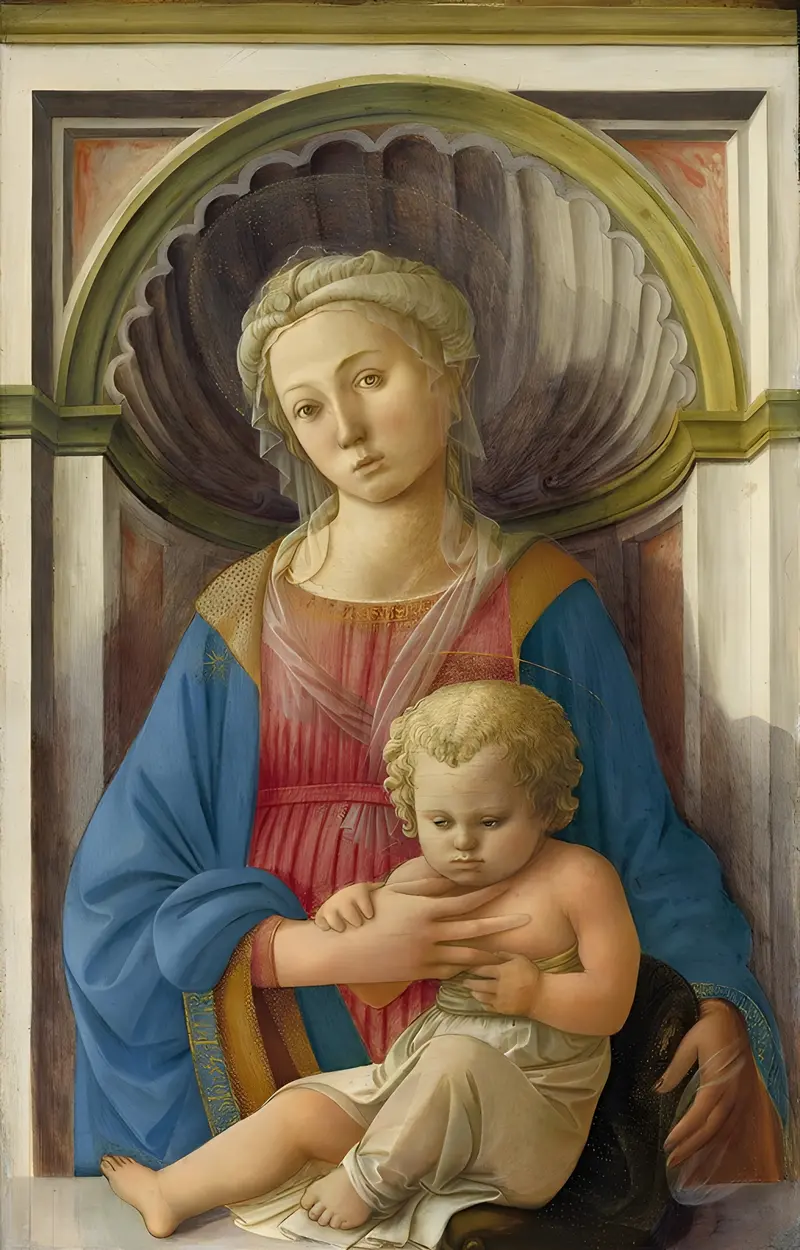
Madonna and Child
Filippino Lippi
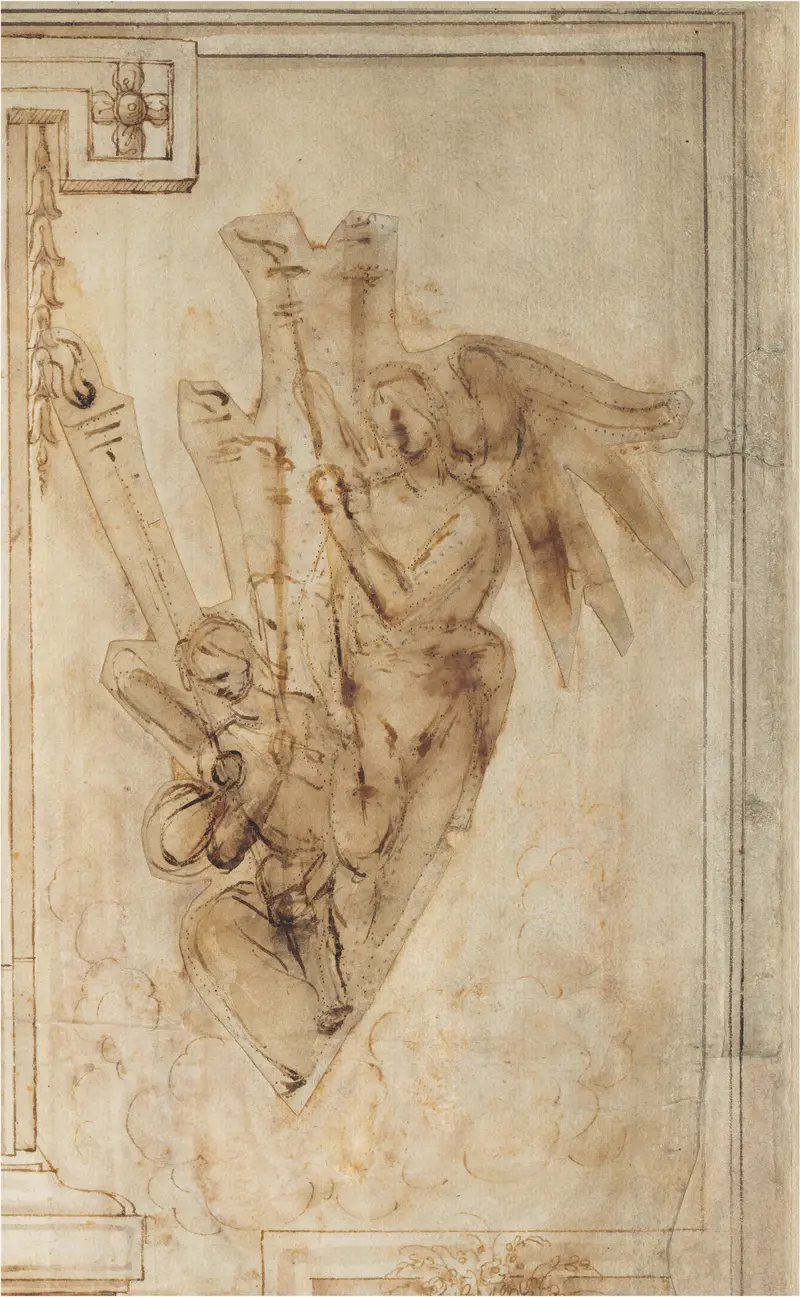
Two Angels Carrying Torches
Filippino Lippi





